How Do You Remove Stains from Outdoor Gear Without Ruining It?
Staring at a muddy smear on your tent or a grease spot on your hiking pants? Take a deep breath-most outdoor stains come out with gentle, non-toxic cleaners you likely already have at home.
This guide will walk you through the safest ways to clean your essential gear. You’ll get clear advice on:
- Identifying stain types and choosing the right pre-treatment
- Protecting waterproof coatings and delicate fabrics during cleaning
- Effective drying methods to stop mold and funky smells
- Tackling stubborn offenders like tree sap, mud, and body oils
I’ve tested these methods for years on my family’s well-used camping equipment, from Jason’s soccer-muddy jackets to our trusty, stain-magnet tent.
First Things First: Identify the Stain and Your Gear
Outdoor stains are a special kind of souvenir. My son Jason’s soccer gear after a rainy game looks like my tent floor after a downpour. The first step is always the same: figure out what you’re dealing with.
The Usual Suspects
You’ll likely face one of these:
- Dirt-Based: Mud, grass, bird droppings.
- Food & Plant: Berry juice, tree sap.
- Body & Chemical: Blood, sweat, sunscreen, bug spray, cooking oil.
- The Dreaded: Mildew or mold.
Why the Stain Type is Your First Clue
Think of stains like different types of glue. Protein stains (blood, sweat) are like egg white. They set with heat. Tannin stains (berry, wine) are like weak tea, they can often be rinsed out with cool water if you act fast.
Treating a protein stain with hot water is like cooking an egg on your fabric-it sets the stain permanently.
Last summer, Jessica (my aunt in Arizona) sent me a shirt stained with prickly pear juice. I blotted it with cool water immediately, and it lifted right out. If I’d rubbed it or used warm water, I’d be answering “how to remove berry stains from a shirt” the hard way.
Know Your Gear’s Fabric
Before you treat anything, find the care label. Is it coated nylon for rainflies, polyester fleece, or a down-filled sleeping bag? The material dictates your attack plan.
Waterproof coatings and delicate down can be ruined by harsh detergents or rough scrubbing.
For blood on a polyester hiking shirt, cool water and a bit of salt work wonders. For blood on a down sleeping bag, you need a much gentler, specialized approach. It’s the same stain, but the fabric changes everything—especially when you’re removing blood stains from different fabrics.
Your Outdoor Stain Removal Toolkit
You don’t need a chemistry set. I keep a simple box of gear-safe supplies that handles 90% of our family’s outdoor messes, from Jason’s muddy cleats to Roger’s hunting jacket.
The Essentials
- Mild Liquid Detergent: The kind labeled “free and clear” is perfect.
- Distilled White Vinegar: My go-to for odors and mildew.
- Baking Soda: Great for pastes to lift grease or as a gentle scrub.
- Hydrogen Peroxide (3%): A gentle bleach alternative for whites and colorfast fabrics. Always spot-test first.
- Soft-Bristled Brushes: An old toothbrush and a wider nail brush are perfect.
- Microfiber Cloths: For blotting and drying without lint.
Safe DIY Alternatives I Actually Use
My mom Martha in North Texas taught me most of these. She’s been using vinegar to fight mildew on canvas for decades.
- Grease & Oil: A thick paste of baking soda and water. Let it sit, then brush it off.
- Mildew: A 1:1 mix of white vinegar and water. Spray, let sit 15 minutes, then wash.
- Rust (from tent stakes): A squeeze of lemon juice with salt rubbed on the spot.
When to Use Specialized Products
For expensive waterproof jackets or sleeping bags, a dedicated “tech wash” is smart. It cleans without stripping the water-repellent coating. I use it once a season for a deep clean.
For everyday stains, start with the simple stuff. You might be surprised how effective vinegar and baking soda can be.
What to Avoid At All Costs
- Harsh Chlorine Bleach: It eats away at synthetic fibers and coatings.
- Fabric Softener: It clogs the pores of technical fabrics, ruining breathability.
- Steel Wool or Abrasive Scrubbers: They will scratch and permanently damage waterproof surfaces.
The Universal Stain Removal Process for Outdoor Gear
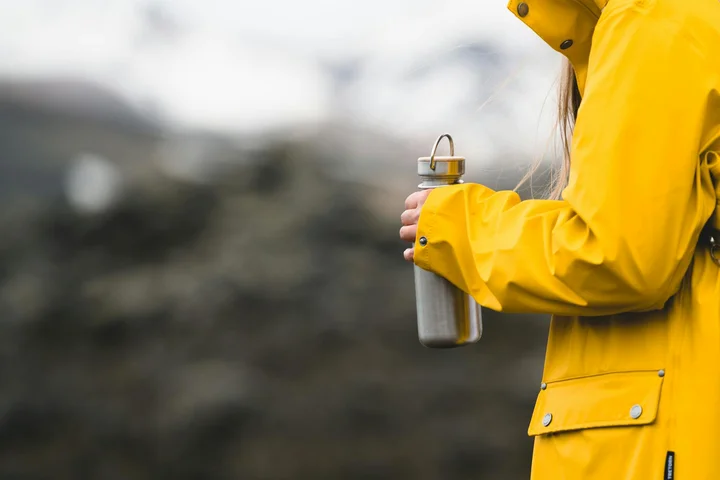
My husband Roger’s favorite jacket is a testament to mud, campfire soot, and mystery drips. Gear gets dirty, and that’s okay. There’s a method to the madness that works for almost every fabric stain you’ll face, from a sleeping bag to a rain shell.
- Blot or Scrape Excess
Liquid? Grab a clean microfiber cloth or paper towel and press down firmly. Don’t rub. You’ll just push the stain deeper into the fibers. For mud or dried food, use a soft-bristled brush or the dull side of a butter knife to gently flick off the chunks.
- Pre-treat the Spot
This is your secret weapon. For most stains, I use a simple paste of water and a tiny bit of powdered oxygen bleach (like OxiClean). For greasy stains from trail mix or cooking, a drop of mild dish soap works wonders.
Before you put anything on the stain, find an inside seam or hidden pocket and do a test patch. Waterproof coatings can be sensitive, so this 60-second check saves you from a bigger headache.
- Wash Gently
This is where people ask, “How to wash waterproof clothing properly?” The answer is almost always: by hand in a tub or with a front-loading washer on a gentle, cold cycle. Top-loading machines with an agitator can shred taped seams.
Use a technical cleaner made for outdoor fabrics or a tiny amount of dye-free, fragrance-free liquid detergent. My mom Martha taught me that less soap means less residue to trap dirt later.
- Rinse Thoroughly
Soap left behind attracts more grime and can ruin a waterproof finish. For hand-washed items, rinse under cool, running water until the water runs completely clear. No more suds.
- Air Dry Completely
Never, ever use a dryer for tents, sleeping bags, or waterproof gear. The heat can melt coatings, melt adhesives, and destroy loft. Hang items in a well-ventilated area out of direct sun until every single inch is bone-dry. My golden retriever Peeta’s slobber on a pack strap taught me that hidden dampness leads to mildew.
How to Clean Tents, Tarps, and Backpacks
You don’t need to fully wash these items every trip. Spot cleaning is your best friend. For a tent, set it up in your backyard on a dry day. This lets you see all the stains and stops you from scrubbing a folded, dirty surface into the fabric.
For “How to clean a tent after a camping trip,” I start with a soft brush to sweep out dirt and pine needles. Then I spot clean any stains before packing it away for good. A clean tent lasts years longer.
Removing Mildew Stains from a Tent
That sour, musty smell after a wet trip is a sign. Mix one part white distilled vinegar with four parts cool water in a spray bottle. Lightly mist the stained area and gently dab with a soft cloth. Let it sit for 10 minutes, then rinse thoroughly with a damp cloth and air dry in the sun. The sun is a mild natural bleach.
Vinegar helps kill the mildew spores and lightens the dark stains without harsh chemicals that could damage the waterproof polyurethane coating.
Cleaning Bird Droppings or Tree Sap from a Backpack
Sap is sticky. Bird droppings can be acidic. For sap, use a cotton ball soaked in rubbing alcohol (isopropyl alcohol). Dab it directly on the sap spot—it will start to dissolve the sticky goo. Wipe it away with a clean cloth. Make sure to remove tree sap and bird droppings from paint surfaces in a timely manner to avoid damage.
For droppings, scrape off any solid bits, then use a damp cloth with a little mild soap. Follow with a clean, water-dampened cloth to rinse. Always air dry.
Treating Stubborn Dirt on a Pack
The bottom of a backpack gets caked with dirt. For “How to treat stubborn dirt on a backpack,” use a soft nail brush and a paste of cool water and oxygen cleaner. Gently scrub in small circles. For really ground-in grime, I let the paste sit for 15 minutes before rinsing.
For “how to remove ink stains from a map pocket,” try rubbing alcohol. Test it on a hidden spot first, as ink can sometimes bleed. Dab, don’t rub, and you can often lift the stain right out.
Don’t forget the hardware. Wipe down plastic buckles, trekking poles, and tent zippers with a damp cloth and a tiny bit of soap. It keeps everything functioning smoothly for your next adventure.
Washing Sleeping Bags Without Causing Damage

Let me be very clear: you should never dry clean a sleeping bag. I made this mistake years ago with a prized down bag, and the harsh solvents destroyed its loft permanently. The insulation, whether down or synthetic, cannot handle those chemicals.
First, know your insulation. Down is fluffy clusters from birds, while synthetic is polyester fibers. This is the most critical step because down needs a special, non-detergent soap to preserve its oils, and synthetic can tolerate mild detergents. Always check the tag first.
How to wash a sleeping bag without damaging it? Hand-washing in a bathtub is my go-to method. Fill the tub with cool or lukewarm water and add a cleaner made for technical fabrics, like Nikwax Down Wash. I learned this from years of cleaning gear after trips with Roger and the kids.
Gently submerge the bag. Use your hands to press and swirl the water through it. Agitate it softly, like you’re kneading dough, to work the soap into the fibers without stressing the seams. Let it soak for about 20 minutes to loosen dirt.
Removing Tree Sap or Oil from a Sleeping Bag
My son Jason once got pine sap all over his bag. How to remove tree sap from a sleeping bag? Let the sap harden completely, then gently pick or scrape it off with a dull edge like a butter knife. Be careful not to pull the fabric threads.
For the sticky residue, dab a cotton ball with rubbing alcohol or hand sanitizer. Test this on an inside seam first, then apply it to the sap spot; it will dissolve the sap so you can blot it away. Follow with a normal wash.
For cooking oil or grease, a dot of clear dish soap directly on the stain works wonders. Rub it in gently and let it sit for five minutes before rinsing. This same technique also helps remove cooking oil stains from clothes. It’s easy to apply to fabrics as well. Dish soap is designed to break down oils and is safe for most outdoor fabrics.
Dealing with Mildew or Musty Odors
If your bag smells like a damp basement, you might have mildew. Act fast, as mildew spores can grow and cause permanent damage and a sour scent. Mix one cup of white vinegar with four cups of water in a spray bottle.
Lightly mist the affected areas. Let it sit for 15 minutes. The vinegar will kill the mildew and cut the odor. For a musty bag that’s not visibly mildewed, adding a cup of baking soda to the wash water can neutralize odors deeply. My mom Martha always used baking soda for smells. These tips also apply to fabrics. They can help remove the musty mildew smell from fabrics.
Rinsing is non-negotiable. You must rinse the sleeping bag repeatedly, pressing out water, until no soap suds remain in the tub. Any leftover soap attracts dirt and makes the insulation clump. I often do three or four rinse cycles.
Drying requires patience. Gently press the bag between towels to remove water. Never wring it. Tumble dry on the lowest heat setting with two or three clean tennis balls or dryer balls. The balls bounce around and help break up the damp insulation clumps. This restores the loft so your bag stays warm, and it’s a trick I use for all our puffy items.
Dealing with Hiking Clothes: Stains and Odors
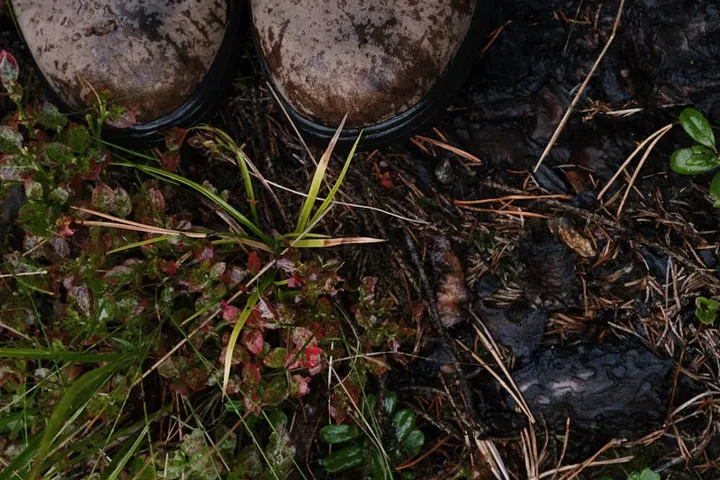
I sort hiking laundry into three piles: base layers, outerwear like jackets and pants, and socks. Each type faces different stains and needs a tailored approach to stay fresh and functional. Our post-hike laundry day is a well-practiced routine.
Lifting Sweat Stains and Odors from Base Layers
Merino wool or synthetic base layers hold onto sweat. How to get rid of sweat stains and odors from base layers? Use an enzyme-based laundry detergent for a presoak, as the enzymes eat the proteins in sweat that cause yellow stains and bad smells. I use this for Jason’s activewear too.
Soak the garment in cool water with the detergent for 30 minutes before washing. Always use cool or cold water for sweat stains; hot water can cook the proteins into the fabric, setting the stain forever. Then wash on a gentle cycle.
Treating Grass, Mud, and Berry Stains on Pants
Hiking pants meet all kinds of ground stains. How to treat grass stains on hiking pants? For mud, let it dry completely, then brush off the crusty dirt outdoors. For fresh grass or berry stains, rinse from the back with cold water immediately.
Apply a paste of liquid laundry detergent directly to the stain. Gently rub it in. For berry tannins, a dab of white vinegar can help. Wash pants inside out in cold water to protect the fabric and lift the stain effectively. Roger’s hunting pants get this treatment regularly.
Removing Oil or Sunscreen from Jackets
Water-resistant jackets can get stained by sunscreen or cooking oil. How to remove oil stains from a jacket? Put a drop of clear, gentle dish soap like Dawn directly on the oil spot. Work it in with your fingertip in a circular motion.
Let it sit for 10 minutes, then rinse with cool water. How to remove sunscreen stains from clothing? The method is the same. If you’re dealing with sunscreen stains on fabric, this same approach helps. Dish soap breaks down the oils in sunscreen without harming most technical coatings, but always rinse thoroughly. Check the care label first to be safe.
For fleece items, like when my aunt Jessica spilled wine, how to treat wine or coffee stains on a fleece? Blot the liquid quickly with a clean towel, then dab the area with a mixture of equal parts water and white vinegar. Let it sit for a few minutes, rinse with cold water, and wash as usual. The vinegar neutralizes the acid.
Now, for socks. How to clean and deodorize hiking socks? After a hike, I soak all our socks in a bucket of warm water with half a cup of baking soda for an hour. Baking soda is a natural odor absorber.
Then, I wash them normally. For really grim socks, I make a paste of baking soda and water and scrub the soles before washing. This baking soda soak is a lifesaver for sock odor, a tip from my mother-in-law Brianna that never fails. After a big family hike, the whole mudroom smells better because of it.
Critical Warnings and Smart Homemade Swaps
Let’s talk about what not to do first. Gear is expensive and specialized. A wrong move can ruin its performance or lifespan.
I learned this after Aunt Jessica washed her favorite down jacket with bleach. It came out smelling like a swimming pool and never lofted the same way again.
Material Red Flags: What to Avoid at All Costs
These are your non-negotiable rules. Write them down if you have to.
- Never use bleach on down. It destroys the delicate feather structure. Your sleeping bag will become a flat, lifeless pancake.
- Avoid hot water on protein-based stains (like blood). Heat cooks the proteins into the fabric, setting the stain permanently. Always use cold water first.
- Don’t machine wash delicate waterproof items unless the tag explicitly says you can. The agitator can shred taped seams and damage coatings. My mom, Martha, taught me to always hand-wash my first good rain jacket.
- Never iron coated or technical fabrics. The direct heat will melt waterproof coatings and laminates. It creates a shiny, sticky mess you cannot fix.
- Skip fabric softener and heavy detergents. They leave residues that clog waterproof membranes and reduce breathability. They make your gear feel grimy.
Surface Compatibility Chart
The same basic stain treatment needs slight tweaks for different gear. Here’s your quick-reference guide.
| Gear Type | Basic Stain Treatment | Your Smart Adaptation |
|---|---|---|
| Tents & Tarps | Dab with diluted detergent solution. | Spot clean only. Use a soft brush (like an old toothbrush) in gentle circles. Never submerge the entire tent unless it’s specifically for cleaning. Rinse thoroughly with a damp cloth. |
| Sleeping Bags | Soak in a mild detergent bath. | Use a bathtub or front-loading washer on a gentle, no-spin cycle. For down, use a down-specific soap. Support the weight of a wet bag-never lift it by one end. It can tear the baffles. |
| Hiking Clothes | Machine wash to lift ground-in dirt. | Wash on cold, gentle cycle. Use a technical sport wash or a tiny amount of mild, fragrance-free detergent. Close all zippers and velcro to prevent snags. Air dry is almost always best. |
I revived Roger’s old sleeping bag this way. A long, gentle soak in the tub lifted years of campfire smoke smell without damaging the fill.
How to Wash Waterproof Clothing Properly (And Re-Waterproof)
Cleaning waterproof gear is only half the job. The durable water repellent (DWR) coating wears off with dirt, sweat, and washing.
You must re-waterproof after a deep clean to restore performance.
- Wash the item with a technical cleaner designed for waterproof fabrics (like Nikwax Tech Wash). This strips dirt and old oils without harming the membrane.
- Rinse twice to ensure all soap is gone. Any residue blocks the new DWR.
- Apply a DWR replenisher. You can use a wash-in formula or a spray-on. I prefer sprays for jackets, as I can focus on the high-wear shoulders and hood.
- Tumble dry on low heat for 10-20 minutes. This heat activates most DWR treatments. Check your product’s label.
A jacket that “wets out” and feels soggy isn’t broken. It just needs its DWR refreshed. I do this for Roger’s hunting gear every season.
Your Last-Minute FAQs, Answered
Two common problems pop up all the time. Here are my simple fixes.
How to Clean a Hydration Bladder to Prevent Mold
That faint, musty smell means mold is starting. Don’t ignore it.
A white vinegar soak is your best friend here. It kills mold and neutralizes odors without harsh chemicals.
- Fill the bladder halfway with a mix of one part white vinegar to three parts warm water.
- Let it soak for 30 minutes, swishing it around every 10 minutes.
- Scrub the inside with a hydration bladder cleaning brush (they have a long handle).
- Rinse, rinse, and rinse again with clean water until the vinegar smell is gone.
- Dry it completely! Hang it upside down with the cap off over a towel. Mold needs moisture to grow.
How to Remove Rust Stains from Gear
Rust stains from a forgotten tent stake or a carabiner are tricky. An acid like lemon juice can break them down.
- Squeeze fresh lemon juice directly onto the rust spot. Let it sit for 5-10 minutes.
- For a stronger effect, make a paste with lemon juice and a little table salt. Rub it gently into the fabric.
- Let the paste work for up to an hour. Don’t let it dry completely.
- Rinse thoroughly with cool water. Check the stain. You may need to repeat the process.
- Wash the item as usual. This method works on canvas bags or tent floors. I’ve used it on an old gear bag of Roger’s with great success.
The Best Trick of All: Prevention
The most effective stain removal happens before a stain truly sets.
Get in the habit of a quick spot clean as you unpack from a trip.
Wipe a muddy tent footprint with a damp rag. Hit a grass stain on your hiking pants with a little soap and cold water before tossing them in the hamper. Rinse your hydration bladder right when you get home.
This five-minute task saves you from a five-hour deep cleaning project later. My mother-in-law, Brianna, taught me this. She said a little effort now saves a lot of regret later. She was right.
FAQ about Removing Stains from Outdoor Gear
How do I get caked mud off my hiking boots without damaging the leather or fabric?
Let the mud dry completely, then brush off loose dirt outdoors with a soft-bristled brush. For stubborn residue, wipe with a damp cloth and mild soap, then air dry away from direct heat to preserve materials.
What’s the fastest way to treat a fresh blood stain on my hiking pants before it sets?
Immediately rinse the stain from the back with cold water, then apply a paste of cold water and salt or meat tenderizer to break down proteins. Avoid any heat during cleaning, as it will permanently set the stain into the fabric. It’s a common mistake to use heat when treating protein stains.
My sleeping bag has a musty smell; how can I wash it without ruining the insulation?
Hand wash in a bathtub with a down-specific or mild detergent, adding a cup of white vinegar to the final rinse to neutralize odors. Always air dry completely with dryer balls to restore loft, and never use high heat that can damage insulation.
I spilled berries on my favorite hiking shirt; how do I remove the stain before it becomes permanent?
Blot the stain immediately with cold water, then dab with white vinegar to counteract tannins. Wash the shirt inside out in cold water with a gentle detergent, and air dry to check for any residue before storing.
How should I clean the dirt and grime from my trekking poles and buckles to keep them functioning?
Wipe down poles and buckles with a damp cloth and a drop of mild dish soap, then rinse and dry thoroughly to prevent corrosion. For telescoping poles, extend sections to clean inside and apply a silicone spray lightly to maintain smooth operation.
Protecting Your Outdoor Gear for the Long Haul
Treat stains as soon as you can with a mild, soapy solution to prevent them from damaging delicate coatings and fibers. I rely on this approach after every trip with Roger and the kids, and you can find more real-life cleanup stories and methods on Stain Wiki.
Written by Suzanne Rosi Beringer. Suzanne is an accomplished chemist, laundry expert and proud mom. She knows the science and chemistry of stains and has personally deal with all kinds of stains such as oil, grease, food and others. She brings her chemistry knowledge and degree expertise to explain and decode the science of stain removal, along with her decades long experience of stain removal. She has tried almost everything and is an expert on professional and DIY stain removal from clothes, fabric, carpet, leather and any other items dearest to you.