How Do You Properly Care for Leather from Saddleback, Coach, and Dr. Martens?
That sinking feeling when your favorite leather item gets dirty or dry is real. You can protect your investment by following the unique care guidelines each brand provides.
This article breaks down the essentials from my own tests and brand advice:
- Why Saddleback Leather advises against over-oiling their full-grain hides.
- The specific conditioner Coach recommends for their polished bags.
- Dr. Martens’ official method for cleaning and waterproofing their iconic boots.
- My proven, gentle technique for handling common spills and scuffs.
I’ve honed these methods caring for everything from my husband Roger’s work boots to my aunt Jessica’s prized handbags.
First, Know Your Leather: Why Brand Advice Matters
Leather is not one single thing.
Treating it like it is can lead to a ruined finish or a permanent stain.
Your cleaning approach must match your leather’s specific personality.
Full-grain leather, like on a rugged bag, is thirsty and absorbs oils. A coated leather, like on a sleek handbag, has a protective top layer that repels spills. Nubuck is velvety and delicate, scuffing if you look at it wrong.
That’s why brand advice is so useful.
Let’s look at three iconic examples. Saddleback Leather champions thick, unfinished full-grain that ages with you. Coach often uses refined, coated leathers for a consistent, polished look. Dr. Martens boots are built with tough, often polished leather that needs to hold a shine.
Each type has its own stain panic level.
The Leather Panic Scale & The Golden Window
Not all stains are created equal. I rate them like this.
A clean water spill is a 2 out of 10. Just blot it and relax.
Cooking oil or hand lotion is a 7 out of 10. It soaks in fast and can leave a dark spot.
Ballpoint ink is a full 9 out of 10 panic. It wants to become part of your bag forever.
This leads us to the golden window: you have minutes to act on a liquid spill, not hours.
Your immediate goal is to stop absorption. Grab a cloth and blot. Think about the brand and leather type second.
Meet the Leather in Your Life
Close your eyes and feel it.
Run your hand over a Saddleback bag. It feels thick, waxy, and almost dry. You can see the natural pores and marks. This leather drinks up conditioner and shows every scuff as a badge of honor.
Now feel a classic Coach bag. It’s smooth, uniform, and cool to the touch. The surface feels sealed. A spill might bead up on top instead of sinking in right away.
Finally, tap a Dr. Martens boot. It’s stiff and has a shiny, polished exterior. It’s built for kicks and pavement. The finish is a key part of its tough look.
The Universal First-Aid Kit for Any Leather Stain
Before you worry about brand specifics, do this for any fresh mess.
These four steps are your non-negotiable first response to save your leather.
- Blot up any excess liquid instantly with a clean, absorbent cloth.
- Identify the stain. Is it water-based (soda, coffee) or oil-based (grease, butter)?
- Prepare your gentle cleaning solution (see recipe below).
- Test that solution on a hidden spot, like the bottom of a bag strap.
Your Go-To Leather First Aid Recipe
This is my kitchen-counter fix. I keep the supplies in a bin under the sink.
- Get a clean cup. Fill it with distilled water (it has no minerals that can leave a film).
- Add one small drop of clear, dye-free dish soap. We’re talking a tiny dot.
- Dampen a white microfiber cloth in the solution. Wring it out until it’s barely damp.
- Gently blot the stain, working from the outside edge toward the center.
- Use a second dry microfiber cloth to blot up all the moisture you just added.
- Let it air dry naturally, away from heat and sun.
Critical Warnings: The Leather “Never-Use” List
I learned some of these the hard way. Trust me.
- Never use paper towels or napkins. They shred and leave lint trapped in the grain.
- Never use harsh chemicals. Bleach, ammonia, and all-purpose cleaners will strip color and finish.
- Never soak or saturate the leather. You’re cleaning the surface, not giving it a bath.
- Never use a hair dryer, heater, or direct sun to dry it. Heat bakes in stains and cracks the material.
Heat is leather’s silent enemy; it dries out the natural oils and can set a stain permanently.
What Helped Me: The Microfiber Revelation
I used to grab whatever was nearby.
Once, I tried to wipe a smudge off an old leather satchel with a terry cloth towel. It left a blanket of tiny fuzzies all over it. I had to pick them off one by one.
My mom, Martha, saw me struggling. She walked out to her car and came back with a soft, gray cloth from her dashboard kit. “Try this,” she said. It was a microfiber cloth.
It wiped the remaining dirt away without leaving a single thread behind. It was a complete game-changer for all my leather care. Now I buy them in big packs.
Saddleback Leather Care: Embracing the Waxy Patina
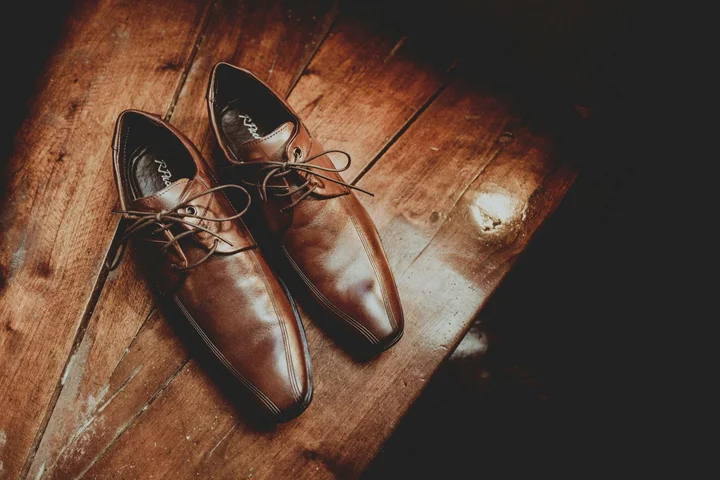
What specific care tips does Saddleback recommend? Their philosophy is simple: use your stuff. They don’t believe in babying their leather. Scratches, scuffs, and a developing patina are part of the story.
My husband Roger has a Saddleback satchel he’s carried for years. It looks better now, all darkened and rich, than it did the day he got it. That’s the goal.
Their Recommended Routine
Saddleback suggests a basic, infrequent conditioning. They sell their own leather conditioner, but any quality product like Chamberlain’s Leather Milk or Obernauf’s Heavy Duty LP will work.
The process is dead simple.
- Clean the leather with a slightly damp, soft cloth to remove surface dirt.
- Let it dry completely.
- Apply a tiny amount of conditioner to another soft cloth.
- Rub it into the leather in a circular motion, covering the entire piece evenly.
- Let it soak in for a few hours, then buff off any excess with a clean, dry cloth.
You only need to do this once or twice a year, unless the leather looks extremely dry or you’ve just treated a stain.
Treating Stains on Porous Leather
This full-grain, unfinished leather is thirsty. A grease splash from a cooking pan or a dribble of bacon fat will soak right in.
Panic is your first enemy. My mom, Martha, taught me that. Blotting immediately is your best friend.
For Stains on Saddleback-Style Leather
For a fresh grease or oil stain, follow this guide.
- Blot, don’t rub. Use a clean, absorbent cloth or paper towel to soak up every bit of excess grease you can.
- Apply a dry absorbent. Generously cover the stain with plain cornstarch or baking soda. This is the same trick I use on greasy driveway spills.
- Let it work. Leave the powder on the stain for at least 12 hours, or overnight. It will draw the oil up and out of the leather.
- Brush it off. Use a soft-bristled brush, like a horsehair shoe brush, to remove all the powder.
- Condition the spot. The absorbed oil took some of the leather’s natural moisture with it. Apply a light coat of leather conditioner just to that area to replenish it and blend the look.
The stain will likely lighten but may not vanish completely, becoming part of the leather’s unique character. That’s the Saddleback way. In vintage leather restoration, stain removal is balanced with preserving patina, keeping the piece’s history intact. This approach respects the leather’s character while addressing wear.
Coach Leather Care: Protecting the Polished Finish
What specific care tips does Coach recommend? Their approach is the opposite of Saddleback’s. Coach leathers often have a smooth, coated finish that needs protection to stay pristine.
Think of my aunt Jessica’s favorite wine-tote bag. It’s sleek and shiny, not meant to develop a rugged patina. You want to preserve that polished look.
Guarding the Gloss
Coach sells branded leather cleaners and moisturizers. They’re formulated to be safe for their specific finishes. Using them is a good way to avoid accidentally damaging the coating.
The key is a gentle, even application. Always test any product, even Coach’s own, on a hidden area like an inside seam first.
- Use a soft, lint-free cloth (microfiber is perfect).
- Apply the cleaner sparingly.
- Wipe in one direction with light pressure to avoid streaking.
- Follow with the conditioner to keep the leather supple and prevent the coating from cracking.
This regular cleaning prevents dirt from grinding into the finish, which is the main cause of long-term damage on coated bags.
Handling Common Mishaps
Ink from a leaking pen or the drying alcohol in hand sanitizer are big threats to a coated finish. They can strip the polish and leave a permanent, dull spot.
Speed matters. The faster you address it, the better your chances.
For Stains on Coach-Style Leather
For an ink stain, this careful method can work.
- The Test is Non-Negotiable. Dip a cotton swab in 99% isopropyl alcohol. Dab it on an invisible spot and wait 60 seconds. Look for color transfer or finish damage.
- If the test spot is okay, proceed with caution. Use a fresh swab lightly dampened with alcohol.
- Dab, never rub. Gently tap the center of the ink stain. You’ll see the ink start to lift onto the swab.
- Use a clean part of the swab frequently. Stop before you saturate the leather.
- Condition immediately. Once the area is dry, apply a leather conditioner to the spot to restore moisture.
This method is a calculated risk for a polished finish, but it’s often the only thing that touches ink. For hand sanitizer or other alcohol-based spills, blotting with water and conditioning the area is your safest first move.
Dr. Martens Boot Care: Maintaining the Tough Shine
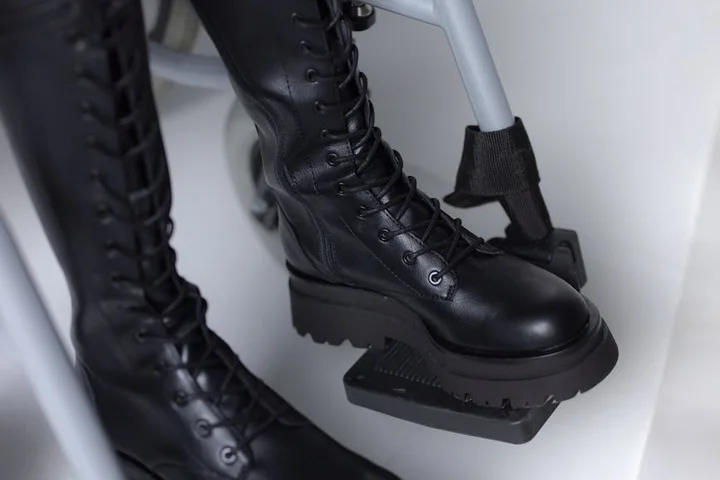
Dr. Martens have a cult following for a reason. They’re built to last. Their care advice is just as straightforward as their boots.
They are very specific about using their own Wonder Balsam. It’s a blend of lanolin, beeswax, and coconut oil designed for their leather.
The routine is simple. Clean off any dirt with a damp cloth. Let the boots dry completely away from direct heat. Then, apply the balsam with a soft cloth in a circular motion. Let it soak in for 15-20 minutes. Finally, buff with a brush or cloth to bring up that signature tough shine.
Breaking Them In and Finishing Touches
Breaking in Docs is a rite of passage. Conditioning with Wonder Balsam from the start helps soften the leather and prevent deep, painful creases.
If you have the “greasy” finish, it already has a waxy coating. Just use the balsam. For the classic “smooth” leather, you can use a color-matched polish after balsaming for a higher shine. Never use polish on greasy or patent leathers.
For Stains on Dr. Martens Boots
My son Jason’s soccer games turn his boots into mud cakes. For mud, I let it dry completely, then brush it off vigorously with a boot brush. A slightly damp cloth wipes away the rest. Always condition after.
Winter salt stains are a silent killer. They suck the moisture right out of the leather. As soon as you can, wipe the boots down with a 50/50 mix of white vinegar and cool water. The mild acidity neutralizes the salt. This salt-stain removal method works well on leather boots like UGGs. It’s a simple, repeatable step you can apply whenever salt hits the leather. Let them air dry, then apply a generous layer of balsam to rehydrate the leather.
The Common Thread: Care All These Brands Agree On

Whether it’s a Saddleback briefcase, a Coach purse, or my everyday Docs, the foundational rules are identical. All leather needs three things: consistent conditioning, proper drying, and smart storage.
Conditioning isn’t a maybe. It’s mandatory. It replaces the natural oils lost to sun, friction, and life. Proper drying means never using a hairdryer or radiator. Let items dry slowly at room temperature.
Conditioning: The Non-Negotiable Step
How often? I don’t go by a calendar. I go by feel and routine. Condition a new item right away. Then, condition after any deep clean, like treating a salt stain. Before you pack something away for a season, give it a conditioning session.
Your leather will tell you when it’s thirsty. Look for a faded color, a dry, chalky feel, or new stiffness in flexible areas. The process is always the same.
- Clean the surface with a barely damp cloth.
- Apply a thin, even layer of your brand-approved conditioner with a soft cloth.
- Let it absorb fully. This can take hours.
- Buff off any excess with a clean, dry cloth to prevent a greasy feel.
Smart Storage to Avoid Future Stains
This is where Aunt Jessica’s vintage Coach bag got a mildew spot. She stored it in a plastic bin. Plastic traps moisture. Leather needs to breathe.
Always store leather in a cool, dry place away from direct sunlight, which dries and fades it. Use a breathable cotton pillowcase or cloth bag, not plastic. For bags and boots, stuff them with acid-free tissue paper or a clean cotton t-shirt to hold their shape and absorb ambient moisture.
This simple step prevents creases, dust buildup, and musty odors.
When Home Care Isn’t Enough: Troubleshooting Set-In Stains
You blotted and cleaned, but that stain is still there. I get it. My son Jason’s soccer bag gets ground-in dirt that laughs at a simple wipe.
Set-in stains need a calm, methodical touch. Rushing can grind the stain deeper or strip the leather’s natural oils, especially when trying to remove stains from leather bags or purses.
Brands like Saddleback, Coach, and Dr. Martens use very different leathers. A method that works on one can harm another. Let’s compare how to handle a tricky dye transfer stain from jeans.
| Brand | Leather Type | Care Approach for Dye Transfer |
|---|---|---|
| Saddleback | Full-grain, oil-finished | Dampen a microfiber cloth with distilled water and wipe gently. The oiled surface often resists stains. For a stubborn mark, use a tiny drop of pH-neutral cleaner. |
| Coach | Coated or finished | The protective coating is your friend. Use a cleaner made for coated leathers with a soft cloth. I’ve seen this work on my aunt Jessica’s light-colored purses. |
| Dr. Martens | Smooth, coated boot leather | Start with a soft brush to break up the surface dye. Follow with a damp cloth. My husband Roger’s boots get these stains, and this gentle abrasion usually does the trick. |
The key is to match your method to the leather’s finish: gentle moisture for oily hides, specialized cleaner for coatings, and light brushing for tough boot surfaces.
Before you tackle any stain, gather your basics. You only need a few simple, non-branded items for effective leather care. For prevention, the leather stain proofing guide offers quick, actionable steps you can follow with these basics.
Your Leather Care Toolkit
This isn’t a fancy list. These are the workhorses I keep under my sink for everything from bags to car seats.
- Microfiber cloths: They grab dirt without leaving scratches or lint behind.
- Distilled water: Tap water can leave a dull mineral film. Distilled water avoids that.
- pH-neutral leather cleaner: This safely lifts grime without harsh chemicals that dry out the hide.
- Leather conditioner (cream or balm): Think of it as lotion for your leather. It replaces oils and prevents cracking.
- A soft horsehair brush: Perfect for scuffs on boots or lifting dust from bag crevices.
With these five items, you can handle 90% of leather care and minor stain issues safely at home.
Knowing When to Call for Backup
Some damage is beyond a DIY fix. Calling a professional leather cleaner is the right move for deep, set-in dye transfer that you can’t lighten, large areas of mold with a musty smell, or cracks where the color pigment is completely lost.
They have tools and dyes we don’t. My aunt Jessica spilled red wine on her light-colored bag. We got most of it, but a faint pink shadow remained. That’s when she took it to a specialist.
Sometimes, the smartest move is to recognize when a stain needs an expert’s hand to save your favorite piece.
FAQ about Leather Stain Care for Saddleback, Coach, and Dr. Martens
What’s the universal first step for any fresh leather stain?
Blot the spill immediately with a clean, dry microfiber cloth to absorb liquid and prevent it from soaking in. Never rub, as this can push the stain deeper into the leather’s surface. If a watermark remains, you can explore how to remove water stains leather with proper techniques.
Can I use household items like vinegar or alcohol on leather stains?
For general cleaning, a drop of mild dish soap in distilled water is safe for most leathers. Use isopropyl alcohol only for ink stains on tested, coated finishes, as it can strip polishes and dry out the leather.
How should I handle a grease stain on my Saddleback leather without special products?
Cover the stain with cornstarch or baking soda overnight to draw out the oil, then brush it off. Condition the spot lightly afterward to prevent dryness and blend the appearance.
What’s the safest method to remove pen ink from a Coach bag?
After testing on a hidden area, dab the ink gently with a cotton swab lightly dampened with 99% isopropyl alcohol. Immediately apply a leather conditioner to the spot to restore moisture and protect the finish. This method is particularly useful for removing ballpoint, gel, or permanent ink stains on leather.
How can I prevent salt stains on my Dr. Martens boots during winter?
Wipe boots down with a 50/50 mix of white vinegar and cool water after salt exposure to neutralize residues. Always follow up with a conditioner like Wonder Balsam to rehydrate the leather and maintain its shine. Treated properly, the leather retains its durability and softness even after exposure to stains and salts.
Protecting Your Leather for Years to Come
Your most reliable step is to follow the specific guidance from your bag or boot’s maker, as materials like Saddleback’s oil-tanned leather or Coach’s glovetanned calfskin have unique needs. I keep my family’s gear, from Roger’s work belts to Jason’s scuffed soccer cleats, in top shape by using a gentle, brand-recommended conditioner as my first line of defense. Find more trusted, step-by-step care methods by following along on the Stain Wiki blog.
Written by Suzanne Rosi Beringer. Suzanne is an accomplished chemist, laundry expert and proud mom. She knows the science and chemistry of stains and has personally deal with all kinds of stains such as oil, grease, food and others. She brings her chemistry knowledge and degree expertise to explain and decode the science of stain removal, along with her decades long experience of stain removal. She has tried almost everything and is an expert on professional and DIY stain removal from clothes, fabric, carpet, leather and any other items dearest to you.