How Do You Clean Oil and Acrylic Paint from Artist Brushes?
Worried those paint-clogged brushes are ruined? You can almost always save them by using water for acrylics and a solvent like mineral spirits for oils, followed by a gentle soap wash.
In this article, I’ll share my proven cleanup routine. We’ll cover:
- Why oil and acrylic paint require completely different cleaning approaches.
- The specific, non-toxic products I reach for first in my own kit.
- A clear, step-by-step process for each type of paint.
- How to rescue brushes with dried or hardened paint.
- Simple habits to keep your brushes soft and ready for the next project.
I’ve perfected these methods cleaning up after everything from my daughter Jessica’s finger-painting to my own home touch-ups.
Your First Move: What to Do Before the Paint Dries
Treating wet paint is a simple wipe-up. Dealing with dried paint is a chemistry project. Your success depends entirely on which one you face, especially when trying to remove paint from fabric or clothing.
When your painting session ends, act fast. Your two universal steps apply to any paint.
- Wipe off every bit of excess paint onto an old newspaper or paper towel. Get as much off the bristles as you can before you even think about cleaning.
- Never, ever let a brush sit paint-side down in a cup of water or solvent. The bristles will bend permanently. I learned this the hard way finding a nice brush my husband Roger left in a turpentine cup after a hunting gear touch-up. The brush was a lost cause.
The golden rule here is simple: oil paint needs a solvent, and acrylic paint needs lots of water-but only while it’s still wet. Once acrylic dries, it becomes plastic, and you need a different approach.
How Do You Clean Oil Paint from Brushes? (A Step-by-Step Rescue)
Cleaning oil paint is like treating a deep, greasy stain on a delicate fabric. You need to dissolve the oil without harming the fibers-in this case, the bristles.
The Oil Paint Cleaning Toolkit
You don’t need fancy products. You need the right ones. Here’s what I keep in my cleaning caddy for this job.
- Odorless Mineral Spirits or a Citrus-Based Cleaner: This is your solvent. I prefer odorless mineral spirits for its effectiveness. Citrus cleaners are a great, less-smelly alternative, especially if you’re working near living areas.
- An Old Glass Jar: A pasta sauce jar is perfect. You’ll swirl your brushes in the solvent, and you never want to pour used solvent down your drain.
- Paper Towels or Clean Rags: For wiping away the dissolved paint at each stage.
- Gentle Dish Soap (like Dawn): After the solvent, you must wash the chemical residue away. Dawn is my go-to because it’s designed to cut oils.
- Disposable Gloves: Protect your skin. I always wear them when handling solvents.
The Step-by-Step Washing Process
Work in a well-ventilated area. Open a window or work outside. This is non-negotiable for safety.
- Pour about an inch of your solvent into the old jar.
- Swirl the brush bristles in the solvent gently. Press them against the side of the jar to work the fluid through.
- Pull the brush out and wipe the bristles thoroughly on a paper towel. You’ll see the paint transfer.
- Repeat the swirl-and-wipe process until the paper towel shows little to no color.
- Now, wash the brush with warm water and a drop of dish soap. Lather it up in your palm just like you’re shampooing hair.
- Rinse under warm water until it runs completely clear.
- Gently reshape the bristles with your fingers and let the brush air-dry horizontally or hanging bristle-down.
After the final rinse, condition the bristles with one drop of hair conditioner or a dedicated brush restorer worked in and left on. This replaces natural oils and keeps the bristles soft and springy for next time.
Chemistry Corner: Why Solvents Work on Oil Paint
Think of oil paint as a grease stain that hardens. The pigment is suspended in drying oils, like linseed oil.
Water can’t break into those oil bonds. A solvent can. It surrounds and dissolves the oil molecules, turning the hardened paint back into a liquid you can wipe away. For tar on car paint, a dedicated tar-oil remover uses that same principle to lift the stain without damaging the finish. This lets you wipe away the tar and restore the shine.
The solvent targets the oily “glue” without damaging the bristle fibers, much like how a specific stain remover targets wine without hurting your cotton shirt.
How Do You Clean Acrylic Paint from Brushes? (Quick Water-Based Cleanup)
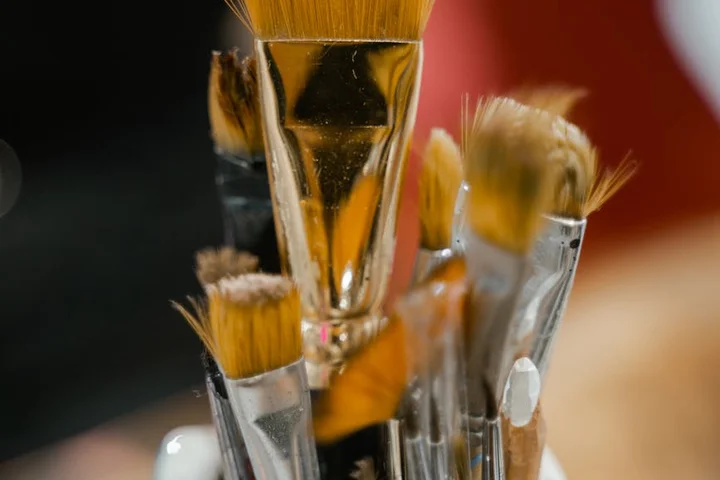
Think of this as the easier, but much more urgent, cousin to oil paint cleanup. Acrylic paint is water-based, so it cleans up with water, but only while it’s wet. The clock starts ticking the moment you put the brush down.
What You Will Need for Acrylics
You don’t need fancy products. Speed is your best tool. I keep this kit ready whenever my son Jason starts a poster project.
- Warm water (not hot, to protect the brush glue)
- Two small containers (old jars or cups work)
- Mild dish soap (like Dawn)
- A few paper towels or a clean rag
Gathering these simple items before you paint makes the cleanup process fast and foolproof.
Materials and Steps for Cleaning Acrylic Paint from Brushes
Follow this “swish, rinse, repeat” method. I use it every time Jessica, my three-year-old, decides the dining table is her canvas.
- Fill one container with warm, soapy water. Fill the second with clean warm water for rinsing.
- Swirl the brush vigorously in the soapy water. Press the bristles against the bottom to work the paint loose.
- Rinse thoroughly in the clean water. Look for clear rinse water to know the paint is gone.
- Repeat steps 2 and 3 until no more color bleeds from the brush.
Can you wash paint brushes in the sink? For small amounts of watery paint, yes. For thicker paint, wipe most of it onto a paper towel first. Never rinse large, goopy globs down the drain, as they will harden and cause clogs.
A great tip is to use a brush cleaning pad or even the palm of your hand. Gently massage the bristles near the metal ferrule (the collar) to dislodge paint hiding in the bristles.
Surface Compatibility: Natural vs. Synthetic Bristles
The water and soap method is safe for all brush types. But they handle moisture differently. My mom Martha taught me this years ago.
| Bristle Type | Reaction to Water Cleaning |
|---|---|
| Natural (e.g., Hog Bristle) | Safe for cleaning, but avoid leaving soaked for hours. Prolonged water can loosen the ferrule and damage the hair. |
| Synthetic (e.g., Nylon, Polyester) | Very resilient. These can handle longer contact with water and soap without degrading. |
For both types, always reshape the bristles and lay the brush flat to dry after cleaning.
The Dreaded Dried Paint: How Do You Get Dried Paint Out of Brushes?
We’ve all been there. You get distracted, and the brush turns into a tiny, colorful rock. Don’t panic. Take a deep breath and follow a methodical approach. The strategy is totally different for acrylic versus oil.
Rescuing a Brush with Dried Acrylic Paint
Acrylic paint dries into a plastic-like film. You need a solvent to soften it. I keep a bottle of brush cleaner for this exact crisis—when it comes to any kind of paint-based stain, especially on washable fabrics.
- Pour a dedicated brush cleaner (like Masters Brush Cleaner) into a jar, or use isopropyl alcohol (rubbing alcohol).
- Submerge the bristles. Let it soak for an hour or even overnight for stubborn paint.
- Use an old comb or your fingers to gently work the softened gunk out of the bristles.
- Wash with warm soapy water as described above to remove all solvent residue.
Set realistic expectations. If the acrylic is completely rock-hard, the brush might be a lost cause. I sacrificed a perfectly good brush to a dried-up glitter acrylic masterpiece Jessica left in the sun last summer. Sometimes, you just have to let it go.
Rescuing a Brush with Dried Oil Paint
Oil paint needs a different, more patient approach. My husband Roger uses similar solvents for his outdoor gear, so we always have odorless mineral spirits on hand. From time to time the studio picks up lingering paint odors. We search for simple ways to remove paint perfume odors.
- Use a well-ventilated area. Pour odorless mineral spirits into a small, lidded jar.
- Submerge the bristles. For a deep clean, use a “brush cage” or suspend the brush so the bristles don’t touch the bottom.
- Let it soak for 24 hours. The old paint will slowly dissolve into the spirits.
- Remove the brush, wipe off the sludge with a paper towel, and then wash thoroughly with soap and water.
Be very careful with solvent choice. Never use harsh solvents like acetone or paint thinner on natural bristle brushes, as they can dissolve the natural oils and destroy the hair, making it brittle and useless. Stick to gentle, odorless mineral spirits for this job.
Can You Clean Paint from Brushes Without Specialized Cleaners?
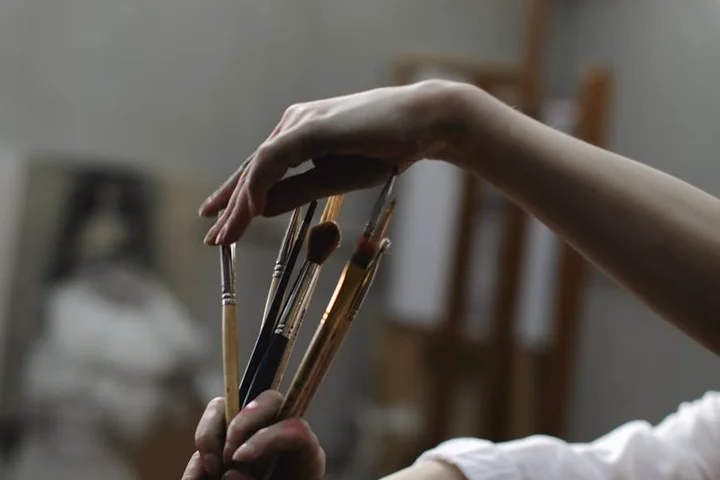
You absolutely can. I keep a bottle of professional brush cleaner in my laundry room for truly dire messes, but most of the time, my kitchen supplies get the job done.
This is about using what you already have. Let’s look at solutions for each paint type.
DIY Alternatives for Oil Paint
Oil paint is just that-paint suspended in oil. To clean it, you need another oil to break that bond first.
My go-to method uses canola or vegetable oil, followed by dish soap.
- Pour a small amount of cheap vegetable oil into a jar or old mug. Swirl your brush in it, working the oil into the bristles against the bottom. You’ll see the paint start to dissolve and mix with the oil.
- Wipe off the oily, paint-laden gunk on a stack of paper towels or a rag you don’t mind staining.
- Now, wash the brush with warm water and a generous dab of dish soap. The soap is a degreaser, so it cuts through the vegetable oil you just used. Lather it up well in your palm.
- Rinse thoroughly. Repeat the oil and soap steps if paint still appears.
The science is simple: oil dissolves oil, and then soap washes that oil away. I used this trick after my husband Roger’s hunting gear painting project, and it saved his favorite brush from becoming a crusty relic.
For lighter oil stains or fresh smears, rubbing alcohol (isopropyl alcohol, 70% or higher) works well. Soak the bristle tips for a few minutes, then wash with soap and water. It acts as a solvent to break down the paint, similar to how you would treat grease or ink stains.
DIY Alternatives for Acrylic Paint
Acrylic paint is water-based when wet, but it turns into a plastic when dry. Speed is your best friend here.
Can you use dish soap to clean paint brushes? Yes, emphatically. Warm, soapy water is your primary weapon against wet acrylics.
I keep a jar of soapy water next to my kids when they paint. The moment they finish a color, the brush goes in for a quick swirl. This prevents the paint from setting up in the first place.
For paint that has started to dry or left little crusty bits in the ferrule, use white vinegar. Soak the bristles in full-strength vinegar for 15-20 minutes. The mild acid helps soften the acrylic polymer.
After soaking, wash again with warm, soapy water. The soap works because acrylic paint, while water-based, often contains binders and pigments that soap’s surfactants can latch onto and lift away.
After the Wash: How to Dry and Store Your Brushes Properly
Cleaning is only half the battle. How you treat your brushes next determines their lifespan and whether you’ll have to clean a ruined brush again. For concrete projects, sticking to a cleaning timeline and using biodegradable cleaners helps protect both the brushes and the surface. A smart brushing routine with eco-friendly cleaners minimizes residue and extends tool life.
The Right Way to Dry Your Brushes
Never, ever leave a washed brush standing upright in a cup. Water seeps down into the ferrule and handle, loosening the glue and rotting the wood.
Here is my simple routine:
- Gently squeeze water from the bristles with your fingers.
- Reshape the bristles to their original point or flat edge.
- Lay the brush flat on a towel, or hang it upside down with the bristles facing down.
A truly clean brush will release no color into the rinse water, and its bristles will spring back softly when pressed. If the bristles stay splayed or feel sticky, it needs another wash.
Simple Storage Solutions for Happy Brushes
You don’t need an expensive studio rack. For my household’s collection, I use a cheap horizontal wire rack meant for spices.
Each brush gets its own slot, lying flat. This keeps the bristles from getting squashed. Another trick from my Aunt Jessica is to roll clean, dry brushes in a hand towel and secure it with a rubber band.
Proper storage protects your investment and prevents the panic of finding a hardened, misshapen brush when inspiration strikes. It’s the final, crucial step in stain prevention for your tools.
FAQ about Cleaning Paint from Brushes
I got acrylic paint on my clothes while cleaning a brush. What’s the first thing I should do?
Act immediately to treat it as a wet stain. Rinse the fabric from the back with cold water to push the paint out, then work in a dab of liquid dish soap before laundering. Never use hot water, as it will set the paint into a permanent plastic stain. If you’re dealing with acrylic paint on clothing fabric, use these steps to remove acrylic paint stains before laundering.
What’s a safe, immediate alternative if I run out of mineral spirits for oil paint?
Use common vegetable oil from your kitchen to dissolve the oil paint first. Wipe away the oily sludge, then thoroughly wash the brush with warm, soapy dish detergent to cut the grease and remove all residue. That same approach can help with grease or oil stains on hands after cleanup. For hands, rub a small amount of kitchen oil into the stained skin, then wash with warm, soapy dish detergent to remove grease from hands.
My brush is clean but the bristles are still stiff and splayed. Can I fix this?
This usually means leftover paint or soap residue near the ferrule. Soak the bristle tips in the appropriate cleaner (water/soap for acrylics, mineral spirits for oils), then gently comb them clean. After washing, condition the bristles with a tiny drop of hair conditioner and reshape them to dry.
Does cleaning method differ between a cheap synthetic brush and an expensive natural-hair one?
The core process is the same, but be gentler with natural bristles. Avoid harsh solvents like acetone, and never let a natural-hair brush soak in water for hours, as this can loosen the ferrule and damage the bristles.
How can I quickly clean a brush when switching between two acrylic colors?
Keep a jar of water and a rag handy during your project. Swirl and wipe the brush vigorously in the water, then blot it dry on the rag before dipping into the new color. This prevents colors from muddying and stops paint from drying in the bristles.
Your Brushes Deserve a Good Clean
Always clean your brushes right after painting-this stops acrylics from setting like glue and oils from turning into a sticky mess. I keep a jar of mineral spirits for oils and a sink of soapy water for acrylics handy every time my kids, Jason and Jessica, dive into art projects. For more straightforward tips that work in a busy home, follow along on Stain Wiki.
Written by Suzanne Rosi Beringer. Suzanne is an accomplished chemist, laundry expert and proud mom. She knows the science and chemistry of stains and has personally deal with all kinds of stains such as oil, grease, food and others. She brings her chemistry knowledge and degree expertise to explain and decode the science of stain removal, along with her decades long experience of stain removal. She has tried almost everything and is an expert on professional and DIY stain removal from clothes, fabric, carpet, leather and any other items dearest to you.