How to Remove Pet Hair from Laundry and Clothes: Effective Methods for Cat and Dog Hair
Is your favorite sweater always covered in a layer of fur? Start by running the dry item in the dryer for 10 minutes with a dryer sheet or a damp microfiber cloth to loosen and capture the hair.
This article will give you my full battle plan, from pre-treating with household tools and mastering your washer’s settings to optimizing the dryer cycle and keeping hair off clothes between washes.
I’ve tested every method here while managing the constant shed from my golden Labrador, Peeta, and my kids’ messy adventures.
Your First Line of Defense: Removing Hair Before the Wash
How do you remove pet hair from laundry before washing? You stop it from getting that far.
I make this the first rule in our house. If you skip this step, you’re just washing the hair into the weave of your clothes.
Tackling hair before the wash saves your machine’s filter and gives you a fighting chance for a clean load.
The Dry Attack: Tools for Immediate Pick-Up
For a fast, dry clean-up, you have a few great options. I keep them all in a basket by the laundry room.
- Lint Rollers: The classic choice. The sticky sheets grab hair instantly. I keep a heavy-duty one by the back door for Jason’s soccer jerseys after he wrestles with Peeta.
- Duct Tape: Wrap a piece around your hand, sticky side out. It’s a cheap, powerful lint roller substitute in a pinch.
- Pet Hair Remover Tools: These rubber-bristled brushes or mitts use static and friction to lift hair. They work very well on furniture, too.
A surprising pro tip: a pumice stone works wonders on sturdy fabrics like denim or cotton blankets.
Gently rub the stone over the fabric. The porous surface grabs and rolls the hair right up. Don’t use it on anything delicate or knitted.
For prevention, run a dryer sheet over clothes before they hit the hamper. It cuts the static that makes hair cling.
The Damp Method: When Hair is Embedded
Sometimes, hair is wound so tight a dry tool can’t budge it. That’s when a little moisture helps.
Put on a clean rubber dish glove or use a slightly damp cellulose sponge. Wipe it firmly over the fabric in one direction.
The damp surface creates just enough tackiness to pull embedded hairs free. It works better than dry tools on materials like fleece or tightly woven couch cushions.
Remember, you only need a light mist of water or a barely-damp glove.
Soaking the item can set other stains or damage delicate fibers. A light touch is key.
Post-Wash Cleanup: When Hair Stays Put After Drying
We’ve all been there. You pull a load from the dryer, and it’s still fuzzy. How do you remove pet hair from clothes after washing when this happens? Often, it’s due to static in the fabrics that makes the hair cling stubbornly.
Don’t panic. You have a good second shot at it.
First, try a rubber glove or a fresh lint roller directly on the dry clothes. Often, the wash loosens the hair, making it easier to pick off now.
If hair remains after a cycle, the washer or dryer might have redistributed it instead of removing it.
My daughter Jessica’s favorite stuffed bunny taught me this. It went in gray and came out looking like a gray and white husky. The hair from other items just moved house.
The Dryer Trick: A Second Chance
Your dryer is your best ally for a post-wash redo. This is often the secret to how to get dog hair out in the wash when the first try fails.
Place the hairy item back in the dryer. Add two or three clean, dry towels. For even better results, lightly dampen one towel with water.
Run the dryer on an air fluff or no-heat cycle for 15-20 minutes. The towels will help agitate and catch the loose hair.
Adding a dryer sheet or a few wool dryer balls can also reduce static and help hair release from the fabric.
Always clean the lint trap thoroughly both before and after this cycle.
You’ll be shocked at how much hair it catches the second time around. It makes all the difference.
Machine Maintenance: Keeping Your Washer and Dryer Hair-Free
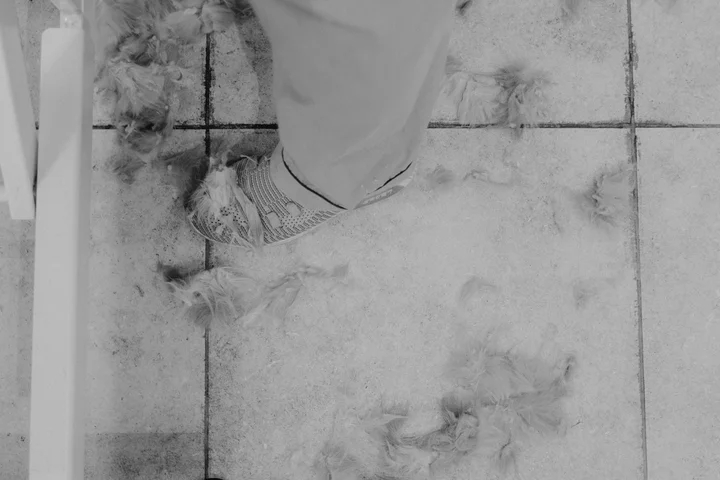
I get this question a lot. How do you remove pet hair from a washing machine? How about from a dryer? Left unchecked, all that fur doesn’t just disappear. It clogs filters and coats the drum. Your next load of dark clothes can come out covered in your lab’s blonde hair. My mom Martha taught me a monthly cleaning habit that saves me from this.
Pet hair, especially from my dog Peeta, can wrap around the washer’s agitator or clog the drain pump. In the dryer, it mixes with lint, creating a thick mat that blocks airflow. This makes your machines work harder and wear out faster.
A simple monthly routine keeps your appliances running smoothly and your laundry cleaner.
Here is the system I use, broken down by machine.
Washing Machine Care
To get dog hair out of a washing machine, you need to break the static cling. I use a two-part method. First, I run a hot empty cycle with two cups of white vinegar. The vinegar cuts through the greasy film that traps hair.
- Set your washer to the hottest and largest load setting.
- Add two cups of plain white vinegar to the drum. Do not add detergent.
- Start the cycle. Let it complete.
After the cycle, I open the door and wipe the rubber gasket and the entire drum with a damp microfiber cloth. You’ll be amazed at the hair wad you pull out.
Checking and cleaning the pump filter is the most important step many people miss.
If your front-load machine has a small access panel, consult your manual. My washer’s filter was packed with a soggy hairball after a month of washing Peeta’s blankets. Cleaning it improved drainage instantly.
Dryer Care
Dryer care is non-negotiable for safety. You must clean the lint trap after every single load. A clogged trap is a major fire hazard. It also forces the dryer to run longer, wasting energy. Additionally, ensure to regularly check and clean the dryer vent for any obstructions.
I make my kids, Jason and Jessica, check the trap as part of putting their clothes away. It’s a good habit.
A clean lint trap is your first defense against dryer fires and inefficiency.
For hair that sticks to the drum, wait for it to cool. Then, wipe it down with a damp cloth. The moisture removes hair held by static. This stops it from transferring to your next load of towels.
Special Fabric Care: Blankets, Bedding, and Delicates
Removing pet hair from delicate fabrics or a favorite blanket needs a softer touch. The methods for a cotton tee can ruin a silk scarf. I always test a new method on a hidden seam or corner first. Aunt Jessica learned this the hard way with a wine-stained blouse.
Let’s tackle heavy items like blankets, then move to delicates.
For Heavy Blankets and Bedding
If you’re wondering how to get dog hair out of a blanket efficiently, don’t wash it first. Use your dryer. This trick works for cat hair on blankets too.
- Shake the blanket outside to loosen any loose hair.
- Place the dry blanket in the dryer with two or three clean, dry towels.
- Add a couple of dryer balls or clean tennis balls.
- Run on a no-heat or air-fluff cycle for 10-15 minutes.
The towels and balls act as beaters, knocking the hair loose. The lint trap will catch most of it. After this, you can wash as normal. Adding half a cup of white vinegar to the rinse cycle helps reduce static so less hair re-clings.
For Delicate Fabrics
For silks, lace, or thin knits, force is the enemy. I use gentle, manual methods.
Lay the garment flat. For a silk blouse, I gently roll a wide strip of packing tape, sticky side out, around my hand. I pat and lift the hair away. It’s slow but safe.
A soft-bristle clothing brush is my go-to for wool sweaters, using light, one-way strokes.
Never use harsh chemicals or rub vigorously. This can distort delicate fibers and set stains. My mother-in-law Brianna once used a strong cleaner on a lace tablecloth and the fabric stiffened. We had to re-wash it gently to soften it.
Surface Compatibility: Choosing the Right Tool
Not every tool works on every surface. Here is a quick guide I reference when dealing with hair on different fabrics in my home.
| Surface | Best Method | Notes |
|---|---|---|
| Clothing | Dryer (air fluff), Rubber gloves, Lint roller | Damp rubber gloves work wonders on a pile of jeans. |
| Blankets | Dryer method first, then wash | Essential for how to get cat hair out of fluffy throws. |
| Upholstery | Damp rubber gloves, Vacuum with upholstery tool | Gloves grab hair from couch crevices better than anything. |
| Carpet | Vacuum with a beater bar/brush roll | My carpet shampooer’s hose attachment is also great for stairs. |
Remember, hard surfaces like floors need a broom or vacuum, not these fabric methods. I keep a rubber broom in the mudroom for Peeta’s main traffic areas.
Beyond Clothing: Upholstery, Furniture, and More
Pet hair loves more than just your black trousers. Your couch, car seats, and carpets are prime targets. This moves us from a laundry issue to a full home and car care mission.
The most common question I get here is how to remove pet hair from upholstery and furniture without damaging the fabric. The golden rule is always to check the manufacturer’s tag first, especially when removing hair product stains from fabrics.
You’ll find a cleaning code, usually a letter, inside a little square. A ‘W’ means water-based cleaners are safe. An ‘S’ means you need a solvent-based dry cleaning product. A ‘W/S’ means either is okay. If you see an ‘X’, only vacuum or brush it.
My methods for couches and car interiors are pretty similar. They all rely on friction to grab and lift the hair. For carpets, a good vacuum with a motorized brush roll is your best friend. It’s the same principle I use on my area rugs after Peeta has a good shake.
Let me tell you about my last big clean. Roger took Peeta and a friend’s dog hunting in South Texas. When they got back, my car’s back seat was a masterpiece of mud, leaves, and enough golden retriever hair to knit a small sweater. It was a perfect test for my tools.
Fabric Furniture and Car Interiors
You don’t always need a fancy gadget. Sometimes the best tools are already in your home.
- A window squeegee is magic on tight-weave fabrics like car upholstery or microfiber couches. Spray a tiny bit of water on the fabric to create light moisture, then pull the squeegee firmly across the surface. It rolls the hair into satisfying, easy-to-pick-up clumps.
- A damp rubber glove works on the same principle. Dampen a latex or nitrile cleaning glove and run your hand over the fabric. The hair balls up against the rubber. This is my go-to for quick cleanups on the living room chairs.
- Your vacuum’s upholstery attachment is a classic for good reason. For embedded hair, use the brush attachment first to agitate and loosen it, then follow with the crevice tool to suck it all away.
For car seats, I always start with a dedicated pet hair removal brush. I keep one in my garage. The rubberized bristles grab and lift the hair from the deep grooves of the seat fabric. I brush everything onto the floor mats, then vacuum the entire interior. Doing it in this order saves your vacuum filter from clogging immediately—especially when you remove pet hair from car interiors.
Stop the Cycle: Preventing Pet Hair on Clothes and Fabrics
Removing hair is one battle. Preventing it from sticking in the first place is the long-term strategy. This is about changing a few habits, not about loving your pet any less.
Regular grooming is the single most effective thing you can do. More hair in the brush means less hair on your couch and, consequently, your clothes. I brush Peeta on the back porch. The breeze takes most of it away, and what’s left becomes nesting material for the birds. It’s a win-win.
Furniture covers are a lifesaver. I have a few machine-washable throws on the spots where the dogs and kids always sit. When guests come over, I just whisk them into the wash. They protect the fabric underneath and are much easier to clean than a whole couch.
Always wash your pet’s bedding, blankets, and toys separately from your human laundry. I made this mistake once, washing Peeta’s fuzzy bed with a load of dark towels. The towels came out looking like they were made of golden retriever. The hair transfer was incredible. Now, pet items get their own dedicated wash cycle.
My Aunt Jessica, who lives in Arizona and has two cats that shed like tumbleweeds, gave me a great tip for clothes storage. She stores off-season clothes in sealed plastic containers, not fabric garment bags. This keeps them completely hair-free until she’s ready to wear them again. It’s a simple shift that makes a huge difference.
Grooming and Household Habits
Take that brushing routine seriously. Even five minutes a day outside can cut down on the indoor hair tumbleweeds by half. For cats, a gentle grooming glove during cuddle time can collect a surprising amount of fur.
Think about your fabrics. In a pet-friendly home, some materials are just easier. Tightly woven synthetics like nylon or polyester tend to attract less hair than loose knits or fuzzy fabrics like fleece or corduroy. When you’re buying a new throw pillow or a cozy blanket, the fabric choice can save you daily clean-up.
Laundry Hacks for Prevention
Your washing machine can be part of your prevention plan. Adding a cup of white vinegar to the rinse cycle acts as a natural fabric softener and reduces static cling. Since static is what makes hair leap onto your clothes, less static means less hair.
Be cautious with commercial fabric softeners and dryer sheets. Sometimes, overusing them can leave a slight residue on fibers. This sticky film can actually trap hair and dust instead of repelling it. If you notice your clothes seem to attract more lint and hair after softening, try skipping it for a few loads and see if it helps. You might also want to properly clean to remove any chemical residues from your clothing.
FAQ About Removing Pet Hair from Laundry
1. What should I do immediately if I pull a hairy item from the washer or dryer?
First, clean the lint trap, then run the item again on a no-heat cycle with clean, dry towels. This agitates the fabric again so the towels can catch the loosened hair. The same idea applies to removing lint from clothes, upholstery, and dryers. A quick, regular lint-clean routine helps both fabrics and the machine run more efficiently.
2. My washer still has hair after a clean cycle. What’s the most important part to check?
Check and clean your washing machine’s drain pump filter, as outlined in your manual. A clogged filter is often the hidden culprit that recirculates hair during a wash.
3. What’s a safe, quick way to remove hair from a delicate wool sweater?
Lay the sweater flat and use a soft-bristle clothing brush, brushing lightly in one direction. Avoid sticky lint rollers on delicate knits, as they can snag and pull the fibers. For wool and cashmere, this gentle brushing helps remove wrinkles, and the next steps cover a quick wrinkle-removal method tailored to those fabrics.
4. How can I quickly get hair off my couch or car seats without a vacuum?
Lightly dampen a rubber cleaning glove or a window squeegee and pull it across the fabric. The friction will roll the hair into easy-to-pick-up clumps without any chemicals.
5. What’s one daily habit to prevent hair from sticking to my clothes?
Run a used dryer sheet over your clothes before putting them in the hamper. This simple step cuts the static charge that makes pet hair cling in the first place.
Making Pet Hair Removal Part of Your Routine
After countless loads of laundry with fur from Peeta and visiting pets, I know that the best advice is to tackle hair before it ever hits the washer. Stopping hair at the door, literally, by grooming your pet and using sticky tools on fabrics, saves you from a frustrating laundry cycle, especially when trying to remove burrs from pet fur on clothing. I share all my real-life tests and gentle methods on Stain Wiki, so follow along for more ways to care for your home and clothes.
Written by Suzanne Rosi Beringer. Suzanne is an accomplished chemist, laundry expert and proud mom. She knows the science and chemistry of stains and has personally deal with all kinds of stains such as oil, grease, food and others. She brings her chemistry knowledge and degree expertise to explain and decode the science of stain removal, along with her decades long experience of stain removal. She has tried almost everything and is an expert on professional and DIY stain removal from clothes, fabric, carpet, leather and any other items dearest to you.