Got a Water Stain on Your Ceiling? Here’s How to Remove and Cover It
That dull brown ring staring down at you is more than an eyesore-it’s a call to action. Follow my step-by-step method to eliminate the stain and ensure it never returns, using supplies you might already have.
In this guide, I’ll cover everything you need:
- Locating the leak source to stop the problem at its root.
- Cleaning the stain safely without damaging your ceiling.
- Applying a quality stain-blocking primer for lasting coverage.
- Painting techniques that blend seamlessly with your existing ceiling.
- Preventive measures to avoid future stains.
I’ve handled everything from my dog Peeta’s muddy paws to ceiling stains from my husband Roger’s hunting gear, so I know what works in real homes.
First, Don’t Panic: Assessing Your Ceiling Water Stain
Take a deep breath. I walked into our living room one morning last year and saw a perfect, light brown map of Texas above the sofa. My heart sank. It was from an epic, splash-filled bath Jason insisted on having the night before.
Your first job is a panic-level assessment. On a scale of 3 to 8, where is your stain? A 3 is a small, old, and completely dry yellow ring. An 8 is a large, dark, spreading blotch that feels cool and damp to the touch.
The ‘Golden Window’ for action is while the area is still damp or has just dried, and you have confirmed the leak is fixed.
You must find and stop the water source within a few days to prevent mold from taking hold.
What That Stain is Telling You
Look at the stain’s story. A small, isolated spot often points to a single event, like Aunt Jessica’s wine glass overflowing onto her bathroom floor above. A large, spreading stain with a central dark point usually means an active leak from a pipe or roof.
A wide, hazy patch in a bathroom might just be condensation.
Applying primer or paint right now is a complete waste of time if water is still getting in.
The stain will bleed right through in a week, looking worse than before.
The Stain Wiki Panic Meter
Use this quick scale to gauge your next move.
- Level 3: Old, dry, and stable. A souvenir from a one-time overflow that’s long since been fixed.
- Level 5: Dry but large and dark. The leak is fixed, but the stain is ugly and needs proper sealing.
- Level 8: Damp, cool, and maybe even growing. You can see or hear the drip. Stop reading and call a plumber or roofer now.
Now, look up. Is your ceiling textured? This changes everything.
Popcorn ceilings and delicate old plaster are fragile. Harsh scrubbing will knock the texture right off. Never use chlorine bleach on these surfaces, as it can damage the material and leave a worse stain.
Also, never mix cleaning chemicals.
To find the source, be a detective. Look for a slow, constant drip. Press a paper towel against the stain to check for dampness. What room is directly above? A stain in the kitchen often means a fridge or dishwasher leak. A stain by a bathroom fan is classic condensation.
Trust what you see. A faint yellow ring is old mineral deposits. A dark brown map is a mature, set-in stain. A soggy, gray blotch means the drywall is actively wet.
Gathering Your Arsenal: Tools, Materials, and Safety
Once the leak is 100% fixed and the area is bone dry, you can gather your supplies. I keep a dedicated ‘ceiling repair’ bin in the garage for this.
Non-Negotiable Safety Steps
Ceiling work is awkward. Safety isn’t optional.
- Never stand on the top two rungs of your ladder. Have a spotter if you can.
- Turn off the power to any ceiling fixture near your work area at the breaker box.
- Wear safety goggles. You do not want crumbling drywall or primer in your eyes.
- Lay down more floor protection than you think you need. I use a canvas drop cloth topped with a plastic sheet.
Here is your shopping list.
Essential Tools:
- A sturdy, tall ladder.
- Drop cloths (canvas and plastic).
- Safety goggles and an N95 mask (for sanding dust).
- A bright flashlight to see texture and coverage.
- A wide putty knife for scraping.
Key Materials:
- Stain-Blocking Primer: This is the most important item. Use an oil-based or shellac-based primer like Kilz or B-I-N. They seal the stain so it can’t bleed through your new paint.
- Ceiling Paint: Get a flat sheen in the original ceiling color. Flat paint hides imperfections best.
- Texture Repair Spray: Only if you have a popcorn or orange-peel texture you disturbed.
Safe DIY Alternatives:
Before priming, you can clean the stain. I mix 1 part white vinegar with 2 parts water in a spray bottle. Lightly mist the stain and gently dab with a cloth. For a more stubborn mark, make a thin paste of baking soda and water, apply it, let it dry, and then dust it off. Sometimes, however, regular methods don’t work, especially when removing stains from suede.
These clean the surface but will not seal the stain. You still need that primer.
Finally, open a window or run a fan. Good ventilation is key, especially with oil-based products.
How to Clean and Dry the Water Stain on Your Ceiling

Let’s start with the immediate cleanup. I always feel a wave of panic seeing a new brown ring on the ceiling, just like the one that appeared after Jessica’s bath-time overflow last month. Your first move is to stop the source.
Before you touch the stain, you must be sure the leak is completely fixed and the area is no longer wet or electrically hazardous. If water is still dripping, place a bucket underneath to catch it. Once it’s safe, you can move on to removing hard water stains from sinks. The next steps will show how to tackle those stains.
Step-by-Step Cleaning Process
Grab a step ladder, some clean white cloths, and your cleaning solution. A mix of equal parts white vinegar and water in a spray bottle works great for light stains. For tougher rings, a drop of mild dish soap in a cup of warm water does the trick, especially when dealing with hard water stains on bathroom surfaces.
- Confirm the leak is fixed and the area is safe to touch. This is non-negotiable. If you’re unsure, call a pro.
- Lightly mist or dab your cleaning solution onto the stain. Do not soak it. My Aunt Jessica taught me to use a cloth barely damp with vinegar solution for control.
- Let it sit for 3-5 minutes to loosen the residue. Then, gently dab and wipe with a second damp cloth. Never rub a ceiling, as you can scuff the texture or push stains deeper.
- Dry the area completely using fans and/or a dehumidifier. This is the most critical step everyone rushes. It can take a full day or two. The ceiling must feel bone-dry to the touch.
I learned the hard way after a small roof leak that patience here saves a lot of repainting later. My mom, Martha, always says, “Dry it twice as long as you think you need to.” She’s right.
What About Mold?
If the stain looks fuzzy, speckled, or has a slight sour scent, you might have mold. Cleaning steps differ. For mold stains on fabric, I carefully spray with a 50/50 bleach and water solution, let it sit for 15 minutes, then dab dry. Always wear gloves and a mask and open windows.
For large mold areas, consulting a professional is the safest choice for your home and health.
The On-the-Go Emergency Fix
Found a stain but can’t start repairs for a few days? I’ve been there during busy weeks. Grab a fan and point it directly at the stain. You can even use a hairdryer on its cool setting to speed up drying for water-based stains.
This limits the damage and prevents the stain from setting in deeper. Just remember, this is a temporary hold, not a fix. To help prevent stains after washing, follow up with a quick post-wash routine. More on preventing stains after washing will be covered in the next steps.
The Magic Step: Applying a Stain-Blocking Primer
This is where most DIY projects fail. You clean the stain, paint over it with your ceiling paint, and a few weeks later, that ugly yellow-brown ring ghosts right back through.
Regular paint, even multiple coats, will not seal a water stain because the stain is tannin-based and will bleed straight through the water-based paint. You need a specialized barrier, especially when dealing with water-based stains.
After my regular paint failed over a dried coffee stain (don’t ask about Roger’s shaky hands), I now only use a stain-blocking primer. For guaranteed results, you have two best options:
- Oil-Based Primer: Excellent sealant, but has strong fumes and a long dry time.
- Pigmented Shellac Primer (like B-I-N): My go-to. It dries incredibly fast and seals almost any stain, but the alcohol fumes are intense.
Primer Application Guide
Get your tools ready: a small angled brush, a mini foam roller, a tray, painter’s tape, and most importantly, a respirator mask and good ventilation.
- Stir the primer thoroughly. Do not shake shellac-based primers vigorously, as it can create bubbles.
- Apply a generous, even coat over the stain, extending 6 to 12 inches beyond its edges. You’re creating a sealed patch larger than the problem area.
- Let it dry completely according to the can’s instructions. Oil-based may need 24 hours. Shellac can feel dry in 45 minutes but needs a few hours before painting.
What Helped Me (Pro-Tip)
A painter friend gave me this field note that changed my results: “Cut in the edges with a brush, then use a small foam roller for the field. It goes on smooth and minimizes sanding later. Always, always wear a respirator with oil-based or shellac primers.”
I follow this every time. The brush gets a clean line around the edges, and the foam roller gives a perfect, stipple-free texture that matches my ceiling. It works.
Making the Stain Vanish: Texture and Paint
You’ve cleaned and primed. Now comes the fun part, making that patch disappear. This step is all about artistry and patience.
I learned the hard way that jumping straight to the ceiling is a bad idea. After a leak in Jessica’s room, I tried to match the “popcorn” texture freehand. It looked like a cloud that got sick. My best tip is to practice your texture technique on a piece of cardboard or scrap drywall first. It saves a ton of frustration.
Matching Your Ceiling’s Personality
Your ceiling has a texture. Your job is to become its copycat.
For a smooth ceiling, the goal is invisibility. After the primer dries, lightly sand the area with fine-grit sandpaper (150-grit works well). You’re not sanding it flat, just knocking down any rough primer edges. Then, use your paint roller to “feather” the new paint out beyond the patch, blending it with the old ceiling.
Textured ceilings need a more hands-on approach. For “orange peel” or “popcorn” styles, you have two main tools. An aerosol texture spray from the hardware store is the quickest option. Test your spray pattern on that cardboard first. For a more custom touch, thin some ready-mix joint compound with a little water until it’s like thick pancake batter. Dab it on with a stiff brush or a sponge to mimic the existing bumps. Let it dry completely, then gently scrape off any high points with a putty knife to blend.
The Final Coat: How to Paint Over Water Stains
This is where your work pays off. Choosing the right paint is non-negotiable.
Always use a quality flat or matte ceiling paint for this job. Flat paint has no shine, which means it does an amazing job of hiding texture variations and brush strokes. A satin or eggshell finish will highlight every imperfection you just tried to hide.
Apply at least two thin coats with a roller. Thick coats drip and sag. Use a brush to “cut in” around the edges of your repair area. Let the first coat dry completely before adding the second. Good light is your friend, shine a work light across the ceiling to check for full, even coverage.
The Science of the Stain: Why Primer is Your Hero
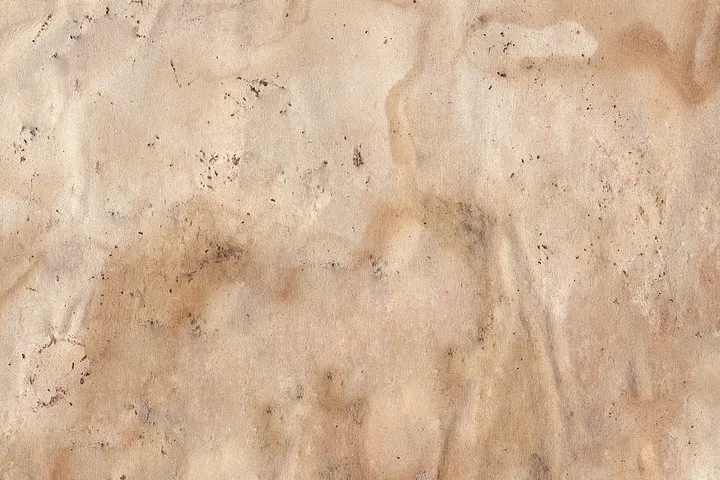
You might wonder what that ugly brown ring even is. It’s not dirt. The brown color usually comes from dissolved tannins in wood or drywall paper, or from rust and minerals in the water itself. These particles are now trapped in your ceiling material. A standard coat of paint is porous. It will act like a sponge, letting those tannins or rust bleed right through, creating a ghost stain. A stain-blocking primer seals those particles in with an impermeable shell, so your final paint color stays pure and clean.
Keeping Your Ceiling Permanently Pristine
Fixing a stain feels great. Fixing the same stain twice feels terrible. Prevention is simpler than repair.
Our family’s leaks have been great teachers. Roger now makes a habit of poking his head in the attic after a heavy Texas downpour. We also discovered our bathroom fan was just blowing steamy air into the attic, not outside. That’s a fast track to mold and new stains.
Your Home Maintenance Shortlist
Think of this as a five-minute routine a few times a year. It saves you weekends of repair work later.
- Inspect your roof and gutters each season and after big storms. Look for missing shingles or clogged gutters that can force water back under your roof.
- Insulate pipes in attics, basements, or garages. This prevents condensation drips and freezing bursts, a lesson from my Aunt Jessica in chilly Arizona winters.
- Run exhaust fans during showers and while cooking. Make sure they actually vent outside, not just into a ceiling cavity.
- Know where your main water shut-off valve is. In a sudden pipe burst, this knowledge is more valuable than any stain remover.
FAQ about Removing and Covering Ceiling Water Stains
1. I’ve stopped the leak, but the stain is still damp. How long should I wait before I start cleaning and priming?
You must wait until the ceiling and the drywall behind it are completely bone-dry, which can take 24-48 hours with fans. Painting on a damp surface will trap moisture and cause mold or paint failure.
2. What’s a safe, effective household cleaner I can use on a textured ceiling before I buy primer?
For light stains, mix equal parts white vinegar and water in a spray bottle, mist lightly, and dab gently. Avoid harsh scrubbing or chlorine bleach, which can damage delicate textures like popcorn ceiling, especially when attempting to remove vomit or spit-up stains.
3. The stain bled through my paint again. What did I do wrong, and how do I fix it?
You likely used a standard water-based paint or primer instead of a dedicated stain-blocker. Sand the area lightly, then apply an oil-based or shellac-based primer like Kilz or B-I-N before repainting.
4. I don’t have texture spray. How can I match my popcorn ceiling after priming?
Thin ready-mix joint compound with water to a thick paste, then dab it on with a stiff-bristled brush or a crumpled plastic bag. Practice on cardboard first to match the existing pattern before applying it to the ceiling.
5. What’s one simple thing I can do regularly to prevent new water stains?
Ensure your bathroom exhaust fans and kitchen hoods actually vent outside and not just into the attic. Run them during and for 20 minutes after showers or cooking to vent moisture-laden air properly.
Your Blueprint for a Dry, Beautiful Ceiling
Always find and fix the leak first-this stops the problem at its source. A completely dry surface is the only reliable canvas for primer and paint. I follow this rule every time, whether it’s from Roger’s hunting gear drips or an upstairs bath overflow. For more hands-on guides like this, follow along right here on the blog.
Written by Suzanne Rosi Beringer. Suzanne is an accomplished chemist, laundry expert and proud mom. She knows the science and chemistry of stains and has personally deal with all kinds of stains such as oil, grease, food and others. She brings her chemistry knowledge and degree expertise to explain and decode the science of stain removal, along with her decades long experience of stain removal. She has tried almost everything and is an expert on professional and DIY stain removal from clothes, fabric, carpet, leather and any other items dearest to you.