How Do You Remove Ketchup Stains from Shirts, Clothes, and Other Fabrics?
Seeing a ketchup drip on your clothes can ruin your meal. Stay calm-acting quickly with cold water and a simple pre-treatment will lift most fresh stains completely.
Here’s exactly what I’ll show you, learned from cleaning up after my kids and countless experiments:
- The instant, gentle blotting technique that prevents setting the stain.
- Why fabric type changes everything, from cotton to delicate silk.
- My trusted, non-toxic pre-treatment mix using pantry staples.
- How to check if the stain is truly gone before using heat.
I’ve tackled these exact stains on my son Jason’s uniforms and my husband Roger’s work shirts for years.
Your Ketchup Stain Panic Level: What to Do Right Now
Let’s set the scene. Your shirt, the tablecloth, or your kid’s favorite shorts now wear a splat of red. Take a breath. You’ve got this.
I rate ketchup a 4 out of 10 on the panic scale. It’s more of a nuisance than a nightmare if you move quickly. Unlike permanent ink or red wine, ketchup responds well to basic home tactics.
The clock is your biggest enemy here. You have a golden window of about 30 to 60 minutes before the sugars and tomato solids start to set and bond with the fabric fibers. After that, you’re looking at a tougher, potentially set-in stain.
So, what steps should you take immediately after spilling ketchup on your clothes? Follow this sequence. I do it every time.
- Scrape. Use a dull knife or spoon to gently lift off any globs. Don’t smear it.
- Blot, Never Rub. Place the stain face-down on a clean, dry towel. Take another cloth, dampen it with cold water, and press firmly into the back of the stain. You’ll see the ketchup transfer to the towel underneath. Rubbing just grinds it deeper.
- Flush. Hold the stained area under a slow, cold stream of running water, still from the back side. This pushes the stain out, not through, the fabric. Let the water run until it looks clear.
When Edward was over for burgers and got ketchup on his white soccer jersey, this exact flush from the back was all we needed. It left no trace, just a slightly damp spot that dried without a pink shadow.
Chemistry Corner: Why Ketchup Stains Are Tricky
Ketchup isn’t one stain. It’s three working together. That’s what makes it sneaky. You’re dealing with a triple-threat combo of protein (tomato), oil (from vinegar and processing), and sugar (sweeteners).
Each component requires a different approach. Heat is your enemy for the first step. Using cold water is non-negotiable because heat can cook the tomato proteins into the fabric and caramelize the sugars, gluing the stain in place. Think of a fried egg sticking to a pan.
This is why my first move is always a cold water flush. It tackles the water-soluble parts without activating the others.
After the flush, you need to address what’s left. The oily part needs an emulsifier. That’s a fancy word for something that breaks up grease. Plain blue dish soap, like Dawn, is perfect for this. It surrounds the oil droplets so they can rinse away with water.
The protein part, the tomato pulp, needs an enzyme. Many laundry detergents, like Tide or Persil, contain enzymes that act like tiny pac-men, breaking down protein-based stains. Check your detergent label for words like “bio” or “enzymatic.”
Treating a ketchup stain is like cleaning a dirty plate after breakfast you need to tackle the bacon grease, the sticky jam, and the dried-on egg bits separately. You wouldn’t use the same tool for all three. Your stain removal plan works the same way.
Critical Warnings: Fabrics and Methods to Avoid

Before you touch that stain, pause. Some fabrics and common reactions can make the mess permanent. I check the care label first every single time to avoid any stain removal mistakes.
Material Red Flags: Silk, wool, acetate, rayon, and any fabric labeled “dry clean only” are your immediate red flags. These materials need extreme gentleness, not the usual scrub-down.
Never-Use for Ketchup: I have a strict list of what to avoid. Never use hot water for the initial rinse (it cooks the tomato and oil into the fibers). Avoid chlorine bleach on this protein and dye combo (it can cause permanent yellowing). And skip vigorous scrubbing on delicate materials entirely.
Testing any cleaner on a hidden seam or area first is an absolute rule, not a suggestion. I do this on an inside cuff or waistband before anything touches the visible stain.
I learned this the hard way with a vintage silk scarf from my Aunt Jessica. I got impatient and rubbed at a tiny ketchup dot. That gentle dab I should have used was worth infinitely more than my aggressive rubbing. It left a faint but permanent dull spot.
How to Get Ketchup Out of Clothes: Step-by-Step for Every Fabric
Here is your core, actionable guide. We’ll break it down by what you’re cleaning.
The Universal First Aid for Most Fabrics
This is my go-to start for cotton, polyester, and other sturdy fabrics. It answers the common question: How do you pre-treat a ketchup stain before washing? This is exactly how.
- Rinse the stain from the backside with cold, running water. This pushes the ketchup out, not deeper in.
- Apply a small dot of blue liquid dish soap (I use Dawn or Palmolive) directly onto the stain. Gently work it in with your fingers or a soft brush.
- Let it sit for 15 minutes. This lets the soap break down the oils and sugars.
- Rinse thoroughly with cold water again, then launder as usual with your regular detergent.
How Do You Get Ketchup Out of a Cotton Shirt?
Cotton can handle a bit more. After the universal pre-treatment above, I add a boost for my son Jason’s soccer jerseys. How do you remove ketchup stains from a cotton shirt? Follow this specific sequence.
- After the dish soap step, make a thick paste of baking soda and a little water.
- Apply it over the damp stain. You might see it fizz slightly as it interacts with the vinegar in the ketchup.
- Let it dry completely. It will look like a chalky patch.
- Brush off the dried paste, then wash the shirt in the washing machine with cool water.
The Best Method for Getting Ketchup Out of White Clothes
For whites, you need a whitening agent after the oil is cut. What is the best method for getting ketchup out of white clothes? Add this oxygen boost. I use this on Roger’s white work tees.
- Complete the cold water rinse and dish soap application from the universal method.
- While the stain is still damp, apply a paste of oxygen-based bleach (like OxiClean) or dab on a bit of 3% hydrogen peroxide.
- Let it sit for up to 30 minutes, then rinse and wash in cold water.
I never use chlorine bleach here. On a stain with tomato and protein, it risks a nasty yellow tint that’s very hard to remove.
Treating Ketchup on Colored and Delicate Fabrics
This is where you slow down. For colored cottons or linens, I reach for a color-safe enzyme detergent or a stain remover stick. Always wash colored items in cold water to lock in the dye.
How do you treat a ketchup stain on a delicate fabric like silk? Think blots, not rubs. Blot with a cloth dipped in cold water. Then, use a single drop of mild, clear shampoo (the kind for fine hair) or glycerin. Gently dab, then rinse by blotting with a clean, damp cloth. Lay the item flat to air dry.
For heirlooms or expensive items, I don’t experiment. I call a professional cleaner. The cost is worth the peace of mind.
What Household Items Can Be Used to Remove Ketchup Stains?
You don’t always need a special product. My pantry has heroes. What household items can be used? Here’s your toolkit and what each one does.
- Liquid Dish Soap: Cuts the oil in ketchup. This is your first line of defense.
- Baking Soda: Absorbs and lifts stains. Can baking soda remove ketchup stains from fabric? Yes, as a drying paste after the initial clean, it’s excellent for lifting residue.
- White Vinegar: Breaks down the sugary part. Always use it after the soap, never before. My mother-in-law Brianna, from Southern Texas, swears by a light vinegar spray for breaking up the sticky part.
- Hydrogen Peroxide (3%): A gentle bleach for whites. Test on colors first.
- Cornstarch: Great for delicate fabrics. It absorbs oil without harsh rubbing. Dust it on, let it sit, then brush away.
Beyond Clothing: Ketchup on Carpets, Upholstery, and More
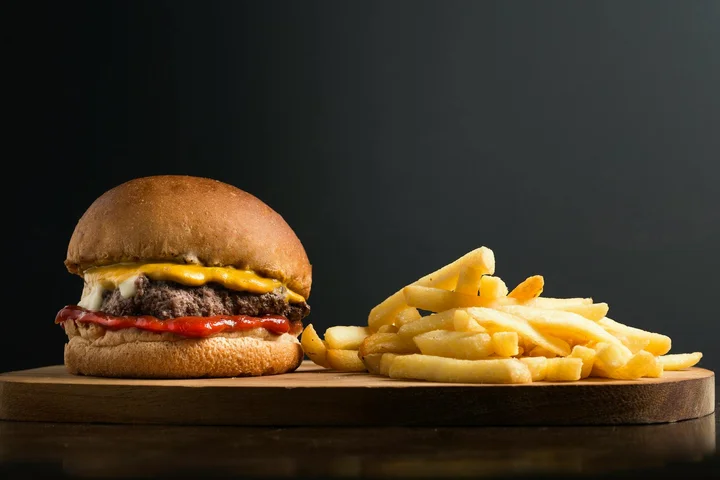
Life happens beyond the laundry room. A hot dog toppled off the plate onto the couch. A squeeze bottle misfired in the car. I’ve dealt with all of it.
Here’s a quick guide to which methods work best on what you’re cleaning.
Carpet
For carpets, speed is your friend. I keep a clean towel ready for this.
Blot up as much as you can with a dry cloth. Don’t rub. Rubbing grinds the tomato solids and sugar deep into the fibers.
Mix a teaspoon of clear dish soap with two cups of cold water. Apply a small amount to the stain and blot with a clean part of your cloth. Be careful when treating stains on suede as they require special care.
Work from the outside of the stain toward the center to keep it from spreading.
Blot with a cloth dipped in plain cold water to rinse the soap. Dry the area with a fan. For a deep clean, I use my carpet shampooer with just hot water, which works wonders on Peeta’s messy dinner aftermath.
Upholstery
Upholstery is tricky because you can’t just toss it in the washer. Your first job is to find the fabric care tag. After that, use the appropriate methods for stain removal, especially for tricky fabrics like polyester.
Look for codes like “W” (water-based cleaning okay) or “S” (solvent-only). If you see “WS,” you can use my soap solution method. If it says “X” or “S,” stick to dry cleaning.
Test any cleaner on a hidden spot, like under a cushion. Apply your soap solution with a nearly dry cloth and blot firmly.
Using too much water can cause a worse water stain or damage the cushion padding underneath.
Blot with a water-damp cloth to rinse, then blot dry with a towel.
Car Interior (Fabric)
Car stains feel urgent. Treat car fabric seats like delicate upholstery.
Follow the same blotting and soap solution steps. For textured fabrics, a soft-bristled brush (like a clean toothbrush) can help gently work the soap into the weave after you apply it.
Blot, rinse, and blot dry. Open the doors to let the area air out completely. A musty smell is the last thing you want.
Hard Surfaces (Counter, Driveway)
This is the easy part. On counters, scrape off the bulk with a dull knife or spatula.
Scrub with hot, soapy water and a cloth or non-scratch sponge. Rinse. You’re done.
For driveways, the tomato paste and oils can leave a shadow. After scraping, use a strong dish soap or a concrete-safe degreaser. Scrub with a stiff brush and rinse with a hose.
The sun and weather will usually fade any faint leftover trace over time.
When Time Has Passed: Removing Old and Dried Ketchup Stains
You found a shirt balled up in the soccer bag. A dull brown ring stares back at you.
Don’t give up. I’ve saved many “lost cause” items. Old ketchup stains need a different approach, but you can often remove them completely.
Can you remove dried ketchup stains from fabric? Is it possible to remove old ketchup stains from clothes? My answer is a hopeful yes, but you need patience. Removing ketchup stains can be tricky, especially when they’ve set in.
The Step-by-Step Rescue
First, gently scrape or brush off any flaky, dried residue. Be careful not to fray delicate fabrics.
Make a thick paste of an enzyme-based laundry detergent (the kind for “biological” cleaning) and a little water. Smear it over the entire stain, completely covering it. This is effective for biological stains like blood or sweat.
Let this paste sit for several hours, or even overnight. The enzymes need time to break down the set-in proteins and sugars.
After the soak, wash the garment as hot as the fabric allows. Check the stain before tossing it in the dryer. Heat will set any remaining stain for good, making it much more difficult to remove set-in stains from fabric.
If a shadow remains, try a long soak in an oxygen-based bleach solution. Fill a bucket or sink with warm water and add the powder (like OxiClean).
Soak the item for up to 24 hours, then wash it again. This method lifted a set-in brown ring from Roger’s old canvas work jacket he thought was ruined.
Sometimes you need to repeat the pre-treatment and wash cycle. It’s a marathon, not a sprint, but the finish line is usually a clean shirt.
FAQ about Removing Ketchup Stains
How do you remove ketchup stains from a cotton shirt?
After scraping off any excess, flush the stain from the back with cold water, then apply liquid dish soap directly to it. Once the soap has sat for 15 minutes, rinse it out and launder the shirt as usual, checking that the stain is gone before using any heat to dry.
What is the best method for getting ketchup out of white clothes?
Follow the standard cold water rinse and dish soap pre-treatment. Then, while the fabric is damp, apply a paste of oxygen-based bleach or a dab of 3% hydrogen peroxide to the stain, let it sit for 30 minutes, and wash in cold water. This method is effective for removing stains from linen fabric particularly.
Can you remove dried ketchup stains from fabric?
Yes, but you must be patient. Apply a thick paste of an enzyme-based laundry detergent directly to the dried stain and let it sit for several hours or overnight to break down the set-in residue before washing.
How do you treat a ketchup stain on a delicate fabric like silk?
Gently blot the stain with a cloth dipped in cold water—never rub. Then, dab on a single drop of mild, clear shampoo or glycerin, blot again with a clean damp cloth, and lay the item flat to air dry. Ensure the fabric is suitable for this treatment.
Should you use hot or cold water for ketchup stains?
Always use cold water for the initial rinse and pre-treatment, as heat will cook the proteins and sugars into the fabric. You can use hot water for the final wash cycle only on durable fabrics after confirming the stain is completely gone.
Final Tips for Removing Ketchup Stains
Your single most important move is to attack a ketchup stain the moment it happens, before the tomato and sugar have a chance to set. Gently blot, rinse from the inside with cold water, and always check the spot is gone before you heat-dry the fabric. I’m always testing methods on everything from Jason’s soccer jerseys to Peeta’s drool towels, so for more hands-on advice, keep reading right here on Stain Wiki.
Written by Suzanne Rosi Beringer. Suzanne is an accomplished chemist, laundry expert and proud mom. She knows the science and chemistry of stains and has personally deal with all kinds of stains such as oil, grease, food and others. She brings her chemistry knowledge and degree expertise to explain and decode the science of stain removal, along with her decades long experience of stain removal. She has tried almost everything and is an expert on professional and DIY stain removal from clothes, fabric, carpet, leather and any other items dearest to you.