How Do You Remove Rust Stains from Metal, Paint, and Other Surfaces?
That stubborn orange stain on your grill or bathtub can feel like a permanent mark. Don’t worry-in many cases, you can dissolve it away with items already in your pantry, like lemon juice or vinegar.
This guide will walk you through the best methods for different materials. You’ll learn:
- The safest, most effective homemade paste for metal surfaces.
- How to gently lift rust from painted finishes without damaging the color.
- Which common household acid works fastest on tough stains.
- When to skip the DIY and use a specialized product instead.
I’ve tested these methods on everything from Jason’s rusty bike to Martha’s vintage garden tools.
First, Don’t Panic: Your Rust Stain Removal Plan
That sudden orange bloom on your patio furniture or appliance can feel like a defeat. I get it. My heart sank when I found rust on my favorite baking sheet after Martha left it damp.
I rate rust stains a 4 out of 10 on my home panic scale. Unlike a juice spill, rust spreads slowly. The urgency is moderate, not emergency-level.
You have a golden window of several days to a few weeks before rust bonds permanently. Treating it sooner always makes the work simpler, but you have time to choose the right method.
We’ll cover rust on metal, painted finishes, glass, plastic, and other common materials.
The strategy changes completely based on the surface. What works for a tool won’t work for a window.
How Do You Remove Rust Stains from Metal Surfaces?
How do you remove rust stains from metal surfaces? Always start with this. Dry the surface completely. Any moisture left will just cause more rust. That same approach also applies to rust stains on concrete surfaces. For concrete, use a rust remover formulated for masonry and follow the product instructions.
When Roger’s hunting knife or workshop tools get rusty, I have a clear routine. For shiny finishes, I use gentle kitchen staples. For heavy rust, I use stronger tactics.
For Stainless Steel and Chrome
If you need to know how to get rust stains off stainless steel, think of mild acids. White vinegar or lemon juice breaks down rust without harsh chemicals.
My method is straightforward.
- Soak a soft microfiber cloth in plain white vinegar.
- Lay the cloth over the stain. Let it sit for 10 to 15 minutes.
- Gently rub the area with the cloth. The orange should lift onto the fabric.
- Rinse the spot well with clean water.
- Dry it immediately with a fresh towel to prevent water spots.
Never use abrasive scouring pads on stainless steel or chrome. They create microscopic scratches that attract more dirt and future rust.
For a slightly tougher stain, make a paste with baking soda and water. It adds a gentle grit. Spread it on, wait five minutes, then wipe with a soft cloth and rinse.
For Cast Iron, Tools, and Heavier Rust
This is for thick, flaky rust on items like garden tools or a cast iron skillet. You need a more aggressive approach.
I use a commercial rust remover gel for Roger’s large tools. For smaller bolts or hinges, a simple vinegar soak works well.
Safety is non-negotiable. Wear rubber gloves. Work in a ventilated area like an open garage. The fumes from some products are strong.
For a vinegar soak on smaller items:
- Submerge the rusty item in a bucket of white vinegar.
- Let it soak for several hours or overnight. You will see tiny bubbles forming.
- Take it out and scrub with a wire brush or coarse steel wool. The rust should flake off easily.
Immediately after scrubbing, dry the metal completely with a towel and apply a light coat of oil. This prevents flash rust from forming on the bare metal. I use a dab of food-grade mineral oil for cookware or a general tool oil for hardware.
Tackling Rust on Painted Finishes Without Damaging the Paint

How do you remove rust stains from painted finishes? You start with patience and a very gentle hand.
Painted surfaces are delicate. The finish can scratch, cloud, or wear away if you’re too aggressive. Always, always do a test patch first in an inconspicuous spot, like the back of a leg or the underside of a shelf.
Your first line of defense should be the gentlest method possible. I mix a thick paste of baking soda and water on a small dish.
Apply this paste with a soft, damp cloth, gently rubbing in a small circular motion over the stain. You are not scrubbing. You are letting the mild abrasion and the chemical reaction do the work.
Rinse the area immediately with a clean, damp cloth to remove all paste residue. Dry it thoroughly with another soft cloth. This prevents water spots.
For a persistent orange stain that laughs at baking soda, you can move to a mild acid. I use a very diluted white vinegar solution.
Mix one part vinegar with four parts water in a spray bottle. Lightly mist the stain, let it sit for no more than two minutes, then wipe it away with a damp cloth. Dry immediately. Avoid common mistakes when removing stains.
On my daughter Jessica’s white painted bedside table, a drippy metal plant pot left a nasty brown ring. A simple baking soda paste, applied with a soft cloth, lifted it right off without a trace. The paint stayed perfect.
I warn you, avoid steel wool, harsh scrub pads, or powdered cleaners at all costs. They will scratch or dull the paint, leaving you with a clean spot that looks worse than the stain, especially when trying to remove hard water stains from car paint.
Rust Stains on Other Household Materials: Glass, Plastic, and More
How do you remove rust stains from other household materials? The method changes completely based on what you’re cleaning. Fabrics, especially clothing, can require a different approach. For iron burn stains on clothing, a fabric-specific method is covered in the next section.
How Do You Remove Rust Stains from Glass?
Glass is my favorite surface to clean rust from because it’s non-porous. The stain usually sits on top, making it easier to break down.
I spray plain white vinegar directly onto the stain, like on a window or glass tabletop. Let it sit for five to ten minutes. The acid works on the iron oxide.
Wipe it clean with a non-abrasive microfiber cloth. The stain should vanish.
For shower doors or windows with harder water deposits mixed with rust, a paste of cream of tartar and water can work wonders. It’s a mild acid that’s slightly abrasive. Rub it on, let it sit, and rinse.
How Do You Remove Rust Stains from Plastic?
Plastic requires a cautious touch. Some types can absorb odors or become brittle if treated harshly.
Always start with dish soap and warm water. Agitate it with your fingers or a soft cloth. This removes surface grime and might take the rust stain with it. If the stain is on fabric, this prep is only the first step. For rust stains on clothes fabrics, the next steps cover fabric-safe removal methods.
If the stain remains, use a mild vinegar solution (equal parts vinegar and water). Apply it with a cloth, not by soaking the item. Make sure to test it on a small area first, especially for delicate fabrics like suede.
Caution against letting plastic soak in vinegar for too long, as some types can absorb the sour scent. Rinse it very well after a minute or two of contact.
For textured plastic, like a tool bin or outdoor furniture, I use a soft-bristled toothbrush. It gets the cleaner into the grooves without scratching.
Driveways, Concrete, and Ceramic Surfaces
These are the tough guys. They can handle stronger stuff, but you still need the right product for the job.
For concrete driveways or patios, a commercial rust remover designed for masonry is often the safest and most effective choice. These are formulated to tackle iron stains without etching the concrete. Follow the product label exactly for concrete stain removal for driveways, patios, and floors.
For a ceramic sink or tub with light surface rust, a natural scrub can help. I sprinkle salt on the stain, then squeeze lemon juice over it to make a paste. The citric acid reacts with the rust. Let it sit for an hour, then scrub gently with a non-scratch sponge and rinse. This is a simple way to remove rust stains from sinks and bathroom surfaces.
Remind yourself to rinse these outdoor and wet area surfaces thoroughly after any treatment. You want to wash away all cleaning residues to prevent new stains or slippery patches.
Pro-Tip from the Stain Wiki Editor: What Helped Me
Rust loves to hide in tiny spots. For small, intricate metal items, I grab an old toothbrush and a bowl of white vinegar.
The bristles reach into every groove a cloth misses. This saved a set of vintage bottle openers from my aunt Jessica, which arrived with a fine layer of Arizona rust.
Keep a magic eraser in your cleaning kit. For light rust stains on a painted washing machine or fridge, a damp magic eraser can often scrub it away.
It’s a gentle, chemical-free first attempt that has worked on our sealed patio furniture after many rainy seasons.
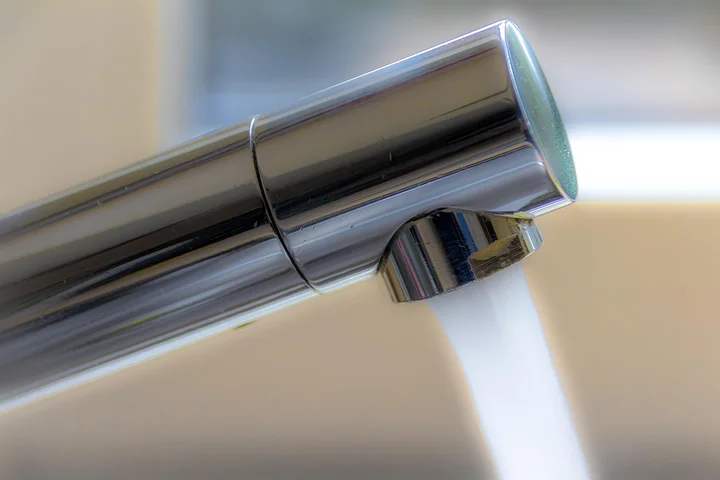
My mother-in-law Brianna taught me a kitchen trick. She cuts a raw potato in half and rubs it on chrome faucets with light rust.
The oxalic acid inside acts as a natural polish. It’s a simple, smell-free method that leaves our kitchen fixtures shining.
Safety First: Always Test Before You Treat
You must test any cleaner on a hidden area first. I never skip this step.
Testing prevents permanent damage, like the time a DIY paste dulled the paint on Roger’s toolbox.
Choose a spot no one sees. Try the back of a leg, inside a cabinet door, or under a rim.
Apply a dab of your solution and wait five minutes. Then, look closely.
Check for a color change, a rough or soft texture, or a loss of shine on the finish. If you see any change, do not proceed.
Always follow these specific cautions for your safety.
- Do not mix chemicals, especially acids and bleach. This can create harmful gases.
- Open a window or work outside for good ventilation with strong acids.
- Wear rubber gloves to protect your hands from irritation.
Some materials are very sensitive. Painted finishes and delicate plastics can be etched or discolored by acidic rust removers, making that initial test even more vital.
Keeping Rust at Bay: Simple Prevention Habits

Getting rid of a rust stain feels good. Keeping it from returning feels even better. Let’s talk about simple, daily habits that protect your home.
For metal surfaces, think dry and shielded. After washing, always dry them thoroughly with a towel. I apply a thin coat of mineral oil to things like scissors or a light layer of car wax to patio chairs. This protective barrier makes water bead up and roll right off, preventing rust from ever starting.
Tools and outdoor items need a dry home. Roger’s hunting gear and workshop tools used to rust constantly. Now, they go in a sealed cabinet, and I drop silica gel packets into every toolbox. Silica gel absorbs moisture from the air, creating a dry environment that rust hates. My Aunt Jessica in Arizona taught me this for her silverware, and it works perfectly.
Household surfaces are all about quick action. I keep coasters handy for metal drink cans. If Peeta’s wet bowl or a sweating glass leaves a ring, I wipe it immediately. Stopping moisture from sitting on any surface is the fastest way to prevent a stain. It’s a reflex now, like turning off a light.
I make sure Roger dries his workshop tools with an old towel before putting them away. It’s a simple step that saves hours of cleaning later. He grumbles sometimes, but after finding his favorite pliers spotless, he agrees it’s worth it.
Frequently wet areas need a routine. I wipe down my kitchen sink and faucet with a dry cloth after doing dishes. Regular drying in these spots prevents the slow buildup of rust stains you only notice when they’re bad. My mom, Martha, does this every night, and her sinks in North Texas still look new.
FAQ About Removing Rust Stains
How quickly should I treat a rust stain to prevent permanent damage?
Treat rust stains within several days to a few weeks for best results. While timing isn’t an emergency, acting sooner makes the removal process much simpler and more effective, especially when cleaning stainless steel surfaces.
Can I use Coca-Cola or another household item instead of vinegar?
Yes, the phosphoric acid in Coca-Cola can dissolve rust; simply soak the item for several hours. Rinse thoroughly afterwards, as the sticky residue can attract more dirt.
What’s the safest way to remove a rust stain from fabric or clothing?
For washable fabrics, apply a paste of lemon juice and salt directly to the stain, let it sit for 30 minutes, then launder as usual. This method can also help remove biological stains from fabric, such as sweat or blood. Always test this on a hidden seam first to check for colorfastness.
I tried vinegar on a painted surface, and it didn’t work. What’s my next step?
Create a thicker paste with baking soda and a few drops of water, then gently rub it on the stain with a soft cloth. If this fails, the stain may require a commercial rust remover formulated for paint-test it in a hidden spot first.
How can I tell if a rust stain is too deep for DIY methods?
If the surface is pitted or the stain remains after two applications of a proven method, the rust has likely penetrated the material. Your next step is to use a specialized commercial rust dissolver or consider professional refinishing for the item.
Keeping Surfaces Safe During Rust Removal
Before you apply any product, always test it on a hidden spot to protect painted finishes and delicate materials. For persistent rust, a paste of baking soda and water or a soak in white vinegar can work wonders without resorting to harsh chemicals. Get more down-to-earth advice for stains big and small by following along right here on our blog.
Written by Suzanne Rosi Beringer. Suzanne is an accomplished chemist, laundry expert and proud mom. She knows the science and chemistry of stains and has personally deal with all kinds of stains such as oil, grease, food and others. She brings her chemistry knowledge and degree expertise to explain and decode the science of stain removal, along with her decades long experience of stain removal. She has tried almost everything and is an expert on professional and DIY stain removal from clothes, fabric, carpet, leather and any other items dearest to you.