How to Remove Rust Stains from Sinks and Bathroom Surfaces
Worried those ugly orange marks are permanent? You can usually erase rust stains with a safe, simple scrub using lemon juice or cream of tartar.
In this article, I’ll walk you through everything you need to know:
- Why rust loves your bathroom and the easiest way to stop it.
- Step-by-step cleaning methods for porcelain, ceramic, and stainless steel.
- How to handle stubborn, set-in stains without damaging surfaces.
- My go-to, non-toxic paste recipe tested on my own hardwater fixtures.
I’ve been battling rust stains for years, from Jessica’s soap dish to the sink in Roger’s mudroom.
First, Don’t Panic and Assess the Stain
Take a deep breath. That ugly spot is just oxidized iron.
Think of it like a metal apple that turned brown. We can often reverse the process.
I learned this from my mom, Martha. She always said rust isn’t a death sentence for your sink.
A fresh rust stain looks orange or reddish. It often feels powdery to the touch.
An old, set-in stain is darker. It becomes a stubborn, dull brown ring that feels crusty.
Spotting rust early, like when Jessica’s metal bath toy sits in water, makes removal a simple wipe.
Your next move is crucial. You must identify your surface material.
Is it a glossy porcelain sink? A stainless steel basin? Or a trendy natural stone countertop?
Treating a ceramic tile is very different from treating granite, and getting it wrong can cause damage.
Critical Warnings: What Never to Use on Rust
Some common cleaners are rust’s best friend. You must avoid them.
Here is my never-use list:
- Chlorine bleach: It reacts with the iron and can bake the stain into the surface forever.
- Harsh abrasives: Steel wool or gritty powders will scratch glossy finishes. You’ll trade a stain for a scuff.
Be extremely cautious with natural stone and delicate glazes.
My aunt Jessica has marble in her Arizona home. Acidic cleaners, even mild ones, can etch a cloudy, permanent mark into the stone.
Always assume a new surface is delicate until you know for sure.
I never skip a patch test. My husband Roger learned this after a driveway experiment went wrong.
Apply your chosen cleaner to a hidden spot first, like under the rim of the sink.
Wait a few minutes. Check for discoloration or texture change.
Finally, suit up for safety.
Wear rubber gloves to protect your skin. Open a window or turn on the fan for ventilation.
Good airflow is non-negotiable, especially if you’re using any chemical product in a small bathroom.
Your Safe DIY Arsenal: Vinegar, Lemon, and Baking Soda
Before you reach for harsh chemicals, check your kitchen. These three staples are my first line of defense. They are safe for my family and pets, non-toxic, and they really work. I used them last week on a nasty rust ring from an old shaving cream can my husband, Roger, left in the shower.
How to Remove Rust Stains with White Vinegar
White vinegar is my go-to. Its acetic acid gently dissolves rust without scratching the surface. This method is perfect for flat areas like sink basins or the bottom of a tub. Baking soda, on the other hand, is better for more delicate fabrics or surfaces.
I grab plain white distilled vinegar, not the fancy stuff. Here is my exact process.
- Soak several sheets of paper towel in the vinegar. You want them dripping wet.
- Lay the soaked towels directly over the rust stain, pressing them down so they make full contact.
- Let them sit for at least one hour. For a stubborn stain, I leave it overnight. The vinegar smell fades as it dries.
- Remove the towels and scrub the area with a non-abrasive sponge or brush. The rust should wipe away easily.
Leaving the vinegar to soak gives the acid time to break down the rust, so you do not have to scrub hard. Rinse the area thoroughly with water afterward.
How to Remove Rust Stains with Lemon Juice
Lemon juice works on the same principle, using citric acid. I love it for smaller spots or chrome faucets. My Aunt Jessica in Arizona taught me to pair it with salt for a little extra scrubbing power.
- Cut a lemon in half. You can also use bottled lemon juice, but fresh has more acid.
- Squeeze the juice directly onto the rust stain, or dab it on with a cloth.
- For a gentle scrub, sprinkle a little table salt on the wet lemon juice. The salt provides mild abrasion.
- Let it sit for 30 minutes, then use the lemon rind itself or a soft brush to scrub the area. Rinse well.
The lemon and salt combo is fantastic for tackling rust around drain fittings or on showerhead faces without damaging the finish. It leaves a fresh, clean scent behind, too.
How to Remove Rust Stains with Baking Soda
Baking soda is different. It is not an acid, so it does not dissolve rust. Instead, it is a mild abrasive that lifts stains away. I use it for textured surfaces or grout where a paste can cling.
My mother-in-law, Brianna, from Southern Texas, swears by this for her tile.
- In a small bowl, mix baking soda with just enough water to form a thick, spreadable paste. For grout stains, I sometimes use hydrogen peroxide instead of water for a slight bleaching effect.
- Smear the paste over the rust stain. You want a good, thick layer.
- Let it dry completely. This can take an hour or more. As it dries, it pulls at the stain.
- Once dry, scrub it off with a damp stiff-bristled brush (an old toothbrush is perfect for grout). The paste will crumble away, taking the rust with it.
Baking soda paste is your best friend for porous or rough surfaces where a liquid would just run off. It gives you controlled, gentle scrubbing power right where you need it.
Choosing Your Champion: A Quick Comparison
Think of these tools as having different jobs in your cleaning toolbox.
- Vinegar and Lemon Juice are your soakers. They use acid to chemically break down rust. Use them on large, flat stains or hard-to-scrub spots like faucet crevices.
- Baking Soda is your scraper (a gentle one). It physically abrades the stain away. Use its paste form on vertical surfaces, textured finishes, or in grout lines.
For a really tough stain, I might use them together. I will soak with vinegar first, then use a baking soda paste for a final scrub. Starting with these gentle methods protects your surfaces and keeps your home safe from harsh fumes.
How to Get Rust Stains Out of Your Bathtub
Before we start, I need to be very clear about one thing.
If you have a fiberglass or acrylic tub, you must treat it like a delicate baby. Scratching the surface is permanent and creates a rough spot that will attract dirt and stains forever. I learned this the hard way after a friend borrowed a scrub pad on their fiberglass shower. The dull, scuffed surface never looked right again. For stubborn stains, there are gentler, proven methods to remove them from fiberglass surfaces without scratching. Stay tuned for a quick, step-by-step approach in the next steps.
How do you remove rust stains from a fiberglass tub?
For these softer surfaces, your motto is “gentle pressure and long soaks.” You want to dissolve the rust, not scour it.
Avoid steel wool, harsh powdered cleansers, or anything labeled “abrasive.” These will create a cloudy, scratched finish. Instead, you are making a paste.
My favorite method for Jessica’s little plastic bathtub toys (which get rust from old screws) works just as well on the tub itself. It’s all about patience.
- Make a thick paste using lemon juice and baking soda or cream of tartar. The acid in the lemon starts working immediately.
- Slather that paste directly onto the dry rust stain. You want a layer about as thick as peanut butter on toast.
- This is the critical part: walk away. Let it sit for at least an hour, or even overnight for a tough stain. The paste will dry out and turn a rusty color itself.
- Take a soft, damp microfiber cloth and gently wipe the paste away. No hard scrubbing.
- For any residue, use a soft-bristled toothbrush with a bit of mild dish soap and warm water. Rinse completely.
The goal is to let the acidic paste do the work of breaking down the rust so your soft cloth can lift it away without friction. If one application doesn’t work, repeat the process. Rushing will only lead to damage.
Tackling Rust on Porcelain or Ceramic Tubs
Porcelain enamel over steel or cast iron is much harder. My old cast iron tub can handle a bit more than fiberglass, but caution is still your best friend.
You can use the same gentle paste method above. It works wonderfully. But for more stubborn stains, you have a slightly stronger option.
I keep a specific product in my laundry room for this: a rust remover gel. Its thicker formula clings to vertical surfaces like the side of the tub. Always, always spot-test it in an inconspicuous area first, like near the drain overflow.
- Ensure the stained area is dry. Apply your chosen gel or a paste of hydrogen peroxide and cream of tartar directly to the stain.
- Let it soak. For a gel commercial product, follow the label time, usually 5-10 minutes. For a DIY paste, give it 30 minutes.
- Use a non-scratch scrubber, like a melamine foam sponge (the generic “magic eraser” type) or a nylon-bristle brush. Gently agitate the area.
- Rinse thoroughly with water. The stain should be gone or significantly faded.
Even on durable porcelain, let the chemical reaction do the heavy lifting. Your job is just to help it along with gentle agitation. Abrasive powders can work but they risk leaving tiny scratches that dull the glossy finish over time.
For an absolutely welded-on stain on a classic porcelain tub, a pumice stone is a last resort. You must use a pumice stone made for cleaning, and keep the surface and the stone soaking wet. Use the lightest touch imaginable, like you’re erasing a pencil mark. I’ve used this on a vintage tub drain ring with success, but it requires a calm, patient hand. One wrong move and you’ll etch the surface.
How Do You Remove Rust Stains from a Sink?
The material of your sink isn’t just about looks. It’s your cleaning rulebook. Getting this wrong can mean trading a rust spot for a permanent scratch. I learned this the hard way after an overzealous scrub on our first stainless steel sink left a web of fine scratches.
Let’s break it down by the two most common materials. Your approach needs to be completely different for each one.
How do you remove rust stains from a porcelain sink?
Porcelain is a champ for soaking treatments. Its smooth, non-porous surface and basin shape let you pool a solution right on top of the stain. My mom Martha taught me this trick for her old farmhouse sink.
You have two fantastic, non-toxic options that work through a chemical reaction. They dissolve the rust, so you don’t need to scrub hard. This technique is especially effective for rust stains on concrete surfaces.
Option 1: The White Vinegar Soak
This is my first choice for lighter stains. The acetic acid gently breaks down the rust.
- Soak paper towels or a clean cloth in plain white vinegar.
- Lay them directly over the rust stain, ensuring full contact.
- Let it sit for at least 30 minutes, or up to a few hours for tough spots.
- Remove the towels and wipe the area clean. The stain should lift away easily.
- For any lingering discoloration, make a paste of baking soda and water, gently rub it in, then rinse.
Option 2: The Lemon Juice & Salt Scrub
This is for more stubborn, darker rings. The citric acid in the lemon juice works with the mild abrasion of salt.
- Sprinkle coarse salt (like kosher salt) directly onto the rust stain.
- Squeeze fresh lemon juice over the salt until it forms a damp, gritty paste.
- Let this paste sit on the stain for 15-20 minutes. You might see it start to bubble slightly.
- Using a soft cloth or a soft-bristled brush, gently scrub the paste in a circular motion.
- Rinse thoroughly with water. The combination of acid and mild abrasion usually takes care of it.
That basin shape is your best friend for containing these solutions, so use it to your advantage. Always finish with a water rinse to remove any residual acid.
How do you remove rust stains from a stainless steel sink?
This is where you must be gentle. Stainless steel has a brushed grain, like fine lines running in one direction. Abrasive powders or scrub pads will scratch across that grain and ruin the finish forever.
Your goal is to clean with the grain, not against it.
The only tool you need is a simple baking soda paste and a soft cloth.
- Make a thick paste with baking soda and a little water.
- Apply the paste directly to the rust spot.
- Take a soft cloth (an old t-shirt works perfectly) and gently rub the paste over the stain. Here’s the key: rub only in the direction of the sink’s grain. You can feel the grain by running your finger across the surface; it will feel smooth one way and slightly rough the other.
- The baking soda provides just enough gentle abrasion to lift the stain without scratching. Let the paste sit for 5-10 minutes on tougher spots.
- Rinse completely. Dry the area with a towel to prevent new water spots.
I keep a magic eraser (melamine foam) on hand for our stainless sink, but I use it with extreme caution. It’s a very fine abrasive. If I use it, I only scrub lightly with the grain, and I never use it on a regular basis. The baking soda method is safer.
What about utility sinks?
Your laundry room or garage sink is usually more forgiving. These are often made of materials like porcelain-coated cast iron or heavy-duty plastic.
The same principles apply, but you can sometimes use slightly stronger cleaners. A product like Bar Keepers Friend (the liquid version is less abrasive) can be great here. It contains oxalic acid, which is a powerful rust fighter.
Always test in an inconspicuous spot first. Even utility sinks can be damaged by the wrong chemical or a steel wool pad.
First, find the source.
Before you treat any stain, play detective. Nine times out of ten, a rust stain in a sink comes from the metal strainer or basket. Stainless steel sinks and appliances are especially susceptible, so using the right stain-removal approach protects the finish. In the next steps, you’ll find practical tips for stain removal on stainless steel sinks and appliances.
That little piece has constant contact with water and can corrode. The rust runs down and stains the basin below it.
My husband Roger’s hunting knife once sat in our utility sink, leaving a perfect orange outline. The stain was easy to remove, but it taught me to check for metal objects first.
Unscrew the strainer and look at its underside. If it’s rusty, you can clean it with vinegar or replace it. Removing the source stops the problem from coming right back.
Tackling Rust on Tile, Grout, and Fixtures
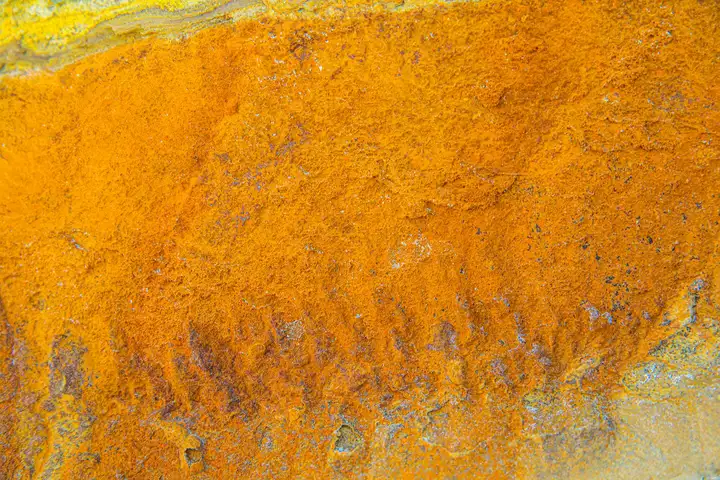
Rust in the bathroom always looks worse than it is. The orange stains scream “neglect,” but I promise they’re just a chemical reaction looking for a gentle correction.
How to remove rust stains from ceramic tile
The glossy surface of ceramic tile is your friend. It resists staining better than porous materials. Most of the time, the rust you see isn’t on the tile itself, but sitting in the tiny crevices of the grout line.
I start with a simple wipe. I dampen a microfiber cloth with white vinegar or lemon juice and rub the tile. If the stain is on the tile, it usually lifts right off. The real work is almost always in the grout lines, where water and metal particles love to hide. Even some of the iron stains can be tricky to remove from grout.
How to remove rust stains from grout
This is the universal bathroom headache. That dull brown line between tiles is stubborn, but you can beat it without harsh chemicals.
My mom, Martha, taught me this method years ago, and it’s still my first move. You make a thick paste of baking soda and just enough water or white vinegar to hold it together. The texture should be like gritty toothpaste.
Slather that paste right over the stained grout line. Let it sit for 10-15 minutes. This gives the paste time to start loosening the rust’s grip.
Now, grab an old toothbrush. Don’t use a stiff wire brush. You’ll shred the grout. Scrub in a gentle circular motion along the line. The baking soda provides just enough abrasion without being destructive.
Rinse with warm water and check your progress.
For a stubborn spot that won’t budge, I give it a hydrogen peroxide boost. After scrubbing with the paste and rinsing, I pour a little 3% hydrogen peroxide directly on the stain. I let it bubble for a minute, then scrub one more time with the baking soda paste. The combination often breaks down the last bits of rust that the paste alone couldn’t handle.
How to remove rust stains from chrome faucets and showerheads
This requires a gentle touch. Chrome is a thin, shiny plating over another metal. Scratching it ruins the finish forever.
I learned this the hard way on an old showerhead, leaving tiny scratches that collected more gunk. Now, I use a soak method.
For a faucet, I soak a paper towel in white vinegar. I wrap it around the stained area like a bandage. For a showerhead, I fill a small plastic bag with vinegar. I tie the bag around the fixture so the showerhead is submerged.
Let it soak for at least an hour. The vinegar dissolves the rust without any scrubbing. After the soak, just wipe it clean with a soft cloth. If you see any residue, a tiny bit of baking soda on a damp cloth can be used with very light pressure, but abrasive cleansers are a hard no, especially when removing rust stains from fabrics.
Shower door tracks and other metal accessories
These spots collect soap scum, water, and rust in a disgusting slurry. My approach is a two-step clean.
First, I clear out the gunk. An old toothbrush or a dedicated grout brush works well. I don’t worry about the rust yet.
Once the track is cleared, I attack any remaining rust stains with my baking soda paste. I pack it into the track, let it sit, and scrub. For a really grimy track, I’ll use the same vinegar-soaked paper towel trick, pressing it into the channel.
The same rule applies to towel bars or toilet paper holders. If they are chrome-plated, use a vinegar soak and soft cloth. If they are solid stainless steel, you can be slightly more firm, but I always start gentle.
When to Use a Commercial Rust Remover
Sometimes, home remedies just don’t cut it. I learned this the hard way with an old, dark brown rust stain in our master bathroom shower.
It was there when we moved in, a stubborn ring around the drain that felt rough to the touch.
For deep-set, old rust stains that have bonded with the surface, a specialized commercial rust remover is often the most reliable choice.
These products are formulated to tackle the chemistry of iron oxide directly.
The Power of Oxalic Acid Cleaners
Many effective rust removers you’ll find at the hardware store are based on oxalic acid. It’s a naturally occurring acid that’s excellent at breaking down rust, even on toilet bowls.
Think of it like a specialized key made to fit the rust’s chemical lock. It chelates the iron, pulling it away from the porcelain or tile so you can rinse it clean.
I keep a bottle of an oxalic acid-based gel in my laundry room for true emergencies. It’s my nuclear option.
Non-Negotiable Safety Steps
These are chemicals, not kitchen condiments. Treating them with respect is non-negotiable.
My safety routine is second nature now, ever since a splash made me more cautious.
- Ventilate aggressively. Open a window and turn on the bathroom fan. If you can, bring a portable fan into the room. You do not want to breathe in these fumes.
- Wear proper gloves. I use long, chemical-resistant nitrile gloves that go up my forearms. Dishwashing gloves are not enough.
- Read the entire label first. Every product is different. Follow the dwell times, application methods, and rinsing instructions to the letter.
Ignoring these precautions risks damaging your surfaces or, more importantly, harming yourself.
A Real-Life Comparison: Vinegar vs. The Gel
Let me give you a specific example from last spring.
That shower drain stain bugged me for months. I finally decided to attack it.
First, I soaked paper towels in white vinegar and plastered them over the stain for a full 30 minutes. I came back, scrubbed with a brush, and rinsed. No result.
The stain was barely lighter. It just laughed at my vinegar.
Next, I put on my gloves, opened the window wide, and applied a thick layer of a commercial rust removal gel. The label said 10 minutes.
I set a timer. When it went off, I rinsed. The dark brown ring was completely gone, like it was never there.
For that old, set-in stain, the commercial gel worked in a fraction of the time where the natural method failed.
It confirmed my rule: use the gentle stuff first, but don’t be afraid to call in the specialized reinforcements when you need them.
Keeping Rust Stains from Coming Back
You just cleaned a rust stain. The last thing you want is to see its rusty cousin show up next week. Prevention ties directly to the three main causes: rusty water from your pipes, corroding metal objects, and constant moisture. Tackle these, and you win most battles before they start.
Break the Connection Between Metal and Moisture
Water sitting against metal is rust’s favorite party. Think about that metal soap dish or the can of shaving cream on the tub ledge. Every time they get wet and stay damp, they transfer rust.
My Aunt Jessica’s guest bathroom was a rust hotspot. We finally traced it to a decorative metal soap dish. Make it a habit to wipe down wet surfaces, especially around any metal items, after each use. A quick dry with a hand towel takes ten seconds but saves you a cleaning session later.
Stop the Problem at the Source
A slow-dripping faucet isn’t just annoying. It’s a constant stream of minerals and moisture painting a rust trail down your fixture and into the sink. Fixing leaks promptly removes this non-stop stain factory.
If you see rust stains frequently and your water has a metallic taste, your water itself might be the culprit. My mom, Martha, fought this for years in North Texas. Installing a water softener or a whole-house filter can be a game-changer if rust in your water is a constant battle. It protects your sinks, your laundry, and your appliances.
Build a Protective Barrier
Sometimes, you need to add armor. Porous surfaces like grout absorb rust-colored water and stain deeply. Applying a quality grout sealer fills those pores, creating a surface that beads water instead of drinking it.
For smooth surfaces, a protective coating works wonders. On a fiberglass shower stall, a thin layer of car wax (yes, car wax!) creates a slick, water-repellent shield. For chrome faucets, a ceramic detail spray made for cars adds a brilliant, protective layer. I use this on our kitchen faucet, and it makes wiping off hard water spots effortless.
A Simple, Daily Habit
The best tool in my bathroom is a simple squeegee. After every shower, I give the walls and chrome fixtures one quick swipe. This removes the bulk of the mineral-heavy water before it can dry and start causing trouble.
I keep a squeegee hanging in every shower. A quick thirty-second swipe keeps my chrome sparkling and stops rust and hard water stains from ever getting a foothold. My husband Roger thought it was silly until he saw how much less I had to scrub.
FAQ About Removing Rust Stains in Bathrooms
What’s the single best daily habit to prevent all rust stains?
Use a squeegee on shower walls and chrome fixtures after every use to remove mineral-heavy water. Also, always dry metal items like soap dishes and cans before placing them on surfaces.
The baking soda paste didn’t work on my fiberglass tub stain. What’s my next step?
Repeat the paste application using lemon juice or vinegar as the liquid, and let it sit overnight for a deeper soak. Never escalate to abrasive scrubbing pads, as they will permanently scratch the surface.
I don’t have vinegar. How else can I clean rust off my chrome faucet?
Fresh lemon juice works on the same acidic principle; soak a paper towel in it and wrap the fixture for an hour. For a stronger option, use a commercial rust remover gel, but ensure it’s safe for chrome and follow all safety instructions.
How can I stop rust from staining my grout in the first place?
Apply a quality grout sealer annually to create a water-repellent barrier. Quickly wipe away any water or metal residue from the grout lines after showering to prevent seepage.
My rust stain came back in the same spot after cleaning. What does this mean?
This almost always means the source of the rust hasn’t been removed. Check for a corroded drain strainer, a leaking pipe above, or a metal object that constantly rests on that spot.
Keeping Rust Stains From Coming Back
Your most powerful move is to treat rust the moment you see it, using a mild acid like vinegar or lemon juice before it etches into the surface. I keep a dedicated microfiber cloth to dry my sink and faucet after every use, a simple habit that stops new stains from forming. For more practical tips that protect your home, I share all my family-tested methods right here on the blog.
Written by Suzanne Rosi Beringer. Suzanne is an accomplished chemist, laundry expert and proud mom. She knows the science and chemistry of stains and has personally deal with all kinds of stains such as oil, grease, food and others. She brings her chemistry knowledge and degree expertise to explain and decode the science of stain removal, along with her decades long experience of stain removal. She has tried almost everything and is an expert on professional and DIY stain removal from clothes, fabric, carpet, leather and any other items dearest to you.