How Do You Remove Bike Chain Grease and Automotive Oil Stains from Clothes?
That fresh, black smear on your favorite pants can feel like a death sentence, but I promise it’s not. You can usually tackle these stains effectively with a simple pre-treatment using dish soap or a baking soda paste before washing.
In this article, I’ll guide you through my proven process:
- Why grease and oil cling to fabric so stubbornly
- The immediate action that stops the stain from setting
- Household degreasers that work best, like my go-to blue dish soap
- Safe techniques for different fabrics, from denim to synthetics
- What to do if the stain has already dried or been heat-set
I’ve tested these methods for years on everything from my husband Roger’s oily coveralls to my son Jason’s grass-stained soccer kits.
Don’t Panic: Your Stain Removal Game Plan Starts Here
You were just fixing the chain on Jason’s bike, or maybe you leaned against Roger’s truck after he changed the oil. Now you’ve got that slick, dark smear on your favorite jeans. I’ve been there. My husband’s work shirts are a testament to his outdoor projects. The good news? You can fix this.
Let’s assess your panic level. A fresh oil stain? That’s about a 6 out of 10. It’s workable. But if that stain has been baked into a shirt for a week, we’re looking at a 9/10. Your “Golden Window” for easy removal is the first 24 hours. After that, the oil starts to really bond with the fabric fibers, turning a simple cleanup into a multi-step project.
Your first moves are simple. Don’t rub. That just grinds the grease deeper. Instead, blot any excess liquid with a paper towel or clean cloth. Keep the garment away from any heat source like a dryer, radiator, or even hot water for now. Heat will set the grease stain permanently.
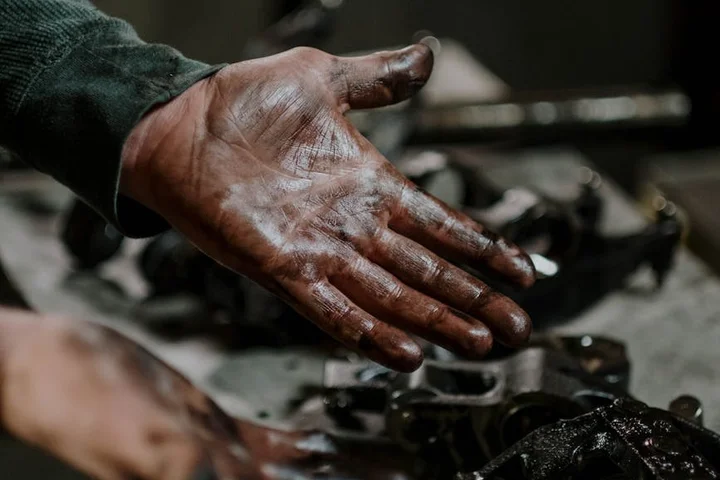
What if you’re stuck at work or on a trail ride? An “On-the-Go” fix can save the day. Hand sanitizer (the alcohol breaks down oil) or a sprinkle of table salt (to absorb it) can act as a great temporary holdover. They’re not perfect solutions, but they can keep the stain from setting until you get home to your real tools. To remove grease oil stains from hands, follow up with a thorough wash when you can.
While the cleanup is similar, know your enemy. Bike chain grease is often thicker, grittier, and mixed with road dirt. Automotive oil is more fluid but can contain additives. Both are hydrocarbons that need a degreaser to break them up.
Panic-Level Assessment and Your Golden Window
Time is your biggest ally or your worst enemy with oil. In the first few hours, the oil mostly sits on the surface of the fabric. As hours turn into a day, it wicks along the threads and begins to oxidize, creating a much darker, bonded stain. Removing oil stains from textiles can be particularly challenging once they have set.
Your calming five-minute action list is this: blot, isolate, and plan. Get the excess off, set the garment aside safely, and mentally run through your supplies. This simple pause prevents the frantic rubbing that makes everything worse.
Immediate “On-the-Go” Emergency Fixes
No blue dish soap in your desk drawer? I get it. A dab of hand sanitizer gel, rubbed gently into the stain, can start breaking down the oil. For a dry, powdery option, cover the spot with a thick layer of salt, let it sit for 10 minutes, then brush it off. It will pull up a surprising amount of oil.
Remember, these are emergency triage steps, not a cure. They simply pause the stain’s progress until you can give it the proper treatment it needs in your laundry room. Always follow up with the core method as soon as you can.
How to Get Bike Grease and Car Oil Out of Clothes: The Core Method
Whether it’s bike chain grease or motor oil, the removal philosophy is the same: emulsify, lift, wash. This method answers both “how do you remove bike chain grease from clothes?” and “how do you remove automotive oil stains from clothes?” with one reliable process.
You’ll need a few tools: blue dish soap (like Dawn or Palmolive), clean white cloths or paper towels, a soft-bristled brush (an old toothbrush is perfect), and a heavy-duty laundry detergent. For fabrics like sturdy denim or cotton work shirts, you can be more aggressive. For a synthetic athletic blend, use a lighter touch.
Step-by-Step Removal Process for Oil and Grease
- Scrape. Use a butter knife’s dull edge or an old spoon to gently lift off any globs of grease. Do this over a trash can.
- Apply Degreaser. Completely cover the stain with blue dish soap. Don’t be shy. I glob it on until I can’t see the fabric beneath. This soap is designed to cut through grease on dishes, and it works the same magic here.
- Agitate. Gently work the soap in with your fingers or a soft toothbrush. Start at the outer edge of the stain and work your way in to prevent spreading. For my son’s gritty bike grease stains, I use the brush to help dislodge the embedded dirt.
- Let it Sit. Walk away for 20-30 minutes. This dwell time lets the soap surround the oil molecules and prepare them to be rinsed away.
- Wash. Wash the garment by itself in the hottest water the care label allows. Use your regular heavy-duty detergent and add an extra half-dose. The heat and detergent will lift the emulsified oil from the fibers.
- Inspect. This is the most critical step. Check the stain area while the fabric is still wet. If you see any dark shadow or ring, do NOT put it in the dryer. Repeat the soap application and wash cycle. The dryer’s heat will cook any remnant into a permanent stain.
Material Red Flags and Critical Warnings
Not all fabrics can handle this approach. Some materials are immediate red flags.
- Dry-clean only silks and wools
- Delicate acetate linings
- Clothes with glued-on sequins or delicate beading
For these, your best bet is to point out the stain to a professional cleaner immediately.
My list of “Never-Use” actions is short but vital. Never apply direct heat (from an iron, hairdryer, or dryer) to a fresh stain. Never use chlorine bleach on colored fabrics to try and erase an oil stain-it won’t work and may damage the dye. Never vigorously rub silk or wool; it causes felting and distortion.
Finally, always perform a hidden spot test. Apply your dish soap to an inside seam or hem, let it sit for 30 minutes, then rinse. Check for color transfer or damage. It takes one minute and saves your favorite shirt.
Beyond the Basics: Science, Surfaces, and Household Hacks
Chemistry Corner: Why Oil and Water Don’t Mix
Bike chain grease and motor oil are hydrophobic hydrocarbons.
That means they hate water and cling to fabrics like my dog Peeta to a dropped snack.
Dish soap works because it acts as a surfactant.
The soap molecules have one end that grabs oil and another that loves water, breaking the grease into tiny droplets you can rinse away.
Protein stains, like blood from a scraped knee, need enzymes to break them down.
Oil stains just need a good degreaser to convince them to let go.
Surface Compatibility Quick Guide
You cannot use the same amount of water on a carpet as on a t-shirt.
This quick guide helps you adapt the core dish soap method safely.
| Surface | Key Adjustment | Why It Matters |
| Clothing & Fabric | Follow the core method directly. | Full immersion in the wash is usually safe. |
| Carpet & Rugs | Use much less water. Blot, do not scrub. | Overwetting can damage the pad and cause mildew. |
| Car Upholstery | Test on a seam first. Use a spray bottle for control. | Some car fabrics have coatings that dish soap can strip. |
| Driveways & Hard Surfaces | Use a thick paste of baking soda and dish soap. | The paste clings to vertical surfaces and absorbs grease as it works. |
Safe DIY Alternatives from Your Pantry
You do not need a specialty product for a fresh stain.
These pantry items can save the day.
- Cornstarch or Baking Soda: Sprinkle liberally on fresh grease to absorb it. Wait 15 minutes, then brush off. I keep a shaker of cornstarch in the garage for this.
- Dish Soap Paste: Mix a drop of blue dawn with a little water to make a paste. Rub it in gently for a pre-treatment. It is my go before any wash.
- Hydrogen Peroxide (3%): For white cotton, dab a little on after the soap treatment. It gives a color-safe bleaching boost. My aunt Jessica swears by this for wine stains too.
What Helped Me: A Pro-Tip from the Stain Wiki Editor
My husband Roger dripped transmission fluid on his favorite jeans last fall.
The stain was thick and black right on the thigh.
I turned the pants inside out and used an old toothbrush to work dish soap into the fibers from the inside of the pant leg.
This pushed the grease out toward the world, not deeper into the fabric.
Working from the back protects the visible surface of your clothes.
It made a huge difference.
Recommended Product Categories for Stubborn Grease
For stains that laugh at dish soap, look for these product types.
I avoid naming brands, but the categories are reliable.
- Pre-treatment Stain Sticks or Sprays: These are designed to break down oil before washing. Look for “grease fighting” on the label.
- Oxygen-Based Laundry Boosters: Powders that release oxygen in water. They help lift oxidized, set-in stains from bike grease.
- Enzyme-Containing Detergents: Modern detergents often have enzymes for bio stains, but some also handle grease well. Check the fine print.
- Dedicated Degreasers for Mechanics: Formulated for heavy oil. Use sparingly and rinse thoroughly, as they can be harsh on colors.
Always check the garment’s care tag first.
Drying, Checking, and Knowing When to Stop
Post-Treatment Recovery: The All-Important Air Dry
Do not put that garment in the dryer yet.
Heat from the dryer will cook any leftover oil into the fibers permanently.
You must air dry the item completely, then check it in bright light before considering it clean.
Look for a faint yellowish or brown ring.
Run your fingers over the spot. If it feels slick or waxy, the grease is still there.
If you see or feel anything, repeat the wash with a pre-treatment. Patience pays off.
When NOT to Try This at Home
Some stains and materials need a professional’s touch.
Do not risk it in these cases.
- The stain is on leather, suede, or a delicate silk. These materials require specific solvents.
- The item is a vintage heirloom or has sentimental value. My mom Martha has a tablecloth she would kill me for experimenting on.
- The fabric has been dried in a dryer multiple times with the stain already set. The oil is baked in.
If your home attempts fail twice, or you are unsure about the material, take it to a professional cleaner.
A Quick Word on Prevention for Future Projects
Stopping the stain before it starts is the real win.
I keep an old, dark shirt and apron on a hook in the garage for Roger and my son Jason.
Treat any grease splash immediately with a dab of dish soap, even if you cannot wash it right away.
Consider a stain-repellent spray on work clothes or uniforms.
Jason now has a designated “bike fixing” outfit so his school clothes stay clean. It saves so much hassle.
Little habits make a big difference over time.
FAQ about Removing Bike Grease and Car Oil Stains
Is a baking soda paste a good alternative to dish soap for a fresh stain?
Yes, for a fresh stain, a thick paste of baking soda and a little water can help absorb the oil before you wash it. However, for deeply embedded grease, a direct application of blue dish soap is generally more effective at breaking it down. It is also important to check the correct method for oil and grease stain removal on clothes to avoid damaging the fabric.
What should I do if I get grease on a “dry-clean only” item?
Do not attempt home washing methods. Immediately point out the stain to a professional cleaner, as they have specialized solvents safe for delicate fabrics like silk or wool. Home remedies can cause permanent damage to these materials. For stubborn stains on outerwear made from delicate fabrics, professional care is safest. It helps ensure successful removal without harming fibers or finishes.
The stain is still there after my first wash. What now?
Do not put the garment in the dryer. Oil stains can be tricky on fabric, so re-apply dish soap to the still-damp stain, let it sit for another 30 minutes, and wash it again in the hottest water the fabric allows. Heat from a dryer will permanently set any remaining oil.
How can I tell if an old, dried grease stain is truly gone after washing?
After air-drying completely, inspect the area in bright light and run your fingers over it. If you see a faint shadow or feel any slickness, the grease remains and you must repeat the treatment before using any heat.
What’s the fastest “pre-treatment” I can do right after getting a grease splash?
Immediately dab the spot with a generous amount of blue dish soap, even if you can’t wash it for hours. This simple action starts breaking down the oil instantly and can prevent it from setting deeply into the fibers.
Final Tips for Tackling Grease and Oil Stains
After cleaning Roger’s oily work pants and Jason’s bike-stained shorts for years, I know the winning move is to hit fresh grease with a degreaser like dish soap before it dries. That initial blot and soak breaks the oil’s grip, so your washer can finish the job without setting the stain. This same approach also works on grease stains on denim—perfect for removing grease stains from denim. I’m always testing methods on everything from Peeta’s paw prints to Jessica’s art smocks, so for more real-life cleanup stories, keep reading right here on Stain Wiki.
Written by Suzanne Rosi Beringer. Suzanne is an accomplished chemist, laundry expert and proud mom. She knows the science and chemistry of stains and has personally deal with all kinds of stains such as oil, grease, food and others. She brings her chemistry knowledge and degree expertise to explain and decode the science of stain removal, along with her decades long experience of stain removal. She has tried almost everything and is an expert on professional and DIY stain removal from clothes, fabric, carpet, leather and any other items dearest to you.