How to Get Grease and Oil Off Your Hands, Clothes, and Gear
Grease on your skin or a new oil spot on your work pants can feel like a disaster. For a fast start, scrub fresh stains with a paste of dish soap and baking soda before you wash them.
This guide will walk you through reliable fixes for every common grease situation:
- Gentle, non-toxic ways to clean grimy hands and under nails.
- Fabric-specific steps for work shirts, jeans, and uniforms.
- How to rescue leather work boots, nylon bags, and tools.
- What to do for old, set-in stains that regular washing missed.
I’ve tested these methods for years on everything from my husband Roger’s mechanic coveralls to my son Jason’s soccer gear.
Your First Move: Understanding the Greasy Enemy
Grease and oil stains play by different rules than mud or juice. They are hydrophobic.
This means they repel water. Pouring water on an oil stain just makes it wet.
To win, you need a surfactant, a molecule that breaks the bond between oil and fabric or skin.
Dish soap is a perfect example. Its job is to surround grease particles so they can be rinsed away.
Your immediate reaction matters most. Never rub a fresh grease stain.
Rubbing grinds the oil deeper into fibers or skin pores. You just set the stain.
Always blot or scrape up excess grease first to prevent it from spreading.
Grease-Free Hands: From Mechanic Grime to Cooking Oil
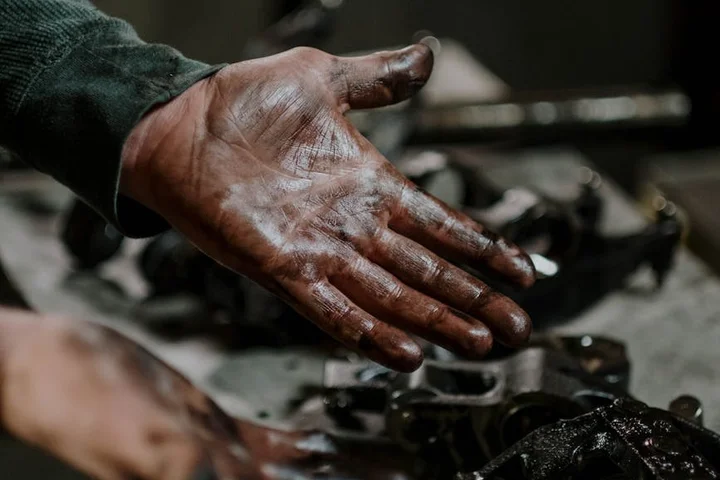
You finish fixing the lawnmower or frying chicken. Your hands are slick and stained.
Regular hand soap often leaves that greasy film behind. You need a better plan.
The Dish Soap and Sugar Scrub (My Go-To)
This is my daily solution after cooking with Jason and Jessica. It’s simple and works every time.
- Wet your hands with warm water.
- Squirt a generous amount of plain dish soap (like Dawn or Palmolive) into your palm.
- Sprinkle a teaspoon of white sugar over the soap.
- Scrub your hands together vigorously for 30 seconds. Feel the sugar granules working.
- Rinse thoroughly with warm water.
The soap acts as the surfactant, grabbing the oil.
The sugar adds gentle, natural abrasion to help lift the grime from skin crevices without being harsh.
I use this for cooking oil, light soil from gardening, and my son’s bicycle chain grease.
For Stubborn, Ground-In Grime (Roger’s Method)
My husband Roger comes in from working on the truck. His hands have black, ground-in grease that dish soap alone can’t touch.
He uses an “oil-in-oil” principle. Grease is oil. To loosen thick grease, you sometimes need another oil first.
He grabs a dab of cheap hair conditioner or a spoonful of mayonnaise from the fridge.
He massages it into his dry, greasy hands for a minute. It looks messier, but it’s working.
The conditioner or mayo helps dissolve and loosen the hardened grease, making it easier for the soap to grab it all.
After the oil massage, he uses the dish soap and sugar scrub. The grime washes away cleanly.
Avoid harsh powdered cleaners or heavy solvents on your skin. They can cause irritation and dryness.
Under the Nails and Cuticle Care
That black line under your thumbnail is the final boss of hand cleaning.
A soft-bristled nail brush is your best friend. Use it with your dish soap under running water.
My mom, Martha, taught me an old trick for stains and odors.
After washing, rub a fresh slice of lemon over your nails and fingertips.
The citric acid helps lighten stains and leaves your hands smelling fresh, not like a garage.
Just rinse afterward, as lemon juice can be drying.
Saving Work Clothes: Jeans, Jackets, and Heavy Fabrics
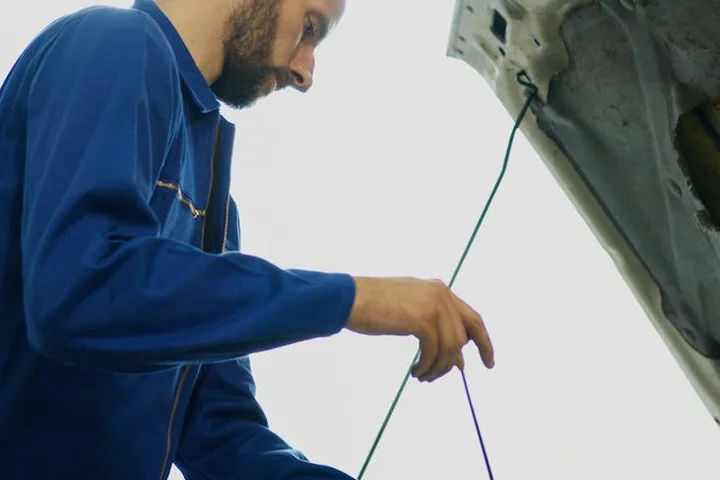
How do you remove grease and oil from work clothes? The goal is to break the oil’s grip before it bonds permanently with the fibers. For detailed steps, see how to remove grease stains from clothes.
My husband Roger’s jeans tell the story of every weekend project. I’ve learned to treat grease fast.
Immediate Action at the Scene
If the grease spill just happened, your first move is absorption. Don’t rub it.
Grab cornstarch, baby powder, or even flour from the kitchen.
- Sprinkle a thick layer over the entire stain.
- Let it sit for 15-20 minutes. You’ll see it turn clumpy and dark as it soaks up the oil.
- Brush all the powder off thoroughly.
This simple step can pull out enough fresh oil to make the later washing effortless.
Never, ever put an oil-stained item in the dryer. Heat bakes the stain into the fabric forever.
The Laundry Trio That Rarely Fails
For a stain that’s had time to settle, I use a three-step attack. It works on Roger’s shop coats every time.
- Apply Liquid Dish Soap. I use a clear, blue Dawn dish soap. Squirt it directly on the stain, rub it gently into the fabric with your fingers, and let it sit for at least 15 minutes. Dish soap is designed to cut through cooking grease on plates, and it works the same magic on fabric.
- Add a Baking Soda Paste. Make a thick paste with baking soda and a little water. Spread this over the dish soap area and let it dry completely. This helps lift and absorb any remaining residue.
- Wash with Hot Water. Finally, wash the item by itself in the hottest water the care label allows. Use a heavy-duty detergent. I always double-check the stain is gone before I even think about the dryer. If a shadow remains, repeat the steps.
Patience here saves a favorite pair of jeans. Let the cleaners do their work before rushing to dry. With tough stains, the effectiveness of dry cleaning often shines when given time. This patient approach helps you see how well professionals tackle stubborn marks.
When Stains Have Set (The Rescue Soak)
Old, set-in stains need a stronger approach. This is my go-to for Jason’s soccer practice jeans after a season of grass and dirt stains mixed with food grease. No amount of scrubbing worked on those grease stains, so I tried this method.
Fill a bucket or sink with warm water. Add a scoop of an oxygen-based bleach like OxiClean according to the package directions.
Submerge the stained clothing and let it soak overnight. In the morning, you’ll often see the stain has simply vanished into the water, especially if you used the right technique for dye stains.
This oxygen bleach soak is my secret weapon for colored fabrics because it’s gentler than chlorine bleach but powerful on organic stains. It’s especially effective on biological stains like sweat, blood, and dairy. For protein-based stains, it lifts them without dulling colors.
It works on protein-based grease from food, too. Always do a quick colorfastness test on an inside seam first to be safe.
Accessories and Gear: Belts, Bags, and Tough Surfaces
How do you remove grease and oil from accessories? The method changes completely based on the material.
Treating a leather belt like a cotton shirt will ruin it. Here’s how I handle the gear that comes with a busy life.
Cleaning Leather Work Gloves and Belts
Water is leather’s enemy. It can dry it out, crack it, and leave permanent water spots.
For Roger’s leather work gloves or a nice belt, I use a dedicated leather cleaner and conditioner. A tiny dab of saddle soap on a damp, soft cloth works too. I always make sure to follow appropriate cleaning methods for different types of leather.
- Apply the cleaner in a gentle, circular motion.
- Wipe away the grease and dirt with a clean part of the cloth.
- Let it air dry completely away from heat.
- Finish with a leather conditioner to restore moisture and softness.
Conditioning after cleaning keeps your leather gear supple and ready for more work.
Reviving Nylon Backpacks and Tool Bags
For synthetic materials like nylon, a degreaser made for outdoor gear is fantastic. I keep a can of spray degreaser in the garage for Roger’s tool bags and Jason’s grimy school backpack.
If you want a simple DIY mix, try this.
Fill a small spray bottle with one cup of water, one tablespoon of white vinegar, and a single drop of dish soap. Shake it gently.
Spray it on the greasy area of the backpack and wipe it clean with a damp microfiber cloth. The vinegar helps cut grime and deodorize.
Hard Items: Tools, Plastic, and Metal
For non-porous surfaces, an all-purpose degreaser spray is quick and effective. It cuts through the oily film on tools or plastic bins with ease.
My mother-in-law Brianna taught me her favorite non-toxic trick for hard surfaces.
She simply pours a little rubbing alcohol onto a clean rag. Wipe down the greasy tool, handle, or plastic surface.
The alcohol cuts through the grease instantly and evaporates in seconds, leaving no sticky residue behind.
It’s my first reach for cleaning bike chains or garden tool handles before they come back into the house.
Chemistry Corner: Why Dish Soap is a Grease Superhero

Let’s start simple. Grease and oil are purely oil-based stains.
Water just beads up and rolls right off them. You see this every time you wash a pan.
Water molecules are clingy. They stick tightly to each other and push oil away. They need a mediator.
That’s where dish soap shines. Its molecules are genius little shapeshifters.
One end loves water. The other end loves oil and grease. Imagine a friendly bouncer with a bright smile and strong arms.
The oil-loving tails swarm a grease blob, surrounding it. The water-loving heads face outward, making the whole package suddenly acceptable to water.
Now, when you rinse, the water happily escorts the oily troublemaker right out of the fabric club.
Dish soap doesn’t destroy grease. It convinces water to wash it away.
What to Keep in Your Stain-Fighting Kit (Recommended Products)
You don’t need a garage full of potions. I keep these categories on hand, and they cover 99% of our family’s grease battles.
From Roger’s mechanic hands to Jason’s soccer jersey grass stains, this kit works.
For Hands and Pre-Treatment
- Liquid Dish Soap: The classic clear or blue type is a standard for good reason. It’s concentrated for grease. I use it to pre-treat shirt collars and scrub hands before they even touch a towel.
- Fine White Sugar or Cornmeal: For scrubs. Add a spoonful to your soapy palms. The grit helps scrape off embedded grime without being as harsh as salt. My Aunt Jessica taught me this trick for post-cooking cleanups.
- Cheap Hair Conditioner: For super gritty, dry hands. Massage it in, let it sit a minute, then rinse. It helps soften and lift that ground-in grease and dirt Roger gets from the lawnmower.
For Laundry
- Heavy-Duty Liquid Laundry Detergent: Look for “enzymes” on the label. Enzymes are like little Pac-Men that break down protein and fat stains. This is my first line of defense for oily work clothes.
- Oxygen-Based Bleach Powder: Color-safe bleach. It’s fantastic for lifting the dull, gray shadow left behind after you get the main grease spot out. I use it on Jason’s white socks and gym clothes.
- Spray Bottle: For pre-treatment mixes. I keep one filled with a 50/50 mix of water and detergent. Seeing a new stain? Spray, rub, let it sit. No fuss.
For Surfaces and Gear
- All-Purpose Degreaser Spray: For tools, patio furniture, the stovetop. It cuts through built-up film that soap can’t touch. Just test it on a hidden spot first.
- Microfiber Cloths: They grab and hold grease way better than terry cloth or paper towels. I use the blue ones for cleaning and the yellow ones for polishing.
- Isopropyl (Rubbing) Alcohol in a Spray Bottle: My secret for quick cleanups on non-porous surfaces. It evaporates fast and cuts light oil. Great for wiping down bike chains or cleaning scissors after cutting duct tape.
This isn’t a shopping list, it’s a strategy. With these basics, you’re ready for almost any greasy mess.
FAQ about Removing Grease and Oil Stains
How quickly should I treat a grease stain on my clothes to prevent it from setting?
Act immediately-blot excess grease and apply dish soap within minutes. The longer oil sits, the harder it is to remove, so pre-treat cooking oil stains before the stain dries.
What’s a safe alternative to dish soap for cleaning greasy hands if I have sensitive skin?
Use a mild, oil-based cleanser like coconut oil or olive oil to dissolve the grease, then wash with a gentle soap. This avoids harsh surfactants that can irritate sensitive skin or damage fabric.
Can I use the same method to remove oil from my leather boots as I do for my leather belt?
Yes, always use a dedicated leather cleaner and conditioner for any leather item. Avoid water-based soaps, as they can dry out and damage the leather. For stain removal on leather, suede, and other delicate materials, use care tips tailored to each material.
What should I do if a grease stain on my work shirt doesn’t come out after washing?
Do not dry the shirt; repeat the dish soap and baking soda paste treatment, then soak in oxygen bleach before washing again. Heat from drying sets stains permanently.
Is it safe to use rubbing alcohol on all types of accessories and gear?
Rubbing alcohol is safe for non-porous surfaces like metal and plastic, but test on a hidden area first. Avoid using it on painted, varnished, or delicate materials as it can cause damage.
Keeping Your Hands and Clothes Clean for the Long Run
Beating grease is about speed and using the right tool for the job. Remember my story about Roger’s hunting jacket, the one saved because he treated it before the oil set? That’s the rule I live by.
I write about all kinds of battles, from Jessica’s art smocks to the mess Peeta tracks in. For more tips that work in a real, busy home, follow along right here on the blog.
Written by Suzanne Rosi Beringer. Suzanne is an accomplished chemist, laundry expert and proud mom. She knows the science and chemistry of stains and has personally deal with all kinds of stains such as oil, grease, food and others. She brings her chemistry knowledge and degree expertise to explain and decode the science of stain removal, along with her decades long experience of stain removal. She has tried almost everything and is an expert on professional and DIY stain removal from clothes, fabric, carpet, leather and any other items dearest to you.