How to Remove Milk Odors and Stains from Your Carpet for Good
That sour milk scent creeping from your carpet is a worry, but you can fix it. Your first move is always to blot up as much liquid as possible, then apply a mix of white vinegar and water to cut the odor before it sets.
This article covers my proven, step-by-step methods to make your carpet fresh again. Here’s what you’ll get:
- The immediate three-step blotting method that prevents a stain from becoming permanent.
- How to make powerful, non-toxic cleaners from common kitchen staples like vinegar and baking soda.
- Why enzymatic cleaners are the secret weapon for stubborn, old milk smells.
- A simple trick using sunlight to banish last traces of odor after cleaning.
- Clear signs that a stain needs professional attention instead of a home remedy.
I give this advice from experience, having cleaned up everything from my toddler’s spilled sippy cup to my labrador’s messy bowl.
Stop Panic: Your First Response to a Milk Spill
I heard the crash from the other room. Jessica, my three-year-old, had knocked her full sippy cup off the coffee table. A white river was soaking into the beige carpet. My first thought? “It’s just milk, it’s fine.” That was my mistake.
Milk is sneaky. It looks innocent but leaves a lasting mark if you wait. Let’s talk about your first move.
Panic-Level: How Urgent Is This?
On a scale of 1 to 10, a fresh milk spill is a solid 7. It’s a double threat. The proteins and fats can stain, and the sugars breed bacteria that cause that awful sour smell.
The clock starts ticking the moment it hits the fibers. I learned this the hard way when Peeta, my golden retriever, knocked over a cereal bowl. The one-hour window is everything.
The Golden Window for Milk Spills
You have about 60 minutes before the trouble really starts. Acting fast does two critical things. It stops milk proteins from bonding permanently with the carpet fibers. It also prevents bacteria from multiplying and creating that sour odor you dread.
Immediate Action: What to Do Right Now
This is exactly how you get milk out of a carpet in the first five minutes. Grab a clean, white cloth or a stack of paper towels. A white cloth prevents dye transfer from a colored rag.
- Remove any solid bits (cereal, cookie crumbs) with your fingers.
- Press the cloth firmly onto the wet spot. Do not rub or scrub. You want to absorb, not spread.
- Keep pressing with fresh sections of the cloth until no more moisture transfers.
Use cool or room-temperature water for any rinsing now, never hot. Hot water can cook the proteins into the fibers, making the stain permanent. Being aware of stain removal mistakes to avoid helps protect fabrics. The next steps will highlight common pitfalls.
On-the-Go Fix with Common Items
Spilled a latte in a waiting room or at a friend’s house? Don’t freeze. This is a hold-over fix until you can do a proper clean.
- Blot up what you can with napkins.
- Sprinkle a little salt from the shaker on the damp area. It helps absorb moisture.
- Dab gently with a napkin dampened with club soda or a tiny drop of clear hand soap from the bathroom.
- Blot it all dry with more napkins.
This won’t remove the stain completely, but it buys you time.
Step-by-Step: Getting the Milk Stain Out
Now for the main event. These are the most effective methods for removing milk stains from carpets, whether you just spilled or found an old one. These tips also apply to clothing, so you can tackle fabric stains as well. The following steps cover stain removal methods for clothing and carpets alike.
Your Cleaning Toolkit: From Dish Soap to Enzymatic Cleaners
Under my sink, I have a tiered system. For a fresh spill, I grab my dish soap mix. For anything I suspect is older or smells, I go straight for the enzymatic cleaner.
Always, always test your chosen cleaner in a hidden corner of the carpet first, like in a closet. Wait for it to dry to check for color fading or texture change.
Safe DIY Alternatives for Milk Stains
You likely have what you need in the kitchen.
- Dish Soap Solution: One drop of clear dish soap in two cups of warm water. Soap cuts through the milk fat.
- Vinegar Rinse: One part white vinegar to three parts cool water. The mild acid helps break down proteins and neutralize odors.
- Baking Soda Paste: Mix baking soda with a little water to form a paste. Spread it on a dried, odor-causing stain. Let it dry completely, then vacuum. It absorbs smells.
Recommended Product Types
When DIY isn’t enough, these product categories are your best bet.
- Enzymatic or Bacterial Cleaners: Often marketed for pet stains. These contain live bacteria that eat the organic matter in milk, eliminating the source of the odor. My go-to for any spill I didn’t see happen.
- Oxygen-Based Cleaners (Powders): You mix these with water. They release oxygen bubbles that lift stains and are generally color-safe. Great for visual stains on colorfast carpets.
- Carpet-Specific Foam Cleaners: These are formulated to not overwet the carpet pad. They’re a good middle-ground option for general cleaning after you’ve treated the spot.
The Detailed Cleaning Process
Your path depends on what you’re facing. Gather a spray bottle, clean white cloths, a soft-bristled brush (an old toothbrush works), and a wet vacuum if you have one.
For Fresh Stains
- Blot up as much milk as possible with dry cloths (from the Immediate Action steps).
- Lightly spray or dab your chosen cleaning solution onto the stain.
- Let it sit for 5-10 minutes. Don’t let it dry.
- Blot vigorously with a clean, damp cloth to lift the solution and stain.
- Rinse the area by dabbing with a cloth dampened with plain cool water.
- Blot until as dry as possible.
For Dried or Set-In Stains
This is how I tackle the ghost of Jason’s forgotten bedtime cereal bowl.
- Gently scrape off any dried, crusty residue with a dull knife.
- Soak the stain with your cleaning solution. For a serious one, I use an enzymatic cleaner.
- Let it sit for 15-20 minutes. This gives cleaners time to break things down.
- Gently agitate the fibers with a soft brush to work the solution deep down.
- Blot up all the dirty liquid.
- Rinse thoroughly by blotting with a water-dampened cloth. This step is non-negotiable to avoid a sticky, dirt-attracting residue.
- Blot dry.
Post-Treatment: Drying and Checking the Stain
The final step is as important as the cleaning.
Force air circulation. Open windows, point a fan at the area, or run a ceiling fan. If you can lift the carpet corner and dry the padding underneath, do it.
Before you call it done, get on your hands and knees and look at the spot from different angles in natural daylight. A shadow or slight discoloration means there’s still residue to lift. Re-treat it now while the area is damp.
Never use a hair dryer, space heater, or direct sun to dry the spot. Heat will bake any remaining milk proteins or cleaning soap into the carpet, creating a permanent stain or attracting new dirt.
Fixing the Smell: How to Remove Sour Milk Odor
If you’re asking how to get sour milk smell out of carpet, I understand. I’ve cleaned up after Jessica’s overturned cup and Roger’s forgotten travel mug. Carpet freshness means attacking the odor where it lives.
Why Milk Smells Sour: A Quick Chemistry Lesson
That sour smell isn’t just old milk. It’s science. Natural bacteria in the air land on the spill and feast on the milk sugars.
These bacteria produce lactic acid, and that acid is the source of the sharp, sour odor you smell.
So, to truly remove the smell, you need to neutralize that acid and eliminate the bacteria.
Effective Methods to Neutralize Odors
What are effective methods for removing milk odors from carpets? Start gentle and move stronger. Here are your best options. The same methods also work for gasoline odors in carpet and upholstery. In the next steps, we’ll show how to remove gasoline smell from carpet upholstery.
Using Vinegar and Baking Soda
This duo is my first choice for a recent spill on our family room rug. Vinegar tackles the acid, baking soda soaks up the smell.
- Mix one part white vinegar with one part water in a spray bottle.
- Lightly spray the area until it is damp, not soaking wet.
- Let it air dry completely. This gives the vinegar time to neutralize the lactic acid.
- Sprinkle a thick layer of plain baking soda over the dry spot.
- Let it sit for at least three hours. Overnight is better for deep odors.
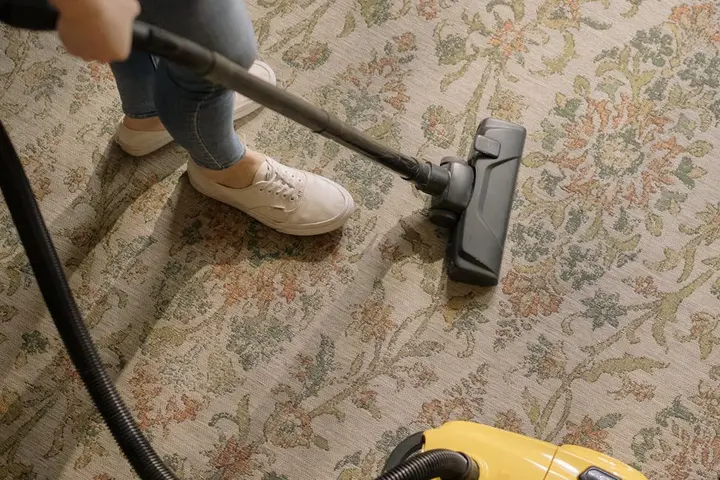
- Vacuum the baking soda away thoroughly.
The vinegar breaks down the sourness, and the baking soda absorbs what’s left, leaving a neutral, clean surface.
Commercial Odor Eliminators
For a smell that won’t quit, you need specialized help. I look for enzyme-based cleaners or bacterial digesters.
These products contain live cultures that actually eat the milk proteins and sugars, removing the odor’s food source.
This is my secret for car carpets, learned after Roger’s hunting cooler leaked milk in the trunk for a week.
Spray it on, let it penetrate deep into the fibers as the label directs, and allow it to dry fully. It’s the most reliable fix for enclosed spaces.
What Helped Me: A Pro-Tip from Experience
After Peeta had an accident on the hallway runner, I thought I’d cleaned it well. The sour smell came back days later.
My hard-won pro-tip is this: for any liquid spill, you must treat the carpet pad underneath, not just the surface.
I now use an enzyme cleaner, pour a small amount to soak deep, and point a fan at the area for a full day to ensure everything is bone-dry.
A hidden trick from my mom, Martha? After cleaning, place a small bowl of activated charcoal nearby. It pulls lingering odors right out of the air, especially smoke odors.
Expert Advice for Tough Cases and Prevention
Some situations need extra care, like how to get milk smell out of car carpet. Here’s how to handle tough cases and stop them before they start.
Critical Warnings: What Never to Do
Avoid these actions to prevent permanent damage or a worse smell.
- Never use chlorine bleach on milk stains. It can react with the proteins and create a permanent yellow stain.
- Do not use excessive heat from a hair dryer or iron. Heat can cook the proteins into the fibers, setting the odor.
- Don’t soak the carpet with hot water or cleaner without a wet vacuum to pull the moisture back out. A soaked pad breeds mold.
Always test your cleaning solution on a hidden corner first, especially on delicate materials like wool or silk blends.
Surface Compatibility: Carpet vs. Car Interior vs. Upholstery
Your approach changes with the surface. Use this quick checklist from my own home.
- Home Carpet (Wall-to-wall): Blot well, clean from the edges inward. My carpet shampooer’s suction is key for pulling moisture from the pad.
- Car Interior Carpet: Extraction is everything. Use a wet-dry vac or thick towels to pull up as much liquid as possible. Mildew grows fast in a closed car.
- Upholstery (like our living room couch): Blot gently. Avoid heavy spraying. You want to clean the fabric, not soak the cushion foam inside.
When NOT to Try DIY Methods
DIY has its limits. Call a professional carpet cleaner in these scenarios.
If the spill covers a very large area, like a whole spilled gallon jug.
If you see visible mold or the sour smell is overpowering even after cleaning.
If the carpet is an antique, a valuable heirloom, or has unknown fibers, the risk of damage is too high for home experiments.
Preventing Future Milk Mishaps
Stopping spills is easier than cleaning them. Try these simple rules from our house.
- Make a “drinks at the table” rule. Jessica and Jason know their cups stay on the kitchen tile.
- Use washable waterproof mats under high chairs or in favorite snack spots. They catch the drip.
- Act fast. The moment you see a spill, blot it. Immediate action prevents smells and stains from ever setting in.
Fresh carpets come from quick blotting and smart habits, not magic cleaners.
FAQ about Removing Milk Smells and Stains from Carpets
How fast do I need to act on a milk spill to prevent a lasting smell?
You have about a 60-minute window. Blot up the liquid immediately with clean cloths to stop bacteria from multiplying, as this is what causes the sour odor.
What’s a safe, quick cleaner I can use on a delicate wool or antique carpet?
For delicate fibers, mix a drop of clear dish soap with cool water. Always test this solution on a hidden area first, and blot gently—never scrub—to avoid damaging the weave, especially when cleaning wool.
I cleaned the stain, but the sour smell came back. What did I miss?
The smell returned because bacteria likely survived in the carpet pad. Stains and spills can seep through the padding, spreading odor and making the problem harder to fix. Use an enzymatic cleaner designed to digest organic matter, applying enough to penetrate deep into the pad, and ensure the area dries completely with a fan.
I don’t have vinegar or baking soda. What’s another household item that works?
A solution of cool water and a drop of clear dish soap is effective for fresh stains (but not for soap detergent stains on clothes). For odors, sprinkle plain salt on the damp area to absorb moisture and smells before vacuuming.
How can I make sure my carpet stays fresh and doesn’t attract dirt after cleaning?
The key is a thorough, residue-free rinse with a cloth dampened with cool water after cleaning. Ensure the spot is bone-dry with good airflow; any leftover cleaning solution will act as a magnet for new dirt. This will help prevent stains after washing.
Your Final Move for a Fresh Carpet
Speed is your best tool: blot up milk spills right away and treat them with an enzyme cleaner to break down the proteins behind both stains and smells. That enzyme-driven breakdown is stain-cleaning science in action. It highlights how enzymes target proteins to lift stains and neutralize odors. I’m always testing methods on messes from Jason, Jessica, and Peeta, so for more real-world advice, follow along with our stories on Stain Wiki.
Written by Suzanne Rosi Beringer. Suzanne is an accomplished chemist, laundry expert and proud mom. She knows the science and chemistry of stains and has personally deal with all kinds of stains such as oil, grease, food and others. She brings her chemistry knowledge and degree expertise to explain and decode the science of stain removal, along with her decades long experience of stain removal. She has tried almost everything and is an expert on professional and DIY stain removal from clothes, fabric, carpet, leather and any other items dearest to you.