Enzyme Detergents vs. Bleach: Which is Better for Biological Stains?
Staring at a biological stain and wondering if you should grab the bleach or the enzyme detergent? For protein-based messes like blood or sweat, an enzyme cleaner is your best first move-it breaks down the stain without harming most fabrics.
We’ll walk through the science and the practical steps so you can clean with confidence. Here’s what we’ll cover:
- What makes a stain ‘biological’ and why it matters
- How enzyme detergents quietly dismantle proteins
- The specific, limited scenarios where bleach is actually helpful
- My go-to method for tackling kid and pet accidents
- A simple cheat sheet to decide which to use
I’ve spent years cleaning up after my kids, Jason and Jessica, and our labrador Peeta, so I know what works in real life.
What Makes Biological Stains So Stubborn?
Biological stains come from living things. You see them every day: blood from a scrape, grass stains on soccer shorts, mud from the yard, spilled gravy, or a pet accident on the rug.
They cling so tightly because they are made of proteins and sugars. These molecules bond with fabric fibers almost like glue. Heat from a dryer or even warm water can cook these bonds, setting the stain permanently.
Let’s have a quick Chemistry Corner. I group these stains by what they’re made of. Protein-based stains include blood, egg, and sweat. Starch-based stains come from foods like gravy, pudding, or oatmeal.
Jessica, my three-year-old, once spilled a berry smoothie on our light-colored couch. The purple mess looked wet and easy, but I knew the fruit sugars and proteins were already sinking in deep.
These stains cause three big problems. They leave a lingering odor, create ugly discoloration, and are easily set if you panic and use the wrong method first.
The Science of the Gunk: Protein vs. Starch
Proteins are built like long, knotted ropes. When they hit fabric, they twist and tangle themselves into the tiny spaces between threads.
Starches act more like a sticky paste. They coat the fibers and harden as they dry, leaving a visible, often crusty film. Treating a protein stain like a starch stain (or vice versa) is why many home remedies fail, especially when you don’t use the right enzymatic cleaners for protein or starch stains.
Material Red Flags: Fabrics That Fear Biology
Delicate fabrics need extra care with biological messes. Silk and wool can be damaged by both the stain and aggressive cleaning. Some synthetics, like rayon, are also surprisingly fragile when treated for stains.
Your first move for any fresh biological stain should always be to blot, never rub. Rubbing grinds the stain deeper and can harm delicate fibers immediately.
The Enzyme Approach: Your Stain’s Personal Chef
Enzyme detergents work like a tiny, precise kitchen staff. They use “molecular scissors” called enzymes to chop large stain molecules into tiny, washable pieces.
The main types you’ll find are protease (for cutting proteins) and amylase (for breaking down starches). Think of protease as a butcher and amylase as a baker for your stain.
I put this to the test on Peeta’s towel after a muddy park visit. I used a commercial enzyme presoak, let it work for an hour, and the muddy water rinsed away completely in the wash.
For a fresh stain, here is my basic enzyme method. Blot up any excess. Rinse the area from the back with cold water. Apply the enzyme cleaner liberally. Let it sit for the time listed on the bottle before washing.
How to Use Enzyme Cleaners Correctly
To get the best from enzyme cleaners, follow these steps.
- Always start with a cold water rinse to remove surface debris.
- Apply the enzyme product directly to the stain, ensuring it’s fully saturated.
- Let it soak. Enzymes need time-30 minutes to overnight for tough stains.
- Wash the item normally with your regular detergent.
The most common mistake is using hot water too soon, as high heat will deactivate the enzymes and stop them working. Stick to cool or warm water for the entire process.
Safe DIY Enzyme Alternatives
If you don’t have a commercial product, look in your kitchen. Unseasoned meat tenderizer (which contains papain, a protease) can be made into a paste with water for protein stains.
For general organic mess, a thick paste of baking soda and water can help lift the material from the fibers before washing.
My mom, Martha, has an old trick for protein stains. She uses a drop of pineapple juice, which contains the enzyme bromelain. Always test any DIY solution, like pineapple juice, on a hidden seam first to check for color fading or damage.
The Bleach Blitz: Chemical Power and Peril
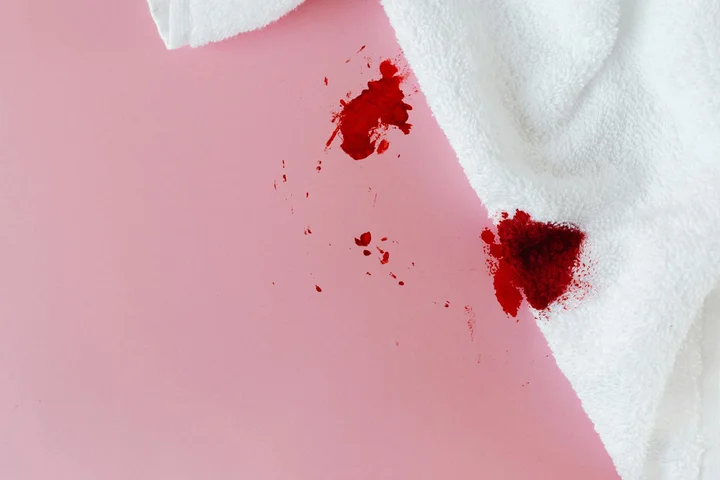
Bleach is a chemical bulldozer. It works through a process called oxidation. Think of how an apple turns brown when exposed to air. Bleach aggressively attacks and breaks apart the molecules that give stains (and fabric dyes) their color. This also destroys the cells of germs and bacteria.
You need to know about two main types. Chlorine bleach is your powerful disinfectant and whitener for sturdy white fabrics. Oxygen bleach (like the powder in my laundry room) is a gentler, color-safe alternative that still lifts stains through oxidation.
If your only question is “What kills the most germs?”, bleach wins every time. For sanitizing a surface after an illness or dealing with mold, a properly diluted chlorine bleach solution is the most reliable tool.
I learned about its power the hard way. My mom, Martha, once tried to remove a tea stain from a colored tablecloth with a “splash” of bleach. It left a pale, ghostly circle right in the center. The stain was gone, but so was the original dye.
When to Reach for the Bleach Bottle
Bleach has a specific job. Reach for it when you need to disinfect or brighten very durable, bleach-safe materials.
- White 100% cotton sheets, towels, or socks.
- Sanitizing non-porous surfaces like a kitchen sink or trash can.
- Removing dark mold or mildew stains from grout or patio furniture (always test first).
Safety is not optional with bleach. Always follow these steps.
- Always dilute it. I mix 1/2 cup of chlorine bleach with one gallon of cool water for laundry. For surfaces, check the bottle label.
- Always wear gloves. It’s harsh on skin.
- Always work in a well-ventilated area. Open a window.
Critical Warnings: The “Never” List for Bleach
Bleach will ruin these materials. Do not use it on wool, silk, spandex, leather, or any colored fabric you care about. It will eat holes or cause yellowing.
Never use chlorine bleach on a urine stain, especially pet urine. The ammonia in urine can mix with bleach to create a dangerous, toxic gas.
My final rule is absolute. Never, ever mix bleach with any other cleaner, especially ammonia or vinegar. These combinations can produce lethal fumes. I only use bleach with cool water.
Head-to-Head on Protein Stains: Blood, Grass, and More
This is where the choice gets interesting. Protein stains come from living things. Think blood, grass, sweat, milk, or egg yolk. Enzymes are designed to “digest” these proteins, breaking them into smaller pieces that wash away. This is especially true for blood protein stains, which require enzymatic cleaners for effective removal.
Bleach just attacks the color. For a grass stain on white jeans, bleach can be great for the final whitening after the mud is gone. For blood on a colored soccer jersey, enzymes are the safer, more effective choice because they remove the stain without removing the shirt’s color. It’s especially important to be cautious with grass stains from sports pants fabrics, as they can be stubborn and potentially damage the fabric if treated incorrectly.
So, which is better for protein-based stains? For anything colored or delicate, enzymes win. For solid white cotton, you have a choice between a soak in oxygen bleach or an enzyme presoak, but I start with enzymes to actually break down the stain first.
I see this weekly. My son Jason plays soccer, and his white team socks are always caked in grass and dirt. I use an enzyme detergent on the colored jerseys for grass and blood. For the socks, I let them soak in an oxygen bleach solution after the main wash to bring back the bright white.
The Step-by-Step for a Bloody Nose
Whether it’s from a playground fall or a winter dry spell, blood happens. The first step is always the same, no matter your weapon of choice.
Immediately rinse the stain from the back with cold water. This flushes the protein out of the fabric before it sets. Do not use warm water, as it will cook the protein into the fibers.
For a colored or delicate fabric, follow the enzyme path.
- After rinsing, soak the item in a basin of cool water mixed with an enzyme cleaner. I use one scoop of a powder detergent with enzymes.
- Let it soak for at least 30 minutes, or even overnight for old stains.
- Wash as normal in the coldest water recommended for the fabric.
For a sturdy, white cotton item, you can use a bleach soak.
- After the cold water rinse, prepare a dilute bleach bath: 1 tablespoon of chlorine bleach per gallon of cool water.
- Soak the item for no more than 10 minutes. Watch it closely.
- Rinse thoroughly with cool water, then launder normally.
Head-to-Head on Starch and Food Stains
Picture a blob of oatmeal, a splatter of spaghetti sauce, or a smeared glob of pudding. My daughter Jessica is a master at creating these works of art on her clothes. For these sticky, starchy messes, your choice of cleaner makes all the difference.
Enzyme detergents are my first grab from the cupboard. Think of enzymes as tiny Pac-Men for stains. They actively break apart the long chains of carbohydrates in starches and sugars.
Enzymes digest the stain itself, turning a thick paste into smaller, water-soluble pieces your washer can rinse away.
Chlorine bleach works differently. It’s a powerful oxidizer that attacks color molecules. It can make a white shirt look brighter by destroying the yellow or brown tint of the stain, especially when you need to remove yellow stains from white clothes.
But bleach doesn’t actually remove the starchy substance. It just makes it harder to see on white fabric. On colors, bleach will attack the dye, creating a faded spot where the stain used to be.
Fixing a Set-In Starch Stain
I found one of Jason’s old t-shirts with a crusty, forgotten pasta sauce stain. Starch sets like glue when it dries, especially if it met hot water. My aunt Jessica learned that the hard way with a wine and pasta dinner mishap.
Here is how I tackle a set-in starch stain:
- Re-wet the stain completely with cool water. Hot water cooks the starch, making it permanent.
- Apply a pre-treatment paste of enzyme detergent and a few drops of cool water. Smear it on thick.
- Let it sit for 30 minutes. The enzymes need this time to start breaking things down.
- Gently brush the fabric against itself or use a soft toothbrush to loosen the residue.
- Wash in the coolest water recommended for the fabric, with more enzyme detergent.
Patience and cool water are your best tools for reviving a shirt with an old food stain.
Safety, Colors, and the Planet: The Big Picture
This is where the choice between enzymes and bleach becomes really clear for everyday use.
Enzyme detergents are generally safer for colored fabrics and more environmentally friendly. They break down into harmless substances after cleaning. Bleach creates harsh byproducts and can weaken fabric fibers over many washes, causing tiny holes.
But each has drawbacks. Enzymes are finicky. They need time to work and are deactivated by very hot water or, crucially, by bleach. Bleach is harsh on dyes, harmful to breathe, and tough on septic systems and waterways.
Can you use them together? Absolutely not. This is a common mistake. Adding bleach to an enzyme wash immediately destroys the enzymes. You get all the drawbacks of bleach with none of the smart cleaning power of the enzymes.
Protecting Your Favorite Colored Shirt
For my husband Roger’s good colored polos or my son’s bright soccer jerseys, I always choose an enzyme detergent. For extra brightening power on whites within colors, I use an oxygen-based bleach (like OxiClean), which is much color-safe.
No matter what, always do a hidden spot test first. Apply your cleaner to an inside seam or hem, wait 10 minutes, rinse, and check for color loss or damage. This simple step saved my favorite blue shirt.
What About the Driveway or Car Interior?
The same principles apply off your laundry room. For Peeta’s occasional accident on the concrete driveway, I use an enzyme-based pet stain cleaner. It breaks down the organic matter and eliminates the odor at the source.
For green mold on siding, a heavily diluted bleach solution can be necessary, but I wear gloves, goggles, and rinse the area thoroughly. For my car’s upholstery? Enzymes win again. A good interior cleaner with enzymes safely tackles spilled milk or food in car carpets without risking faded spots.
Your Practical Choice: The Stain Removal Decision Tree

Let’s cut through the science talk and get to what you do at the sink. Here’s my mental checklist, the one I use every time Roger tracks in grass stains or Peeta has an accident on the rug.
I ask myself three quick questions.
- What color is the fabric? Is it pure white and sturdy, like a cotton sock or kitchen towel? Bleach is a candidate. Is it any color at all, or a delicate fiber like silk or wool? My hand immediately goes for the enzyme detergent. I ruined one of my favorite navy blue shirts years ago by being careless with bleach, a mistake I won’t repeat.
- What is the stain made of? Is it a “biological” stain from a living thing-blood, grass, food, sweat, urine, vomit? Enzymes are the specialists here. Is it mold, mildew, or a stain where killing germs is the top priority, like on a bathroom surface? That’s bleach’s territory.
- How old is the mess? For a fresh juice spill on Jason’s soccer jersey, a quick rinse and enzyme soak works miracles. For a set-in, mysterious brown spot on the garage floor mat, I might pre-treat with an enzyme cleaner, then use a diluted bleach solution on a white rag for a final pass, because that stain has had time to really bond.
You blend these answers to make your choice. White fabric + biological stain + need to disinfect? Diluted bleach works. Colored fabric + biological stain? Enzymes are your only safe bet.
Just last week, I stood in the laundry room holding Jessica’s ketchup-smeared shirt. White cotton. I thought about bleach. But ketchup has oils and proteins. I knew an enzyme detergent would eat the stain better and was safer for the tiny printed unicorn on the front. I soaked it in a sink of enzyme cleaner, and it came out perfect. I still have to think it through every single time.
Quick Reference: When to Use What
Here is my go-to list for common battles. Remember the universal first step: always blot up as much as you can with a clean cloth, then flush the area with cool water.
- Fresh blood on jeans: Cool water rinse, then soak in enzyme detergent.
- Mold on a white PVC shower curtain: A spray of diluted bleach solution, rinse well.
- Grass stains on soccer shorts (green fabric): Pre-treat with a paste of enzyme detergent, wash in warm water.
- Pet urine on carpet: Blot, soak with an enzyme-based pet cleaner to break down the uric acid crystals.
- Vomit on a car seat (cloth): Scrape, blot, then clean thoroughly with an enzyme upholstery cleaner.
- Yellowing underarm sweat on a white t-shirt: Soak in an oxygen-based bleach (like peroxide) first; for stubborn set-in stains, a very dilute chlorine bleach soak can be a last resort.
- Spilled gravy on a tablecloth: Scrape, blot, pre-treat the grease and protein with an enzyme spray before washing.
My mom, Martha, always told me: “When in doubt on color, test it out.” Put a drop of your cleaner on a hidden seam first. That advice has saved more clothes than I can count.
FAQ about Choosing Between Enzyme Detergents and Bleach
1. I just got a grass stain on my kid’s colored soccer jersey. What’s my first step?
Immediately rinse the stain from the inside of the fabric with cold water to flush out the proteins. Then, apply an enzyme-based detergent or pre-soak directly to the stain and let it sit for at least 30 minutes before washing in cool water. This is especially important when treating blood stains on fabric.
2. Which is truly better for killing germs, like after cleaning up a sick mess?
For pure disinfection, a properly diluted chlorine bleach solution is the most reliable choice for non-porous, bleach-safe surfaces. For porous items like fabrics where color matters, use an enzyme cleaner first to remove the stain, then wash in the hottest water the fabric allows to sanitize.
3. Can I boost my laundry by adding bleach to an enzyme detergent?
No, never mix them. Adding bleach immediately deactivates the enzymes, rendering them useless. You will get the harsh effects of bleach without the targeted cleaning power of the enzymes.
4. I’m worried about fading. Which option is safer for my colored clothes?
Enzyme detergents are almost always the safer choice for colored fabrics, as they break down the stain without attacking the fabric dye. Chlorine bleach will strip color and cause permanent fading or whitening. For step-by-step tips and fabric-specific advice on removing dye stains from clothes, consult our detailed guide.
5. Which is generally the more eco-friendly choice for regular use?
Enzyme detergents are more environmentally friendly, as they break down into harmless substances after cleaning. Bleach creates harsh byproducts that can be tough on septic systems and waterways.
Choosing Your Champion: A Quick Recap
For the tough biological messes life throws at you, an enzyme detergent is almost always your safest and most effective first move. It tackles the stain at its source without the harsh risks of bleach. I keep a trusted enzyme cleaner under every sink in my house, and it has saved more laundry loads and upholstery than I can count. For more tips on tackling specific stains and caring for your home, follow along right here on the blog.
Written by Suzanne Rosi Beringer. Suzanne is an accomplished chemist, laundry expert and proud mom. She knows the science and chemistry of stains and has personally deal with all kinds of stains such as oil, grease, food and others. She brings her chemistry knowledge and degree expertise to explain and decode the science of stain removal, along with her decades long experience of stain removal. She has tried almost everything and is an expert on professional and DIY stain removal from clothes, fabric, carpet, leather and any other items dearest to you.