How Do You Remove Oil Stains from Clothing, Upholstery, and Household Linens?
Seeing an oil stain can make your heart sink, but don’t panic. Blot the excess oil right away, then apply a dab of dish soap (it cuts through grease like a pro).
Here’s exactly what we’ll cover to get your items clean:
- The simple science behind why oil stains cling and how to break their grip.
- Using household staples you already own, like cornstarch or baking soda.
- Tailored techniques for clothing, couches, and table linens.
- My proven method for old, set-in stains that have seen the dryer.
I’ve tested these methods for years, both professionally and on my family’s messes (from Roger’s workshop rags to Peeta’s oily paw prints).
Panic-Level Assessment: The Urgency of Oil Stains
I give oil stains a panic-level rating of 6 out of 10.
They need attention, but they won’t ruin your day.
A 6 means you have a clear window to act before things get harder.
Your golden window is the first 1 to 2 hours.
During this time, the oil is still on the surface before it soaks deep into the fibers.
Blotting quickly in this window can save you a lot of scrubbing later.
Even if you miss that window, don’t worry.
Oil stains are highly treatable long after they’ve dried and set.
Finding an old stain is common, and it’s almost always fixable with the right method.
I found a perfect example on my husband Roger’s work shirt last week.
A splatter of cooking oil from dinner had baked into the cotton for seven days.
It was a dull brown ring, but it came out completely with some dish soap and warm water.
Chemistry Corner: Why Oil Stains Are Such a Pain (And How to Beat Them)
Oils are hydrophobic. This big word just means they repel water.
Instead of mixing, oil bonds directly to fabric threads like a stubborn guest.
This is why pouring water on an oil stain usually makes a bigger, greasy mess.
Dish soap is your best friend here. It’s an emulsifier.
Imagine it grabbing the oil blob and breaking it into millions of tiny droplets.
These tiny droplets can then be surrounded by water and rinsed clean away.
Solvents like rubbing alcohol attack the stain from another angle.
They dissolve the oil, breaking its chemical bond with the fabric.
For a set-in stain on sturdy fabric, a solvent can be a powerful first step.
Remember making salad dressing with my aunt Jessica?
No matter how hard you shake it, the vegetable oil and vinegar always separate.
Dish soap works like the mustard in that dressing, forcing the oil and water to play nice together.
| Surface | Attack | Rinse |
|---|---|---|
| Clothing & Linens | Dish soap applied directly. | Wash in the washing machine. |
| Upholstery & Carpets | Dish soap in water, applied with a cloth. | Blot repeatedly with clean, damp cloths. |
| Hard Surfaces (Countertops, Driveways) | Dish soap applied directly or in a paste. | Wipe or scrub away with water. |
Think of it this way. For anything you can throw in the washer, you rinse with water. For anything you can’t, you rinse by blotting water out.
Your Step-by-Step Battle Plan for Clothing
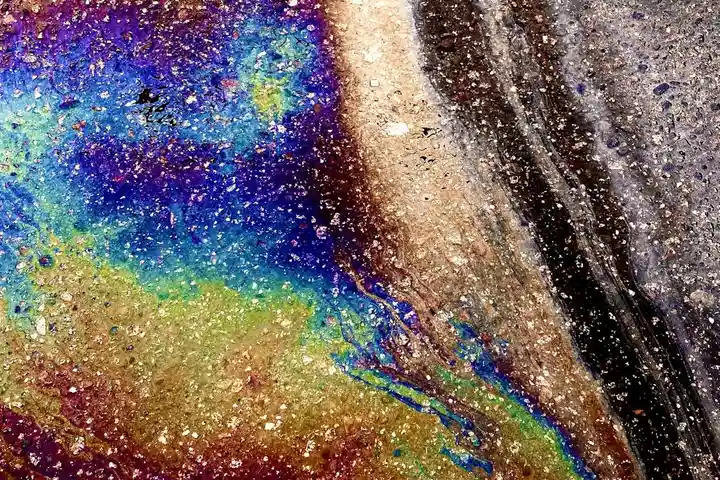
How do you remove oil stains from clothing? You act fast and you use what you already own. If you need to remove oil stains fast from clothes, this quick plan uses common household items you already have. I’ve saved countless shirts from Jason’s post-practice bacon cheeseburger disasters with this exact plan.
You will need:
- Dish soap (the classic blue Dawn is my go-to)
- A stack of paper towels or clean rags
- A blunt knife or spoon
- Access to a sink and your washing machine
Immediate Action: The First Five Minutes After the Spill
Grab those paper towels. Lay them over the stain and press down firmly. You will see the oil start to wick up into the paper.
Blot, don’t rub. Rubbing is the enemy here, as it grinds the oil deeper into the fibers.
For thick, congealed oils like coconut oil or bacon grease, use the edge of a spoon. Gently scrape the bulk of the solid grease off the fabric and onto a paper towel. This simple step saves you so much work later.
The Core Treatment: Letting Dish Soap Do Its Magic
Dish soap is made to cut through grease on plates. It works the same magic on fabric.
- Apply a small, generous dab of dish soap directly onto the stain, covering it completely.
- Gently work it into the fabric with your fingers. Don’t be aggressive, just make sure it’s in there.
- Let it sit for 5 to 15 minutes. I use this time to gather the rest of the laundry.
- Rinse the area thoroughly under the warmest water the fabric allows. Push the water through from the back of the stain to flush it out.
Do not put the item in the dryer until you are 100% sure the stain is gone. The heat will permanently set any lingering oil. Air dry it first, then check.
How do you get coconut oil out of clothes? Scrape first, then soap. Because it’s solid at room temperature, scraping is your most important first step to remove the physical layer of grease before you treat what’s left behind.
If the Stain Remains: Bringing in Reinforcements
Sometimes a tough stain needs a second wave. For a sturdy cotton like Roger’s work shirt, I make a thick paste of baking soda and a few drops of water.
I gently scrub this paste into the still-damp stain with my fingers, then let it sit for 30 minutes before rinsing. It provides a mild abrasion that helps lift the residue.
For a really persistent ring, I reach for rubbing alcohol (isopropyl alcohol).
Always do a patch test first. Dab a bit on a hidden seam, wait 10 minutes, and check for color bleeding or damage.
If the fabric passes, I dampen a cotton ball with the alcohol and blot at the stain. You’ll see the remaining oil transfer to the cotton ball. Follow up with another round of dish soap and a wash. For oil stain removal on clothing fabric, this method targets the grease at the source. It helps lift the oil before laundering.
A good pre-treatment stick or spray is a fantastic convenient option. I keep one in the laundry room for quick application on busy days.
Safety & Fabric-Specific Notes
That patch test I mentioned is non-negotiable. It takes one minute and can save a favorite blouse. Do it in an inner seam or hem.
Fabrics behave differently. My Aunt Jessica sent me a beautiful silk scarf once, stained with salad dressing.
For delicate silk or wool, I skip the dish soap initially. I gently blot the stain with cornstarch or talc to absorb the oil, let it sit for hours, then brush it away. For anything valuable or delicate, I recommend professional cleaning.
For durable cotton, canvas, or polyester blends, you can be more direct with the methods above. The fabric can handle the gentle scrubbing and rinsing.
Tackling Oil Stains on Upholstery and Couches
How do you remove oil stains from upholstery? You work slowly, with patience, and never skip the first step.
Before you touch that stain, find the manufacturer’s cleaning code tag, usually hidden under a cushion or along a seam. This code tells you what your fabric can handle. A ‘W’ means water-based cleaners are safe. An ‘S’ means you need a solvent. An ‘X’ means only vacuuming. Ignoring this is how I ended up with a permanent watermark on my first nice sofa. This tag is a quick shortcut to proper stain removal for fabric sofas. It keeps you on the right cleaning track.
Your Upholstery Cleaning Toolkit
You only need a few basic items to do this right. Gather white cloths or paper towels, a clear dish soap, a spray bottle with cool water, and a soft-bristled brush, like an old toothbrush.
Always use white cloths. I learned this the hard way after blotting a grease spot on a light pillow with a dark blue rag. The dye transferred, and I traded an oil stain for a blue one. White cloths show you the stain you’re pulling up, and they won’t bleed color.
The Blotting Method: How to Clean Without a Washer
You can’t toss your couch in the machine. This blotting method is your solution.
- Blot the excess. Gently press a stack of white paper towels onto the stain to soak up any loose oil. Don’t rub. Rubbing just pushes it deeper into the fibers.
- Apply your cleaner. Mix a drop of clear dish soap with two teaspoons of cool water. Dab this onto the stain with a cloth. Let it sit for five minutes. The soap will break the oil’s bond with the fabric.
- Agitate gently. Use your soft brush to lightly scrub the area in a circular motion. This helps the soap work into the fibers.
- Blot to rinse. This is the key step. Dampen a clean white cloth with plain cool water. Blot the soapy area repeatedly. Do not pour or spray water directly on the fabric, as that can force soap and stain into the cushion padding. Keep blotting with a clean part of the cloth until no more soapy residue comes up.
To finish, blot the area as dry as you can with a towel. Then, point a fan at it for a few hours. Quick drying prevents water marks and stops any leftover moisture from creating a musty smell. My dog Peeta’s greasy drool stain on the armchair disappeared this way.
Special Case: How Do You Get Massage Oil Out of Sheets and Linens?
This question comes up a lot after a relaxing evening goes a little too well. The good news is sheets are usually removable and washable, so the clothing pre-treatment method is perfect here.
Massage oils and coconut oils can be trickier than cooking oil. They often have added scents and thickeners. Does coconut oil wash out of sheets? Yes, absolutely, but you must pre-treat it first. The thickness means it won’t always respond to detergent alone.
My method is simple. Apply undiluted dish soap directly to the stain, gently work it in, and let it sit for 30 minutes. Then, rinse the soap out under warm running water from the tap, watching the stain fade. After that, wash as normal. This has saved my sheets from my aunt Jessica’s favorite scented coconut massage oil more than once.
Rescuing Household Linens: Tablecloths, Napkins, and Towels
How do you remove oil stains from household linens? With a big sigh of relief, because this is easier. These items are designed to be washed aggressively compared to clothing and textiles.
Linens like tablecloths and napkins are your chance to use stronger methods that you can’t use on a fixed piece of furniture. A splattered tablecloth from taco night is a simple fix compared to a stained couch.
Pre-Treatment is Your Best Friend
Start with the same pre-treatment you’d use for clothing. Work clear dish soap into the stain, let it sit, and rinse thoroughly under warm water until the water runs clear. This helps prevent stains from setting after washing. For ongoing prevention, finish with a cold-water rinse after laundering to keep fabrics stain-free.
For stubborn or old stains, try a soak. Fill a basin or sink with warm water and add a scoop of oxygen-based bleach. Let the linen soak for a few hours or overnight. This soak lifts the stain gently and is safe for most colors and fabrics. I use this for Jason’s greasy soccer towels all the time. This is a simple method for removing stains from linen fabric.
My aunt Jessica taught me a great trick for fancy dinners. “If you get red wine and oil on the same tablecloth, treat the wine first with salt or club soda,” she says. “Then, treat the oil with soap. Doing it backwards can set the wine stain.”
Washing and Drying for Total Victory
After pre-treatment, wash the item in the washing machine. Use the hottest water temperature the fabric care label allows. Hot water helps dissolve oils. Add your regular detergent.
Here is the most important rule. Before you even think about the dryer, check the stain. Hold the fabric up to the light. If you see any shadow or discoloration, the stain is not gone. Heat from the dryer will permanently set any remaining oil. If you’re unsure, air dry the item. You can always wash it again, but you can’t un-set a baked-in stain. I’ve air-dried many “probably clean” napkins just to be safe.
When Stains Get Old and Set In: Advanced Tactics
You find a shirt at the back of the closet with a dark, waxy mark you forgot about. Old oil stains feel different. They have settled into the fibers.
Removing a set oil stain requires more than one method and a good dose of patience. You are not just blotting surface grease anymore. You are coaxing it out from deep within the weave of the fabric.
Think of it like convincing a stubborn dog to come inside. You need the right treats and you cannot rush it.
The Power of a Paste: Baking Soda and More
A paste works by sticking to the stain and drawing the oil out as it dries. My first go-to is a simple baking soda paste.
Here is how I do it for a set-in stain on a cotton work shirt:
- Mix three parts baking soda with one part water or clear dish soap to form a thick, spreadable paste.
- Smear a generous layer directly onto the stain, completely covering it.
- Let it sit. For an old stain, I leave it overnight. The paste will dry and often turn a dull yellow or brown as it absorbs the oil.
- Brush off the dried paste and wash the garment as usual.
For a stain that mixes oil with food, like old salad dressing or gravy, I use a different paste. I learned this from dealing with Jason’s forgotten lunch bag disasters.
An enzymatic laundry booster, like a powder containing active oxygen, makes a powerful paste for breaking down organic gunk trapped in the oil.
I mix the booster with just enough water to make a paste, apply it thickly, and let it sit for at least an hour before washing. The enzymes and oxygen work together to lift the stain from the inside out.
When to Consider a Solvent
Sometimes, pastes are not enough for synthetic fibers like polyester or nylon. These fabrics can hold oil tightly. A solvent can cut through it.
For a small, set-in grease spot on a windbreaker, I use rubbing alcohol (isopropyl alcohol). I always test it on an inside seam first.
- Dampen a clean white cloth with the alcohol.
- Blot the stain from the outside in, changing to a clean part of the cloth as the oil transfers.
- Let the area air dry completely, then wash.
Solvents require respect: work in a well-ventilated room, keep them away from any flame or heat source, and never soak an entire garment in them. A dry-cleaning solvent pen is a safer, more controlled option for spot treatment.
My mother-in-law Brianna taught me one of the gentlest solvent tricks. She always carried white chalk in her sewing kit.
For a fresh oil spot on a sturdy fabric like cotton twill or denim, she would rub plain white chalk directly on the mark. She would let it sit for ten minutes to absorb the oil, then brush it off. It is surprisingly effective for light grease.
Knowing When to Call for Backup
I am a firm believer in trying things at home. But part of being an expert is knowing your limits.
You should consider professional cleaning for an oil stain in a few clear situations.
If the fabric is delicate or expensive (like silk, velvet, or a tailored wool blazer), a pro has the specialized solvents and techniques to treat it without damage. I learned this the hard way with a silk blouse years ago.
Antique linens or heirloom items get a free pass to the cleaner. The risk of setting the stain further or damaging fragile fibers is too high. For antique delicate upholstery, stain removal requires a gentle, expert touch. A professional cleaner can safely lift stains without risking further damage.
My rule is simple: if I have made two or three diligent, different attempts on a stain and it is still visibly there, I call for backup. At that point, I might do more harm than good.
This goes double for upholstery on your good sofa or car seats. The cost of a professional upholstery cleaner is often less than the cost of replacing a ruined cushion.
My Aunt Jessica spilled red wine on her cream-colored couch last year. She tried one store-bought product, saw it wasn’t working, and called a pro immediately. The couch looks perfect now.
Do not see calling a professional as a failure. See it as using the right tool for a tricky job. Most oil stains you can beat at home. For the few stubborn ones, it is okay to get help.
FAQ about Removing Oil Stains from Clothing, Upholstery, and Household Linens
Is it too late to treat an oil stain I found a week later?
No, set-in oil stains are still treatable with patience. Use a thick paste of baking soda and dish soap, let it sit overnight, then wash or blot it out. This method is especially effective for cooking oil stains on clothes.
What’s a safe, quick fix for an oil stain on my couch before guests arrive?
Blot excess oil with paper towels, then sprinkle cornstarch or talcum powder to absorb it. Let it sit for 15 minutes, vacuum up, and the stain will be less noticeable until you can properly clean it.
Can I use baking soda or cornstarch instead of dish soap for oil stains?
Yes, these are great absorbents for fresh oil on sturdy fabrics. Apply a thick layer, let it sit for several hours to draw out the grease, then brush off and follow with dish soap if needed.
How do I remove an oil stain from a delicate wool sweater?
Avoid water initially to prevent damage. Gently blot the stain with cornstarch or talc, let it sit for hours, then brush away. For persistent stains, seek professional cleaning to avoid fiber harm.
Why did the oil stain reappear after I washed and dried the item?
This usually means oil residue remained and heat from the dryer set it. Re-treat the stain with dish soap, wash again, and always air dry first to confirm it’s gone.
Keeping Oil Stains from Coming Back
In my home, with Jason’s soccer jerseys and Roger’s work pants, I’ve learned one rule wins above all: tackle oil stains as fast as you can. Choosing the right method for your fabric-powder for cotton, cold water for silk-makes all the difference between a clean item and a permanent souvenir.
For more tips that work in a real, messy household, follow along right here at Stain Wiki ({website_name}). I’m always testing new ideas, from Aunt Jessica’s wine tricks to what works on Peeta’s muddy paw prints.
Written by Suzanne Rosi Beringer. Suzanne is an accomplished chemist, laundry expert and proud mom. She knows the science and chemistry of stains and has personally deal with all kinds of stains such as oil, grease, food and others. She brings her chemistry knowledge and degree expertise to explain and decode the science of stain removal, along with her decades long experience of stain removal. She has tried almost everything and is an expert on professional and DIY stain removal from clothes, fabric, carpet, leather and any other items dearest to you.