How Do You Fix and Remove Bleach Stains from Carpets?
Seeing that bright, bleached spot on your carpet can make your heart sink. Don’t despair-I’ve fixed many of these stains myself, and with the right steps, you can often restore the color.
Here’s exactly what I’ll guide you through:
- How to instantly assess the damage and your carpet’s fiber type.
- My tested methods using items you probably have at home.
- A clear, step-by-step process for color restoration.
- When to attempt a fix yourself and when to seek help.
- How to protect your carpets from future accidents.
I’ve spent years as a stain-removal specialist, testing methods on everything from my dog Peeta’s messes to my husband Roger’s DIY spills.
The Bleach Stain Reality Check: Panic Level and Chemistry
I came downstairs to a familiar, slightly sour scent. Jessica, my three-year-old, had been “helping.” A single, clear drip trailed from the laundry room’s doorjamb to the edge of our beige living room carpet, leaving a perfect, bright orange spot in its wake. My heart sank. That bottle of bleach had a loose cap.
Let’s get real: the panic level for a fresh bleach spill is a solid 9 out of 10. Unlike a food stain you can blot up, bleach works in mere seconds. Your “Golden Window” to react is brutally short.
This isn’t a typical stain you clean; it’s a chemical reaction you manage. Bleach doesn’t sit on top of the fiber. It breaks the chemical bonds of the dye molecules, stripping the color away. You can’t “lift” a bleach stain. You can only try to disguise it or replace the lost color.
Think of it this way. If you spill bleach on an unpainted wooden deck, it might lighten the wood, but it doesn’t leave a colored mark. That’s similar to what happens with your carpet’s dyed fibers. The problem is color loss, not a new color added.
Step One: Stop the Damage and Identify Your Carpet
What should you do the second you see it? First, don’t rub. You’ll just spread the chemical and fray the fibers.
- Blot the area with a dry, white cloth to soak up any pooled liquid.
- Immediately dilute the spot. Pour a generous amount of cool water onto it and blot aggressively with more clean towels.
- Open a window. You need fresh air to clear those harsh fumes.
This first aid won’t reverse the stain, but it can stop it from spreading and getting worse.
The single most important thing you do next is figure out what your carpet is made of. Every fix depends on this. Is it nylon, polyester, wool, or olefin? Your remedy changes completely.
Check a leftover sample swatch from installation or look under furniture for a hidden corner to snip a few fibers. No clues? A burn test is a last-resort trick. Carefully burn a single fiber. Nylon melts and smells like celery. Polyester melts with a sweet, chemical odor. Wool smells like burning hair and turns to ash.
Field Note: My mom, Martha, drilled this into me. She always staples a carpet sample inside a kitchen cabinet door. “If you ever need to match a repair, you’ll thank yourself,” she says. I finally listened after the Great Red Wine Incident of 2018.
Your Carpet Fiber Guide: From Wool to Nylon
Here’s a quick look at how common fibers handle bleach. This tells you what you’re working with.
- Nylon: Very common. Holds manufactured dye well, which is bad when bleach strips it, but good for using dye-back kits later.
- Polyester: Also common. More bleach-resistant than nylon, but can still discolor. The stain might be a light yellow instead of bright white.
- Wool: A natural fiber. Often has natural, undyed colors. Bleach can cause severe damage, weakening and dissolving the fibers. Tread carefully.
- Olefin (Polypropylene): Used in many indoor/outdoor carpets. Has excellent bleach resistance. A spill might just need a good clean with no color loss.
This list shows why identification is key. Wool needs a gentle touch, while olefin might forgive the mistake entirely.
Can You Actually Reverse a Bleach Stain? The Honest Answer.
I hear this after every mishap, like when my husband Roger knocked over a diluted bleach bottle in the garage. The honest answer is no, you cannot truly reverse a bleach stain.
Bleach does not add a stain like dirt or wine. It chemically removes the dye from the carpet fibers. This is discoloration, not a surface mark you can lift.
Setting realistic expectations is key: that pale spot is a blank canvas where the color is gone for good.
For a tiny splash, you might disguise it. For a large spill, you are looking at a repair job to reintroduce color. Red stains, in particular, can bleed and set if treated incorrectly. In the next steps, you’ll find guidance specifically on removing red stains from carpet spills.
When to Wave the White Flag and Call a Professional
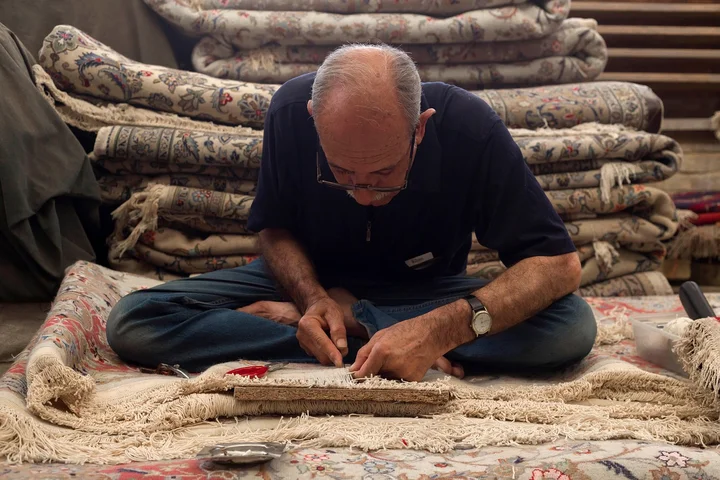
You might have tried every trick in the book.
There is no shame in calling for backup when a bleach stain is beyond your toolkit.
Here are the clear signs it’s time to dial a pro.
- The area is large. If the bleached spot is bigger than your hand, home blending becomes nearly impossible.
- Your carpet is expensive or delicate. Wool, silk, or high-end carpets need a specialist’s touch. I learned this after a failed attempt on our good wool rug.
- Your own attempts have failed. If you’ve tried two or three methods and the spot looks worse, stop. More DIY can damage the carpet fibers permanently.
So what can a professional do?
A certified technician has access to methods like patching, re-weaving, and expert dye matching that are not feasible at home.
They can take a hidden sample, like from inside a closet, and seamlessly patch it in. Or they can use professional dyes to restore color without harming the surrounding fibers.
We had to call one after Roger’s hunting gear mishap.
He was cleaning his camouflage in the utility sink and knocked over a full bleach bottle.
It created a huge, splattered stain on our tan hallway carpet. Our home fixes just turned it a strange peach color.
The pro patched it in under an hour. Now, even I can’t find where it happened.
Post-Treatment Recovery and Smart Prevention
Once you’ve treated the area, proper care is key.
Always let the carpet air dry completely before walking on it or replacing furniture.
I keep my dog Peeta and the kids away from the damp spot. This prevents new dirt or messes.
Avoid direct sunlight on the wet area. Sunlight can set dyes unevenly and lead to a blotchy appearance.
Preventing bleach accidents is straightforward. Here are my top tips.
- Use colored bleach bottles or add a visual cue. My aunt Jessica adds a drop of blue food coloring to her bleach. A bright spill is easy to see and clean fast.
- Keep dedicated cleaning buckets. I have a bright orange bucket only for bleach solutions. This prevents mix-ups with regular cleaning water.
- Dilute bleach away from carpets. Always mix your cleaning solution in a sink, tub, or on a tiled floor. Never on the carpet itself.
- Store bleach securely and clearly. Keep it on a high shelf, out of reach from kids like Jason and his friend Edward. A locked cabinet is even better.
Remember, accidents are part of life at home.
A small bleach spot is a fixable problem, not a reflection on you or your home.
My mom Martha reminds me that a lived-in home has stories. A minor stain is just one of them.
FAQ About Fixing Bleach Stains on Carpets
Can a bleach stain be fixed if it was from a diluted cleaner?
Yes, a diluted bleach spill often causes a lighter discoloration that can sometimes be disguised. Immediately blot and rinse the area, then once dry, use a carefully matched fabric marker or dye pen for synthetic fibers to minimize the spot’s appearance.
What common household item can I use on a small, fresh bleach spot?
For a very minor, fresh spot, your first step is to blot and dilute it with cool water. After it dries, a drop of diluted food coloring applied with a toothpick can help tint light synthetic fibers, but you must test this on a hidden area first.
How do I know if my bleach stain needs professional repair?
Call a professional if the spot is larger than your hand, if the carpet is wool or a delicate natural fiber, or if your DIY attempts have made the discoloration worse, especially when dealing with stubborn marks. They have tools for patching and professional dye matching that aren’t available for home use.
Is dyeing the carpet myself a reliable fix?
Using a carpet dye kit is a cover-up solution best for small, isolated stains on synthetic carpets like nylon. It requires careful color matching and application, and results vary, so it’s considered a last-resort DIY option before replacement or trying stain removal methods for clothing and carpets.
What’s the best way to prevent bleach stains on carpets?
Always dilute and mix bleach solutions in a sink or on a non-carpeted surface. Store bleach bottles securely on high shelves and consider using a brightly colored container dedicated only to bleach to prevent accidental mix-ups during cleaning.
Moving Forward After a Bleach Spill
The single most important tip is to neutralize the bleach immediately to stop its damage. I keep a spray bottle of diluted white vinegar in my laundry room for exactly this reason, a trick I learned after a similar mishap with Roger’s work clothes. Stopping the chemical reaction quickly gives you a fighting chance to restore your carpet’s color. This topic also nods to carpet-cleaning myths about vinegar. The article ‘carpet cleaning myths vinegar stains debunked‘ breaks down what actually works and what doesn’t. For more practical, tested advice from our messy, real-life home, join me here on Stain Wiki where we solve these problems together.
Suzanne is an accomplished chemist, laundry expert and proud mom. She knows the science and chemistry of stains and has personally deal with all kinds of stains such as oil, grease, food and others. She brings her chemistry knowledge and degree expertise to explain and decode the science of stain removal, along with her decades long experience of stain removal. She has tried almost everything and is an expert on professional and DIY stain removal from clothes, fabric, carpet, leather and any other items dearest to you.