How to Remove Makeup Stains: Lipstick, Mascara, and Blush on Collars and Towels
That dreaded moment when makeup meets fabric doesn’t have to mean permanent damage. With a calm approach and the right technique, you can lift even set-in lipstick, mascara, and blush from most collars and towels.
This guide will walk you through my proven, fabric-safe methods. Here’s what you’ll learn:
- Why these three stains behave differently and need tailored solutions.
- My immediate blot-and-lift first aid for fresh stains.
- A simple pre-treatment paste I make with dish soap and baking soda.
- How to safely break down waxy mascara without harming delicate fibers.
- The final wash settings that prevent color transfer and residue on towels.
I’ve tested these methods for years on everything from my husband Roger’s work shirts to the towels my kids, Jason and Jessica, constantly decorate.
Your First 60 Seconds: Stop the Stain from Setting
Time is not your friend with makeup stains. My daughter Jessica loves to ‘help’ me get ready, which usually means a tiny handprint of my blush on my white blouse as we’re rushing out the door. The clock starts ticking immediately.
Your first move is always the same: grab a clean cloth or paper towel and gently blot up any excess product without rubbing it deeper into the fibers.
For a thick glob of lipstick or a creamy blush, use the dull edge of a butter knife or a spoon to gently scrape it off the surface. Place the stained fabric over a bowl or sink and flush the spot from the back with cool, running water. This pushes the stain out, not through, the fabric.
The On-the-Go Emergency Fix
I was at a restaurant once when my friend’s bright red lipstick transferred onto my linen napkin. Panic? No. I excused myself to the restroom. A dab of liquid hand soap (the kind for washing hands) or a drop of clear alcohol-based hand sanitizer worked perfectly for a quick pre-treatment until I got home.
Just put a tiny bit on the stain, gently work it in with your finger, and blot with a damp paper towel.
The golden rule I learned from my mom Martha is to never, ever rub a stain-especially a colorful, greasy one like makeup. Rubbing grinds the pigment and oils into the fabric threads. Always blot, pressing straight down and lifting straight up.
This brings us to the big question: should you treat it before washing? Absolutely, every single time. A washer is for cleaning, not for magically dissolving set-in stains. Pre-treatment is your non-negotiable secret weapon.
The Lipstick Smudge: Removing Waxy Color Stains
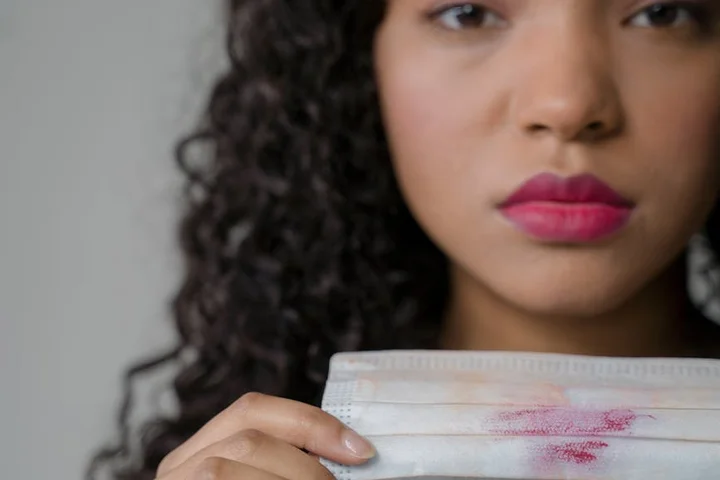
Lipstick is a tricky double-whammy of waxy oils and strong pigment. The best method breaks down the grease first, then tackles the color.
Here’s my step-by-step for a fresh mark on a cotton shirt collar.
- Scrape off any excess with a dull knife.
- Place the stain face-down on a folded paper towel. This gives the stain somewhere to go.
- Dampen the back of the stain with cool water.
- Apply a small amount of liquid dish soap (I always use Dawn) directly to the stain from the back. Let it sit for 5-10 minutes. The soap needs time to cut the wax.
- Gently work the soap in with your fingers or a soft toothbrush.
- Rinse thoroughly with cool water, checking from the front to see if the stain is gone.
- If a color stain remains, apply a pre-wash stain remover or a dab of rubbing alcohol (test first on a seam!). Wash as normal with the warmest water the fabric allows.
A Safe DIY Alternative
You don’t always need a specialty product. For the grease and wax, dish soap is your best friend. I keep an old, soft-bristled toothbrush in my laundry room just for this.
Apply the dish soap, let it sit, then use the damp toothbrush to gently agitate the fibers in a circular motion from the back of the fabric. The bristles help work the soap into the weave without being too harsh. Rinse and check. This method saved Roger’s favorite flannel after a goodbye kiss from me left a perfect pink smudge.
Field Note: The Butter Knife Trick
For a thick, pasty smudge, scraping is key. Before you even think about water or soap, take a clean butter knife. Hold the fabric taut and use the flat, dull side to gently push the bulk of the lipstick off. You’re not scraping the fabric, you’re skimming the paste off the surface. This technique is particularly effective when removing makeup stains like lipstick and mascara.
This prevents you from mashing a huge stain into a bigger, wider one when you start blotting.
A critical warning: do not use hot water first. I learned this the hard way on a silk scarf. Hot water will melt the waxy oils in the lipstick, allowing them to seep deeper into the fabric and essentially cook the stain into place. Always start cool.
Mascara Mishaps: Tackling Waterproof and Regular Formulas
How can you get mascara out of towels without damaging the fabric? I face this myself when my aunt Jessica visits and forgets a makeup towel. First, don’t panic. The approach changes based on your mascara type. That same approach can help remove soda makeup stains from clothes as well. If such stains appear, you can apply similar gentle lifting steps to keep fabrics intact.
Regular mascara dissolves easier in water. Waterproof formulas are made with oils and waxes. Identifying which one you have is the most important first step to avoid setting the stain.
For any dried mascara glob, let it flake off naturally. Scrubbing a crumbly blob grinds it in. I learned this after Jason’s soccer buddy Edward left a mascara-smeared towel here. Patience saved the fabric.
- Gently flick off the dried flakes with your finger or a dull knife edge.
- For regular mascara, dab the stain with a cloth soaked in cool water and a drop of mild dish soap.
- Blot gently-don’t rub-to lift the color from the towel loops.
- Rinse thoroughly with cool water and check your progress.
Waterproof mascara needs oil to break it down. A safe DIY alternative is to use a single drop of olive or coconut oil directly on the stain. My mom Martha from North Texas taught me this for waxy stains. Massage it in gently, then follow with dish soap to cut the oil. This same approach is handy for removing makeup stains from white fabrics. Treat promptly and wash as usual to keep whites bright.
After treatment, wash the towel in cool water with your regular detergent. Always handle towel loops with care. Aggressive rubbing can cause pills and ruin the soft texture. I use my fingertips in a light, circular motion.
Blush and Bronzer: Lifting Powder and Cream Stains
What are effective techniques for cleaning blush stains from clothing collars? My husband Roger gets these from my cream bronzer. The fix depends on if it’s powder or cream. If it’s cream, it often has an oil component, which requires specific treatment.
Powder blush stains are often superficial. Give the collar a firm shake or brush it with a dry, clean makeup brush. You can remove most powder product with a simple brush-off before it ever touches water.
Cream-based products leave a different mark. Identify them by touch; a cream stain will feel slightly oily or leave a faint, tacky residue. My daughter Jessica’s cream blush left a telltale slick spot on a white collar.
Treat cream stains like a grease spot. Here is a simple process.
- Blot any excess with a plain paper towel. Press, don’t wipe.
- Apply a small amount of clear dish soap or a pre-wash stain remover to the area.
- Gently work it into the fabric with your thumb, focusing on the oily feel.
- Let it sit for 10 minutes, then rinse under cool running water from the back of the stain.
Launder the garment as usual. For collars, I sometimes rub a paste of detergent and water in before washing. Powder stains are often less scary than they look and usually vanish in a normal wash cycle.
Critical Warnings: What Never to Do
I get it. You see a bright red lipstick smear on your collar and just want to attack it.
But moving too fast can make a small stain a permanent one.
Let me share a few hard rules I’ve learned from my own messes, like when Roger’s hunting gear transfers grease to a good towel.
Material Red Flags: Handle With Care
Some fabrics will fight back if you use the wrong cleaner.
- Delicate Silks: The proteins in silk are fragile. Harsh rubbing or alcohol-based removers can cause permanent watermarks or shred the fibers. My mom Martha’s vintage silk scarf taught me this lesson.
- Dry-Clean Only Tags: This is a manufacturer’s warning, not a suggestion. Home treatments can dissolve finishes or cause dyes to run.
- Certain Synthetic Blends: Some performance fabrics or dark syntetics can be discolored by oil-based pre-treatments. They hold stains differently than cotton.
Can I use bleach on colored towels to remove makeup stains? The answer is a firm, absolute no.
Chlorine bleach will react with the dyes in colored towels and mascara pigments, often leaving a dull, yellowed patch where the stain was. It’s especially problematic when you’re trying to remove dye stains from clothes.
For colored fabrics, reach for an oxygen-based bleach (like OxiClean) instead. It’s much gentler on dyes.
Actions That Set Stains Forever
Avoid these common mistakes I’ve seen friends make.
- Never toss a stained item into a hot dryer before verifying the stain is gone. The heat will bake the oils and pigments into the fibers.
- Don’t vigorously scrub mascara or blush stains. This grinds the pigment deeper into the cloth, especially on towel loops.
- Avoid using undiluted acetone or nail polish remover. It’s too harsh for most fabrics and can melt some synthetics.
- Don’t mix different stain removers, like dish soap and ammonia. You could create harmful fumes.
Always, always do a spot test first.
Apply your chosen cleaner to a hidden seam or corner. Wait 10 minutes, then blot with a damp white cloth.
Check for any color transfer or damage. This saved my favorite dark bath towel when my Aunt Jessica visited and her blush stained it.
Washing and Checking: The Final, Crucial Steps

Pre-treatment is half the battle. The wash cycle finishes the job.
What type of detergent works best on makeup stains like lipstick and mascara?
You want a heavy-duty or enzyme-based detergent. I keep a bottle of Persil ProClean or Tide Ultra Oxi on hand for this.
The enzymes actively break down the oils and waxes in makeup, while the surfactants lift them away.
The Right Wash Routine
After a good pre-treatment, your wash settings matter.
- Use the warmest water the fabric care label allows. Warm water (not hot) helps dissolve the pre-treatment and suspended stains.
- Select a longer, heavy-duty cycle for towels or a normal cycle for clothing. More agitation helps.
- Add your heavy-duty detergent. For a full load of stained towels, I use a slightly heaping scoop.
- Do not overload the machine. Clothes need room to move and get clean.
Air-dry the item until you are 100% sure the stain is gone.
Heat is the enemy of a lingering stain. I hang collars on a drying rack and lay towels flat.
Are there any home remedies for removing makeup stains from towels? Absolutely.
The dish soap (for oils) and coconut oil (for waxy lipstick) methods we talked about are effective DIY starters.
My mother-in-law Brianna swears by a paste of baking soda and water for gentle abrasion on towels.
Stain Check Protocol
This is my non-negotiable step before any dryer use. I do this with every load from my kids’ soccer kits to my own makeup towels.
- While the item is still slightly damp, hold it up to a bright light.
- Look at the stain area from different angles. Feel for any leftover waxy or tacky residue.
- If you see even a faint shadow or feel texture, repeat the pre-treatment and wash cycle. Do not dry.
- Only when the fabric looks and feels completely clean do you give it the all-clear for the dryer.
Keeping Collars and Towels Clean: Simple Prevention
How do I prevent makeup stains from setting in on collars and towels? You build a few easy habits. Think of it as putting a shield between your makeup and your favorite fabrics. I learned this after one too many blouses got a waxy lipstick ring.
Here are the simple rules I follow every day.
- Use a makeup towel over your shoulders. I keep a small, dark hand towel on my vanity. Before I start blending, I drape it over my shoulders like a cape. It catches every stray speck of powder and drip of liquid foundation.
- Apply makeup before getting dressed. Finish your whole face routine first. I even wait for my setting spray to dry. This way, your collar never meets a wet or tacky product.
- Ensure foundation is completely dry. Wait until it feels set, not sticky to the touch. A slight tacky residue is a sure ticket to a dull, greasy stain on light fabric.
I suggest a dedicated set of older, dark towels for post-makeup removal. My bathroom has two dark blue towels just for wiping off mascara and blush. They handle the oily mess from my aunt Jessica’s wine-stained lipstick experiments without a complaint.
My best tip is keeping a stain stick in the vanity drawer. When my three-year-old Jessica gets into my blush, I can dab the pink smudge immediately. I use a simple, non-toxic stick. It has saved Roger’s good shirt from a mascara smudge more than once.
FAQ About Removing Makeup Stains
Are there any effective home remedies for tough makeup stains on towels?
For oily stains, a paste of baking soda and a few drops of water can gently lift residue from towel fibers. For color, a splash of white vinegar in the rinse cycle helps break down pigments without harsh chemicals.
Is it ever safe to use bleach on colored towels for makeup stains?
Never use chlorine bleach on colored fabrics, as it will damage dyes and leave a yellow stain. Use an oxygen-based bleach (like OxiClean) with cool water for a color-safe brightening effect. If dye stains have set on fabric surfaces, targeted stain removal can help restore color.
How can I stop a makeup stain from setting when I’m out and about?
Immediately blot with a damp napkin, then apply a dab of clear hand soap or hand sanitizer to the spot. This quick pretreatment will hold the stain at bay until you can properly treat it at home, especially when dealing with delicate fabrics like suede.
What’s my next step if I’ve washed an item but the makeup stain is still visible?
Do not put it in the dryer. Let the item air-dry completely, then reapply your pre-treatment directly to the dry stain and wash again, using the heaviest-duty cycle the fabric allows.
Can I use hand sanitizer as a stain remover on any fabric?
Test it on a hidden seam first, as the alcohol can damage delicate fibers like silk or rayon. For sturdy cottons and poly blends, it’s a safe and effective emergency degreaser for waxy stains.
Keeping Your Fabrics Happy After a Makeup Stain
Your best move is to act fast and use the right cleaner for the stain’s base, like dish soap for oily lipstick or cool water for smudged mascara. This simple match-up prevents color from settling into fibers and saves you a lot of scrubbing later. I keep a spray bottle of pre-treater handy after Jessica decorated a towel with my blush, a lesson that stuck with me. You can find more of my family’s tried-and-true methods for every spill and splatter right here on the blog.
Written by Suzanne Rosi Beringer. Suzanne is an accomplished chemist, laundry expert and proud mom. She knows the science and chemistry of stains and has personally deal with all kinds of stains such as oil, grease, food and others. She brings her chemistry knowledge and degree expertise to explain and decode the science of stain removal, along with her decades long experience of stain removal. She has tried almost everything and is an expert on professional and DIY stain removal from clothes, fabric, carpet, leather and any other items dearest to you.