How to Remove Spaghetti and Pasta Sauce Stains from Clothing, Tablecloths, and Upholstery?
That bright red splash on your shirt or tablecloth is always a heart-sinker. Act fast by blotting up the excess and applying a dab of dish soap, and you can usually stop the stain in its tracks.
This guide will walk you through the whole process, covering:
- Why pasta sauce is a tricky, two-part stain of oil and pigment.
- The critical first steps for clothing, linens, and upholstery.
- How to treat old, dried-on stains that have already set.
- My preferred cleaning solutions, from pantry staples to commercial pretreatments.
- Smart ways to protect fabrics during your next spaghetti night.
I’ve been solving these exact messes for years, thanks to my son Jason’s enthusiastic eating and our dog Peeta’s knack for finding drips.
Assess the Stain and Act Fast: Your Panic-Level Guide
When a glob of red sauce lands on fabric, I feel that familiar jolt. I call it the pasta panic. Let’s give it a rating.
A fresh, wet spaghetti stain is a Panic-Level 4. It’s urgent but you can handle it. A dried-on, crusty mess jumps to a 7. My son Jason’s soccer jersey once hit an 8 after a forgotten lunchbox incident.
You have a golden window of about 30 minutes to an hour before the stain really sets.
Tomato acids and cooking oils start bonding with fibers fast. The clock starts ticking the moment the spill happens.
Your first move is simple. Grab a dull butter knife or the back of a spoon. Gently scrape off any pasta chunks or sauce globs. Do this over a trash can.
Next, take a clean, white cloth or paper towel. Blot the remaining liquid from the outer edges toward the center.
Always blot, never rub. Rubbing grinds the tomato and oil deeper into the fabric.
I learned this from my mom, Martha. She watched me rub a ketchup stain on a tablecloth years ago and just shook her head. Blotting saves the day.
This immediate scrape-and-blot method applies to everything: your cotton tee, a linen tablecloth, or the living room upholstery. Speed is everything.
How to Get Fresh Spaghetti Stains Out of Clothes (Before the Wash)
For fresh stains on washable clothes, this is my trusted method. It works on cotton, polyester, and most blends.
Gather these items from your kitchen and bathroom. You probably already have them.
- Liquid dish soap (I use the classic blue dawn)
- Cold water
- A clean white cloth or paper towels
- An old, soft-bristled toothbrush
Follow these steps right at the sink. Do not put the garment in the washer yet.
- Turn the clothing inside out. Hold the stained area under cold, running water from the back. This flushes the stain out through the way it came in.
- Gently pat the area with a towel to remove excess water. Apply a small drop of dish soap directly onto the stain.
- Use your finger to gently work the soap into the fabric. Cover the entire stained area.
- Let it sit for 10 to 15 minutes. The soap needs time to break apart the oil and pigment.
- Rinse thoroughly from the back again with cold water. Check your progress. If a faint mark remains, repeat the soap application.
My favorite trick is using an old toothbrush to work the soap in from the underside of the fabric.
This agitates the fibers without pushing the stain through to the front. I keep one in my laundry room just for pre-treating. It saved Roger’s favorite hunting shirt last month.
This entire process is your pre-treatment for biological stains in fabric before using the washing machine. Once the stain is gone, wash the garment normally with your regular detergent in cold water.
Heat can set any leftover residue. Only use warm or hot water in the wash after you are certain the stain is completely removed. Be cautious not to make any common mistakes when dealing with stains.
Tackling Dried and Set-In Pasta Sauce Stains
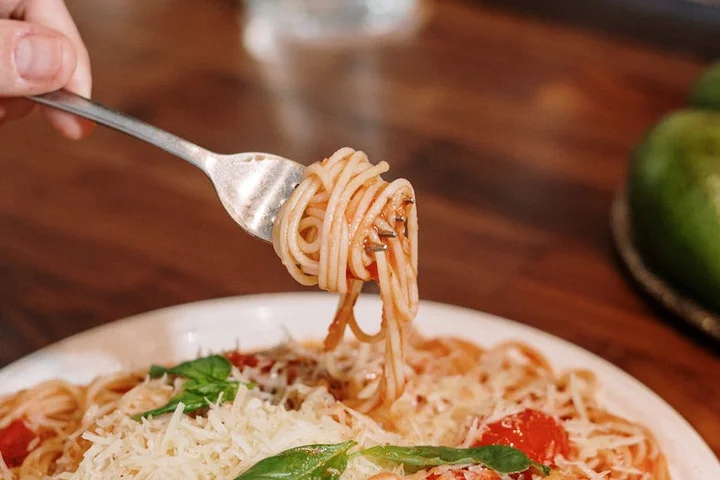
I find dried stains all the time. Just last week, I pulled a tablecloth from my mom Martha’s visit out of the laundry basket. A dull brown ring of tomato sauce had set in after sitting for days.
Dried pasta sauce is a double problem. The tomato pigments stain, and the oils from the cheese or meat really grab onto fibers.
You need to rehydrate a dried stain to break its grip before you can lift it away. A simple soak or a paste does this perfectly.
Here is my go-to method for those forgotten stains.
- Scrape off any loose, crusty bits with a dull knife or your fingernail.
- Make a thick paste with baking soda and a little cold water. I keep a box in my laundry room just for this. For a pre-treatment spray, I use one with enzymes for breaking down proteins and oils.
- Slather the paste or spray generously over the stain. Let it sit for at least 30 minutes. For a tough one, I give it a full hour.
- Gently brush the area with an old toothbrush or a soft nail brush. This helps work the paste into the fibers.
- Rinse thoroughly under cold running water. You will see the orange-brown color washing out.
What is the process for removing set-in pasta sauce stains? It often requires repeating the paste or soak treatment before washing. Patience is key. I never toss an item in the dryer until I am sure the stain is completely gone. Heat will make it permanent.
How to treat dried pasta sauce stains on tablecloths? The method is the same, but be gentle. My aunt Jessica has delicate linen fabrics. For those, I opt for a longer, cool water soak with a bit of detergent instead of vigorous brushing.
The Surface Compatibility Chart: Adapting Your Attack
Not all fabrics are the same. A little adjustment keeps your items safe.
| Surface | Key Adjustment |
|---|---|
| Clothing & Washable Fabrics | Pre-treat, then wash as usual with cold water. Check the stain is gone before drying. |
| Upholstery & Carpet | Blot, never rub. Use minimal liquid. Always do a colorfastness test in a hidden spot first. |
| Delicate or Vintage Tablecloths | Use a gentler, longer soak in a basin. Avoid harsh scrubbing. |
| Hard Surfaces (Placemats, Trays) | Wipe up is easy, but follow with a dish soap wipe to cut the oily residue. |
Upholstery and Carpet Rescue: Tomato Sauce on the Couch
This is a common panic moment. My golden lab Peeta once knocked a plate off the coffee table, splattering sauce on the light beige carpet.
For non-washable fabrics, your first and most important step is to test your cleaning solution where no one can see it. Dab a bit of your diluted cleaner on a seam or under a cushion. Wait a few minutes to ensure no color transfer or damage.
What is the best method for removing tomato-based sauce stains from upholstery? This blotting method works for my sofa, carpets, and even car seats.
- Blot up every bit of excess sauce with a clean, dry cloth or paper towel. Press down, do not wipe.
- Mix a solution of 1 teaspoon of clear dish soap (like Dawn) with 2 cups of cool water. Dish soap is brilliant at cutting grease.
- Dampen a clean white cloth with the solution and blot the stain from the outside in. You will see the color transfer to your cloth.
- Rinse your cloth with plain water and blot the area again to remove soap residue. A slight sour scent means soap is left behind.
- Dry the area quickly. I use a fan or open a window. Lingering moisture can cause a water ring or mildew.
Blotting, not rubbing, is the secret to avoiding a bigger, fuzzier stain on your upholstery.
For car interiors, the same principles apply. Be extra cautious with sensitive materials like leather or suede. For those, I use a cleaner made specifically for that material, following the same blot-only rule.
Household Heroes and the Science of the Stain
Jason’s spaghetti night usually ends with a new stain on his shirt. I don’t rush for fancy products.
My most reliable tools are already in your kitchen or laundry room. They work because they target the specific parts of a pasta sauce stain.
- Liquid dish soap: This is for the grease. I use a clear one like Dawn to break down oils from cheese or meatballs.
- Baking soda: It acts as a gentle lift for the colored pigment. A paste pulls stains from tablecloths well.
- White vinegar: The acidity tackles the tomato’s redness. My aunt Jessica in Arizona uses it for wine stains too.
- Enzyme-based laundry detergent: These contain proteins that digest other proteins, perfect for meat or cheese residue.
Safe DIY alternatives are simple mixes using those same heroes. If a commercial spray is empty, I make my own.
For the oil, use dish soap straight. For color, mix baking soda with a few drops of water into a thick paste. For tomato acidity, dilute white vinegar with equal parts water.
An on-the-go emergency fix can prevent a stain from setting at a restaurant. I used this once when Edward spilled sauce on his sleeve.
First, blot with club soda. Then, sprinkle table salt over the damp spot to absorb the moisture. If needed, a dab of bathroom hand soap mixed with water can pretreat it until you get home.
Chemistry Corner: Why Pasta Sauce is a Tricky Triple Threat
Pasta sauce isn’t one stain. It’s a combination that makes it stubborn.
You’re dealing with oil or grease from cheese, meat, or olive oil first. Dish soap works here because it emulsifies the grease, surrounding it so it rinses away with water. This is the core of how to remove oil or grease stains from pasta sauce.
The red pigment comes from lycopene in tomatoes. An acid like vinegar can help break this bond. Heat sets this pigment, which is why I avoid hot water initially.
Proteins from meat or cheese are the third part. Cold water is better than hot for proteins because heat can cook them onto the fibers. Enzyme detergents are made to cut through this.
Critical Warnings, Delicate Fabrics, and Final Checks
I ruined a nice wool sweater once by being too confident. Now I know better.
Material red flags mean you should not attempt home treatment. Fabrics like silk, wool, acetate, and any item labeled “dry clean only” need a professional. The risk of damage is too high.
Is it safe to use bleach on pasta sauce stains? Chlorine bleach can set tomato stains and destroy colors, so I avoid it. For white cotton, an oxygen bleach (like OxiClean) is safer, but you must test it on a hidden seam first.
How to remove pasta sauce stains from delicate fabrics? Gentle dabbing with cold water and a mild soap is often the limit for home care. For my daughter Jessica’s fancy dresses, I usually take them straight to the cleaner.
How to clean pasta sauce from colored fabrics without causing fading? Stick to cold water, use color-safe oxygen bleach, and blot instead of scrub. Scrubbing can wear down the dye and make colors look dull, similar to how it affects other stains.
Post-treatment recovery is a step you cannot skip. Always air dry the item naturally, out of direct sunlight, and inspect it thoroughly before the dryer. The heat from a dryer will set any leftover stain permanently. I lay things flat on a clean towel.
When not to try: If the fabric is very delicate, the stain is old and has been dried with heat, or you’ve already tried multiple methods, consult a professional cleaner. Sometimes, calling for help saves the item.
Recommended products by category can simplify your routine. I keep these on hand.
- Enzyme pre-treatment sprays: They break down grease and protein before the wash cycle.
- Oxygen-based stain removers: Powders or gels like OxiClean are safe for most colors and whites.
- Gentle upholstery cleaners: For couches or car seats, use a foam formula to avoid overwetting the fabric.
FAQ about Removing Spaghetti and Pasta Sauce Stains
How do I get the oily, greasy part of a pasta sauce stain out?
Apply a small drop of clear liquid dish soap directly to the grease mark and gently work it in. The soap will emulsify and lift the oil, making the colored pigment easier to remove in the next step.
Is it ever safe to use bleach on a tomato sauce stain?
Avoid chlorine bleach, as it can react with the tomato pigment and set the stain permanently. For white, bleach-safe fabrics, a color-safe oxygen bleach is a much safer alternative after you’ve treated the grease.
What’s a safe first step for a sauce stain on a delicate blouse or silk tie?
Immediately blot with a cold, damp cloth and consider taking it to a professional. Home remedies risk damaging delicate fibers, so gentle dabbing to lift excess is often the safest action you can take.
How can I treat a stain on a colored fabric without fading it?
Stick to cold water and gentle blotting or dabbing instead of scrubbing. Always test any cleaner, even dish soap, on a hidden seam first to check for color transfer. For some stains, hot water can help, while others respond best to cold water—part of the hot/cold water stain removal guidance that comes next.
What’s a quick restaurant fix if I don’t have my usual stain removers?
Blot the spot with club soda or cold water, then cover the damp area with a generous pile of salt or baking soda from the shaker to absorb the moisture until you can properly treat it at home.
Keeping Your Fabrics Happy After Pasta Night
Your most powerful tool is speed-blotting a fresh stain with cold water stops the tomato and oils from sinking in deep. I keep a spray bottle of water and a clean cloth in my kitchen drawer because, with kids like Jason and Jessica, I use it weekly. Visit Stain Wiki for more down-to-earth care tips that work in busy homes like mine.
Written by Suzanne Rosi Beringer. Suzanne is an accomplished chemist, laundry expert and proud mom. She knows the science and chemistry of stains and has personally deal with all kinds of stains such as oil, grease, food and others. She brings her chemistry knowledge and degree expertise to explain and decode the science of stain removal, along with her decades long experience of stain removal. She has tried almost everything and is an expert on professional and DIY stain removal from clothes, fabric, carpet, leather and any other items dearest to you.