How to Clean Dog Urine from Your Lawn and Stop Grass Damage for Good
Seeing those yellow or brown spots where your dog did their business? Quick action with water and a simple neutralizer can save your grass and stop the smell in its tracks.
In this guide, I’ll walk you through my tested, step-by-step approach:
- Why dog urine actually burns your grass in the first place
- The right way to flush and treat a fresh accident immediately
- How to neutralize odors and repair existing damage
- Long-term strategies to protect your entire lawn
- Handling solid waste without causing more problems
I’ve perfected these methods over years of managing my golden lab Peeta’s outdoor adventures.
Your Quick Panic-Level Assessment for Dog Lawn Stains
I’ve learned to assess lawn stains by their age. It changes your strategy completely.
Panic-Level Rating
Fresh Urine (Seen within 10 minutes): Panic Level 2. This is a minor issue, not a disaster. You have the best chance to prevent damage entirely.
Old Urine Spot (Brown, dead grass): Panic Level 6. The damage is done. Now it’s about repair and regrowth, which takes patience. My dog Peeta left a few of these before I got wise.
Fresh Solid Waste: Panic Level 3. A simple cleanup task. The main goal is to remove it neatly without grinding anything into the grass blades.
Old, Smeared Waste: Panic Level 7. This can burn the grass and is a hygiene issue. It needs careful removal and soil rinsing.
The Golden Window
You have about 10 to 15 minutes after Peeta finishes his business. That’s your golden window. In this time, the concentrated salts and nitrogen in the urine haven’t started “burning” the grass roots.
Immediate action with water is your single most effective tool to stop a dead spot from forming. My son Jason is fast, but he’s never beaten Peeta to the spot. I keep a watering can by the back door for this exact reason.
How to Spot the Damage
Dog urine leaves a signature. Look for a dull brown circle of dead grass in the center. Around it, you might see a freakishly dark green ring. That ring is grass that got a light, fertilizer-like dose of nitrogen.
The smell is a sharp ammonia scent. On a hot day, you can often smell the spot before you see it. If you see just a dark green patch, consider yourself lucky. That’s a stain you can fix with extra watering over a few days.
Take a breath. Don’t panic, we can fix this. Grass is tougher than it looks.
First Response: What to Do the Moment You See the Accident
The moment you see it, your action plan splits based on what “it” is.
For Fresh Dog Urine: The Dilution Mission
Your only job is to flood the area with clean water as fast as you can. This dilutes the urine so it can’t concentrate and burn the grass.
- Grab your hose or a large watering can.
- Gently pour or spray at least one gallon of water directly onto the spot. I aim for two gallons to be safe.
- Let it soak in. No scrubbing needed. You’re just washing the salts down through the soil, away from the root zone.
That’s it. Do this, and you’ll likely never see a brown spot.
For Solid Waste: The Clean Pick-Up
This is about neat removal. You don’t want to smear it, as that presses waste and bacteria into the grass.
- Use a pooper-scooper or a plastic bag over your hand.
- Lift the waste straight up. If it’s soft, use a scooping motion.
- If any residue remains on the grass blades, gently rinse the area with your hose on a light shower setting.
My Aunt Jessica always says a tidy yard is a happy yard. She’s right.
Material Red Flags: What NOT to Use
Never use undiluted bleach, ammonia-based cleaners, or strong dish soaps directly on your lawn. They will absolutely kill the grass and poison the soil.
Ammonia is a particular no-go. Since dog urine contains ammonia, adding more confuses your dog and can make the problem worse. Stick to water for immediate response. For odors on patios or in any living spaces, I use a baking soda and water paste, never harsh checmicals.
Surface Compatibility Quick Tips
| Surface | Immediate Action Tip | Precaution |
|---|---|---|
| Bermuda or Zoysia Grass | Dilute urine quickly. These grasses are somewhat tolerant but will still burn from concentrated spots. | They recover well from brown spots by spreading laterally. |
| Fescue or Ryegrass | Dilute urgently. These grasses are more sensitive to urine burn. | Brown spots may need reseeding, as they don’t spread to fill in gaps. |
| Concrete/Pavers (from overspray) | Rinse with water immediately after treating the lawn spot. | Prevent cleaning solutions or highly concentrated urine from drying on the surface to avoid staining. |
My mom Martha in North Texas has Bermuda, while my Aunt Jessica in Arizona has rock landscaping. The approach is always the same: water is your first responder for the grass, and a quick rinse protects everything else.
The Core Cleaning Playbook for Urine and Waste
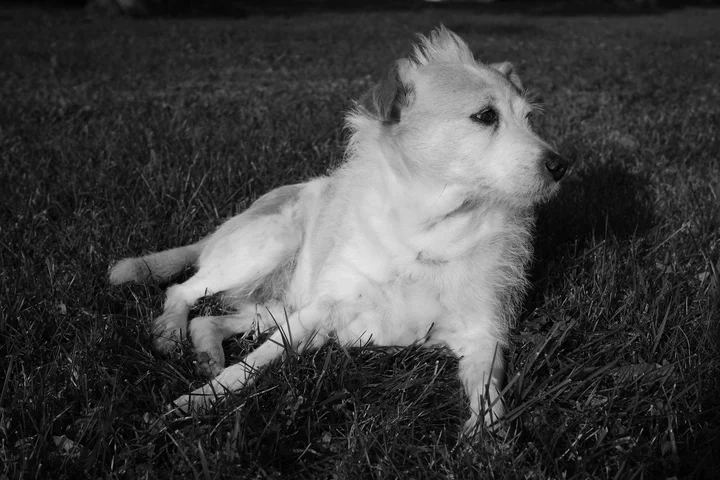
This is your action plan. My dog Peeta is a five-year-old golden Labrador, and while I love him dearly, his backyard business requires a specific cleanup strategy. Grass is living, not a carpet you can just scrub. When accidents drift indoors, removing dog vomit stains from carpets becomes part of the plan. I’ll walk you through practical cleanup steps in the next steps.
How to Clean Fresh Dog Urine from Grass
Speed is your best friend here. The goal is simple dilution before the urine soaks in and starts its damage.
- Grab your garden hose. Don’t use a watering can; you need volume and pressure.
- Flood the spot immediately. I aim for at least a gallon of clean water, pouring it directly over the damp patch. I pretend I’m washing the salts and urea down through the soil, away from the grass roots.
- Let it drain. That’s it. You’ve dramatically reduced the concentration of the damaging compounds. This quick flood is the single most effective thing you can do for a fresh accident.
How to Treat Dried or Old Dog Urine Stains
Those ugly brown or yellow dead spots tell a story of nitrogen overload. My mom, Martha, taught me this revival method years ago. You must address both the soil and the grass.
- Remove dead material. Gently rake out the dead, straw-like grass from the center of the spot. This lets water and treatment reach the soil.
- Soak the soil. This is different from the fresh urine flush. Here, you water the area slowly and deeply for about 10-15 minutes to rehydrate the compacted, salty soil underneath.
- Apply a treatment. After soaking, choose your neutralizer from the options below and apply it to the damp soil.
- Reseed the spot. Once neutralized, scratch the soil surface, add a little fresh topsoil if needed, and sprinkle grass seed. Keep it moist until the new grass sprouts.
Household Items That Neutralize Odor
You don’t always need a special product. Common kitchen and garage items can break the odor cycle.
- White Vinegar: It’s acidic. Dog urine leaves alkaline salts. Vinegar helps balance the soil pH. A 50/50 mix with water is safe for grass.
- Baking Soda: This is a mild alkali and a fantastic odor absorber. I use it more as a powder for dry spots on patios, but it can help with surface soil odor.
- Garden Lime (not quicklime): This is a soil amendment. It gently raises pH over time and can help decompose organic matter. It’s a longer-term solution, not an instant fix.
Safe DIY Alternatives to Try
I always test a small area first. My lawn is a blend of Bermuda and St. Augustine, and yours might react differently.
Baking Soda Odor Paste: For a concentrated urine smell on a dry surface like a concrete walkway, mix baking soda with just enough water to make a spreadable paste. Apply, let it dry, and sweep it away. It pulls odors with it.
White Vinegar Soil Rinse: For a persistent spot, I use a watering can to apply a mix of one cup white vinegar to a gallon of water over the stained area. The vinegar works to counteract the alkaline salts, not to kill the smell directly. In general, adjusting the fabric’s pH with acids or bases can help release stains. Follow with a clear water rinse.
Effective Commercial Products
Sometimes, a specialized tool is the right choice. I keep two types on hand.
- Enzymatic Neutralizers: These are my go-to for stubborn odor. They contain live bacteria or enzymes that actually digest the urine crystals (uric acid salts) that cause the smell. They work over 24-48 hours. Look for brands marketed for pet urine.
- Lawn Soil Revivers: These products are formulated to help repair the damaged soil conditions. They often contain gypsum to help break up salt, organic matter to feed soil life, and sometimes a mild fertilizer to encourage regrowth.
Recommended Product Categories
I don’t endorse specific brands, but I can tell you what to look for on the shelf.
| Category | What It Does | Best For |
|---|---|---|
| Liquid Enzymatic Cleaner | Breaks down uric acid at the molecular level to eliminate odor permanently. | Old, smelly stains where odor keeps returning. |
| Granulated Lawn Repair Mix | Combines soil conditioner, fertilizer, and mulch for spot repair. | Bringing bald, brown spots back to life quickly. |
| Pet-Friendly Soil Detox | Uses compounds like gypsum to leach excess salts from the root zone. | Lawns with widespread damage or heavy, salty soil. |
Post-Treatment Recovery and Care
After you treat, your lawn needs a little TLC to bounce back.
Watering is critical. For the first week after applying any treatment (except enzymes), water the area lightly every other day. You want the soil to be moist like a wrung-out sponge, not soggy.
Hold off on general lawn fertilizer for a few weeks. The spot has had enough nitrogen for a while. Your goal is gentle hydration to help the soil recover and any new grass seed to establish. Watch for new green shoots-that’s your sign of success.
The Science of the Stain: Why Dog Waste Hurts Your Grass
Understanding the “why” makes the “how” much clearer. It’s not just about moisture, it’s about chemistry.
How Dog Urine Affects Soil and Grass
Think of dog urine as a concentrated, salty fertilizer. The two main villains are nitrogen burn and salt toxicity.
Grass needs nitrogen to grow, but too much at once burns the roots and blades, much like over-fertilizing. The high salt content in urine pulls moisture out of the grass roots through osmosis, desiccating them. The result is that central dead spot with a dark green ring around it, where the diluted nitrogen acted as a mild fertilizer.
Chemistry Corner: The Damaging Agents
Let’s break down what’s in that puddle.
- Urea: A nitrogen-rich compound. Soil bacteria convert it to ammonia and then to nitrate, which plants use. The conversion process is intense and creates the “burn.”
- Uric Acid: This is the long-term problem. It forms hard, crystalline salts that bind to soil and decompose slowly. These crystals are the primary source of that lingering “dog smell” that comes back on humid days.
- Salts and Electrolytes: Sodium, potassium, and chloride. They increase the soil’s salinity, making it harder for grass roots to absorb water.
Why Dilution and Neutralizers Work
My initial hose flush works because it spreads the urea and salts over a larger volume of soil and water, making the concentration non-toxic to the grass.
Neutralizers work on different levels. Vinegar (an acid) directly counteracts the alkaline salts. Enzymatic cleaners are the most thorough because they use biological catalysts to break the uric acid crystals into harmless gases and water, removing the odor source completely. They don’t just mask it; they remove the food source for the odor-causing bacteria. This aligns with a long history of odor control, including ancient enzyme-based approaches. Exploring that history helps explain why enzymatic cleaners remain effective.
A Common FAQ: Dog Urine as Fertilizer?
You might hear that dog urine can fertilize your lawn. Technically, the nitrogen has value. Practically, it’s a terrible delivery system.
The concentration is always too high in one spot. You cannot control the dosage. For a healthy lawn, never rely on dog urine as a nutrient source. Your grass will always pay the price with burns. Use a balanced, slow-release fertilizer instead, and keep diluting those canine contributions.
Preventing the Next Mess: Strategy is Everything
Stop playing defense with your lawn. A little planning saves a lot of patching later.
I gave Peeta his own bathroom. It’s a three-foot square of pea gravel in a back corner.
Designating a specific spot with gravel or mulch protects your grass and gives you an easy-to-clean surface.
Rinse it weekly to keep odors at bay.
Training takes consistency. Every time Peeta sniffed around, I gently led him to the gravel.
Use treats and praise to encourage your dog to use their new potty area every single time.
It feels silly at first, but dogs love routine.
Urine burns grass because it’s high in nitrogen. Diet plays a role.
Always consult your veterinarian first, but increasing your dog’s water intake can help dilute their urine and lessen lawn damage.
My aunt Jessica’s vet recommended adding a splash of broth to her dog’s water bowl.
Some grasses are tougher. I learned this from my mom, Martha, who has tried every grass in North Texas.
Tall fescue and perennial ryegrass are more resilient to dog urine due to their robust root systems.
They might still discolor, but they often recover without dying completely.
Water is your secret weapon. I keep a watering can by the back door.
Dilute urine spots within an hour by pouring a half-gallon of water over the area.
This simple flush washes salts and nitrogen deeper into the soil, away from grass roots.
What Helped Me (Pro-Tip)
Peeta is a marker. He needed a target. I stuck an old fence post in his gravel corner.
Adding a vertical element like a post or a large rock gives male dogs a specific point to aim for, making training much easier.
Now he trots right to it. No more guessing games.
Repair, Replace, and Restore Your Lawn
Brown spots happen. The goal is to revive the soil so new grass can grow.
For damaged areas, start by aerating the soil with a garden fork to break up compaction and improve drainage.
Then, topdress with a thin layer of compost before reseeding.
Step-by-Step for Patching a Dead Spot
- Pull up any dead, matted grass and loosen the soil with a hand rake.
- Sprinkle grass seed generously over the bare soil. Press the seeds down lightly.
- Cover the seeds with a quarter-inch of compost or topsoil to protect them from birds.
- Water the patch gently every morning until you see bright green sprouts.
Keep the soil consistently moist like a wrung-out sponge for the best germination.
I protect Peeta’s favorite repair zones with a small wire cage for a few weeks.
When Not to Try This
Patching works for spots the size of a dinner plate. Bigger problems need bigger solutions.
If damage covers large, connected sections of your lawn, cutting out the dead turf and laying new sod is often the most effective fix.
My husband Roger did this for a huge patch by the patio. It was instant gratification.
Don’t forget about solid waste. It’s a nutrient overload that can smother grass.
Always pick up solid waste immediately with a bagged scooper and dispose of it in the trash.
Avoid home composting dog waste, as it can harbor parasites unsafe for garden use.
Special Case: Cleaning Artificial Turf and Fake Grass
How to Clean Fake Grass from Dog Pee: The Rinse-and-Enzyme Method
I use this method every time Peeta has an accident on our backyard turf. It’s simple and stops that sharp ammonia smell from settling in.
First, I rinse the spot with a garden hose on a gentle spray. This dilutes the urine and pushes it through the turf backing into the drainage layer. It’s somewhat similar to when you remove urine stains from a mattress, where you also want to ensure thorough cleaning to avoid odors.
Next, I apply a commercial enzyme cleaner, like Nature’s Miracle. I keep a spray bottle handy for this. The enzymes are crucial because they “eat” the uric acid crystals that cause lingering odor. This approach is a cornerstone of bio enzymatic cleaners odor elimination, tackling the odor at the source. We’ll explore more about this topic in the next steps.
Here is my exact routine:
- Thoroughly rinse the area with cool water.
- Spray enzyme cleaner until the synthetic blades are saturated.
- Let it sit for at least 15 minutes, or as long as the bottle says.
- Give it one final rinse with water to clear any residue.
How to Clean Turf from Dog Poop and Pee: Solid Removal First
For solid waste, speed is your friend. Letting it sit makes the cleanup much worse.
I use a plastic bag or a pooper-scooper to lift all solid matter immediately. I’m careful not to grind it into the turf fibers.
After removing the solids, treat the area as if it were a pee spot, using the rinse-and-enzyme method above. This two-step process removes contaminants and sanitizes the grass.
If there’s any visible residue, I mix a mild soap with water in a bucket. I use a soft brush to gently scrub the area before the final enzyme treatment and rinse.
How Often to Clean to Prevent Odor Buildup
With a dog like Peeta, I’ve learned consistency beats a deep clean after a crisis.
Clean individual pee spots as soon as you see them. For general maintenance, I hose down the entire turf area once a week. This weekly rinse prevents urine salts from accumulating and burning the synthetic blades, unlike regular indoor urine stains.
Every month, I do a full sanitizing wash with an enzyme cleaner across the whole surface. My mom, Martha, taught me this schedule to keep her North Texas patio grass fresh.
On-the-Go Emergency Fix for Public Artificial Turf
Jason’s soccer games often mean quick stops at the dog park. If Peeta pees on the public fake grass there, I use a simple emergency fix.
I always carry a large water bottle in my bag. I pour it liberally over the fresh urine spot. Diluting it with water right away is the fastest way to minimize damage and odor in a public space.
It’s not a perfect clean, but it’s a responsible, immediate action until proper cleaning can be done.
A Critical Warning About Using Vinegar
My aunt Jessica loves vinegar for cleaning, but I warn her against using it on fake grass. Some synthetic materials can be damaged by acidic solutions.
Vinegar might discolor the blades or weaken the backing over time. There are many carpet-cleaning myths about vinegar, particularly around stain removal. Our guide on vinegar stain myths debunked explores what works and what doesn’t. Always, always perform a spot test in an inconspicuous area before using any cleaner, especially vinegar or bleach solutions.
Spray a small amount, wait 10 minutes, and check for color fading or texture change. If there’s no damage, it might be safe for your specific turf.
FAQ about Cleaning Dog Urine and Waste from Lawns
How can I spot a new urine spot before the grass turns brown?
Look for a damp patch with a sharp ammonia smell, often surrounded by a ring of unusually dark green, lush grass. This dark green halo is a telltale sign of a nitrogen boost from diluted urine and signals you should water the area immediately.
What can I add to my dog’s diet to help my lawn?
Always consult your vet first, but increasing your dog’s overall water intake is the safest dietary adjustment to naturally dilute their urine. You can do this by adding wet food to their diet or a splash of low-sodium broth to their water bowl.
What’s the best way to train my dog to use one specific area?
Consistently leash-walk them to a designated spot like a gravel or mulch patch and reward them with praise and a treat immediately after they go. Adding a vertical element like a post or large rock gives male dogs a clear target and speeds up training.
My grass is already dead in a spot. Do I need to replace the soil before reseeding?
Not usually, but you must neutralize the soil first. After soaking the area, apply a soil reviver or gypsum to leach out salts, then gently rake the spot before adding seed and a thin layer of compost.
Does dog urine make soil more acidic or alkaline, and why does it matter?
Dog urine leaves alkaline salts, raising soil pH and hindering grass growth. Neutralizing with a mild acid like diluted white vinegar helps rebalance the pH, creating a better environment for new grass seed to germinate.
Keeping Your Lawn Healthy and Fresh
The single most important step is to dilute and flush the area with water immediately. Thoroughly soaking the spot neutralizes the salts and ammonia that burn grass, preventing most of the damage before it starts. For more tips on tackling all kinds of household messes, from juice spills to muddy paw prints, you can find me right here on the blog.
Written by Suzanne Rosi Beringer. Suzanne is an accomplished chemist, laundry expert and proud mom. She knows the science and chemistry of stains and has personally deal with all kinds of stains such as oil, grease, food and others. She brings her chemistry knowledge and degree expertise to explain and decode the science of stain removal, along with her decades long experience of stain removal. She has tried almost everything and is an expert on professional and DIY stain removal from clothes, fabric, carpet, leather and any other items dearest to you.