How Do You Get Tomato Sauce Stains Out of Tupperware for Good?
That faint orange shadow left in your favorite plastic container is frustrating, but it’s not permanent. You can remove those stubborn tomato sauce stains with common items you already have at home, like baking soda or a little sunshine.
This guide covers safe, effective methods tested in my own kitchen. You’ll find:
- Why plastic holds onto those red stains so stubbornly
- A step-by-step paste method using baking soda or vinegar
- How to use sunlight to naturally bleach stains away
- What to avoid so you don’t damage your containers
I’ve tackled everything from my son Jason’s leftover spaghetti sauce to my Aunt Jessica’s famous chili, so I know these methods work.
Your Tomato Sauce Stain Panic-Level Rating: A 2 (Out of 10)
Take a deep breath. This stain is purely cosmetic.
Your container will still hold food perfectly. The only problem is that orange tint staring back at you.
The real trick is the “Golden Window.” A fresh, wet stain lifts away with almost no effort. For something like last night’s leftover sauce, you have a few hours before it dries and tightens its grip.
Once it’s dry, the game changes. You have all the time in the world to deal with it, but you’ll need a bit more strategy.
I promise this is one of the most common and fixable issues in my kitchen. My son Jason’s soccer snack containers look like a marinara crime scene every weekend.
First Aid for Fresh Spaghetti Sauce Stains
The moment you empty that container is your biggest advantage. Do not let it sit on the counter.
Here is your immediate action plan. First, grab a silicone spatula. Gently scrape every bit of leftover sauce into the trash or compost.
Next, take it to the sink. Run cool or lukewarm water over the stain. I know your instinct is to use hot water to melt grease.
Do not do it. Hot water can actually cook the proteins in the tomato and set the oils from the sauce, baking the stain right into the plastic.
Cool water simply rinses the mess away without that risk. After a quick rinse, fill the container with warm, soapy water.
A good squirt of dish soap is all you need. Swirl it around and let it sit.
This simple soapy soak is the direct answer to removing a fresh tomato sauce stain from fabric or carpet. It lifts the oils and loosens the pigments before they have a chance to bond.
The Two-Minute Scrape and Soak
Life gets busy. My three-year-old Jessica once “helped” by putting her clean socks in a sauce container. I needed a fast fix.
This is my rushed routine when the dinner chaos is high.
- Scrape with a soft spatula (metal can scratch).
- Give it a 10-second cool water rinse.
- Fill it halfway with water and a big glug of dish soap.
- Put the lid on, shake it for 30 seconds, and leave it in the sink.
That’s it. I come back to it later, and the stain is usually gone.
How Long Should You Soak a Stained Plastic Container?
The timing depends entirely on what you’re facing.
For a fresh stain you caught right away, a 15-minute soak is often plenty. The soap does the work quickly.
For the tough, dried-on stains, you need a long bath. Let it soak overnight. I learned this from my mom, Martha, who would leave her stained containers in a soapy sink until morning. That same approach helps with prevention after washing. A quick rinse and air-dry can keep things stain-free.
To boost your soak, add a splash of white vinegar to the soapy water.
The mild acidity in vinegar helps break down the tomato’s structure, making even a dried stain easier to wipe away later. To remove tomato sauce stains from clothing fabrics, this approach can be a practical first step before laundering. My aunt Jessica in Arizona uses a similar trick with white wine stains on fabric.
For plastic, a tablespoon of vinegar in your soapy soak makes a noticeable difference.
Conquering the Dried-On, Orange Stain
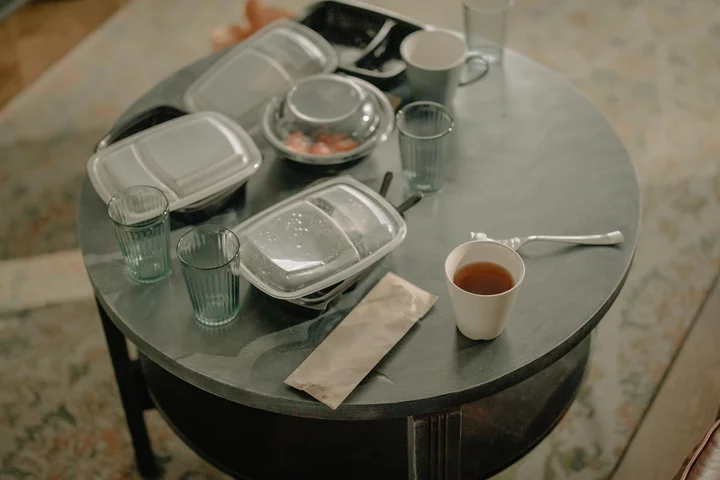
You know the one. You open the fridge and find that plastic container from three nights ago. The leftover spaghetti sauce has dried into a stubborn, orange shadow.
It seems permanent. It isn’t. This is your step-by-step plan to beat it.
Step 1: The Warm, Soapy Awakening
Never attack a dried stain dry. You’ll just grind it in.
Fill the stained container with the hottest tap water your hands can tolerate. Add a generous squirt of a durable dish soap like Dawn. I always use Dawn Platinum for this. Its formula is fantastic at cutting through the oily part of the tomato sauce.
Let this soapy bath sit for at least 30 minutes, or even overnight for really tough stains.
The heat and soap will slowly loosen the stain’s grip, turning it from a hard crust back into something you can clean, especially when dealing with oil stains on denim.
Step 2: Gentle Scrubbing Tactics
Now it’s time for action. Dump out the soapy water.
This is the critical moment. Your instinct might be to grab a steel wool pad. Don’t. Those green scouring pads will leave fine scratches all over your plastic.
Those tiny scratches become future stain magnets. Instead, choose a gentler tool.
- A soft-bristled brush, like an old toothbrush.
- A non-scratch scrubby sponge (the blue kind).
- A paste made from baking soda and a little water.
Use your tool with a bit of fresh dish soap and warm water. Scrub in small circles. The stain should start to fade. Unlike suede, this tool shouldn’t damage delicate surfaces.
What Helped Me: The Baking Soda Paste Trick
My son Jason’s soccer-team spaghetti dinner left a large Tupperware stained for a week. Soap and water alone weren’t cutting it.
I mixed baking soda with just enough water to make a thick, spreadable paste. I smeared it over the entire orange stain, making a little mask about a quarter-inch thick.
I left it alone for an hour. When I came back, I rinsed it off with warm water. The stain lifted completely without a single scratch.
The paste acts as a super gentle abrasive that also helps pull the stain particles out. It’s my first move for any set-in food stain on plastic.
Your Kitchen Cabinet Stain-Fighting Squad
You don’t need special chemicals. Your kitchen already holds a team of safe, effective stain fighters for plastic.
Does Vinegar Effectively Remove Spaghetti Sauce Stains?
Yes, absolutely. The acetic acid in white vinegar helps break down the stain components.
For a reliable soak, mix equal parts white vinegar and warm water in your stained container. Make sure the stain is submerged. Also, be aware of common stain-removal mistakes to avoid. We’ll highlight these pitfalls in the next steps.
Let it soak for 30 minutes to an hour, then scrub gently and wash as usual. The vinegar smell rinses completely away with water.
How Can Baking Soda Help Remove Sauce Stains?
Baking soda is a two-in-one hero. It’s a mild abrasive for scrubbing and a natural deodorizer that kills any lingering tomato sauce smell. There’s also the baking soda vs vinegar odor wars—a classic duel over which odor-fighting power wins. In the next steps, you’ll see how they stack up against one another.
Beyond the paste trick, you can sprinkle a dry tablespoon into a container, add a drop of water to make a slurry, and scrub. It’s perfect for spot-cleaning a stained lid or corner.
Does Sunlight Help Remove Tomato Stains from Plastic?
It really does. This was a trick my mom, Martha, taught me.
The ultraviolet rays in sunlight are a mild bleaching agent. They can break down the color pigments left behind.
After you’ve washed the container, leave it wet and place it in direct sunlight for a few hours. The faint yellow shadow that sometimes remains often disappears completely.
Think of it as giving your plastic a free, natural bleach treatment.
The Citrus Boost: Lemon Juice
If you dislike the smell of vinegar, grab a lemon. Fresh lemon juice contains citric acid, which works similarly to vinegar.
You can soak the stain in diluted lemon juice, or get creative. Squirt some juice right on a baking soda paste. The fizzing action helps the paste work into the plastic’s surface.
It leaves a fresh, clean scent behind, too.
Material Red Flags and the Bleach Question
Before you grab any cleaner, let’s talk safety. I’ve ruined a few containers by being too hasty, and I want you to avoid that.
Tomato stains are stubborn, but damaging your plastic is a permanent problem.
Is It Safe to Use Bleach on Food Storage Containers?
My short answer is usually no. I keep bleach for bathrooms and whites, not for where my food lives.
Bleach can degrade plastic over time and leave a lingering chemical smell that soap won’t remove.
If you have a white container and feel you must try, extreme dilution is key.
Use one tablespoon of bleach per gallon of cool water for a soak no longer than 10 minutes.
Rinse it three or four times with fresh water afterwards. I mean, really rinse it.
At Stain Wiki, we always suggest trying the baking soda or sunning methods first to keep your plastics safe and odor-free.
This is non-negotiable. Never, ever mix bleach with vinegar, ammonia, or other cleaners.
My mother-in-law, Brianna, once told me a scary story about the toxic fumes this creates. She was right.
Plastic Compatibility Check
Always flip your container over first. Look for a dishwasher-safe symbol, usually a little plate with water drops.
If it’s dishwasher-safe, it can generally handle gentle soaking and scrubbing without warping or clouding.
Very old, thin, or cracked plastics are different. I have a few from my early marriage that are permanently tinted orange.
These brittle plastics absorb stains and odors like a sponge. Sometimes, it’s best to let them go.
How to Prevent Tomato-Based Sauces from Staining
Stopping the stain before it starts is the real victory. It saves you so much scrubbing later.
The Oily Barrier Trick
A very light coating inside your container makes a world of difference. Use a quick spritz of cooking spray or a tiny drop of olive oil wiped around.
This creates a slick barrier that keeps the tomato pigments from sticking directly to the plastic.
I learned this from my Aunt Jessica in Arizona. She loves her red wine and weekly pasta, and her containers always look new.
Embrace the “Pasta Night” Container
In my house, we have the official ‘spaghetti tub’. It’s a large, slightly stained container that knows its job.
This is the one I reach for every Sunday. It has character, and it saves my nicer containers from a lifetime of orange tint.
Dedicating one container for saucy leftovers removes the stress and preserves the rest of your set.
The Power of a Timely Wash
The simplest trick is often the most effective. Don’t let the sauce sit and dry.
I ask my son Jason to rinse his lunch container as soon as he’s done. A quick splash of water right away lifts most of the sauce.
Washing containers soon after use is the ultimate prevention, and it takes less than a minute.
It beats an hour-long soak any day.
When Stains Won’t Budge: Your Final Options
You followed all the steps. You scrubbed. You soaked. That faint pink shadow is still smiling back at you from the container. I get it. My son Jason’s leftover spaghetti lunches have defeated me more than once.
First, take a breath. Re-trace your steps. Did you use enough dish soap to tackle the grease? Was your soak water hot enough? Sometimes, a second round with the baking soda paste or vinegar soak does the trick.
If the stain persists after a thorough re-treatment, you have two very practical paths forward.
Accept the “Casserole Patina”
A faint, pinkish tint is often just a beauty mark. It does not make the container unsafe for food storage. I learned this from my mom, Martha.
She has Tupperware from the 90s with a permanent sunset glow. She still uses it for dry goods or freezer meals every week.
This patina is simply a sign of a well-loved kitchen item that has hosted countless family meals.
The Last-Resort Soak: Hydrogen Peroxide
For white or light-colored plastics only, 3% hydrogen peroxide can be a gentle bleach alternative. I keep a bottle in my laundry room for stains, and it works on plastics too.
Fill the stained container with equal parts peroxide and warm water. Let it sit for no more than an hour. Rinse it incredibly well with fresh water afterward.
Always test this on a small, hidden area of the plastic first, like the bottom, to check for any discoloration or damage.
The Chemistry Corner: Why Tomato Sauce is a Tricky Stain
Tomato sauce isn’t one stain. It’s two stains holding hands. Think of it like my daughter Jessica’s art: she mixes oily crayons with bright paint.
The oily fats come from the cooking oil, cheese, or meat. The vibrant red pigment is lycopene from the tomatoes. The oil acts like glue, sticking the color to the plastic.
Dish soap works so well because it’s designed to surround and lift oils, breaking the pigment’s grip.
Acids like vinegar or lemon juice help by breaking down the lycopene pigment itself. This one-two punch of tackling the oil and the color is why our method is effective.
Recommended Products for the Job
You likely have everything you need already. I stock these in my own pantry and under the sink.
- A durable dish soap: Like Dawn Ultra or Palmolive Oxy. These are powerhouses for cutting grease.
- White distilled vinegar: The clear, cheap kind from the grocery store. Its acidity is perfect for this job.
- Baking soda: It’s a gentle abrasive that helps scrub without scratching, and it neutralizes odors.
- Hydrogen peroxide (3% solution): A mild oxidizer for those final, stubborn cases on light plastics.
These simple, non-toxic items are the core of my stain-removal toolkit for the kitchen.
FAQ about Removing Tomato Sauce Stains from Plastic Containers
How do you remove fresh tomato sauce stains from plastic containers?
Scrape out all sauce immediately with a soft spatula, then rinse thoroughly with cool water. Fill the container with warm, soapy dishwater and let it soak for 15 minutes to lift the stain before washing.
What is the best method for removing oily sauce residue from Tupperware?
Soak the container in hot water with a grease-fighting dish soap like Dawn for 30 minutes to break down the oil. Follow with a gentle scrub using a baking soda paste or a non-abrasive sponge to remove the residue without scratching.
Can vinegar effectively remove spaghetti sauce stains from plastic?
Yes, the acetic acid in white vinegar breaks down the stain components. Soak the stain in a mix of equal parts vinegar and warm water for 30-60 minutes, then rinse and wash normally. However, it is not effective for all types of stains and can sometimes cause its own problems in carpets.
Does sunlight help remove tomato stains from plastic containers?
Yes, ultraviolet rays act as a natural bleach. After washing, leave the wet container in direct sunlight for a few hours to safely fade any lingering discoloration.
How do you prevent tomato-based sauces from staining plastic containers?
Create a quick barrier by wiping a tiny amount of cooking oil inside the container before adding food. Always rinse containers with cool water immediately after use to stop stains from setting.
Keeping Your Plastic Containers Looking New
The best defense is a good offense. Act fast, rinse with cold water first, and don’t let that acidic tomato sauce sit. Those two steps prevent most stains from ever taking hold.
Stains on plastic don’t have to be permanent. With these simple, safe methods, you can keep your containers in rotation for years. For more everyday stain solutions, join me here at Stain Wiki.
Written by Suzanne Rosi Beringer. Suzanne is an accomplished chemist, laundry expert and proud mom. She knows the science and chemistry of stains and has personally deal with all kinds of stains such as oil, grease, food and others. She brings her chemistry knowledge and degree expertise to explain and decode the science of stain removal, along with her decades long experience of stain removal. She has tried almost everything and is an expert on professional and DIY stain removal from clothes, fabric, carpet, leather and any other items dearest to you.