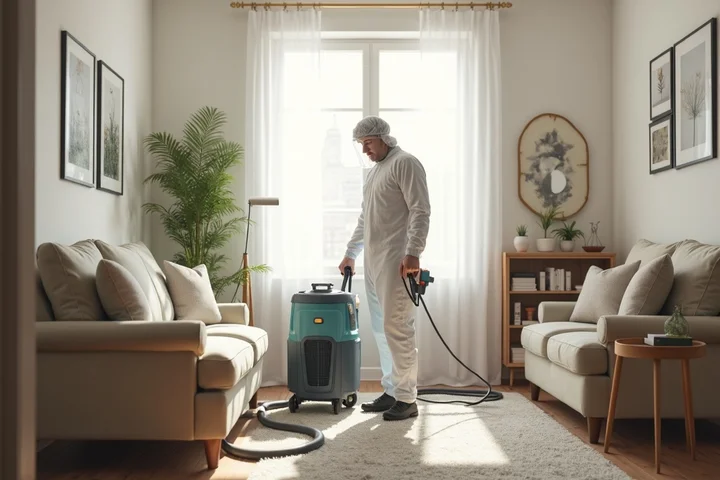
How to Remove Cigarette and Smoke Smells from Your House: A Step-by-Step Guide
That stubborn smoke odor can make your whole house feel unwelcoming, but I promise it’s not permanent. The key is a layered approach: ventilate thoroughly, then clean every surface the smoke touched, starting with walls and fabrics.
Here’s exactly what we’ll cover to make your home smell fresh again:
- How to safely wash smoke residue from walls and ceilings without ruining the paint.
- Refreshing upholstery, curtains, and carpets using common household items.
- Choosing between air purifiers, ozone generators, and simple natural deodorizers.
- My proven deep-cleaning routine for the most persistent, old smells.
I’ve tested these methods for years in my own home, battling odors from my husband Roger’s outdoor gear to my kids’ messy adventures.
Your First Move: The Quick Smoke Odor Triage
I know that smoky smell can feel overwhelming. Your first job is to stay calm. Smoke odor removal is a process, not a single magic step.
Start with a rapid response to stop the smell from sinking in deeper. This is your quick triage.
- Open every window you can to create a cross-breeze.
- Set up fans, especially box fans in windows, to actively push the old air out.
- Gather every removable fabric curtain, slipcover, cushion cover, and throw blanket and get them into the wash.
This immediate action flushes out the airborne particles and cleans the easiest targets before the smell can bond permanently to your walls and furniture. When my Aunt Jessica visits from Arizona, her perfume (and occasional cigarillo) lingers. I start with fans in the window before she even leaves. It makes the deeper cleaning so much easier.
Critical Warnings: What Not to Do with Smoke Damage
Before you attack the smell, you need a plan. Rushing in with the wrong cleaner can make the problem much worse.
Your new best habit is the hidden test patch. Find an inconspicuous spot on any surface wall, fabric, wood and test your cleaning solution there first. Wait for it to dry completely. You are checking for color loss, texture change, or any damage.
Some materials need extra caution. I treat these with kid gloves.
- Delicate silk or wool upholstery can be damaged by moisture and harsh cleaners.
- Antique, unsealed wood will soak up liquids and can be stained.
- Some vinyl wallpapers or delicate paints might smear or peel.
Here is my short “Never-Use” list for smoke residue. I learned some of this the hard way.
- Avoid strong ammonia or chlorine bleach directly on smoke stains. They can react with the residue and create dangerous fumes. They can also set certain stains permanently.
- Avoid masking the smell with heavy perfumes or aerosol sprays. This just creates a sickly-sweet layer on top of the smoke. You have to remove the source, not cover it up.
Finally, always think safety. Wear rubber gloves from under the kitchen sink. Keep the room ventilated, even when using something as simple as vinegar. Good airflow protects your lungs while you work.
The Science of the Stink: A Chemistry Corner on Smoke

When my Aunt Jessica from Arizona visits, her perfume has a habit of lingering for days. Smoke odor is like that, but cranked up to one hundred. It’s not just a scent floating in the air. Smoke odor is a physical, oily residue known as thirdhand smoke, and it creates a sticky film on every single surface. Think of the way cooking grease coats your kitchen cabinets over time. This is similar, but with a much more tenacious grip.
I learned this the hard way after helping a friend clean a relative’s home. Wiping the walls with just water did nothing. The smell remained, almost mocking us. Here’s why.
What You’re Actually Smelling
The stale cigarette smell comes from two main culprits. Tiny tar particles and nicotine are the primary offenders, and they cling to surfaces with surprising strength. They’re oily, which is the whole problem. Water and oil don’t mix, so a damp cloth just smears the film around. You need something that can break the grip of that oil.
Your Cleaning Toolkit, Explained Simply
You don’t need a chemistry degree, but knowing why a cleaner works makes you more effective. I keep three types of weapons in my arsenal for smoke, and each has a specific job.
Alkaline cleaners, like a good TSP substitute or even heavy-duty dish soap, are your grease-cutters. They work on the oily part of the residue. It’s the same principle I use on Jason’s greasy soccer jersey or a pan with baked-on mess.
Acidic cleaners, like white vinegar, are brilliant for neutralizing stubborn alkaline odors. After you cut the grease (using surfactants and emulsifiers), a vinegar wash can help wipe out that acrid, “ashy” scent that’s left behind. It’s a one-two punch.
Absorbents like baking soda or activated charcoal don’t clean; they act as odor traps. They pull smell molecules right out of the air or from a fabric’s fibers. I use an open box of baking soda in my fridge for the same reason my mom, Martha, always kept one in hers.
Roger’s hunting gear sometimes comes in smelling like campfire. I use all three principles: a degreaser on any hard surfaces, a vinegar rinse in the wash, and baking soda sprinkled in his boots overnight. The science works.
How to Remove Cigarette Smell from Walls and Ceilings
That stale smoke smell lingers in a sticky, yellow film on your walls. To remove it for good, you must wash that film away and neutralize the odor.
This two-step wash and rinse method breaks down the grime and erases the smell. It works on painted drywall and plaster.
First, collect your tools. You will need:
- Plenty of white microfiber cloths
- A large bucket
- Mild detergent like clear dish soap
- Distilled white vinegar
- A TSP substitute for heavy grease (I keep a bottle of Krud Kutter Degreaser)
- A new, clean paint roller cover for application
Step one is to wash the walls with a degreasing solution. Fill your bucket with a gallon of warm water. Add a quarter cup of your detergent and one tablespoon of the TSP substitute. Stir it gently.
Dip the paint roller cover into the solution and apply it to a three-foot square section of the wall. Immediately wipe the area with a damp microfiber cloth. You will see the brown residue transfer to your cloth.
Start from the bottom of the wall and work your way up. This prevents dirty drips from streaking the clean areas below.
Step two is the odor-neutralizing rinse. Empty and rinse your bucket. Now, mix one gallon of cool water with one cup of white vinegar. Use a fresh microfiber cloth to wipe down all the washed wall areas with this vinegar solution.
The sharp vinegar scent will vanish as it dries. It takes the last traces of smoke odor with it.
Do not skip the ceilings. They hold the worst concentration of smoke and tar. Use an extension pole with your roller or a mop to treat them safely.
Field Note: The Editor’s Wall Wash Trick
My Aunt Jessica visited from Arizona last year. She’s a wine enthusiast, and her rental car always smelled of smoke. She taught me this faster wall wash method.
After we bought our current home, the upstairs hallway had a faint, sour smoke scent. I mixed a gallon of hot water with a half cup of white vinegar and a generous squirt of Dawn dish soap in a bucket. I used a flat mop with a removable microfiber cover instead of a roller.
The mop let me clean the walls and the nine-foot ceilings without a ladder. I just dipped, applied, and let the solution sit for a minute before wiping with the mop head. The vinegar smell was gone before my dog Peeta finished his nap, and the hallway smelled completely neutral.
How to Eliminate Smoke Odor from Furniture and Upholstery
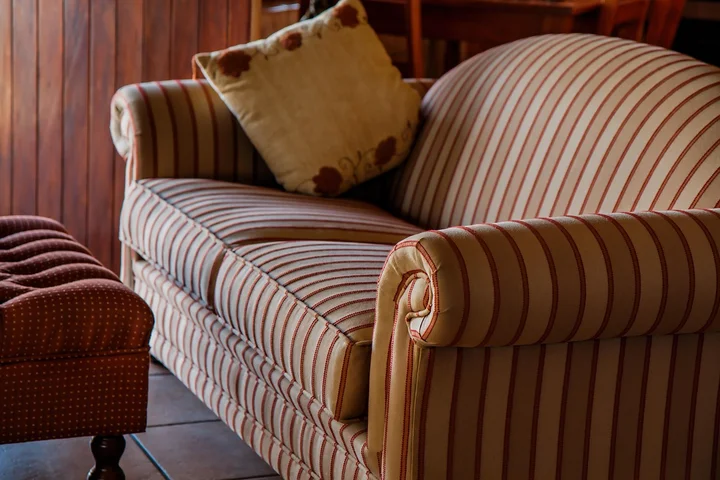
This part is where we roll up our sleeves. Smoke odor clings to everything, but furniture needs a tailored approach. I separate soft fabrics from hard woods because they trap smells differently. To remove stubborn odors from upholstery, we tailor treatments to the fabric to pull smells from fibers. That way we remove odors without damaging the furniture.
My Aunt Jessica from Arizona loves her evening wine, and after her visits, my couch always held a faint, sour scent. It taught me to act fast.
Soft Surfaces: Couches, Chairs, and Mattresses
Fabrics are like sponges for smoke. You need a method that pulls odor out without ruining the material.
First, get your vacuum cleaner. Attach the upholstery nozzle. Go over every cushion, seam, and backrest. Do this twice.
This initial vacuuming removes the ash and tar particles that are the physical source of the smell.
Next, use baking soda. Cover the fabric with a fine, even layer. For a mattress or large sofa, I use a full box.
Let it sit. I leave it for at least three hours, but overnight is better. My dog Peeta once tracked in a smoky smell, and baking soda on his bed worked wonders.
Baking soda acts as a dry deodorizer, absorbing odors safely before you introduce any moisture.
Vacuum the baking soda up thoroughly. Now, for any lingering smell, a gentle wet clean is next.
Make a DIY upholstery shampoo. My recipe is one tablespoon of clear, mild dish soap, one cup of white vinegar, and two cups of warm water in a spray bottle.
Shake it well. Always test it on a hidden corner first. Lightly mist a small section, don’t soak it.
Gently scrub with a soft-bristled brush or a microfiber cloth. Blot immediately with a dry towel to pull the dirty solution out.
Overwetting is your enemy here; it can lead to water rings, shrinkage, or mold inside the cushions.
Let the area air dry completely with good ventilation before you use the furniture again.
Hard Surfaces: Wood Tables and Dressers
Smoke leaves a sticky, invisible film on wood. This film holds the odor. My husband Roger’s hunting jackets used to leave this smell on our wooden entry table. It was especially challenging to remove the smoky odors from wood furniture.
Start with a cleaning wipe-down. Mix equal parts white vinegar and cool water in a bucket. Dampen a soft cloth in the solution, wring it out well.
Wipe the entire surface, following the wood grain. Rinse your cloth often in clean water. You’ll see the grime come off.
The vinegar cuts through the oily nicotine residue without damaging most finished woods.
Dry the furniture with a clean, dry cloth. Now, the crucial step is to reseal it. Apply a quality wood polish or conditioner. I use a paste wax for my tables.
Buff it in according to the product directions. This creates a fresh barrier. My mother-in-law Brianna taught me this; her Southern Texas home always smelled fresh, thanks to regular polishing.
A good polish seals the wood’s pores, locking out old odors and protecting against new ones.
How to Get Rid of Cigarette Smell in Carpets and Rugs
Think of your carpet as a giant, fluffy sponge.
It does not just soak up spills. It absorbs odors from the air and holds them deep in its fibers and padding.
To truly remove a smoke smell, you must move beyond surface cleaning and tackle those deep-down layers, especially when dealing with smoke and nicotine odors in clothes.
I follow a simple, layered plan that works on everything from my living room rug to the mats in our car.
Your Step-by-Step Carpet Rescue Plan
-
Start with a Dry Treatment
Liberally sprinkle a thin, even layer of plain baking soda over the entire carpet.
Let it sit for at least several hours, or overnight if you can. This gives it time to absorb odors.
Vacuum it all up thoroughly with your strongest setting.
-
Give it a Deep, Wet Clean
This step is non-negotiable for smoke smell. You need to extract the dissolved residue.
Use a rented hot water extraction machine or your own carpet shampooer. The “steam clean” function is key.
For a DIY cleaning solution, I mix a basic carpet shampoo with warm water in the machine’s tank as directed.
In the separate rinse tank, I add one cup of white vinegar for every gallon of clean water. This helps neutralize lingering alkaline odors.
-
Dry Completely and Repeat if Needed
Open windows and use fans to dry the carpet as fast as possible.
A damp carpet can grow mold and start to smell musty, which is its own problem.
If the smell persists after everything is bone-dry, you may need to repeat the deep cleaning step.
Why This Deep Clean Makes a Difference
I bought a home carpet shampooer five years ago, and it has been a game-changer for odors.
You can actually see the smell leaving.
I once ran just hot water through a “clean” beige carpet in a room we were refreshing.
The waste water came out a nasty yellow-brown. That was years of dissolved smoke and dust residue getting pulled out.
A surface clean would have never touched that, and the smell would have lingered.
Always do a spot test in a hidden corner with any cleaner or vinegar solution first. This protects your carpet’s color and fiber.
Keep pets and kids off the damp carpet. My dog Peeta learned this the hard way after slipping on a wet patch!
Safe DIY Alternatives: What to Use If You Don’t Have Specialty Products
You don’t need a cabinet full of expensive products to fight smoke. I learned this from my Aunt Jessica, who swears by her pantry for cleaning.
These household staples are powerful, non-toxic, and already in your home.
Option 1: The Vinegar & Dish Soap Duo
This is my go-to for walls, ceilings, and any hard surface. Smoke leaves a sticky, oily film that traps the smell.
Dish soap cuts through that grease. White vinegar then works to neutralize the acidic odor molecules left behind. Removing cooking grease smells can be challenging without the right approach.
For the best results, mix a solution in a spray bottle and work from the bottom up to avoid drips on clean areas.
I used this after my mom Martha visited; her winter coat smelled faintly of her fireplace.
- Mix 1 cup of white vinegar, 1 cup of warm water, and 1 tablespoon of clear dish soap in a spray bottle. Shake gently.
- Test the mix on a small, hidden section of the wall to check for any discoloration.
- Spray a 3×3 foot section. Let it sit for 2-3 minutes to break down the residue.
- Wipe clean with a microfiber cloth or sponge, using a fresh section for each pass.
- Follow with a rinse of clean water on another cloth to remove any soapy film.
Option 2: The Baking Soda Vacuum
For carpets, upholstery, and fabric curtains, baking soda is a safe first strike.
It’s a gentle abrasive and a natural odor absorber. My golden retriever Peeta’s favorite chair gets this treatment monthly.
Baking soda pulls odors out of fabrics without harsh chemicals, making it perfect for family spaces.
- Liberally sprinkle plain baking soda over the dry fabric or carpet. You want a light, even dusting.
- Gently work it into the fibers with a soft brush or your fingers. For upholstery, check care labels first.
- Let it sit for several hours, or ideally overnight. The longer it sits, the more odor it absorbs.
- Vacuum thoroughly. You may need to go over the area twice to get all the powder.
Option 3: The Activated Charcoal Bowl
For enclosed spaces like closets, cabinets, or cars, you need a passive absorber.
Activated charcoal is porous and traps odor molecules. A cheap bag from the aquarium section works perfectly.
This method requires no effort on your part-just place it and let physics do the cleaning.
I keep a bowl in our coat closet, which used to hold Roger’s hunting jackets.
- Fill several shallow bowls or containers with activated charcoal pellets.
- Place one bowl in each affected enclosed space. For a car, put one on the floorboard and one in the trunk.
- Leave them for 3-7 days. The charcoal will gradually adsorb odors from the air.
- Refresh the charcoal every month or so by placing it in direct sunlight for a day to release the trapped odors.
How to Clear the Air and Prevent the Smell from Returning
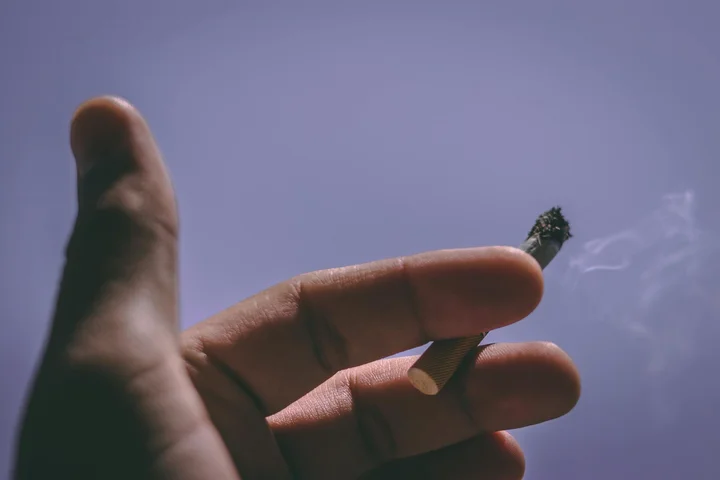
You can’t just cover smoke with another scent. It makes a weird, worse perfume. To truly clear the air, you need to remove the odor molecules, not just hide them. Think of it like this: you washed the walls and furniture, now you need to clean the invisible stuff floating around.
Choose an Air Cleaner, Not an Air Perfumer
My Aunt Jessica loves scented candles, but they never helped with her old apartment’s smoky smell. She was just adding vanilla to the ashtray scent. We got her a real air purifier instead.
A good air purifier works by physically capturing the smoky particles and odor gases. You want one with two key filters.
- HEPA Filter: This traps the tiny, burnt ash particles you can’t see. It’s like a super-fine net for dust and soot.
- Activated Carbon Filter: This is the magic for smells. The carbon has a huge surface area that grabs onto odor molecules, like the ones from smoke, and holds them tight.
I keep one running in our living room, especially after Roger has friends over for a barbecue. It doesn’t make the room smell like flowers. It just makes the air smell like nothing, which is the goal.
The Ozone Generator Warning: Leave it to the Pros
You might hear about ozone generators as the “big guns” for odors. They create ozone gas (O3) that breaks down odor molecules. Ozone generators are powerful, but they are also dangerous and must be used with extreme caution.
Ozone is a lung irritant. People, pets, and plants cannot be in the home during treatment. Every surface must be thoroughly aired out afterwards. A professional restoration company I’ve worked with uses them as a last resort for severe fire damage, following strict safety protocols.
I do not recommend renting or buying one for DIY home use. The risk of improper use is too high. Stick to the safer, surface-focused and air filtration methods.
Your Game Plan for a Fresh Future
After the big cleanup, a few simple habits keep the smell from creeping back. My mom Martha in North Texas has a breezy, fresh house because she lives by these rules.
- Ventilate Relentlessly: Open windows whenever you can. Run bathroom and kitchen exhaust fans. Moving air is your best friend.
- Use Passive Odor Absorbers: Place activated charcoal bags in closets, drawers, or near furniture. They silently soak up odors for months. I keep one in the coat closet where wet dog gear goes.
- Wash Washables Regularly: Curtains, slipcovers, and even throw pillows hold smells. Toss them in the wash on a schedule. I wash our living room curtains every season without fail.
You can get the smoke smell out, but it takes a full-surface attack, not just an air spray. Clean every texture, then clean the air itself. It’s work, but the first deep breath of truly fresh air in your home makes it all worth it.
When to Call the Pros: Understanding Professional Smoke Odor Removal
I believe in rolling up my sleeves. Most smoke smells yield to the deep cleaning we just talked about.
But you need to know when the job is bigger than your bucket and scrub brush. Being honest saves you time, money, and frustration.
Signs You Might Need a Professional
Calling in experts isn’t a failure. It’s a smart choice for specific situations.
- After a Fire: Even a small kitchen fire leaves a complex, sticky odor that DIY methods can’t fully reach.
- In Very Old Homes: Plaster walls and ancient timber beams absorb smells for decades, creating a deep reservoir of odor.
- When Health is a Priority: If someone moving in has severe asthma or allergies, you want the most comprehensive removal possible.
My Aunt Jessica bought a charming old condo in Arizona. The previous owner had smoked for 20 years. We scrubbed for a weekend, and it helped, but a faint, dusty smell lingered in the walls. That’s when she called a pro.
What Professional Smoke Remediation Looks Like
Professionals have tools and chemicals we can’t buy at the store. Their process is more scientific.
Thermal Fogging
Think of this as a high-tech deodorizing mist. A machine heats a special solution into a fog.
This fog penetrates every crack, crevice, and fabric fiber, just like the original smoke did. The fog particles neutralize the odor molecules they contact on a chemical level. It’s very effective for permeated rooms.
Ozone Treatment
An ozone generator is a powerful tool that requires extreme caution. It releases ozone gas (O3) that breaks apart odor molecules.
No one, including pets, can be in the home during this treatment. The space must be sealed and then thoroughly aired out afterwards. Pros use these machines safely and know how to measure levels.
Industrial Duct and HVAC Cleaning
This is a game-changer for whole-house smells. If smoke circulated through your vents, they’re coated in residue.
Specialists use powerful truck-mounted vacuums and agitation tools to scour the entire duct system. This stops your furnace from blowing old smells back into your clean rooms every time it turns on.
What to Expect With Costs
I can’t give you exact quotes. Prices depend on your location, house size, and odor severity.
As a rough guide, treating a single room often starts in the hundreds of dollars. Whole-house remediation, especially after fire damage, runs into the thousands. Always get a detailed, in-person assessment and quote before any work begins.
You’ve Got This
Don’t let this section scare you. For the stale smell left by a habitual smoker in a modern home, your diligent washing, wiping, and airing will make a massive difference.
View professional help as a powerful tool for the toughest cases, not the first step for every job. Start with the deep clean. You might just solve it yourself, like I have many times after my friend Edward’s dad, a smoker, would visit and the smell would cling to the couch.
FAQ About Removing Cigarette and Smoke Smells
1. How can I prevent the cigarette smell from returning after I clean?
Maintain the results by ventilating rooms daily and using passive odor absorbers like activated charcoal bags in closets or near furniture. Regularly wash soft furnishings like curtains and slipcovers to stop odors from re-settling.
2. What’s the best natural remedy for smoke odor if I don’t want to use chemicals?
For a safe, whole-house approach, place bowls of baking soda or activated charcoal in affected rooms to absorb odors from the air. These methods often spark a playful debate—think ‘baking soda vs vinegar odor wars’—as you weigh absorption versus neutralization. To clean surfaces, a solution of white vinegar and water is an effective, non-toxic grease-cutter and odor neutralizer.
3. I have guests arriving soon. What’s the fastest way to make a room smell less smoky?
Immediately open all windows for a cross-breeze and run a fan. Then, vacuum all fabric surfaces thoroughly—this instantly removes ash and tar particles that are the primary source of the immediate smell, which is especially important when removing cigarette smell from car interiors.
4. How do I know if a smoky piece of furniture needs to be professionally cleaned or just thrown out?
If a thorough DIY treatment (vacuuming, baking soda, and a gentle upholstery shampoo) fails after the piece is completely dry, the smell is likely deep in the padding. Consider professional cleaning; replacement is typically a last resort for severe, permanent damage.
5. Should I use an air purifier or an ozone generator to clear the air?
Use a HEPA air purifier with an activated carbon filter; it safely traps particles and odors. When evaluating odor removal, HEPA with activated carbon is often safer and more effective than ozone-based approaches. Avoid DIY ozone generators, as ozone gas is a severe lung irritant and requires vacant, professionally controlled treatment to be safe.
Your Blueprint for a Smoke-Free Home
The most critical step is to never skip the deep cleaning of walls and fabrics-masking the smell with air fresheners alone lets the odor seep back every time. True freshness comes from removing the source, a lesson I learned helping my aunt Jessica with her wine-stained curtains and my mom Martha with her North Texas home. For honest, tested advice on protecting your spaces, follow along with me right here on Stain Wiki.
Written by Suzanne Rosi Beringer. Suzanne is an accomplished chemist, laundry expert and proud mom. She knows the science and chemistry of stains and has personally deal with all kinds of stains such as oil, grease, food and others. She brings her chemistry knowledge and degree expertise to explain and decode the science of stain removal, along with her decades long experience of stain removal. She has tried almost everything and is an expert on professional and DIY stain removal from clothes, fabric, carpet, leather and any other items dearest to you.