How Do You Remove Burnt Food and Grease from Pots and Pans?
That layer of crusted-on dinner feels hopeless, but I promise it isn’t. For most pans, a simmer with water and a tablespoon of baking soda will break the bond without harsh scrubbing.
This guide will walk you through reliable fixes for every type of cookware in your kitchen:
- Safe, no-scrub soaks for non-stick and ceramic pans.
- Powerful pastes for tough stainless steel and glass.
- How to clean cast iron without ruining its seasoning.
- Pantry staples that work better than expensive cleaners.
- My favorite tool for stuck-on grease without the elbow grease.
I’ve tested every method here on pans from my own kitchen, salvaging everything from Roger’s burnt chili pot to the sheet pan under Jessica’s “cookies.”
Your First Step: Don’t Panic, Just Assess
Take a deep breath. I’ve been there, staring at the blackened mess my husband Roger left after forgetting his pasta sauce on the stove. The first thing you need to do is gauge the severity.
Burnt-on food is a different beast than baked-on grease. I rate burnt food as a 7 out of 10 on the panic scale. It’s a carbon crust that fuses to the metal. Baked-on grease, like the ring of oil from my son Jason’s grilled cheese adventures, is a softer 4 out of 10. It’s often just polymerized fat you can chip away.
Identifying the type of mess directly points you to the best cleaning strategy.
Now, act before the panic sets in. The moment you safely can, fill that pan with hot, soapy water. This is the “Golden Window.”
As the pan cools from scalding to just very warm, the metal is still expanded. Hot water and soap can seep into the microscopic spaces between the burnt gunk and the pan’s surface. It loosens everything from the inside out.
Soaking during the Golden Window can turn a 30-minute scrubbing job into a 5-minute wipe-down.
Safety is non-negotiable here. Never, ever try to cool a hot pan by running cold water over it or plunging it into a sink. The thermal shock can warp thin pans and crack enamel or glass. I learned this the hard way with a favorite baking dish.
Let it sit on a cool burner or a trivet until it’s completely cool to the touch. If you’re impatient like me, you can start the soak once the handle is cool enough to hold comfortably.
The Science of the Scorched Spot: A Quick Chemistry Corner
Understanding what you’re fighting makes winning the battle easier. That black, stubborn layer isn’t just dirty. It’s transformed.
Burnt food is a carbonized, polymerized mix. Think of the oils, proteins, and sugars in your dinner as separate threads. High heat melts and tangles them together into a tough, plastic-like net stuck to your pan. This is why water alone often fails.
You’re not washing off dirt; you’re breaking apart a tough, fused polymer.
To dismantle this mess, you need the right tools for the job. Different cleaners attack different parts of the problem.
- Degreasers (like dish soap or Dawn): These break the chemical bonds in fats and oils. They’re your first line of defense against that baked-on greasy film.
- Acids (like white vinegar or lemon juice): These are brilliant for dissolving mineral deposits from hard water or lifting away things like cooked-on milk or tomato sauce. My Aunt Jessica swears by a vinegar soak for her wine-reduction pans.
- Abrasive Helpers (like baking soda paste or a Dobie Pad): These provide gentle physical force to lift the loosened gunk away without harsh scratching. Baking soda is a mild abrasive that also has some degreasing power.
This chemistry lesson matters because your cookware’s material dictates which of these tools you can use safely. An abrasive scrub on a non-stick pan ruins it. A strong acid soak can damage aluminum.
Matching the cleaner’s action to your pan’s material is the secret to cleaning effectively without causing damage.
Your Kitchen Cabinet Cleaning Kit: What Really Works
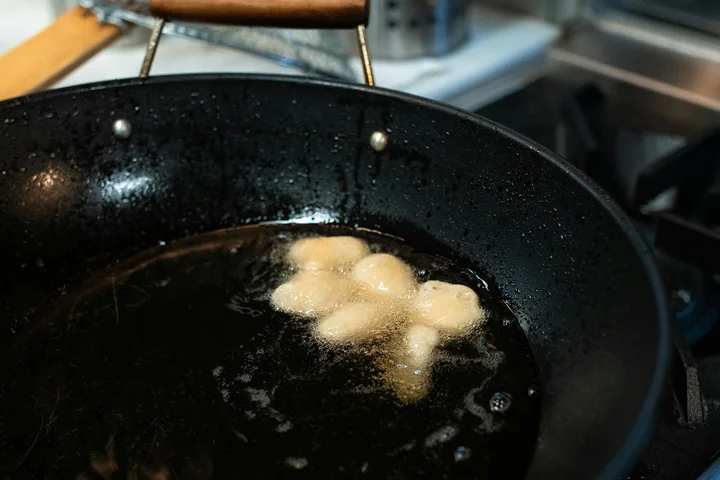
I don’t just rummage for cleaners. I think about what the burnt gunk actually needs.
Grouping items by their primary action makes every clean-up faster and safer.
- Dawn Dish Soap is my champion for cutting grease. Its formula breaks down oily films from Roger’s post-grill cleanup or Jessica’s buttered pancake experiments. A few drops in hot, soapy water loosens even baked-on fat.
- For gentle scrubbing power, I rely on Baking Soda and Salt.
- Baking Soda: I make a thick paste with water. It lifts stains with a mild, chalky abrasion that won’t scratch.
- Salt: Coarse kosher salt gives me extra grit. I sprinkle it on a damp sponge to tackle tough, stuck-on spots on stainless steel.
- To dissolve mineral deposits and brighten metals, I use White Vinegar and Cream of Tartar.
- White Vinegar: Its acidity breaks down cloudy calcium rings and some burnt sugars. The sharp scent fades as it dries.
- Cream of Tartar: Mixed into a paste, it works magic on discolored aluminum pots. My aunt Jessica in Arizona uses it for her wine-reduction pans.
Material Red Flags: Always match your method to your pot or pan. Wrong combinations cause permanent damage.
- Never use bleach on aluminum cookware. It reacts and creates dark, ugly stains that you cannot remove.
- Avoid harsh abrasives on non-stick coatings. Steel wool or rough scrub pads will scratch the delicate surface, ruining its release.
- Be cautious with strong acids on cast iron or copper. They can strip seasoning or patina. When in doubt, test a hidden spot.
Pro-Tip: What Helped Me (The Stain Wiki Editor)
My mom, Martha, taught me a brilliant trick for crusty, stuck-on food. She soaks a dryer sheet in full-strength white vinegar.
She then presses the soggy sheet directly onto the burnt area of the pot. After 30 minutes, the gunk softens into a wipeable mess.
The sheet clings to the curves and sides, letting the vinegar work its dissolving magic without dripping. I use this on my worst casserole dishes.
My favorite scraping tool is a flat-edged wooden spatula. It flexes just enough to pry up residue without leaving a single scratch on my cookware.
How to Clean Burnt Grease from a Stainless Steel Pot or Pan
You want to know how to clean baked on grease from pots and pans. I get it. You walk away for a minute to break up a squabble between Jason and his buddy Edward, and suddenly your beautiful pan has a layer of crusty, blackened cheese sauce. It happens to everyone.
For most of these burnt-on messes, you can tackle them with two ingredients you already own. I learned this basic formula from my mom, Martha, and it hasn’t failed me yet.
The Gentle Power of Baking Soda and Soap
This method uses a mild abrasive (baking soda) and a degreaser (dish soap) to lift the stain without scratching. It’s my first move for any pan that’s not beyond hope, especially for delicate surfaces like granite countertops.
- Fill the pan with enough hot water to cover the burnt area. Add a generous squirt of your regular dish soap.
- Bring the soapy water to a simmer on the stove. Let it bubble gently for 10-15 minutes. This loosens the food’s grip.
- Carefully pour out the water. Sprinkle a thick layer of baking soda over the entire burnt patch. It should look like a pasty snowdrift.
- Add just a few drops of water to the baking soda to make a spreadable paste.
- Let the paste sit for another 15 minutes. The baking soda will continue to work, breaking down the gunk.
- Use a non-scratch scrubber or sponge and scrub in small circles. The burnt bits will start to roll up into little dark crumbs.
- Rinse thoroughly with warm water.
For a truly stubborn, baked-on layer, you can add a half-cup of white vinegar to the simmering soapy water in step one; the fizzing action helps break things up further. Just be ready for that sour scent-it always reminds me of my aunt Jessica’s science fair volcano project.
For the Toughest Burn Stains: Bar Keepers Friend
Sometimes, the baking soda method leaves behind faint, dull brown stains or shadowy rings. This is where a specialist cleaner shines. When you need to know how to remove burn stains from stainless steel, this is the answer. This approach also applies to stainless steel appliances and sinks, helping them stay bright and stain-free.
Bar Keepers Friend powder contains oxalic acid, which chemically reacts with and lifts those last discolored stains. I keep a can under my sink for these exact moments.
- Make sure your pan is clean of loose debris and is slightly damp.
- Sprinkle a small amount of Bar Keepers Friend powder directly onto the stain.
- Using a damp sponge or soft cloth, gently rub the powder onto the stain in a circular motion. You’ll see it form a thin, grayish paste.
- Let it sit on the stain for no more than one minute. Do not let it dry out completely.
- Rinse the pan thoroughly with warm water. All the powder and the stain should wash away.
Always follow the product’s instructions, wear gloves if you have sensitive skin, and never use it on non-stick or aluminum surfaces. This stuff is powerful, so I only bring it out when my gentle scrub isn’t enough.
Post-Treatment Recovery: Drying and Polishing
Your pan is clean, but you’re not quite done. Stainless steel shows every water spot. To get that like-new shine back, you need to banish moisture completely.
Dry the pan immediately with a soft, lint-free towel. Don’t let it air dry. I use the same kind of microfiber cloths I use on my car windows.
For an extra level of shine and protection, add one final step. Put a tiny drop of mineral oil or even a dab of cooking oil on a paper towel.
Buff the entire exterior of the pan with the oiled towel. This leaves a microscopic protective layer that repels water and fingerprints. This quick polish is the secret trick my mother-in-law Brianna taught me to make my cookware look professionally maintained.
How to Remove Burnt Food from a Non-Stick Pan (Without Ruining It)
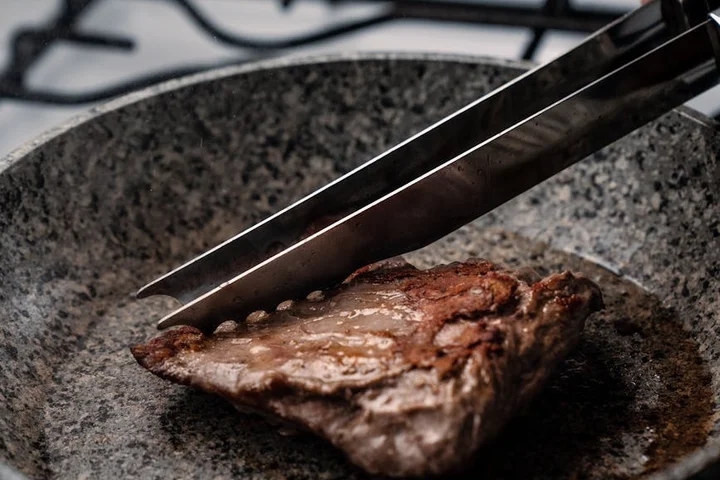
I treat my non-stick pans like my favorite t-shirts. That slick coating is fantastic until it gets scratched, and then it’s just a frustrating mess. My mom, Martha, taught me years ago that gentle care is the only way to make them last.
Your goal is to lift the burnt food without ever scratching or scouring that delicate surface. Once those microscopic scratches appear, food sticks more and the pan loses its magic.
The Safest, First-Thing-to-Try Method
This is my standard move after, say, Jason gets distracted and lets the grilled cheese cook a little too long. Patience is key here.
- Let the pan cool all the way down. I mean completely cool to the touch. Pouring cold water on a hot pan can cause thermal shock and warp it.
- Fill the pan with the hottest water from your tap and add a good squirt of dish soap. Dawn Platinum is my usual pick because it cuts grease so well.
- Let it soak for at least 30 minutes, or even overnight for a really bad burn. The hot, soapy water works to soften and loosen everything.
- Use a soft sponge, like a brand-new one without any scrubby side, to gently wipe the interior. Agitate the water with the sponge to help lift the debris.
For most everyday burns, this soak-and-gently-wipe method will get your pan back to cooking shape. If you see a few specks left, move to the next step.
For Stubborn, Stuck-On Spots: The Baking Soda Paste
When my aunt Jessica visits and her wine reduction becomes a permanent feature of a saucepan, I reach for the baking soda. It’s mildly abrasive but gentle enough when used correctly.
Make a thick paste with baking soda and a tiny bit of water. It should have the consistency of toothpaste. Spread this paste over the burnt area only.
Let it sit for 15 to 20 minutes. You might see it start to dry and crack a little. Then, take your soft sponge, add a drop of water, and gently rub in a circular motion.
The baking soda paste acts as a gentle polishing agent to lift carbonized food without damaging the pan’s coating. For tougher residues, many compare baking soda vs white vinegar to see which works best. Rinse thoroughly with warm water.
Here is my non-negotiable rule. I’ve seen what happens when it’s ignored. Never, ever use steel wool, abrasive scrub pads, or harsh powdered cleaners on a non-stick surface. They will leave dull scratches that you can feel with your fingernail, and that’s the beginning of the end for the pan.
When the Pan is Just “Stained”
Sometimes, you get all the burnt food off, but the pan has a dull, brownish or rainbow-colored film. This is usually just a surface stain from oils and heat, not actual stuck-on gunk.
My mother-in-law Brianna’s trick works wonders here. Create a 1:1 solution of white vinegar and water in the pan. Bring it to a gentle simmer on the stove, then turn off the heat and let it cool in the pan.
That acidic simmer helps break down those thin, stained layers. After it cools, wash normally with soap and water. This vinegar simmer is safe for the coating and fantastic for removing that cloudy, stained look. For best results, consider pH, acids, and bases in fabric care to tailor stain removal to your material. This helps you choose the right cleaner and protect fibers.
If the stain persists after all this, it might be permanent discoloration from extreme heat. But the pan is still perfectly safe and functional to use. I have a few pans with those shadows, and they work just fine.
The Best Method for Removing Tough Grease from Cast Iron
Cleaning cast iron feels different from cleaning a stainless steel pot. You are not just cleaning a surface. You are caring for a seasoned, living finish that makes this cookware non-stick.
My husband Roger is our family’s cast iron caretaker. He taught me that the goal is to remove the burnt-on gunk while preserving that hard-earned black seasoning. Stripping it away means starting from scratch.
Think of the seasoning as a polymerized oil coating, not dirt you need to scour off. Your cleaning method should be abrasive enough for the stuck-on food, but gentle on that slick surface.
The Trusty Kosher Salt Scrub
When Jason’s grilled cheese leaves a crusty ring or bacon grease turns gummy, I reach for kosher salt. This is my go-to for 90% of cast iron cleanups.
Coarse salt acts as a gentle, natural abrasive. It scrubs off debris without dissolving and harming the seasoning like some chemical cleaners can.
Here is exactly how I do it, while the pan is still warm (but not scalding hot).
- Pour a generous handful of kosher salt into the warm pan.
- Add a tiny splash of water or a drizzle of oil to make a loose paste.
- Use a folded paper towel or a dedicated stiff-bristled brush to scrub firmly. You will feel the grit working against the burnt spots.
- Rinse briefly with very hot water, using your fingers to wipe away the salty sludge.
- Immediately dry the pan thoroughly with a towel. I then place it on a warm stove burner for a minute to evaporate any last moisture.
This method lifts grease and food without the need for soap, keeping your seasoning fully intact. I keep a big box of salt next to the stove just for this.
When Mild Soap is Actually Okay
My mom Martha would gasp. The old rule was “never, ever use soap.” That was for lye-based soaps that would strip seasoning. It was one of those rules passed down before synthetic detergents replaced traditional soap.
Modern dish soaps are much milder. If you have a pan with truly stubborn, caked-on grease that salt won’t budge, a drop of mild soap can help.
The key is caution. I use a single drop on my sponge, create a light lather, and scrub only the problem area.
Quick, targeted use of modern soap is far safer than resorting to harsh abrasives or oven cleaner in desperation, especially when dealing with silk or other delicate fabrics. Rinse immediately and dry with intense care.
For my weekly clean, I stick with salt. But after Roger makes his famous chili, a tiny bit of soap on the rim is my secret weapon.
The Non-Negotiable Step: Re-Seasoning
Any cleaning, especially if it involved scrubbing or soap, slightly wears the protective oil layer. You must replace it immediately. This is the “post-treatment recovery.”
If you skip this, your pan will flash-rust or food will stick terribly next time. Here is my foolproof routine.
- After drying, place the clean pan on a low stove burner for 2-3 minutes to get it completely, bone-dry hot.
- Turn off the heat. Add about a teaspoon of a high-smoke-point oil (like grapeseed, canola, or flaxseed) to the warm pan.
- Use a paper towel to rub the oil over every surface, inside and out. Then, take a fresh paper towel and try to wipe ALL the oil back out. You want an impossibly thin, almost invisible layer.
- Place the pan upside-down in a 450°F oven for one hour. Let it cool in the oven.
That thin, baked-on layer is what rebuilds the seasoning. A pan that feels sticky after oiling means you used too much. I learned this the hard way with a tacky skillet years ago.
For a daily driver pan, this oven step is not always needed. Just the thin oil coat after drying on the stove is enough. But after a deep clean, the oven bake makes it bulletproof.
How to Clean Burnt-On Food from an Enameled Dutch Oven or Baking Sheet
Enameled cast iron and metal baking sheets share a key trait. They are sturdy workhorses in the kitchen, but their glossy or coated surfaces are surprisingly easy to scratch. I treat them both as “scratchable” surfaces, a lesson I learned after Roger cleaned a pan with a metal scrubber and left permanent marks.
Start with the Right Mindset: Sturdy but Delicate
That tough enamel coating on a Dutch oven or the surface of a baking sheet isn’t invincible. Treating them gently preserves their finish and makes future cleanup much easier. This means avoiding aggressive tools that seem logical for tough messes.
The Boiling Baking Soda Method for Dutch Ovens
This is my go-to for a Dutch oven with a burnt bottom. Simmering baking soda and water creates a gentle chemical reaction that loosens food without you scrubbing. It’s the method my mom, Martha, has used for decades on her North Texas cookware.
- Place the Dutch oven on the stove and fill it with enough water to cover the burnt residue.
- For every quart of water, add 1/4 cup of baking soda. It will fizz a little.
- Bring the water to a boil, then reduce the heat to a steady simmer for 15 to 20 minutes.
- Turn off the heat and let the pot cool until it’s safe to touch. The water will look cloudy.
- Carefully pour out the water. Use a soft sponge or nylon brush to wipe away the now-softened mess.
For stubborn spots, let the warm solution sit for an hour. I used this just last week on a pot from Jason’s ambitious chili recipe.
The Most Effective Way to Clean a Burnt Baking Sheet: A Paste
For baking sheets with baked-on grease and carbon, a targeted paste works best. Creating a thick baking soda paste lets the powder adhere to and break down the burnt gunk directly. My aunt Jessica from Arizona uses a similar paste for red wine on countertops.
- Mix baking soda with a small amount of water to form a thick, spreadable paste. Aim for a consistency like damp sand.
- With the cool, dry baking sheet in the sink, smear the paste generously over all the burnt areas.
- Let the paste sit and work for at least 30 minutes. For a pan left overnight, let it sit overnight.
- Scrub gently with a non-scratch scrubby sponge. You’ll see the paste turn a dull brown as it lifts the grease.
- Rinse the sheet completely with warm water and dry it immediately to prevent water spots.
For extra cleaning power, I sometimes add a drop of blue dawn dish soap to my paste. This tackled a sheet pan I burnt making pizza rolls for the kids.
The One Tool to Always Avoid
Never reach for a metal scouring pad or steel wool on enamel. These will create micro-scratches that ruin the smooth finish and actually trap more grease and food next time. I keep a designated nylon brush and soft sponges just for these pieces. A scratched pot is a sad pot.
Tackling Tricky Related Stains: Glass Cooktops and Melted Plastic

Sometimes, the mess doesn’t just stick to the pot. It splatters onto the stove or, in a moment of distraction, something melts where it shouldn’t. I’ve been there. Here’s how to handle those adjacent disasters without causing new ones.
Surface Compatibility Chart: Glass, Stainless, and Enamel
Not every surface can handle the same treatment. Using the wrong scraper or cleaner can turn a simple cleanup into a permanent scratch. This chart is my quick-reference guide, born from testing (and a few mistakes) in my own kitchen.
| Surface | Safe For | Avoid |
|---|---|---|
| Glass Cooktop | Plastic scrapers, single-edge razor blades, dedicated cooktop creams. | Steel wool, abrasive sponges, powdered cleansers. |
| Stainless Steel | Baking soda paste, Bar Keepers Friend, scrubbing with the grain. | Chlorine bleach, leaving acidic cleaners on for long periods. |
| Enamel (like Dutch ovens) | Gentle baking soda soaks, soft-bristle brushes, diluted dish soap. | Metal utensils for scraping, abrasive pads, thermal shock (sudden temp changes). |
This simple rule helps: if the surface is glossy and non-stick (like enamel or glass), treat it like you would a non-stick pan-gentle tools only.
How to Remove Grease from a Glass Cooktop
That film of cooked-on grease and splatter is the worst. It makes your stove look permanently dirty. My mom, Martha, taught me the razor method years ago, and it’s the only thing that truly works for baked-on gunk.
You need a specific tool: a single-edge razor blade holder made for glass cooktops. The plastic guard prevents scratches. Don’t use a loose blade.
- Spray the cool cooktop with a dedicated glass cooktop cleaner or a mix of vinegar and water. Let it sit for 5 minutes to soften the grease.
- Hold the razor scraper at a 45-degree angle. Use gentle, controlled strokes, almost like you’re shaving the surface. Wipe the gunk off the blade with a paper towel frequently.
- For any remaining haze, make a paste with a little cooktop cleaner and baking soda. Gently rub it in with a soft cloth, then buff clean.
The key is letting the cleaner soften the mess first, so the razor lifts it without you having to force it. I did this just last week after Roger made his famous (and splattery) pan-seared steaks.
How Do You Get Melted Plastic Out of an Oven?
This is a heart-dropping moment. Maybe a container lid fell to the bottom, or a kid’s toy got left on a warm stove. I helped my aunt Jessica with this once after a plastic measuring cup met a preheating oven.
Your goal is to make the plastic brittle so you can pop it off in chunks. Do not turn the oven on to “burn it off”-you’ll just create toxic fumes and an even bigger mess.
- Put on oven mitts. Safety first. Place several ice cubes or an ice pack directly onto the melted plastic blob.
- Wait. It can take 10-15 minutes for the plastic to contract and become brittle.
- Once it’s hardened, use a plastic scraper or a blunt butter knife to gently pry up an edge. You should be able to pop the whole piece off in one or two sections.
- If a thin film remains, lightly dab a little cooking oil on a paper towel. Rub the residue; the oil can help loosen it for a final wipe.
Never use a razor blade or metal scraper inside your oven, as you can damage the coating and create spots that rust. If the plastic has dripped onto heating elements, you may need to call a professional. For me, the ice trick worked perfectly on the oven floor.
How to Avoid Tough Baked-On Food in the First Place
I used to think cleaning the pan was a separate chore from cooking. I was wrong. Preventing a mess is always easier than removing one, and it starts the second you turn off the burner.
Take a tip from my kitchen. When I finish frying eggs or browning meat, I immediately grab my kettle. I pour about a half cup of water right into the hot, empty pan. It erupts in a satisfying cloud of steam.
This quick deglaze dissolves the tasty browned bits (the fond) before they transform into a cement-like crust. I give it a swirl with a wooden spoon for just 30 seconds, then dump it. What’s left usually wipes clean with a paper towel.
Managing your heat and fat is just as crucial. My husband Roger learned this the hard way making venison jerky. A screaming hot, dry pan is a one-way ticket to a blackened, stuck-on disaster.
Using enough oil or butter and keeping the temperature at a steady medium creates a protective layer that food slides on, not bonds to. You’ll hear a gentle sizzle, not a violent crackle.
Now, let’s talk about my son Jason. He’s eight and his post-soccer snack of choice is microwave quesadillas, which somehow always end up baked onto a plate. I finally got him to just put the dirty plate in the sink and run some hot, soapy water over it.
That mindless soak is a game-changer. By the time I load the dishwasher, the melted cheese and salsa residue rinse away like nothing happened. Jason’s simple habit proves that the easiest cleanup happens before the food even gets cold.
FAQ About Removing Burnt Food and Grease
Is it safe to use baking soda and vinegar on all types of cookware?
While effective together for some tough messes, this combo is an acid-base reaction best for stainless steel or glass. Avoid using it on cast iron (it can strip seasoning) or untreated aluminum (it can cause discoloration).
What household items can I grab for a quick fix when I don’t have baking soda?
Immediately fill the pan with hot water and a generous squirt of dish soap to soak. For scrubbing, coarse salt sprinkled on a damp sponge acts as an excellent, gentle abrasive for stainless steel or enamel.
My pan is clean but has a dull, stained finish. How do I restore it?
For a stainless steel pan, use a paste of Bar Keepers Friend, then buff dry and polish with a drop of mineral oil. This maintains clean and polished stainless steel and helps remove stains. For a non-stick pan with stains, simmer a 1:1 water and vinegar solution, then wash normally.
Can I use oven cleaner on my worst pots and pans?
Only as an absolute last resort for uncoated stainless steel or ceramic, and never on non-stick, aluminum, or cast iron. Always test in a small area first, use in a well-ventilated area, and wear gloves.
What’s the one immediate step after cooking to prevent a burnt mess?
As soon as the pan is safe to touch, add a little hot water and dish soap to let it soak. This utilizes the “Golden Window” where heat has expanded the metal, letting soapy water penetrate and lift residue easily.
Smart Habits for Cookware Care
Always tackle burnt-on grease with gentle, non-toxic methods first, like a hot, soapy soak, to protect your pan’s surface. I learned from my mom Martha that a little patience with baking soda or vinegar saves my skillets from Jason’s cooking experiments. That same patience works on burnt grease on an electric stove too—gentle treatments like a warm vinegar spray or baking soda paste can lift stains without damage. For more hands-on tips on removing burnt grease stains from an electric stove, stay with us at Stain Wiki. For more real-world advice that works in a busy home, follow along with our blog here at Stain Wiki.
Written by Suzanne Rosi Beringer. Suzanne is an accomplished chemist, laundry expert and proud mom. She knows the science and chemistry of stains and has personally deal with all kinds of stains such as oil, grease, food and others. She brings her chemistry knowledge and degree expertise to explain and decode the science of stain removal, along with her decades long experience of stain removal. She has tried almost everything and is an expert on professional and DIY stain removal from clothes, fabric, carpet, leather and any other items dearest to you.