How to Remove Chocolate Stains from White Clothes and Other Fabrics
Did chocolate just ruin your white shirt? Stay calm, scrape off the blob with a spoon, and immediately flush the back of the stain with cold water-this fast action is your best defense. I learned this the hard way after one of Jason’s post-soccer snack attacks.
Here’s exactly what I’ll share: why cocoa and dairy make such a stubborn stain combo, my proven, step-by-step cleanup for white fabrics, safe modifications for colors and delicates, how to rescue a dried or washed-in stain, and the household tricks I swear by, passed down from my mom Martha.
I’ve spent years testing methods on everything from Jessica’s art smocks to Roger’s hunting jackets, so you’re getting real, lived-in advice.
Act Fast: Your First Move When Chocolate Hits Fabric
When chocolate smears, your first thought is usually a groan. Mine too. I’ve seen this more times than I can count, like when Jason came in from a post-game treat with a dark brown smear across the shoulder of his white soccer jersey.
The absolute first thing you do is grab a dull knife, a spoon, or even a stiff piece of cardboard. Gently scrape off every bit of excess chocolate you can. Don’t rub. Just lift it off the fabric.
Next, grab a clean cloth or paper towel. Place it under the stain if you can. Blot from the outside of the stain inward. This pulls the chocolate into the towel, not deeper into the fabric fibers. These tips also apply to removing chocolate stains from a couch. In the next steps, you’ll find couch-specific guidance on chocolate stain removal.
Now, here is the most critical part. Rinse the stain from the back with cold water. Let the water push the stain out the way it came in. Hot water is the enemy here. Heat will melt the cocoa butter and cook the proteins, locking that stain in for good.
Can chocolate stain clothes? Absolutely, and it’s a persistent one. Speed matters because drying gives the oils and dyes time to bond with the fabric. Acting fast keeps the stain “fresh” and much easier to tackle.
Chemistry Corner: Why Chocolate Stains Are So Tricky
Chocolate isn’t just one stain. It’s three stains in one messy package. This is why a simple splash of water rarely does the trick.
- Oil: Cocoa butter is a fat. It leaves a greasy mark that can look like a shadow.
- Protein: Milk or dairy solids in the chocolate can bind to fibers, especially with heat.
- Tannins: The cocoa itself contains dark-colored tannins, which are like a strong dye.
Think of it like cleaning a pan you used for brownies. You have to deal with the baked-on sugary residue, the greasy butter film, and the dark cocoa color all at once.
This combo is why your strategy needs multiple tools: dish soap to cut the grease, an enzyme cleaner or laundry detergent to break down the protein, and sometimes a gentle oxidizer to lift the color.
My Aunt Jessica, who loves her red wine, taught me a similar principle. Like wine, chocolate’s tannins love to dye things. The science behind these components directly informs every method you’ll use next, from pretreating to washing.
Your Step-by-Step Guide for Most Clothes (Cotton, Polyester, and Whites)
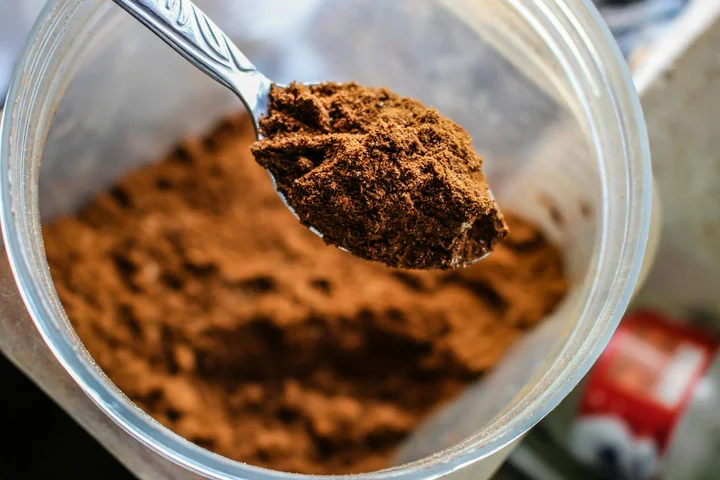
Chocolate is a tricky combo of oil and color. I see this every time Jessica gets a chocolate chip muffin. Treat it fast and you can almost always save the shirt.
- Scrape and Flush with Cold Water. Use a dull knife or spoon to gently lift off any globs. Then, turn the fabric inside out and run cold water through the back of the stain. This pushes the stain out, not deeper in.
- Pre-treat with Dish Soap. Grab a clear, blue, or green liquid dish soap like Dawn or Palmolive. These are formulated to cut grease. Rub a drop directly into the stain, working it into the fibers with your fingers. Let it sit for 10-15 minutes. You should see the chocolate’s oily sheen start to break up.
- Wash in the Hottest Water Safe for the Fabric. Check the care label first. For cottons and polyester blends, the hot cycle is your best friend. Use a quality detergent. I prefer ones with enzymes, as they’re great at breaking down organic stains.
How do you remove chocolate stains from white clothes specifically? Add an oxygen-based bleach, like OxiClean or Nellie’s Oxygen Brightener, to the wash. It’s a color-safe bleach that attacks the stain molecules without damaging the fabric like chlorine bleach can. This same approach also helps remove yellow stains from white clothes, which can occur from aging or sweat. For stubborn yellowing, you may try a longer soak or pretreatment before washing.
Do chocolate stains come out in the wash? They absolutely can, but only if you pre-treat them first. Tossing a chocolate-stained shirt straight into the washer is a gamble. The heat can set the oils and dyes permanently.
What to Do If You See a Stain After Washing
Don’t panic. This happens to me more than I’d like to admit. The most important rule is this: Do not, under any circumstances, put the item in the dryer. The dryer’s heat will cook that faint stain into a permanent shadow.
Take the still-damp garment and re-treat it. Apply dish soap to the lingering spot again, let it sit, then wash a second time. For a tougher approach, try a pre-soak.
- For Whites: Soak the item in a solution of warm water and oxygen-based bleach for a few hours (or overnight for old stains) before washing again.
- For Colors: Use a pre-soak with an enzymatic laundry cleaner. These are fantastic for breaking down the proteins and fats left behind.
My Favorite Home Mix for Stubborn Spots
When a stain laughs at dish soap, I bring out my simple paste. For colored fabrics, I mix a thick paste of baking soda and a little water, scrub it in, let it dry, then brush it off and wash.
For white clothes, my secret weapon is a drop of blue dish soap mixed with a small pour of 3% hydrogen peroxide. I make a little paste right on the stain, gently rub it in, and let it bubble for about 30 minutes before washing.
Always test hydrogen peroxide on a hidden seam first to ensure it doesn’t affect the fabric’s color, even on whites. This mix saved Roger’s favorite light-colored work shirt after he got engine grease and a chocolate bar smear on it. The dish soap tackled the grease, and the peroxide lifted the brown cocoa mark without a trace.
Handling Delicate Fabrics: Silk, Satin, Wool, and Lace
Stop right there. Before you even think about cleaning, find the care label and read it carefully. I once ignored a “dry clean only” tag on a satin shirt, and it never looked the same. Trust me, it’s not worth the gamble.
Your first tool is a clean, white microfiber cloth and a bowl of cold water. Gently dab the stain from the outer edges toward the center. You want to lift the chocolate, not push it deeper into those fragile fibers.
I keep a bottle of liquid castile soap in my laundry room for moments like this. For wool, I use a specialized wool wash like Eucalan. These are gentle, effective, and won’t leave a harsh chemical residue. You can also use them to remove stains from wool safely.
How to Remove Chocolate Stains from Other Delicate Fabrics
This is a common question I get. Delicate fabrics need a tailored approach. Here is a simple breakdown:
- Silk: Blot with cold water, then apply a drop of diluted castile soap. Rinse by dabbing with a water-dampened cloth.
- Satin: Treat it like silk, but be extra cautious. The smooth surface can be deceivingly fragile.
- Wool: Use a wool-wash detergent and cold water only. Hot water will cause the fibers to shrink and felt together.
- Lace: Hand-wash in a sink with cool water and mild soap. Always support the fabric to avoid tears.
My Aunt Jessica gifted me a beautiful silk scarf last year. My three-year-old, Jessica, immediately got chocolate on it during a visit. I felt a pang of panic, but we just used the cold water and castile soap method. We blotted for a good ten minutes. The stain faded away, and the scarf was saved.
Cleaning Tough Materials: Canvas, Leather, and Suede
Chocolate doesn’t just land on cotton t-shirts. It finds its way onto the durable stuff, too. My son Jason’s soccer bag is canvas, and Roger’s favorite hunting gloves are leather. Each material needs a different touch.
You can’t treat them all the same. What works on a washable canvas tote would ruin a suede shoe. The key is matching the method to the fabric’s toughness and its tolerance for moisture.
For Canvas: Be Firm but Gentle
Canvas is a workhorse. Think bags, shoes, or patio chair cushions. It’s made to handle some scrubbing. My first move is always to let any wet chocolate dry completely. This makes the cleanup easier.
I brush off as many of the dry cocoa crumbs as I can with a stiff, dry brush. For Peeta’s muddy-pawed, chocolate-smeared leash, this is step one.
- Brush away all dry, loose material.
- Mix a small bowl of warm water with a squeeze of clear, mild dish soap. Castile soap works great here.
- Dip a clean, soft-bristled brush (an old toothbrush is perfect) into the soapy water and gently scrub the stain in a circular motion.
- Blot the area repeatedly with a clean, damp cloth to lift the soap and dissolved chocolate.
- Let it air dry completely. Sunlight can help.
Canvas can take a good scrub, but avoid soaking it or using harsh cleaners that might fade the color.
For Leather: The Minimal Moisture Rule
Leather is beautiful but finicky. Too much water warps it and strips its natural oils. Whether it’s a car interior or a nice jacket, the goal is to clean without drowning.
I learned this the hard way with a leather purse. Now, I use a barely damp microfiber cloth. Saddle soap is my go-to cleaner because it’s designed for leather.
- Wipe the area first with a dry cloth to remove surface chocolate.
- Dampen a corner of a clean cloth with cold water. Wring it out so it’s just barely moist.
- Apply a tiny dab of saddle soap to the damp cloth and work it into a light lather.
- Gently rub the stain with the lathered cloth, using minimal pressure.
- Immediately wipe the area clean with another damp cloth to remove all soap residue.
- Let it dry naturally, away from direct heat.
- Once dry, apply a leather conditioner to restore moisture.
Leather cleaning is about swift, minimal intervention. The conditioner step is non-negotiable to keep the material supple.
For Suede: When in Doubt, Back Off
Suede is the most delicate of the trio. Its napped surface traps stains and water marks easily. For any serious, wet chocolate stain, my advice is simple. Take it to a professional dry cleaner. Tell them what the stain is, and for general care, learn how to remove stains from suede.
For dry cocoa powder or tiny crumbs, you might be able to save it at home. I keep a suede brush and a suede eraser for this exact reason.
- Let the stain dry fully.
- Use a suede brush to gently brush the nap in one direction to dislodge dry particles.
- For a faint, greasy mark, try a clean suede eraser. Rub it gently back and forth.
- Brush the area again with the suede brush to restore the texture.
Introducing any liquid to a suede chocolate stain at home is a recipe for a permanent, darkened spot. For anything beyond dust, trust a pro.
Why the Game Changes with Each Fabric
It all comes down to what the material is made to endure. Canvas is a tightly woven cotton, so it can handle a soapy scrub and a rinse.
Leather is a skin. It needs to be cleaned and then re-moisturized, just like your own hands after washing dishes. Proper care is especially important for delicate surfaces like suede, which is that same skin, but sanded to a soft nap. That delicate surface can’t be wetted without specialist care.
Think of it like cleaning your family. You’d wipe my three-year-old Jessica’s face with a soft, damp cloth. You’d use more soap and water on Jason’s muddy soccer knees. And you’d be extra careful with Aunt Jessica’s silk scarf. The principle is the same for your tough fabrics.
Rescuing Clothes from Old, Set-In Chocolate Stains
Finding a forgotten chocolate stain can feel defeating. You might wonder if it’s permanent. I’ve been there, pulling a white shirt from the back of Jason’s closet and seeing that familiar dull brown shadow.
Take a deep breath-old chocolate stains can often be lifted with patience and the right soak.
My go-to method for set-in stains is a long, targeted soak. This gives cleaners time to break down the cocoa and dairy fats locked in the fibers.
- Fill a clean bucket or basin with warm water.
- Add your pre-treatment. I use one of two things:
- An enzyme-based laundry detergent. The enzymes work on the milk protein. Use about ¼ cup per gallon of water.
- Powdered oxygen bleach (like OxiClean). This tackles the cocoa’s color. Follow the package’s “soak” instructions.
- Submerge the stained garment completely. Let it soak for at least 4 hours, or even overnight for really stubborn spots.
After the soak, don’t just toss it in the washer. Check the stain. It should look faded. I gently rub a soft-bristled toothbrush over the area to agitate any remaining paste.
Use very light pressure and brush from the back of the fabric to push stain residue out, not deeper in. You’re especially careful when removing biological stains from fabric to avoid damage.
Then, wash the garment as usual with detergent. Inspect it while still damp. If a faint shadow remains, repeat the soak and wash cycle.
My mother-in-law Brianna taught me this patience. She revived my husband Roger’s favorite white fishing shirt after a melted candy bar sat in his truck for a week. It took three soaks, but it worked.
When to Call in a Professional
Home methods are powerful, but they have limits. I recommend professional cleaning in a few specific situations.
Call a pro if the fabric is delicate (silk, wool, vintage), the stain is very large, or you’ve tried multiple times with no improvement, especially when dealing with stubborn stains on delicate fabrics.
Professional cleaners have access to specialized solvents and techniques we don’t. They can perform “spotting” with precise tools and use controlled processes to flush stains from fibers without harming the fabric’s dye or finish.
It’s their expertise with fabric chemistry that makes the difference when a DIY approach has run its course.
Special Spills: Chocolate Ice Cream, Milk, and Cocoa Powder
My kids love chocolate ice cream, but spills happen. Jason asked me once if it really stains after his cone dripped on his white shirt.
Chocolate ice cream absolutely stains because it adds dairy fats and sugar to the cocoa, creating a sticky, greasy mess that can set quickly.
The milk or cream leaves an oily ring, and the sugar dries into a crust if you don’t act fast.
For Wet Spills Like Ice Cream or Melted Chocolate
When Jessica spilled her chocolate milk, I grabbed a towel. Your first move is always to blot.
Use a clean, dry cloth to gently press and soak up the spill without rubbing, which just pushes it deeper into the fabric.
Next, flush the area with cold water from the backside of the stain. I hold it under the tap or use a spray bottle.
Cold water dissolves and rinses away the sugar before it can bond with the fibers. Hot water will cook the proteins and fats, making the stain permanent.
For Dry Cocoa Powder Spills
My aunt Jessica in Arizona taught me this while baking. Cocoa powder is a dry, fine powder that behaves differently.
Never let liquid touch dry cocoa powder on fabric first. You must remove the dry powder completely.
I gently vacuum the area with an upholstery attachment or take the item outside and shake it vigorously.
Adding water or a cleaner immediately turns the powder into a thick paste that stains deeply and is a nightmare to remove.
A Specific Tip for Pet Slobber Stains
Peeta, our golden lab, once found a cocoa packet and slobbered all over his fleece blanket. Dog saliva mixed with cocoa is a unique challenge.
Let the slobbered area dry completely first. Once dry, brush off any loose cocoa powder residue with your hand or a soft brush.
Then, dampen a cloth with cold water and a drop of dish soap. Blot the stain gently. The drying step prevents the enzymes in the saliva from setting the cocoa stain when wet.
This method saved that blanket, and Peeta got a treat for his patience.
Stain Prevention: Smarter Habits for Chocolate Lovers
Let’s be real. Stopping a chocolate stain is much easier than removing one.
I learned this after too many emergency laundry sessions with Jason and Jessica.
A few smart habits can keep your clothes looking cleaner, longer.
These tips are not about being perfect. They are about being practical.
I use them every day in my own home.
- Always eat over a plate. This is my number one rule. When Edward comes over after soccer, his chocolate snack must be on a plate. It catches every crumb and drip.
- Wear an apron for baking. My husband Roger puts on his worn-out canvas apron before making his famous fudge brownies. It shields his shirt from flying cocoa powder and sticky batter.
- Keep napkins handy, everywhere. I have a pack of paper towels in the car and cloth napkins on the kitchen table. For Jessica’s messy chocolate-covered hands, a napkin is the first line of defense.
For clothes you really love, take an extra step.
I treat Jessica’s new white blouses with a fabric protector spray before she ever wears them.
This invisible shield makes spills bead up so you can blot them away before they stain.
I use a spray specifically made for fabrics. A light, even coating is all you need. Let it dry completely.
Life with little ones and a Labrador like Peeta is wonderfully messy.
My rule for Jessica’s snacks? If it’s chocolate, she wears a big, old t-shirt of mine.
Stains will happen, but they don’t have to ruin your day or your favorite shirt.
A little planning makes all the difference. Now, pass the brownies.
FAQ about Removing Chocolate and Cocoa Stains
What’s the very first thing I should do when I spill chocolate on my white shirt?
Immediately scrape off any excess with a dull edge, then turn the fabric inside out and rinse the stain from the back with cold water. This prevents the oils and dyes from setting into the fibers, especially when dealing with berry stains.
How do I clean up a dry cocoa powder spill without making it worse?
Never add water first-gently vacuum or shake off all the dry powder. Once removed, treat any remaining residue with a dab of dish soap and cold water, blotting gently.
Is it safe to use hydrogen peroxide on colored fabrics for chocolate stains?
No, hydrogen peroxide can bleach or fade colored fabrics. Always test it on a hidden seam first, and for colors, stick to enzyme-based detergents or mild dish soap.
Can I use a stain remover stick on chocolate stains for quick treatment?
Yes, a stain remover stick can be effective for fresh stains, but apply it generously and let it sit before washing. For set-in stains, pre-treat with a liquid detergent or soak for better results.
What if I’ve already dried the garment and the stain is set?
Do not despair—soak the garment in a solution of warm water and oxygen-based bleach or enzyme detergent overnight. If the stain is stubborn or set-in, consider a targeted stain remover for set-in stains on fabric clothing. After soaking, wash again and air dry to check if the stain lifts.
Keep Your Clothes Looking New After Chocolate Spills
Always blot chocolate stains with cold water immediately to stop the fats and sugars from setting. This simple habit saves white shirts and delicate fabrics, something I practice after messy desserts with Jessica and Jason. I share all my real-life cleanup stories and tested methods over on Stain Wiki.
Suzanne is an accomplished chemist, laundry expert and proud mom. She knows the science and chemistry of stains and has personally deal with all kinds of stains such as oil, grease, food and others. She brings her chemistry knowledge and degree expertise to explain and decode the science of stain removal, along with her decades long experience of stain removal. She has tried almost everything and is an expert on professional and DIY stain removal from clothes, fabric, carpet, leather and any other items dearest to you.