How Do I Get Rid of Pet Odors from My Home? A Practical Guide to Freshening Every Room
You might not notice the pet smell anymore, but your guests probably do. The fastest way to fight it is by cleaning the surfaces and fabrics where pet smells actually live.
This guide walks you through a full reset, from finding the source to keeping the air fresh.
- Tackle the real source, not just the air.
- Freshen fabrics in your living room and bedroom.
- Deep-clean furniture and carpets effectively.
- Use simple habits to prevent smells from coming back.
I’ve tested every method here in a home shared with my golden retriever, Peeta, and two messy kids, so I know what works.
What Makes Pet Smells Stick and How Urgent Is It?
I know that smell. My golden lab Peeta is my best buddy, but after a rainy soccer game with Jason and Edward, his wet fur turns the whole living room into a “doggy” zone. You want your home to smell like home, not like a kennel.
This section helps you understand the enemy. You’ll learn what creates the smell and the best time to tackle it.
Chemistry Corner: The Science Behind Pet Odors
Pet smells aren’t just dirt. They are mostly protein. Think about the sources: sticky saliva, urine, and oily skin flakes called dander.
Protein molecules are tough. They cling to fabric fibers like glue. To break them apart, you need something that cuts that bond.
Enzyme-based cleaners work because they use biological “scissors” to slice the protein odor molecules into tiny, washable pieces.
Acids, like white vinegar, are also effective. They change the chemical environment, helping to break down and neutralize those clinging smells.
Panic-Level Assessment: Your Odor Emergency Guide
Let’s rate the panic level. I give it a 5 out of 10.
It’s not like a red wine spill on a white rug. You have a little breathing room. But you don’t have forever.
You have a “Golden Window” of about 24 to 48 hours for fresh accidents before smells bind deeply to your carpet or couch fibers.
For old, set-in smells that have been there for weeks? Don’t panic. That situation needs a calm, patient plan and repeated treatments.
How to Find Where the Smell is Coming From
First, get on your pet’s level. I get on my hands and knees and do the “sniff test.” Follow your nose to the strongest spot.
For hidden urine, use a blacklight. My husband Roger has one for his hunting gear. In a dark room, it makes old stains glow a pale yellow.
Check these common hideouts:
- Under furniture and in room corners.
- Pet beds and blankets.
- Along baseboards where they rub their sides.
- The corners of area rugs.
Your First Move: Safe Cleaning Solutions for Every Surface
Think of this as gathering your tools before a big project. Take a breath. You probably already have great cleaners in your home.
My Aunt Jessica in Arizona always says, “Check your pantry before you check the store.” That’s smart advice for odor problems.
Critical Warnings: Materials That Can Be Damaged
Always protect your stuff first. Be extra careful with delicate fabrics like silk or velvet, untreated wood, and some plastics.
Here are my never-use rules:
- Never mix ammonia and bleach. It creates a toxic gas.
- Avoid straight bleach on urine. It can lock the odor in.
- Don’t use hot water first on fresh urine or vomit. Heat cooks the protein and makes it set.
Your new non-negotiable habit? A test patch. Always try your cleaning solution on a hidden spot first.
Surface Compatibility: Adjusting Your Attack Plan
Your plan changes based on what you’re cleaning. Keep this simple chart in mind.
Carpets and Rugs are sponges. Your goal is to blot up liquid, not rub it in, and then extract your cleaning solution.
For upholstery, find the fabric tag. Look for codes: W (water-based cleaner), S (solvent-based), WS (either), or X (professional clean only). A fabric sofa soaks up smells differently than a leather chair.
Hard surfaces like walls, laminate, or tile are easiest. They are non-porous, so a good wipe-down often does the trick.
The same ideas work for car interiors or even driveways. You just might use a wet/dry vacuum instead of a towel.
Safe DIY Alternatives from Your Pantry
You can make powerful odor fighters with three basic items.
1:1 White Vinegar and Water Spray. This is my general deodorizer. The acid in vinegar neutralizes alkaline odors. My mom Martha in North Texas sprays it on her living room curtains to keep the air fresh.
Baking Soda Sprinkle. This is an absorber. Sprinkle it on a dry carpet or fabric, let it sit overnight, then vacuum. It soaks up odors like a sponge.
Hydrogen Peroxide (3%) Mix. For stains with smells, mix a cup of peroxide with a teaspoon of dish soap. It oxidizes and lifts the stain. Always test for colorfastness first.
Recommended Product Types to Look For
When you do shop, look for categories, not just brands.
Enzymatic Cleaners are your heavy hitters. They are made for urine, vomit, or feces smells. The enzymes eat the odor source.
Oxygen-Based Stain Removers (like OxiClean) are great for fabrics. They bubble and lift stains from carpet or pet bedding without harsh chlorine bleach. They can also be used to remove dye stains from fabrics or other surfaces.
Odor-Neutralizing Sprays are for maintenance. Use them between deep cleans to keep a room fresh.
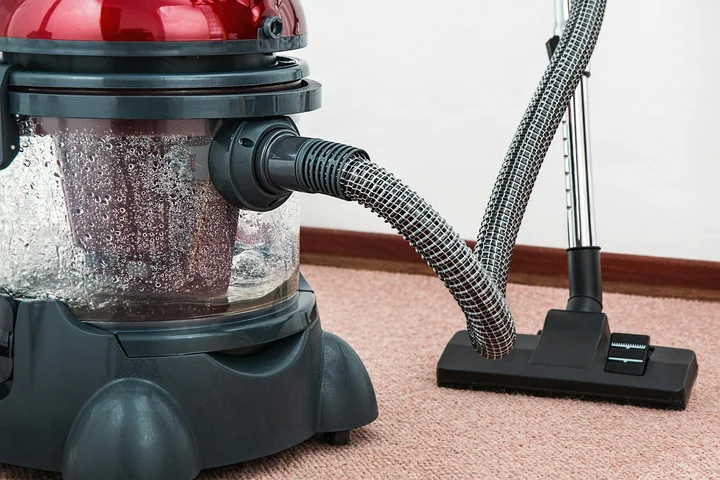
For a big investment that pays off, consider a carpet shampooer. I’ve had mine for five years. It gets smells and dirt out of carpets and car interiors that I didn’t even know were there.
Step-by-Step Deodorizing for Carpets, Furniture, and More
Think of this like following a good recipe. We will tackle each surface methodically, using the right tools for the job. This hands-on approach is how I solve the puzzle of how to get dog odor out of a room for good.
How to Get Dog Smell Out of Your Carpet and Rugs
Your carpet acts like a giant sponge for pet smells. You need to clean deep, not just the surface.
- Vacuum thoroughly, going over each area multiple times. You must remove all the hair and dander first.
- Apply your chosen cleaner. For a DIY mix, I spritz a solution of 1 part white vinegar to 3 parts water. For commercial cleaners, a pet-specific enzyme formula works well.
- Blot the area firmly with a clean, white cloth. Never scrub or rub, as this pushes the odor deeper into the fibers.
- Rinse with a cloth dampened with plain water. This step removes any cleaning residue that could attract more dirt.
- Extract as much moisture as possible. Press dry towels into the area to soak up liquid. Then, air dry completely with a fan.
For deep-set smells, a carpet shampooer is a game-changer. The one I bought years ago has a hose attachment. I can run it over a “clean” carpet with just hot water, and the waste water still turns a muddy brown. It pulls out what you cannot see.
For area rugs, start by taking them outside. Give them a good shake or beat them to release dust. Sunshine is a fantastic natural deodorizer while they air out.
Deodorizing Upholstered Furniture: Sofas, Chairs, and Pet Beds
Always start by checking the fabric care label. It will have codes like “W” for water-based cleaner or “S” for solvent-based. Ignoring this can ruin the fabric. To support fabric care, wash clothes inside out to protect colors and textures. This simple step helps extend the life of your garments as part of proper care.
- Use your vacuum’s upholstery attachment to suck up hair and dander from every crevice.
- Clean according to the label’s code. For a “W” code, I use a mild soap and water solution, applied lightly with a microfiber cloth.
- Focus on armrests, seat backs, and cushions. These are Peeta’s favorite lounge spots on our sofa.
The easiest prevention trick is a simple blanket. We keep a washable throw on Peeta’s corner of the couch. Every week, it goes in the wash with vinegar, and the couch underneath stays fresh.
For non-washable pet beds, use an enzyme spray on the surface. Then, let it sunbathe outside for an afternoon. The UV light helps kill odor-causing bacteria, especially from cat urine stains.
Cleaning Pet Odors from Walls and Hard Surfaces
Walls, baseboards, and hard floors trap oils and dander that float in the air. My aunt Jessica from Arizona swears by this simple wash for her tile floors.
Fill a bucket with warm water. Add a few drops of dish soap or a good splash of white vinegar. Use a microfiber cloth to wipe walls from the top down, paying extra attention to the lower third where pets brush against them.
For painted walls, always test your cleaning solution in a small, hidden area first to check for colorfastness. Work in small, manageable sections so the solution doesn’t dry streaky.
Use the same mix on baseboards and hard floors. If the floor feels sticky after, go over it with a clean water rinse. This removes any soap film that could trap new dirt and odors.
What About Pet Bedding and Blankets?
Washable pet items are your secret weapon. You just have to wash them correctly.
Use the hottest water temperature the fabric’s care label allows. Hot water is better at breaking down oils. For the rinse cycle, add one cup of white vinegar. It’s a natural deodorizer that won’t leave a smell, unlike some chemical products that can leave odors on clothes.
Avoid fabric softeners and dryer sheets on pet items. They coat the fibers and can actually trap odors inside. I learned this after my son Jason’s soccer blankets came out smelling worse. Just like when you can’t get rid of those musty smells.
Wash heavy-use beds weekly to prevent smell buildup. For a delicate blanket from my mom Martha, I soak it in an oxygen-based cleaner, like OxiClean, for an hour before its gentle cycle. It works wonders.
Keeping the Freshness: Prevention and When to Call Pros
Living with pets does not mean living with smells. A few simple habits create a fresh home for everyone.
Daily Habits to Prevent Pet Odors in Your Home
It’s easier to maintain than to do a major clean.
- Vacuum high-traffic areas every two to three days. A robot vacuum can be a big help for daily crumbs and hair.
- Groom your pet weekly. Brushing outside removes loose fur and skin oils before they end up on your sofa.
- Keep bedroom doors closed if pets aren’t allowed on the beds.
- Consider an air purifier with a HEPA filter. It captures airborne dander.
Our family routine includes a quick “odor patrol” every Sunday. With two kids and a dog, I vacuum the main rooms and wash any throws or small rugs. It keeps the week manageable.
When It’s Time to Consider Professional Cleaning
Sometimes, you need the big guns. Here are the signs it’s time to call a pro.
- The smell returns almost immediately after you clean.
- You have wall-to-wall carpeting or delicate antique upholstery.
- You suspect old, deep-seated pet urine has soaked into the carpet pad or subfloor.
Professionals offer truck-mounted steam cleaning that extracts far more moisture and dirt than home units. For severe airborne odors, they might use an ozone generator. This is also a great option for a full car interior detail or a whole-home reset.
Post-Treatment Recovery and Final Checks
Your work isn’t done until everything is bone dry.
Air dry all cleaned carpets and furniture completely. Use fans and open windows to circulate air. Avoid direct sunlight on colored fabrics, as it can cause fading.
How do you know the smell is truly gone? Wait for everything to dry, then get down and do the sniff test. You should smell nothing but clean fabric or a faint, clean scent. No sour or chemical odor should remain.
Never, ever put damp, cleaned fabrics in the dryer until you are certain the odor is eliminated. The heat from a dryer can bake any remaining smell into the fibers, making it permanent.
FAQ About Removing Pet Odors from Rooms and Furniture
How can I remove pet odors from walls and baseboards quickly?
Mix a few drops of dish soap or a splash of white vinegar into a bucket of warm water. Wipe walls from top to bottom with a microfiber cloth, focusing on the lower areas where pets brush against them.
How can I stop my pet from making my bedroom smell?
The most effective step is to keep your bedroom door closed. For persistent odors on bedding, wash linens in hot water (if safe for the fabric) and add one cup of white vinegar to the rinse cycle to neutralize smells. It’s also important to get rid of bad smells from bedsheets and mattresses to ensure a fresh sleeping environment.
Are there natural remedies for set-in pet smells on furniture?
Yes, sprinkle baking soda generously on dry upholstery, let it sit for several hours or overnight, then vacuum thoroughly. Always test a hidden area first to ensure the fabric doesn’t react to moisture or abrasion.
When is it absolutely time to call a professional cleaner?
Call a pro if the odor returns immediately after you clean, or if you suspect urine has soaked through the carpet into the pad or subfloor. They have powerful extraction tools and treatments for deep-seated problems. For urine and feces odor removal in carpets, pros focus on the fibers, backing, and padding. They can address odors at the source to prevent recurrence.
What’s the single best habit for keeping my living room fresh with pets?
Use machine-washable throws or covers on furniture where your pet lounges. Wash them weekly with hot water and vinegar to regularly remove oils and dander before they build up and cause stubborn odors to fabric.
Keeping Your Home Fresh for Good
The most vital step is addressing the source, not just masking it. Consistent use of a enzyme cleaner on accidents breaks down the smell permanently, giving you a real fresh start.
For more tips on caring for your home with pets in it, you can find my other guides right here on the blog. We’re all in this together-me, you, and even my perpetually-shedding lab, Peeta.
Written by Suzanne Rosi Beringer. Suzanne is an accomplished chemist, laundry expert and proud mom. She knows the science and chemistry of stains and has personally deal with all kinds of stains such as oil, grease, food and others. She brings her chemistry knowledge and degree expertise to explain and decode the science of stain removal, along with her decades long experience of stain removal. She has tried almost everything and is an expert on professional and DIY stain removal from clothes, fabric, carpet, leather and any other items dearest to you.