How to Remove Perfume and Cologne Stains from Clothes
That sharp, oily mark on your collar after a hurried morning spray is so frustrating. Your best move is to gently blot the area with a clean, absorbent cloth and then pretreat it with a drop of clear dish soap to cut the grease.
I will cover everything you need to know right here:
- The science behind why these spills are so tricky to clean
- My immediate action plan for a fresh accident
- Targeted techniques for stains that have already dried
- Safe methods for delicate fabrics like silk and wool
- Smart storage tips to prevent future mishaps
I have spent years solving these exact problems, from my aunt Jessica’s wine-and-perfume cocktail party disasters to my son Jason’s cologne-splattered soccer jerseys.
Understanding the Stain and Your First Moves
First, don’t panic. Rate a fresh perfume spill a 4 out of 10 on the panic scale. An old, set-in stain is a 7. Your “Golden Window” for easy removal is within the first hour.
What does this stain look like? It often leaves a faint, oily ring. You will smell a strong, lingering scent even after the liquid dries.
Can perfume stains cause permanent damage? Yes, if the oils oxidize. They can leave a dull brown mark that bonds with the fabric. Are they different from other oil stains? Not really. They are similar to grease or lotion, but the alcohol content can evaporate fast, leaving the oil behind.
Never use hot water as your first step. Heat will set the oil into the fabric fibers, making the stain much harder to lift.
Before any treatment, you must do a spot test. Find a hidden seam or the inside of a hem. Apply a dab of your cleaning solution there and wait. Check for color loss or damage after five minutes.
The Perfume Stain Panic Meter
Fresh spills are low urgency. Blot quickly and you will likely save the garment. Old stains require more work. I found a week-old stain on a blouse after a visit from my Aunt Jessica. The scent was still there, and the oily ring had darkened into a visible shadow. That is a solid 7/10 panic situation.
Material Red Flags: When to Proceed with Caution
Some fabrics are high-risk. You need to be extra gentle with these.
- Silk: Especially dry-clean only silks. Home remedies can damage the delicate fibers.
- Acetate: This synthetic material is very sensitive to many cleaning agents.
- Delicate wools: They can shrink or felt if treated too harshly.
For these fabrics, consider a diluted vinegar solution or take the item to a professional. I learned gentler methods from my mom, Martha, who handles her vintage silks with kid gloves.
The Immediate Blot-and-Lift First Aid
The universal first step for any fresh spill is blotting. Never rub. Rubbing grinds the oil deeper into the fabric.
How do you pre-treat this stain before washing? This is your pre-treatment moment. The steps differ slightly for a liquid spill versus a stain from direct spray.
No commercial spray? Use a safe DIY alternative. A single drop of clear dish soap works. You can also make a paste with baking soda and a little water. Dish soap cuts grease, and baking soda absorbs odors. These simple methods can also help remove cooking grease smells from countertops and the air. Use them after frying to refresh your kitchen.
For a Fresh Spill: The 60-Second Blot
Act immediately. Grab a clean, white cloth or a stack of paper towels. Place it directly over the wet spot. Press down firmly and lift. Do not swipe.
Repeat this press-and-lift motion with a clean section of cloth for about 60 seconds. You want to absorb as much liquid as possible before it sets. I keep a roll of paper towels in my bathroom for this exact reason.
For a Stain from Direct Spray: The Pre-Wash Dab
This stain might not be wet. It could be a dry, scented area from spraying perfume on your clothes. Apply a small amount of stain remover or clear dish soap directly to the spot.
Use a cotton swab or your fingertip to dab it on gently. Let it sit for 5 to 10 minutes. This gives the cleaner time to break down the oily residue before you wash the garment. This is a common step in oil grease stain removal on clothes. It helps lift the stain before laundering.
What Helped Me: The Inner Seam Test
Always test your solution first. I almost ruined my son Jason’s white soccer jersey with a powerful oxidizer. The color ran on a test patch I forgot to do.
Now, I test on an inner seam or the care tag every single time. It takes an extra minute but prevents disaster. I did this just last week on Roger’s hunting shirt with a new dish soap mix. It worked perfectly.
How to Get Perfume and Cologne Stains Out: Your Action Plan
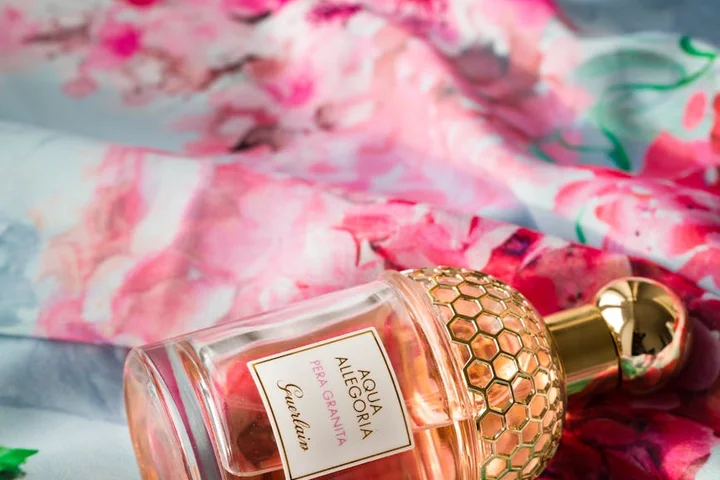
I learned the hard way about these stains when Aunt Jessica hugged me goodbye. Her favorite perfume left a perfect oily ring on my light blue blouse.
The good news is you can tackle them. Here are two clear paths to follow.
Method 1: The Household Hero Recipe
This is my first move for fresh stains. My mom, Martha, swears by white vinegar for oily messes.
Grab white vinegar, clear dish soap (like Dawn or Palmolive), and cool water.
White vinegar cuts through the oily base of the fragrance, while the dish soap grabs and lifts it away.
- Blot any excess liquid with a clean cloth.
- Mix a solution of one part white vinegar to two parts cool water.
- Dab this onto the stain from the outside in, using another clean cloth. Don’t scrub.
- Let it sit for 5 minutes to break down the oils.
- Apply a single drop of clear dish soap directly onto the stain and gently rub the fabric together.
- Let the soap sit for another 10-15 minutes before washing.
Method 2: Using a Dedicated Stain Remover
For stubborn spots or when I’m short on time, I grab a product. It just works.
Look for a pre-treatment spray, stick, or paste. I choose one that mentions oils or grass stains.
Apply the product directly to the stain, completely covering it, and let it sit for the full time listed on the label, usually 5-15 minutes.
This waiting period lets the cleaners penetrate the fabric. Never skip it.
Safe DIY Alternatives When You’re Out of Products
No vinegar or stain spray? Try one of these from your pantry or bathroom.
- Make a thick paste of baking soda and a few drops of water. Spread it on the stain, let it dry completely, then brush it off. This can help pull oil to the surface.
- A small dab of clear hand sanitizer can work. Its high alcohol content can help dissolve the oils. Test on a hidden seam first.
- A squeeze of fresh lemon juice has natural bleaching power. Only use this on white cotton you are okay with possibly lightening. It can damage colors.
What Type of Detergent is Best for Washing After?
Your regular detergent might not be enough. Fragrance oils need extra help.
I always follow up with a liquid detergent that contains enzymes, as these are great at breaking down oily, organic stains. These enzymatic cleaners are especially effective on protein-, oil-, and starch-based stains. They target those three common types to keep fabrics looking fresh.
Check the back of the bottle for words like “bio” or mentions of enzymes for stains.
Should You Use Hot or Cold Water to Wash?
This is the most common mistake. Hot water seems like it would clean better, but it’s a trap.
Always start with a cold or warm water wash cycle to rinse away the stain treatment. Hot water can cook the oils into the fabric, making the stain permanent.
You can use a warmer wash after the stain is confirmed to be gone, but never for the first wash.
The Critical Drying and Check Phase
This is where people ruin all their good work. My rule is simple: the dryer is off-limits.
Heat from the dryer will set any leftover oil forever. Air drying is your only safe option.
How to Check for Remaining Stain Before You Dry
Take the damp item out of the washer. Don’t just glance at it.
Feel the spot where the stain was. Is there any slick or waxy residue? Look at it under a bright light from different angles. A shadow or slight discoloration means it needs another round.
If you see or feel anything suspicious, re-treat the stain and wash it again before even thinking about drying.
The Air-Dry Rule: Your Stain’s Final Exam
Once you’re sure the stain is gone, lay the item flat on a drying rack or hang it up.
Choose a spot with good air flow but out of direct, hot sunlight to prevent fading. This slow, gentle dry is the final step to confirm victory.
Preventing Stains and Handling Tough Cases
Sometimes a stain slips by, like the one from Roger’s cologne on his work shirt collar. Old stains need a tougher approach.
How to Tackle an Old, Set-In Cologne Stain
For a stain that’s been through the wash and dryer, you need to be more patient.
Soak the entire garment in a basin of cool water mixed with an enzymatic liquid detergent for several hours, even overnight.
After soaking, apply your stain remover or vinegar solution directly to the old stain and let it sit for 30 minutes before washing. When dealing with suede, remove stains with a gentler touch and minimal moisture. More suede-specific stain-removal tips will follow in the next steps.
You may need to repeat this process two or three times. Don’t get discouraged.
Smart Habits to Avoid Future Stains
The best fix is prevention. I apply my perfume before I get dressed, not after.
- Spray perfume on your skin, not your clothes, and let it dry completely.
- Store bottles upright and secure, away from where clothes are kept.
- If you do spill, treat it immediately. Blot, don’t rub.
For lingering smells, hang the garment outside for a day or seal it in a bag with baking soda overnight. This usually answers how to get perfume smell out of clothes without washing. However, for stubborn odors like paint or perfume, you might need to try specialized removal techniques.
When to Call a Professional
If you’ve tried everything twice and the stain remains, stop.
For a valuable silk blouse, a wedding dress, or a delicate heirloom, take it to a professional cleaner immediately and point out the stain.
They have stronger solvents and expertise we don’t have at home. It’s worth the cost to save a special item.
FAQ About Removing Perfume and Cologne Stains
Can perfume or cologne stains become permanent?
Yes, if the oils oxidize, they can leave a permanent, dull brown mark bonded to the fabric. Immediate action with cool water and a grease-cutting agent is key to preventing this.
What common household items work in a pinch?
White vinegar mixed with water effectively cuts the oil, and a paste of baking soda can help absorb it. Always test any cleaner on a hidden seam first to prevent fabric damage.
How do I know for sure the stain is gone before I dry the clothes?
While the garment is still damp from the wash, feel the area for any slick residue and inspect it under a bright light from different angles. Any shadow or texture means you must re-treat and wash again before drying.
What’s the best approach for an old, set-in stain?
Soak the entire garment in cool water with an enzymatic detergent for several hours. Then, apply a stain remover or vinegar solution directly to the spot and let it sit for 30 minutes before washing—you may need to repeat this process. This method is especially effective for biological stains, such as sweat or blood.
Is it safe to treat stains on silk or delicate wool?
Proceed with extreme caution. For valuable “dry clean only” items like silk or delicate wools, the safest course is to take them to a professional cleaner immediately and point out the stain. If you must consider at-home options, seek silk-safe, gentle grease and oil stain removal tips for delicate fabrics.
Protecting Your Fabric After Treatment
Acting quickly to blot, not rub, a perfume spill is the single most important step to save your clothes. I learned this after Jessica accidentally tipped over my cologne, and a fast blot with a paper towel prevented a lasting mark. For more practical, family-tested advice on handling spills and stains, follow along with all our articles here on Stain Wiki.
Written by Suzanne Rosi Beringer. Suzanne is an accomplished chemist, laundry expert and proud mom. She knows the science and chemistry of stains and has personally deal with all kinds of stains such as oil, grease, food and others. She brings her chemistry knowledge and degree expertise to explain and decode the science of stain removal, along with her decades long experience of stain removal. She has tried almost everything and is an expert on professional and DIY stain removal from clothes, fabric, carpet, leather and any other items dearest to you.