How to Remove Stains from Stainless Steel Appliances and Sinks
Worried that water rings or greasy fingerprints are permanent? Most stains on stainless steel wipe away with common kitchen ingredients.
This guide will show you:
- How to match the cleaner to the stain type
- Safe, step-by-step scrubbing methods
- What to avoid to prevent scratching
- Simple habits for long-term shine
I rely on these techniques daily, from cleaning my family’s smudged fridge to tackling pot marks in the sink.
Assess the Stain: Your Panic-Level and First Response
Let’s talk about how much you need to worry.
For most messes on your stainless steel, I give a panic-level of 2 to 4 out of 10. Jason spilled orange juice down the front of our fridge last week. I felt zero panic. This metal is tough. Sticky fingerprints, water spots, or dried-on food splatter won’t hurt it. They just look bad.
Some stains bump the urgency up to a 6 or 7. Rust spots from a wet cast iron pan are one. Heat discoloration from a too-hot pot is another. These need attention sooner, but you still have time to grab the right tool. You’re not racing against a timer on delicate silk.
The “golden window” for stainless steel cleanup is generous, but acting fast always makes your life easier. A fresh spill wipes away in seconds. One left for weeks might need a bit more elbow grease.
Your absolute first step is simple. Always grab a damp cloth and wipe up spills right away. This isn’t about saving the steel. It’s about preventing hard water spots and sticky, sugary residues that attract more grime.
Find the “grain” on your appliance before you touch it. Run your fingers across the surface. You’ll feel very fine lines going in one direction. My mom Martha pointed this out on my first dishwasher. Wiping with this grain prevents visible swirl marks that catch the light.
Here is my big caution note. Do not use harsh acids like bleach cleaners or toilet bowl cleaners on brushed stainless finishes. They can permanently etch the surface. Also, never try to sand out a deep scratch yourself. You’ll likely make a small flaw into a major eyesore. Call a pro for those.
The Safe Scrub: Your Go-To Method for Most Stains
This is the method I use 90% of the time. It answers the core question: what is the safest way to clean stainless steel without scratching it?
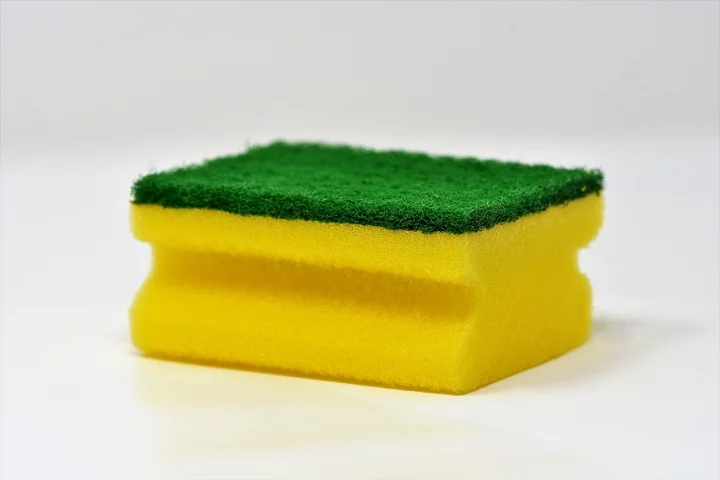
You only need a few things. Gather a couple of clean microfiber cloths, a soft sponge (the non-scratch kind), a bowl of warm water, and a single drop of mild dish soap.
Follow these steps. They work on my sink after Roger cleans his hunting gear and on my stove after a big family dinner.
- Wet one microfiber cloth in the warm water and wring it out well.
- Add that tiny drop of dish soap to the damp cloth and work it into a light lather.
- Wipe the surface firmly, always following the direction of the grain you found earlier.
- Rinse your cloth, wipe again with clean water to remove all soapy residue.
- Immediately dry the entire area with a second, dry microfiber cloth. This is the secret to a streak-free, spotless shine.
That last step is non-negotiable. Letting water air-dry will leave foggy spots, especially if you have hard water like we do.
Dealing With Sticker Gunk
New appliances come with those annoying labels. My aunt Jessica left a price tag on her wine fridge for months. The sticky residue was a mess.
For stubborn sticker glue, a bit of cooking oil or isopropyl alcohol on a cloth works wonders. Dab it on, let it sit for a minute to break down the glue, then gently rub with the grain. Finish with the soap-and-water method above.
Choosing Your Cleaning Tools
You don’t need a cabinet full of products. Focus on these three categories.
- Mild, pH-Neutral Cleaners: These are gentle giants. A simple dish soap or a cleaner made for general kitchen use won’t damage the protective layer on your steel.
- Dedicated Stainless Steel Polishes: These are for adding a final protective shine and hiding fine scratches. They often contain light oils. I use one on my fridge about once a month.
- Microfiber Cloths: They are my favorite tool. They lift dirt without scratching and are perfect for that final buff to a brilliant shine.
Stain-Specific Solutions: From Rust to Burnt-On Food

Here’s your playbook for the most common stainless steel villains. I’ve tested every single one of these methods in my own chaotic kitchen.
How to Remove Rust Stains or Water Spots
Old cast iron pans left on the sink, a forgotten garden tool from Roger-rust happens. Don’t panic. These are just iron oxide deposits.
A simple paste of baking soda and water is your safest first attack.
- Mix a thick, gritty paste (about 3 parts baking soda to 1 part water).
- Using a soft cloth or your finger, gently rub the paste onto the stain, following the metal’s grain.
- Let it sit for 5-10 minutes, then rinse with clean water.
- Dry immediately to prevent new water spots.
For stubborn rings, soak a paper towel in plain white vinegar. Lay it directly over the spot for 10-15 minutes. The acid helps dissolve the mineral bond. Wipe clean and rinse. This method is especially effective for limescale rings in toilets.
The Best Way to Clean Grease from a Stove
Grease is oil, and oil hates water. That’s why spraying and wiping often just smears it. Your goal is to emulsify it.
Your regular dish soap is a powerful degreaser designed for exactly this job.
Squirt a generous amount directly on the greasy area. Add a few drops of hot water to work up a thick lather with your sponge. Let this soapy layer sit for two minutes to penetrate.
For grease baked on by heat, my mom Martha’s trick is perfect. Soak a cloth in very hot water and wring it out. Lay it flat over the grease. The heat and steam loosen the bond without harsh chemicals. After five minutes, the grease wipes away easily.
Banishing Hard Water Stains and Lime Scale
That cloudy white film on your sink or kettle? That’s mineral scale from your water. It builds up slowly but is surprisingly easy to remove.
White distilled vinegar is the champion here because its mild acid dissolves calcium and magnesium.
- Soak a small towel or several paper towels in undiluted vinegar.
- Lay the soaked cloth directly onto the stained area, ensuring full contact.
- Wait 15-20 minutes. You can even leave it overnight for a thick crust.
- Scrub lightly with the vinegar cloth-the scale should wipe right off.
- Rinse thoroughly with water to remove all vinegar residue.
Removing Coffee, Tea, or Heat Discoloration
Those dark brown rings from a forgotten mug or yellow-brown blotches from high heat are tannin stains. They can look permanent, but they’re not.
For light stains, your baking soda paste works wonders again. Apply it and scrub gently in small circles if the surface has no visible grain. It’s essential to know when to use baking soda versus white vinegar for stains, as each works best on different types.
For set-in rings, I keep a can of Bar Keepers Friend powder under the sink-it’s my secret weapon for these.
Its oxalic acid is brilliant at tackling organic stains without scratching. Sprinkle it on a damp sponge, work into a paste on the stain, wait a minute, then rinse. It brings back the original luster every time. Understanding how pH and acids/bases interact with different fabrics helps you choose the safest stain-removal method.
Handling Burnt-On Food in Pans or Paint Splatters
These require patience, not muscle. Scrubbing can ruin the finish.
For a pot with burnt-on residue, fill it with an inch of water and a squirt of dish soap. Bring it to a gentle boil on the stove, then turn off the heat. Let it cool for an hour. The food will soften and lift away.
For paint, like from a stray brush during a project, test a hidden spot first. Dampen a cloth with isopropyl rubbing alcohol (91% works best). Gently dab at the paint. For thicker splatters, use a plastic paint scraper or an old credit card at a very shallow angle to gently lift the bulk away first.
Chemistry Corner: Why Your Cleaner Works
Knowing *why* a method works helps you choose the right tool faster. Most stainless steel messes fall into two camps.
Mineral-based stains (rust, hard water, lime scale) are broken down by acids. White vinegar contains acetic acid. This mild acid reacts with the minerals, breaking their ionic bonds and dissolving them so they can be wiped away.
Oil-based stains (grease, fingerprints, cooking splatter) are broken down by surfactants. Dish soap molecules have a water-loving head and an oil-loving tail. They surround grease droplets, pulling them apart and suspending them in water so they rinse clean. This same mechanism also helps remove motor oil and cooking oil stains from fabric and hard surfaces. A practical guide for removing these stains will follow.
Many people ask about mixing vinegar and baking soda. The fizz is fun, but it just makes water and salt. You’re better off using vinegar for its acid power on minerals and baking soda for its gentle abrasive texture on grime. Use them as separate steps. It’s important to understand the limitations of baking soda as an abrasive cleaner.
Heat discoloration or rainbow streaks happen when high heat or chlorine (from bleach or pool water) damages the thin, invisible chromium oxide layer that protects the steel. A non-abrasive polish can often help restore this layer and remove the discoloration.
Keeping It Shiny: Prevention and Long-Term Care
Think of stainless steel like your favorite pair of jeans. A little daily care keeps them looking good for years. Harsh, infrequent scrubbing wears them out fast. I learned this after a week of Jason’s sticky fingerprints and Jessica’s juice-cup rings turned our new fridge into a modern art piece.
My routine is simple. Prevention is everything.
Your Daily Wipe-Down Habit
Get a soft, dry microfiber cloth. Keep it in a drawer near the sink or fridge. My favorite one is blue, so it doesn’t get mixed up with the rags.
After you prep food, wipe the sink. After you pour a drink, wipe the fridge handle. After cooking, give the oven door a pass.
A dry microfiber cloth lifts oils and light soil without chemicals, preventing that dull, filmy buildup.
It takes ten seconds. This habit stops water spots and fingerprints from ever setting in as stains. When I handle raw chicken, I wipe the sink with a soapy cloth right away. That prevents any lingering, sour smells.
Restoring the Factory Shine
Even with great care, surfaces can look streaky or lackluster over time. To bring back that deep shine, you have two great options.
First, a dedicated stainless steel polish. I keep a bottle under the kitchen sink. It’s formulated to clean, shine, and leave a protective layer. Apply it with the grain using a clean cloth.
Your second option is my Aunt Jessica’s classic trick: mineral oil. It’s food-safe, cheap, and brilliant.
- Clean the surface well with your vinegar solution or dish soap. Dry it completely.
- Put two drops of mineral oil on a soft cloth. Rub it thinly along the grain of the steel.
- Buff it with a dry part of the cloth until the surface is uniformly shiny and not greasy.
The oil fills in microscopic scratches and creates a barrier against water and fingerprints, giving you a beautiful, protected finish.
I use this on our sink weekly. For Roger’s grimy outdoor grill, I use the commercial polish because it’s a heavier-duty cleaner.
Stainless Steel Care Quick-Reference
| Surface Type | Common Finish | Key Care Tip |
| Appliances (Fridge, Oven) | Usually Brushed (lined grain) | Always wipe with the grain. A cross-grain scrub makes visible scratches. Use polish or oil monthly. |
| Kitchen Sinks | Often Polished (smoother, shinier) | Dry after each use to prevent hard water spots. The polished surface shows streaks more, so buff well after oiling. |
| Cookware (Pots, Pans) | Varied (inside is sometimes polished) | Avoid abrasive scouring pads. For baked-on food, soak with hot, soapy water. Bar Keepers Friend is a safe scrub. |
The Never-Ending Fight Against Fingerprints
If you’re picking new appliances, know that matte or brushed finishes hide fingerprints and smudges much better than glossy ones. Our dishwasher is matte, and it’s a dream.
For the shiny fridge we already have, the solution isn’t magic. It’s consistency.
My mother-in-law, Brianna, gave me this tip: keep that dry microfiber cloth on the fridge handle with a magnet. It’s a visual reminder for everyone. Roger, Jason, even Edward after soccer practice-they all give it a quick wipe. It works.
Gentle, consistent care is the only real fix for fingerprints. You’re maintaining the surface, not rescuing it from crisis.
Scrubbing hard every few months with the rough side of a sponge creates tiny scratches. Those scratches then trap more dirt and oil. It’s a cycle that dulls the steel for good.
Be patient with your stainless. Wipe it daily, shine it monthly, and always follow the grain. That’s how you keep it looking saved for good.
FAQ About Removing Stains from Stainless Steel
What’s a quick way to clean greasy splatter off my stovetop without a full scrub-down?
Spray the area with a mix of warm water and a few drops of dish soap, let it sit for two minutes to cut the grease, then wipe clean with a microfiber cloth. For a fresh spill, this often eliminates the need for heavy scrubbing, especially when dealing with burnt food grease on cookware.
Can I use vinegar to remove coffee or tea rings from my sink?
Yes, soak a paper towel in white vinegar and lay it over the stain for 10-15 minutes to dissolve the tannins. Follow by gently scrubbing with a paste of baking soda and water, then rinse and dry thoroughly.
How do I remove lime scale from my stainless steel faucet?
Wrap a vinegar-soaked cloth or paper towel around the faucet, securing it with a rubber band for 15-20 minutes. Use an old toothbrush to gently scrub the loosened scale from crevices, then rinse and polish dry.
What’s the best daily method to prevent fingerprints on my stainless steel fridge?
Keep a dry microfiber cloth handy and give the surface a quick buff every day. For a deeper clean on smudges, a light mist of isopropyl alcohol on a cloth will remove oils without leaving streaks.
My stainless steel has a rainbow or blue-brown discoloration. What causes this and how do I fix it?
This is usually heat or chemical damage to the protective layer. Gently rub the area with a paste of baking soda and water along the grain; avoid chlorine bleach, as it is a common cause, and always rinse cleaners off immediately.
Smart Habits for Stainless Steel Care
After cleaning everything from my aunt Jessica’s wine spills to the greasy prints Roger leaves near the sink, I always circle back to a simple practice: dry and buff your stainless steel with a microfiber cloth following the grain after every cleanup. This quick step seals in shine and stops water spots or fingerprints from becoming set-in stains. I share all my tested, family-friendly methods for a spotless home right here on Stain Wiki.
Written by Suzanne Rosi Beringer. Suzanne is an accomplished chemist, laundry expert and proud mom. She knows the science and chemistry of stains and has personally deal with all kinds of stains such as oil, grease, food and others. She brings her chemistry knowledge and degree expertise to explain and decode the science of stain removal, along with her decades long experience of stain removal. She has tried almost everything and is an expert on professional and DIY stain removal from clothes, fabric, carpet, leather and any other items dearest to you.