How Do You Get Blood Out of Car Seats and Carpets? An Emergency Cleanup Guide
Seeing a blood stain in your car can make your heart sink, but I promise it’s often fixable. Your immediate action with cold water is the single most important step to prevent a permanent stain.
Here’s exactly what this guide will help you do:
- Take the right first steps in the critical first few minutes
- Mix effective, safe cleaning solutions from items you likely own
- Treat both fresh spills and older, set-in stains correctly
- Adjust your approach for different fabrics and materials
With years of tackling stains from my son Jason’s soccer kits to my labrador Peeta’s adventures, I’ve refined these methods through plenty of messy trial and error.
Your Panic-Level Assessment: The Golden Window for Blood
Picture this. Your son Jason, my energetic 8-year-old, gets a nosebleed in the backseat after a rough soccer game with his buddy Edward. The first drop hits the fabric. What’s your panic level?
For a fresh, wet stain, let’s call it a 3. Your heart might jump, but you have the upper hand. For a dark, dried stain you find later, that’s a solid 7. The difference is all about time and temperature.
Blood contains proteins that are initially water-soluble. You have a “Golden Window” of about 30 to 60 minutes to act before those proteins start to bind firmly to fabric fibers. This is your best chance for a simple cleanup. Different fabrics react differently to cleaners, so fabric-specific blood stain removal tips matter. A quick look at our blood stain removal fabrics guidance will prepare you for material-based steps.
Heat is your biggest enemy here. It permanently “cooks” the protein into the material. This means no hot water, no steamer, and definitely no tossing the car seat cover into a hot dryer.
Don’t panic. Even dried stains can often be lifted with patience and the right approach. I’ve saved Roger’s hunting jacket and more than one of Peeta’s favorite blankets long after the blood had dried to a dull brown. Sometimes, it’s all about using the right methods to remove biological stains from fabric.
First-Aid for a Fresh Blood Spill: The 5-Minute Response
When a fresh spill happens, you need to move quickly but calmly. Your goal is to pull the blood out, not push it in deeper.
Grab these tools immediately from your car kit or house:
- Several clean, white cloths or paper towels (color can transfer).
- A spray bottle filled with cold water. I keep one in my car’s trunk.
- A small bowl of cold water if you’re indoors.
The Emergency Action Plan
- Blot, never rub. Press a clean cloth firmly onto the stain to absorb as much liquid blood as possible. Lift straight up. Rubbing grinds the stain into the fibers, making it much worse.
- Lightly spray or dab the stain with cold water. You want to dilute what’s left.
- Blot aggressively again with a dry section of your cloth. You’ll see the blood transfer from the seat to your towel.
- Repeat steps 2 and 3, moving to a fresh part of your cloth each time, until no more pink transfers.
Cold water is your first line of defense because it safely dissolves the protein without “cooking” it. Think of it like rinsing an egg off a plate before it dries and hardens.
This immediate action prevents the stain from setting. If you can get the area just damp, not soaked, and let it air dry completely, you might avoid any treatment at all. My mom Martha taught me that trick decades ago, and it still works. It’s one of those little tricks you learn by experience.
Treating Dried or Set-In Blood Stains
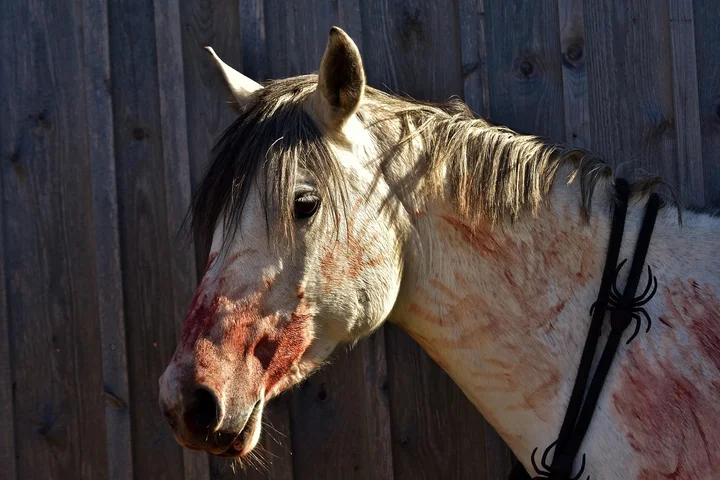
You found the stain later. It’s dried into a dull brown or rusty patch on your car carpet or seat fabric. This happened to me when my son Jason scraped his knee after soccer and didn’t tell me about the car seat until two days later.
Don’t panic. Dried blood just needs a different plan of attack. The golden rule for old blood is to rehydrate it first to loosen the proteins before you try to lift them away.
Step-by-Step: Rehydrate and Tackle
- Start with cold water. Place a clean, white cloth soaked in cold water directly over the stain. Let it sit for 15-20 minutes. You’re not rubbing, you’re letting the moisture soak in and soften the stain from the outside in.
- Gently blot the area. After soaking, use a dry part of the cloth to blot up the loosened blood and water. You’ll see the stain start to transfer. Repeat the soak-and-blot process until no more color lifts.
- Bring in the enzymes. For stains that remain, an enzymatic cleaner is your next best friend. These cleaners use natural bacteria or enzymes that actually break down protein stains. Spray or dab it on, following the product’s dwell time (usually 5-15 minutes).
- Blot it all away again. The stain should now lift much more easily.
For a large stain, like from a nosebleed on a carpet, work in small, manageable sections. I learned this cleaning up after my cousin Edward’s bloody nose in the backseat. Rehydrate and clean one six-inch area at a time to avoid just spreading the stain around.
This takes patience. You might go through several rounds. But seeing that rusty color fade with each blot is proof it’s working.
Choosing Your Cleaning Arsenal: Safe Household Products
You don’t need fancy chemicals. I keep a kit in my laundry room and car trunk with these basics. Think of them like tools: you pick the right one for the job.
Hydrogen peroxide is powerful for light fabrics, but my go-to for colored car upholstery is always dish soap first. It’s the safer all-rounder.
Hydrogen Peroxide (The Cautious Bleach)
This 3% solution from the pharmacy works by oxidizing the stain, breaking it apart on a molecular level. It fizzes when it hits blood.
You must do a spot test in a hidden seam or under the seat first. Dab a bit, wait 5 minutes, and check for bleaching or color change.
If it passes, apply it directly to the rehydrated stain, let it fizz for a minute, then blot it up with a cold, wet cloth. Never use it on leather, wool, silk, or dark-colored fabrics you can’t risk lightening. For wool stains, there are safe, fiber-friendly methods. We’ll cover them in the next step.
Dish Soap and Cold Water (The Dynamic Duo)
A clear, blue, or green dish soap (like Dawn or Palmolive) is perfect. These are degreasers, and blood has proteins bound with fats. They’re also very mild on dyes.
My mix is simple: a teaspoon of clear dish soap in a spray bottle filled with one cup of cold water. Shake it gently. Spray it on, let it sit for 5 minutes to break the stain’s grip, then blot diligently with a cold, wet cloth. Be cautious when dealing with delicate materials like suede. Rinse by blotting with a cloth dipped in plain cold water.
Enzyme-Based Cleaners & Meat Tenderizer
These are the secret weapons for protein stains. The enzymes act like tiny pac-men, “eating” the proteins in blood, milk, or pet accidents.
Products like Nature’s Miracle or even some laundry pre-treaters work great. For a kitchen hack, unseasoned meat tenderizer contains papain, an enzyme from papayas. Make a paste with cold water, smear it on the rehydrated stain, wait 30 minutes, then rinse with cold water. My aunt Jessica taught me this one for red wine, and it works on blood too.
Baking Soda Paste & Salt
These are your cleanup crew, not your first responders. After the stain is gone, a paste of baking soda and water can be gently rubbed on the area to absorb any lingering odor. Let it dry, then vacuum it up.
Salt can act as a gentle abrasive on sturdy fabrics like car carpet. Sprinkle salt on a damp stain, let it sit, then brush it away-it can help lift fresh stains but won’t dissolve old, set-in blood by itself. They’re helpful finishers, not miracle workers, especially when it comes to salt stains on car interiors.
Material-Specific Guides: Cloth, Carpet, and Leather

You want to know which cleaner works best. I get it.
Your car’s interior isn’t one material. Your cleaner shouldn’t be one solution either.
Picking the right cleaner for your seat fabric or leather is the difference between a clean spot and a ruined one.
For Cloth Upholstery and Car Carpets
Cloth is forgiving. I’ve cleaned many soccer-related mishaps from Jason and his friend Edward in our minivan.
Start with cold water and a mild soap. Hot water cooks the blood proteins into the fibers.
- Blot with a cold, wet cloth to lift fresh blood. Press, don’t rub.
- Mix a drop of clear dish soap into a cup of cold water. Dab it on the stain.
- For car carpet, use a soft-bristle brush. Gently scrub in one direction to lift the stain without fuzzing the fibers.
- Rinse thoroughly with another cloth dipped in clean, cold water. Soap residue leaves a tacky, dirt-catching film.
- Blot dry with a towel. Let the area air dry completely with the windows down if you can.
A soft brush and a thorough rinse prevent that stiff, dirty patch everyone tries to avoid.
For Leather and Vinyl Car Seats
Skip harsh chemicals and abrasives immediately. I learned this the hard way.
Roger once used a heavy-duty degreaser on his hunting truck’s leather seat. It left a permanent, dull patch.
Reach for a gentle, pH-balanced leather cleaner or a classic saddle soap. Apply a small amount to a microfiber cloth. Make sure to use one that’s suitable for smooth leather.
Wipe in gentle circles. You’re coaxing the stain out, not scouring it.
After cleaning, use a leather conditioner. This step is critical.
Conditioning replenishes the protective oils you just cleaned away, keeping the leather from drying and cracking.
When Stains Fight Back: Troubleshooting Persistent Spots
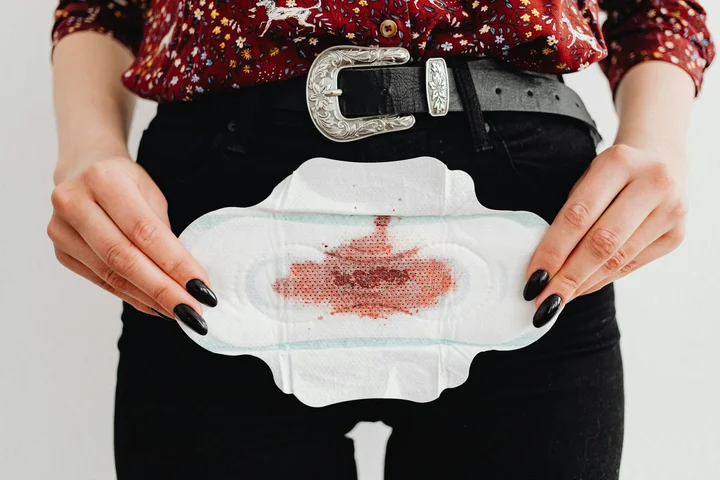
A faint, rusty outline remains. It happens to everyone.
My aunt Jessica’s red wine habit has taught me patience with persistent stains.
Apply your enzymatic cleaner again. Let it sit for an hour this time.
Blot it away. The extended contact often breaks down what’s left.
For a deep-set carpet stain, consider a professional-grade extractor.
I rent one for our home carpets every spring. The powerful suction pulls old stains from the depths that surface cleaning misses.
These car-tested methods work elsewhere too.
For old blood on sheets, pretreat with cold water and enzyme spray before washing.
On shoes or backpacks, use the same dab-and-brush technique.
Stubborn stains aren’t failures; they’re just asking for a longer, gentler conversation with your cleaner.
Staying Safe: Critical Warnings and Material Red Flags
Cleaning blood is different. You’re dealing with a biological stain and often, valuable surfaces. A rushed move can make things worse.
I learned that after Jason’s soccer knee scrape bled on my car’s cloth seat. My first instinct was wrong. Now, I start every cleanup with a safety checklist.
Your Personal Safety Kit
Protect yourself first. The stain can wait a minute.
- Always wear disposable gloves. Nitrile is my choice. Blood is a biohazard, and cleaners dry out your skin. I keep a box in the garage.
- Open doors and windows for fresh air. Car interiors trap fumes from peroxide or ammonia. Ventilation is non-negotiable.
- Keep your workspace clear. Move kids and pets to another room. My dog Peeta will lick any wet spot, and little Jessica’s “help” often spreads the mess.
Material Red Flags: Handle These with Care
These fabrics and surfaces are fragile. Standard blood removal can damage them permanently.
- Delicate natural fibers like silk, wool, or cashmere. They shrink and distort with moisture and agitation. Think of a favorite wool blanket.
- Antique fabrics or items labeled “Dry Clean Only.” Their dyes and structures are unstable. My mom Martha’s old tablecloth is proof.
- Genuine leather and suede car seats. Water can cause permanent, stiff rings and discoloration. It’s a completely different cleanup.
- Some modern synthetic upholstery with coatings. Aggressive scrubbing can haze the finish, leaving a dull patch.
The “Never-Use” List
Common household advice can ruin your seat or carpet. Here is my absolute ban list.
- Hot water. It cooks the protein in blood, setting the stain into the fibers. I only use cold water first.
- Ammonia-based cleaners on wool or silk. Ammonia breaks down these protein fibers. It can cause yellowing and weakness.
- Undiluted chlorine bleach on colored fabrics. It will remove the dye, not the stain. My mother-in-law Brianna uses it only on white cotton rags.
- Harsh, abrasive scrub brushes or steel wool. They fray carpet loops and scratch seat fabric. A soft toothbrush is my tool.
The Non-Negotiable First Step: Spot Test
You must test your cleaning solution in a hidden spot first. Pick a seam under the seat, a closet corner, or behind a headrest.
Apply a dab, wait 15 minutes, and check. Look for color transfer, fading, or texture change. This saved my aunt Jessica’s rug in Arizona from a cleaning disaster.
FAQ About Removing Blood Stains from Car Interiors
1. How do I prevent a fresh blood spill from becoming a permanent stain?
Immediately blot with a cold, wet cloth to dilute and pull up the blood. Never use heat or hot water, as this will cook the protein into the fabric fibers and set the stain. This is especially important when removing blood stains from delicate fabrics like underwear.
2. What’s a safe, all-purpose household cleaner I can use on colored cloth seats?
Mix a teaspoon of clear dish soap with one cup of cold water in a spray bottle. Spray, let it sit for 5 minutes, then blot vigorously with a cold, wet cloth and rinse with plain water.
3. I have a large stain from a nosebleed on my car carpet. How do I tackle it without making it worse?
Work in small, six-inch sections. Rehydrate each area with a cold, wet cloth for 15-20 minutes, then blot, repeating the process section by section to avoid spreading the stain.
4. Can I use hydrogen peroxide on my car’s leather seats?
No, never use hydrogen peroxide on leather, as it can bleach and damage the material. For leather, use only a pH-balanced leather cleaner followed by a conditioner.
5. What’s the most important safety step before using any cleaner?
Always perform a spot test on a hidden area, like a seam under the seat. Apply the cleaner, wait 15 minutes, and check for color loss or texture change before proceeding with the full stain, especially when attempting water stain removal on car seats.
Protecting Your Fabric After Treatment
The single most important step is to always use cold water first on a blood stain. Heat from any source can cook the proteins into the fibers, making the stain much harder to remove. I share all my family’s messy lessons, like the time Peeta’s paw cut met our car carpet, right here on Stain Wiki for more trusted advice.
Written by Suzanne Rosi Beringer. Suzanne is an accomplished chemist, laundry expert and proud mom. She knows the science and chemistry of stains and has personally deal with all kinds of stains such as oil, grease, food and others. She brings her chemistry knowledge and degree expertise to explain and decode the science of stain removal, along with her decades long experience of stain removal. She has tried almost everything and is an expert on professional and DIY stain removal from clothes, fabric, carpet, leather and any other items dearest to you.