How to Clean and Protect Alcantara, Suede, and Nappa Leather in Your Car
That sinking feeling when a spill hits your premium interior is real. You can handle this-immediate, gentle blotting is your first and most powerful move against a permanent stain.
In this guide, I’ll share my tested methods so you can clean with confidence:
- Learn how to correctly identify each material-it changes everything.
- Follow my precise cleaning steps for Alcantara, suede, and nappa leather.
- Use simple, effective products you likely already own.
- Apply protective treatments to make future clean-ups easy.
My advice comes from hands-on experience, saving car seats from everything my son Jason’s soccer cleats to my aunt Jessica’s red wine can dish out.
Spot the Difference: Alcantara, Suede, and Nappa Leather Explained
Think of your car’s interior materials like different types of bread. The care each one needs is totally different.
- Alcantara is a high-tech, synthetic microsuede. It feels like a soft, dense velvet. I think of it like a perfect, uniform brioche bun. It’s durable, resists fading, but it’s a sponge for oils.
- Suede is real, napped leather. It has a fuzzy, brushed surface, like the crumb of a rustic artisan loaf. That nap is delicate. Once you crush it or get it wet, it’s hard to restore.
- Nappa Leather is soft, full-grain leather with a smooth, sealed surface. Imagine a glossy, perfect croissant. It has a protective topcoat, but it can still absorb liquids and dry out.
You can’t treat them the same. That soft nap on suede and Alcantara traps dirt and liquids. A scrub that works on Nappa will mat that nap down forever. Nappa can handle a bit more moisture, while soaking suede is a disaster.
To identify them in your car, use your eyes and fingers. Run your hand across the surface. Alcantara feels consistent and slightly synthetic. Real suede feels ultra-soft and the color changes shade as you brush the nap. Nappa leather is cool, smooth, and often has visible pores.
The Golden Rule of Stain Removal: First Aid for Premium Fabrics
My son Jason spilled a whole juice box in my car once. My first move is always the same, no matter the material.
Blot, never rub, with a clean, dry microfiber cloth. Rubbing grinds the spill into the fibers. Blotting lifts it out. Press down firmly and lift straight up. Use a fresh section of cloth each time.
Before you put any liquid cleaner on a stain, you must do a test. Find a hidden spot, like under the seat. Apply your cleaning solution and blot. Check for color transfer to your cloth or any texture change after it dries. This approach is especially important for car seat water stain removal upholstery, where fabrics and dyes can react differently. If you’re dealing with water stains on car upholstery, starting with a test can prevent further damage.
When a fresh spill happens, fight the urge to grab the nearest thing. Avoid using pre-moistened wipes or paper towels. The chemicals in wipes can set a stain, and paper towels shred and leave lint embedded in the nap.
Material Red Flags: What Never to Use on These Surfaces
Some cleaners cause permanent damage. I learned this after a bad experience with a generic spray on a suede shoe.
- Harsh Chemicals: Never use bleach, ammonia, or all-purpose abrasive cleaners. Silicone-based “shine” dressings will clog the pores of Nappa leather and make it slick.
- Aggressive Tools: Stiff brushes or magic erasers will fray suede and Alcantara. I never use a steam cleaner on these materials either. The heat and moisture can shrink and stiffen them.
- Excess Water & Heat: Drenching any of these materials is asking for trouble. Never use a hairdryer to speed up drying. It bakes stains in and can crack leather or melt synthetic fibers.
Safe DIY Alternatives for Emergency Cleanups
You’re at a soccer field and get mud on the seat. These are my go-to first-aid fixes until I can do a proper clean at home.
For general grime on all three, mix a drop of clear, mild dish soap (I always have Dawn) with a cup of distilled water. Distilled water prevents mineral deposits. Dampen a microfiber cloth in the solution, wring it until it’s just barely damp, and gently blot the area. Follow with a cloth dampened with plain distilled water to rinse.
For a grease spot on Alcantara or suede, like from a french fry, use a dry absorbent. I keep cornstarch in my garage for this. Sprinkle it on thick, let it sit for an hour to pull the oil up, then vacuum it away.
For a light disinfecting wipe on Nappa leather, a 50/50 mix of white vinegar and distilled water works. My aunt Jessica uses this on her leather bags. The vinegar cuts light grime and odors from leather and faux leather without harming the leather’s finish. Just blot, don’t soak.
Remember, these are first-aid solutions, not deep cleans. They handle the immediate problem to prevent a stain from setting, giving you time to use a proper, dedicated cleaner later. For tile surfaces, the tile stain cleaning methods type you choose will guide your next steps. Knowing the type helps you pick the right longer-term cleaner without risking damage to grout or finish.
How to Clean Alcantara: A Gentle, Effective Method
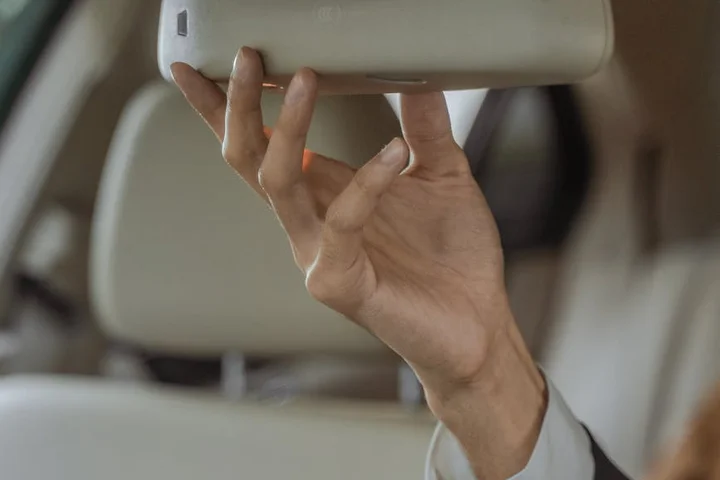
How do you clean Alcantara? You treat it like a delicate, fuzzy friend. It’s more durable than suede but still hates being soaked.
My goal is always to lift the stain without crushing that soft nap. Here is my reliable process.
- Dry Brush First. Grab a soft suede or dedicated Alcantara brush. Gently brush the entire area in one direction. This lifts the fibers and dislodges dry dirt, just like you’d vacuum a carpet before washing it.
- Prepare Your Cleaner. I use a dedicated Alcantara cleaner for my car seats. For a DIY option, mix a few drops of clear, mild dish soap (like Dawn) into a cup of distilled water. Never use harsh detergents or all-purpose cleaners.
- Dampen, Don’t Soak. Fold a clean, white microfiber cloth. Dampen it with your cleaner and wring it out completely. It should only be slightly damp to the touch.
- Work in One Direction. Gently wipe the stained area, moving in one consistent direction with the nap. Avoid circular scrubbing, which can mat the fibers and spread the stain.
- Blot and Dry Thoroughly. Use the dry side of your cloth to blot up any moisture. Then, let the area air dry completely. I’ll often point a fan at it for 30 minutes. Complete drying is non-negotiable to prevent a stiff, watermarked patch.
- The Final Brush-Up. Once bone-dry, give the area another gentle brush with your dry tool. This reactivates the velvety texture and erases any cleaning marks.
What If the Stain Persists? Troubleshooting Alcantara
Some stains need more persuasion. For a set-in coffee ring or ink spot, I apply a tiny bit more cleaner directly to my microfiber cloth. However, when it comes to delicate surfaces like paper, even the gentlest cleaning methods must be used.
I work the area gently, then blot immediately. Patience is key. I repeat this blot-and-brush cycle two or three times, letting it dry fully between attempts.
The biggest mistake is over-wetting the material in a panic, which can drive the stain deeper.
Jason left a half-full sports drink bottle in my passenger seat last summer. The purple liquid seeped into the Alcantara side bolster. I took a deep breath and followed my own steps. Dry brush. Damp cloth with cleaner. Blot. Fan dry. Brush. It took two passes, but the sticky purple film vanished without a trace.
How to Clean Suede: Lifting Stains Without Flattening the Nap
Suede asks for a lighter touch than Alcantara. Its nap is more delicate and flattens easily.
How do you clean suede? You think like a sculptor, lifting the stain without damaging the texture.
- Always Start Dry. Use a specialized suede brush or a clean, soft-bristled toothbrush. Brush the entire piece lightly to raise the nap and loosen surface grit.
- Attack Scuffs with an Eraser. For pencil marks or light scuffs, a suede eraser is magic. Rub it gently over the mark until the discoloration lifts away. Brush the residue off.
- Use Minimal Moisture. For a true stain, dampen a white microfiber cloth with distilled water. Wring it out so it’s barely damp. Lightly dab (don’t rub) the stained spot.
- Blot and Air Dry. Immediately blot with a dry cloth to absorb moisture and the stain. Let it air dry away from radiators or direct sun, which can bake in stains and stiffen the leather.
- The Crucial Final Step. Once completely dry, brush the entire area vigorously with your suede brush. This reactivates the nap and erases any lingering water marks, making the clean spot disappear into the surrounding material.
Protecting Suede: How to Apply a Protectant Spray
How do you protect suede? You give it a shield. I do this for my good suede shoes and any suede accents in the car.
Always start with material that is perfectly clean and bone-dry. I use a spray labeled specifically for suede and nubuck.
Take the item to a well-ventilated area, like a garage with the door open. Hold the can about 6 inches away.
Apply a light, even first coat. Let it dry for the time listed on the can, usually 10-15 minutes. Then apply a second light coat. Do not touch or use the suede until the protector is completely dry to the touch, or you’ll create sticky spots.
This barrier won’t make it bulletproof, but it gives you precious minutes to blot up a spill before it becomes a stain. My Aunt Jessica, a red wine enthusiast, taught me this lesson years ago.
How to Clean Nappa Leather: Moisture Without Damage
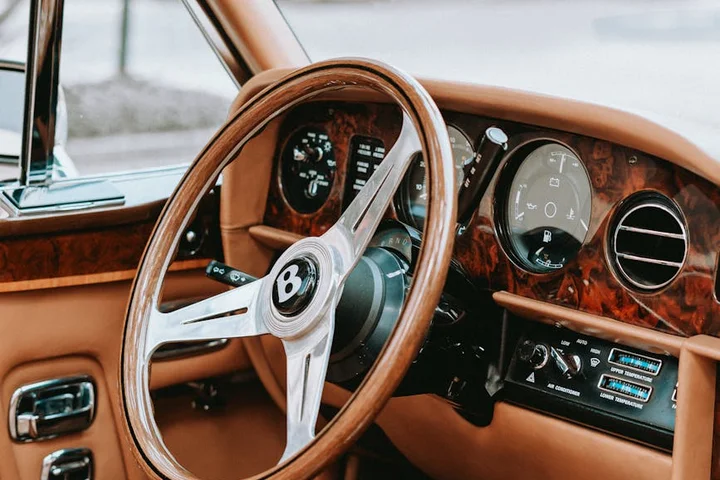
I treat Nappa leather like my own skin. It needs hydration, not a flood.
Dirt and grit act like sandpaper on that soft surface. Jason’s soccer cleats have taught me that lesson well.
- Start by vacuuming with a soft brush attachment. This lifts away abrasive sand and crumbs without a scratch.
- Spray a pH-balanced leather cleaner onto a microfiber cloth. Never spray the seat directly. You control the moisture this way.
- Wipe in gentle circles. Follow immediately with a second cloth, damp with clean water, to rinse off any cleaner residue.
- Dry thoroughly with a third, soft cloth. Buff until there’s no dampness to prevent ugly water rings.
Think of it like washing your face: you clean, you rinse, and you pat dry.
How to Protect Nappa Leather and Keep It Supple
Cleaning removes. Conditioning protects. It’s the non-negotiable second step.
I apply a light, non-greasy leather conditioner every three to six months. This is after a good cleaning, when the leather can best absorb it. Moisturizing keeps the leather supple, but sealing or waterproofing can offer extra protection in tougher conditions. Understanding when to moisturize versus seal or waterproof helps tailor care to the material and its use.
Use a clean cloth to work a small amount into the surface. Buff it in until you get a natural, matte finish. No slick, shiny film should remain.
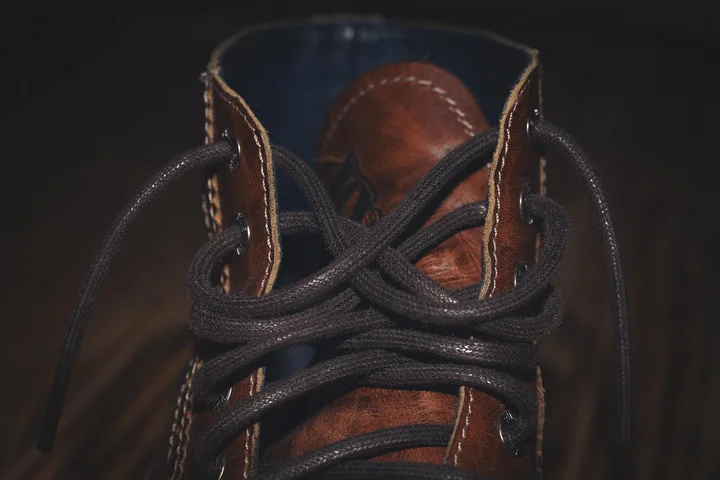
Skip the oily protectants you might use on work boots; they clog the leather’s pores and just attract more grime. My husband Roger learned this with an old leather jacket. It felt sticky and gathered dust for weeks. It was even harder to remove oil stains from leather afterward.
Beyond Cleaning: How to Protect All Three Materials for the Long Haul
Protection is about building a shield. For Alcantara and suede, that means a fabric protectant spray.
For Nappa leather, it’s your conditioner. They all need a simple routine to stay beautiful.
My weekly habit is a quick vacuum and a gentle brush for the fabrics. Every season, I do a full deep clean and reapply protectants.
I keep a small kit in my car’s console: a microfiber cloth and a soft suede brush. It’s saved me from panic more than once when Jessica spilled a juice box or Peeta left a muddy paw print.
The Surface Compatibility Chart: Seats, Steering Wheels, and Dashboards
Not every surface in your car can handle the same pressure. Here’s my quick guide.
These rules work for your home too. I use the same gentle method on my aunt Jessica’s favorite suede armchair.
When to Call a Professional: Stains You Shouldn’t Tackle Alone
Some stains are battles you don’t fight alone. Knowing when to call for backup saves your interior.
Call a pro for large, unknown chemical spills. That includes things like transmission fluid or strong solvents.
Deep dye transfers from new jeans or a colored bag often need specialized tools. The same goes for any sign of mold or mildew growth.
If you try a safe method twice and the stain remains, stop. A detailer experienced with premium materials is your next step. Be cautious not to make common stain removal mistakes that could worsen the situation.
It’s not a failure. It’s the smartest way to protect a big investment. I learned this after a red wine incident that my regular kit just couldn’t fix.
FAQ about Cleaning and Protecting Premium Car Interiors
1. I just spilled coffee on my Alcantara seat. What’s the very first thing I should do?
Immediately blot-don’t rub-with a clean, dry microfiber cloth to lift the liquid. Avoid using paper towels, as they can shred and leave lint embedded in the delicate fibers.
2. Can I use a vinegar solution to clean a greasy mark on my suede shoes or interior?
No, avoid vinegar or any liquid cleaner on a grease stain. Instead, sprinkle a dry absorbent like cornstarch or baking soda on the spot, let it sit for an hour to draw out the oil, and then vacuum it away completely. This approach also works well for oil grease stains on clothes. If the stain persists, you can follow up with a fabric-safe pretreatment before washing.
3. How can I tell if my Nappa leather needs conditioning, and what’s a safe product to use?
If the leather feels dry or less supple than surrounding areas, it needs conditioning. Use a small amount of a light, non-greasy leather conditioner on a clean cloth, buffing it in for a natural matte finish—avoid thick, oily dressings. Make sure to clean any stains before conditioning.
4. Is it safe to use a suede eraser on my car’s Alcantara steering wheel?
Proceed with extreme caution. Test a suede eraser on a hidden area first, as some Alcantara finishes can be delicate. Gently rub the eraser; if the discoloration lifts, carefully brush the area afterward to restore the nap.
5. I cleaned a water spot on my suede, but the nap is flat. Can I fix it?
Yes, once the area is completely bone-dry, vigorously brush it with a dedicated suede brush. This reactivates the nap and should help blend the spot. For persistent matting, a light steaming from a handheld garment steamer held several inches away can help, but test this method carefully.
Keeping Your Premium Interiors Looking Their Best
The most important lesson is to treat these materials with a gentle, consistent hand. Avoid harsh chemicals and aggressive scrubbing, as patience with the right technique always beats a rushed, forceful clean. For more tips on specific stains and everyday care, I share what I learn from tackling messes from Jason’s soccer gear to Jessica’s art projects right here on the blog.
Written by Suzanne Rosi Beringer. Suzanne is an accomplished chemist, laundry expert and proud mom. She knows the science and chemistry of stains and has personally deal with all kinds of stains such as oil, grease, food and others. She brings her chemistry knowledge and degree expertise to explain and decode the science of stain removal, along with her decades long experience of stain removal. She has tried almost everything and is an expert on professional and DIY stain removal from clothes, fabric, carpet, leather and any other items dearest to you.