How to Remove Soot, Ash, and Charcoal Stains from Clothing, Carpets, and Home Interiors?
That gritty, black mess from a fireplace or campfire can feel impossible to clean. Stop right there-the key is to never rub a dry soot stain and to always start by vacuuming it from the surface outward.
This article will give you my tested plans for:
- Immediate actions to keep the stain from spreading
- The best cleaning solutions for fabric, carpet, and walls
- Safe scrubbing techniques that protect delicate materials
- Final rinsing and drying steps to avoid a ghost of the stain
I’ve handled these stains on my son Jason’s soccer shorts and our living room rug after Peeta decided to nap by the hearth, so I’m sharing what truly works.
Soot, Ash, or Charcoal? Identifying Your Stain
Before you grab a cleaner, look closely. These stains are not the same.
Soot feels oily and sticky. It leaves a dark smear when you touch it. It comes from incomplete burning, like a smoky candle or a smoldering log.
Ash is dry and powdery. It looks like gray dust and brushes away easily. Think of a cold fireplace or spilled incense.
Charcoal is crumbly and often greasy. You’ll see black chunks and a smudgy residue. This is your classic barbecue mess.
Identifying the stain tells you how to fight it. Soot needs a degreaser, ash just needs lifting, and charcoal requires a two-step clean.
I think of soot like the grime on Roger’s hunting gear after a firepit night. Ash is like the dust after Jessica knocks over a vase of dried flowers. Charcoal is the exact mess from our family burger nights.
These stains pop up in expected and unexpected places. Common sources are fireplaces, candles, campfires, and barbecues. I’ve even seen them after a power outage when we used old oil lamps.
First Response: Stop the Stain in Its Tracks
Your first move is the most important one. Stay calm and don’t make it worse.
The universal rule for all three stains is this: do not rub or wipe. Pressing down grinds the particles deeper into fibers.
Follow these steps immediately.
- Take the item outside. Gently shake it to dislodge loose debris. Let gravity help you.
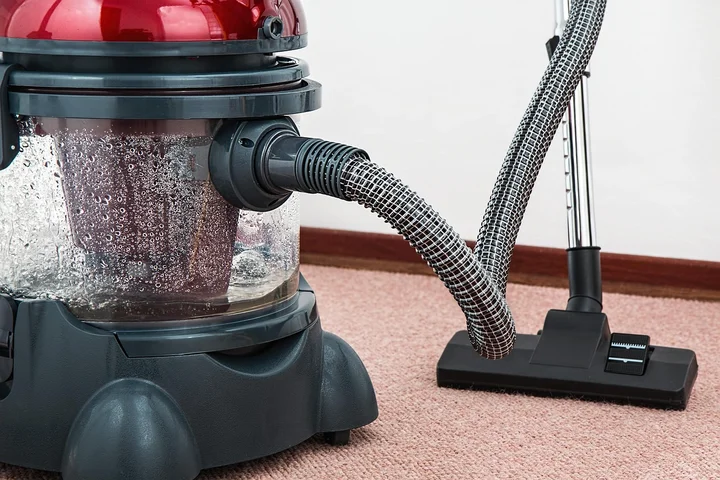
- For carpets, rugs, or upholstery, use your vacuum hose. Do not use a brush attachment. Hold the hose just above the stain to suck up surface powder or crumbs.
After the loose stuff is gone, get a clean, dry, white cloth. Gently dab or blot at the area. You are lifting, not scrubbing.
Always wear old clothes and gloves for this job. Soot can be messy and contain tiny irritants you don’t want on your skin.
When Peeta runs inside with ashy paws from the firepit, I reach for the handheld vacuum first. A wet cloth would just make a muddy paste. The vacuum gets the dry ash up in seconds.
How to Remove Soot, Ash, and Charcoal from Clothing
Whether it’s soot from a fireplace, ash from a bonfire, or charcoal from a weekend grill session, the first rule is the same. Always start with cold water. Hot water can cook the oils and pigments right into the fibers, turning a surface smudge into a permanent stain.
Let’s answer those burning questions: How do you remove soot, ash, and charcoal stains from clothing? The methods differ slightly because each substance has its own quirks. Before you start any treatment, there’s one non-negotiable step. Test your chosen cleaner on a hidden seam or hem first to make sure it won’t damage the color or texture of your fabric, especially if you’re treating burn or scorch stains.
For greasy soot, I always use a dab of blue Dawn dish soap. It cuts the oil without harsh chemicals. My son Jason’s soccer hoodie, which he wears near our fire pit, is proof it works.
Your Battle Plan for Soot on Fabric
Soot is oily and fine. It sticks because of the grease.
- Shake off as much loose soot as possible, outdoors if you can.
- Pre-treat the stain with a few drops of a degreasing dish soap.
- Gently work the soap in with your fingers for a minute.
- Rinse thoroughly from the back of the stain with cold running water. Push the stain out, don’t rub it in.
- Wash the garment alone in the washing machine with cold water and your regular detergent.
- Air-dry it completely before you check the results. The dryer’s heat can set any leftover residue.
The dish soap works by emulsifying the oily base that holds the soot particles, letting them rinse away cleanly.
Your Battle Plan for Ash on Fabric
Ash is usually just fine dust. It often comes out easier than you think.
- Shake the garment vigorously outdoors to dislodge the dry particles.
- Hold the stained area under cold, running tap water. Let the water flush the ash right out.
- If a dull gray shadow remains, apply liquid laundry detergent directly to the spot.
- Let it sit for 15 minutes, then wash as usual in cold water.
- Air-dry the item to be safe.
Ash stains are often just trapped dust. They usually lift out easily with a good rinse.
Your Battle Plan for Charcoal on Fabric
Charcoal marks are a double problem. You have black dust and often grease from the grill.
- Carefully pick or scrape off any charcoal chunks. Be gentle to avoid grinding them in.
- Pre-treat with a stain remover stick or a thick paste of detergent and a little water.
- For set-in stains, soak the whole item in a basin of warm water with a scoop of oxygen-based bleach for one hour.
- Wash in the warmest water temperature the fabric care label allows.
- Always air-dry first to check your work.
Charcoal from grills almost always carries cooking oils from previous burgers or drippings, and that grease needs breaking down first. My husband Roger’s grilling apron sees this treatment often.
Safe DIY Alternatives for Clothing Stains
You don’t always need a special product. Simple pantry items can work wonders.
- Baking Soda Paste: Mix baking soda with a little water to make a paste. This is perfect for greasy charcoal marks. It lifts the oil as it dries.
- Diluted White Vinegar: A 1:1 mix of vinegar and water in a spray bottle helps neutralize smoky odors after you’ve washed out ash.
- Lemon Juice: A squeeze on a fresh soot stain, followed by drying in the sun, can naturally bleach white cottons. Test for colorfastness first!
When I’m out of my usual stain remover, my mom Martha’s baking soda trick has saved many of Jason’s T-shirts.
Material Red Flags: Clothing Fabrics to Protect
Not all fabrics can handle these methods. Be extra careful with delicate materials like silk, wool, velvet, and some synthetics, especially when dealing with stains on delicate fabrics.
Never use hot water first on these stains. It sets the grease. Never rub delicate fabrics harshly. Avoid chlorine bleach on colored items.
The golden rule for tricky fabrics is to always, always perform a spot test in an inconspicuous area with your chosen cleaning solution. A hidden seam is your best friend. Even delicate fabrics in outerwear can be cleaned safely when tested properly.
How to Remove Soot, Ash, and Charcoal from Carpets
Seeing a dark smear on your carpet is stressful. How do you get soot out of carpet without making it worse? The same worry applies to ash and charcoal. The most critical warning is to avoid overwetting the carpet pad. Too much moisture can lead to mold or damage the backing.
Gather your tools before you start. You’ll need clean white cloths, a spray bottle with cold water, and a dry towel. My carpet shampooer’s hose attachment is perfect for lightly rinsing a treated area on my beige living room carpet without soaking it.
Cleaning Soot from Carpet Fibers
Soot settles deep and smears easily. Patience is key.
- Vacuum slowly on a low-suction setting to remove loose soot. Go over the area several times.
- Mix a tiny amount of dish soap with cold water in a bowl.
- Dab the stain with a cloth dipped in the solution. Never scrub. Scrub and you’ll grind it in.
- Rinse by dabbing with a cloth dipped in clean, cold water.
- Blot dry with a clean, dry towel. Place a fan nearby to speed up drying.
That blotting motion is everything. You are lifting the stain out of the fibers, not pushing it down deeper.
Cleaning Ash from Carpet Fibers
Ash is mostly a dry, dusty mess. Water is often enough.
- Vacuum the area thoroughly. If the ash is damp from a drink spill, let it dry completely first.
- For any leftover gray marks, lightly mist the spot with cold water from your spray bottle.
- Blot immediately with a dry, white cloth.
- If a stain persists, use a dry cleaning solvent or a carpet stain remover made for general soils.
- Blot until no more color transfers to your cloth.
Ash is usually dry and non-greasy. Plain water often flushes it right out of the carpet fibers.
Cleaning Charcoal from Carpet Fibers
Charcoal on carpet means crumbs and grease. Tackle the grease first.
- Pick up any big charcoal pieces by hand.
- Vacuum the area well to get the dust.
- Apply a generous amount of cornstarch or baking soda powder. This will absorb the grease. Let it sit for 15 minutes, then vacuum it up.
- Treat any remaining dark stain with a carpet-safe degreaser or a very diluted dish soap solution.
- Rinse with a damp cloth and blot until completely dry.
This is my aunt Jessica’s go-to trick for greasy spills on her rugs, and it works on charcoal grease too. The powder soaks up the oil before you even add moisture.
How to Clean Soot, Ash, and Charcoal from Home Interiors
This moves beyond clothing and carpets. Walls, furniture, and hard surfaces get messy too.
My first piece of advice comes from a ceiling I had to clean. After a candle mishap left a plume of soot above our TV, I learned the golden rule. A dry cleaning sponge, also called a chemical sponge, is your best friend for walls and ceilings because it lifts soot without smearing it into a bigger, uglier mess.
Patience and that sponge were all I needed that day. For other surfaces, the approach changes a bit.
Fireplace Bricks and Stone
Many people ask me how to clean soot from fireplace bricks. My method is simple and avoids damage.
Start with the gentlest tools. Use a stiff, dry brush, like a clean paintbrush or scrub brush, to loosen the powdery soot. Sweep it into a dustpan.
For leftover stains or a dull film, wipe the bricks with a cloth dampened with plain water. Wring it out well.
For stubborn, ground-in soot stains, a simple paste works wonders.
- Mix water with cream of tartar or baking soda until it forms a spreadable paste.
- Apply a thick layer over the stained area.
- Let it dry completely. This can take a few hours.
- Once dry, brush it off with your stiff brush. The soot should come away with the paste.
Aunt Jessica taught me this trick for her Arizona fireplace. Never use harsh abrasives or steel wool, as they will scratch and permanently dull the brick’s surface.
Walls and Painted Surfaces
Whether it’s ash from moving a firepit or a sooty handprint, walls need care. My mom Martha always said to test first, and she’s right.
Always test your cleaning method on a small, hidden spot first. Some paints, especially flat finishes, can be damaged by moisture.
Here is my reliable, four-step process for painted walls.
- Gently wipe the area with a dry cleaning sponge. Use a dabbing, lifting motion. You’ll see the soot transfer to the sponge.
- For any remaining smudge, mix a few drops of mild dish soap into a bucket of warm water.
- Dip a soft cloth in the soapy water, wring it out until it’s just damp, and wipe the spot. Rinse your cloth in clean water, wring it out, and wipe the area again to remove soap residue.
- Immediately dry the wall with a clean, dry towel. This prevents water spots.
Working with a dry sponge first prevents you from creating a greasy, streaky slurry that stains the paint.
Upholstery and Furniture Fabric
This happened on our light grey sofa. Roger came in from the grill and sat down, leaving a faint charcoal streak.
The process is very similar to cleaning carpets. The key difference is drying.
- Vacuum the fabric thoroughly to remove any loose ash or soot particles. Use the upholstery attachment.
- Spot-treat with a mild upholstery cleaner or a solution of diluted dish soap (1 tsp soap to 2 cups water).
- Blot, never rub, with a clean white cloth. Rinse by blotting with a cloth dampened with plain water.
- Dry the area as fast as possible. I point a fan directly at the spot for a few hours.
Thorough drying is critical here to prevent moisture from soaking into the cushion filling, which can lead to mold or mildew. A damp seat is a problem you don’t want.
Smart Prevention and Safe Cleaning Habits
A little forethought saves a lot of scrubbing later. Most of my prevention tips are just good habits.
Use a tight-fitting fireplace screen to catch popping embers and soot. Ensure your grill has proper ventilation to minimize smoky backdrafts. Always let ash from firepits or grills cool completely before you move or dispose of it.
Safety is part of the job. Store all cleaning products, even natural ones like baking soda, safely away from kids and pets. My three-year-old Jessica is curious about everything. Ventilate the room by opening a window when you use any cleaner.
If you remember nothing else, remember these four rules. Blot, don’t rub. Start with cold water on fabrics. Test any cleaner on a hidden spot first. Let something air-dry completely to see if the stain is truly gone. Be mindful of common stain removal mistakes to avoid. A quick guide detailing what not to do will follow.
With kids like Jason and Jessica, and a dog like Peeta, I’ve accepted that messes happen. But with these methods, stains don’t have to stay.
FAQ about Removing Soot, Ash, and Charcoal Stains
1. What’s the fastest way to deal with a fresh charcoal stain on my jeans before it sets?
Immediately scrape off any chunks, then flush the stain from the inside out under cold running water. Pre-treat with a thick paste of laundry detergent before washing normally in the warmest water the fabric allows.
2. I cleaned a soot stain from my carpet, but a greasy shadow remains. What did I do wrong?
You likely didn’t fully break down the oily base of the soot. Apply a small amount of diluted dish soap directly to the shadow, blot thoroughly, and rinse the area by blotting with a water-dampened cloth until no suds remain.
3. How can I remove the smoky smell from a jacket after I’ve washed out the ash stain?
Hang the jacket outside to air for 24 hours. If the odor persists, spray the lining with a 50/50 mix of white vinegar and water, let it dry completely, then wash again with your regular detergent. These steps help remove bad smells from clothes, not just mask them. For more tips on deodorizing fabrics, proceed to the next step.
4. What’s the safest all-purpose cleaner for ash or soot marks on my painted walls?
Start with a dry cleaning sponge to lift the stain without moisture. For any residue, use a cloth barely damp with a mild soapy water solution, followed by a clean water rinse, drying the wall immediately afterward. This approach aligns with our remove stains from interior walls guide for tougher spots. A full step-by-step overview is available in that guide.
5. I’m worried about damaging my wool rug. How should I handle a dry ash spill on it?
Let the ash dry completely if damp, then vacuum slowly on a low-suction setting. For any remaining mark, gently dab with a cloth lightly misted with cold water-avoid soaking the fibers, and blot dry immediately.
Your Soot and Ash Cleanup Game Plan
After tackling everything from fireplace dust on Peeta’s bed to charcoal smudges from Roger’s boots, I stand by one rule. Always remove dry soot with a vacuum or soft brush first-rushing to wipe will grind the stain deeper every time. Dry cleaning can be surprisingly effective on stubborn stains. Knowing when to use it makes all the difference. I share all my real-life tests and fixes on Stain Wiki, so you’re never alone on a cleaning day.
Written by Suzanne Rosi Beringer. Suzanne is an accomplished chemist, laundry expert and proud mom. She knows the science and chemistry of stains and has personally deal with all kinds of stains such as oil, grease, food and others. She brings her chemistry knowledge and degree expertise to explain and decode the science of stain removal, along with her decades long experience of stain removal. She has tried almost everything and is an expert on professional and DIY stain removal from clothes, fabric, carpet, leather and any other items dearest to you.