How Do You Remove Rust Stains from Concrete Patios, Driveways, and Sidewalks?
Those ugly, orange-brown rust stains on your concrete can feel permanent, but I promise they’re not. You can usually dissolve them effectively with a mild acid like citric or oxalic acid, applied safely and scrubbed away.
Here’s exactly what I’ll cover to get your surfaces back to normal:
- Why concrete grabs onto rust stains so tenaciously
- The safest, most effective cleaners you likely already have at home
- My hands-on, step-by-step removal process that really works
- How to properly rinse and neutralize the concrete afterward
- Simple tricks to prevent stains from coming back
I’ve tested these methods for years on everything from our driveway stained by Roger’s tools to the patio where the kids leave their bikes.
First, Don’t Freak Out: Assessing Your Concrete Rust Stain
Take a deep breath. Rust on concrete is not a crisis.
On my personal panic scale, where a toddler’s grape juice spill is a 10, concrete rust is a steady 3. It spreads slowly and almost never ruins a surface overnight.
You have a generous “Golden Window” to deal with this stain. Unlike a berry stain on cotton, rust won’t set in a few hours. It bonds deeper over months or years of rain and sun. My patio furniture left a mark last spring, and I cleaned it up easily this fall. Acting sooner just means less scrubbing later, especially when trying to remove rust stains from fabrics.
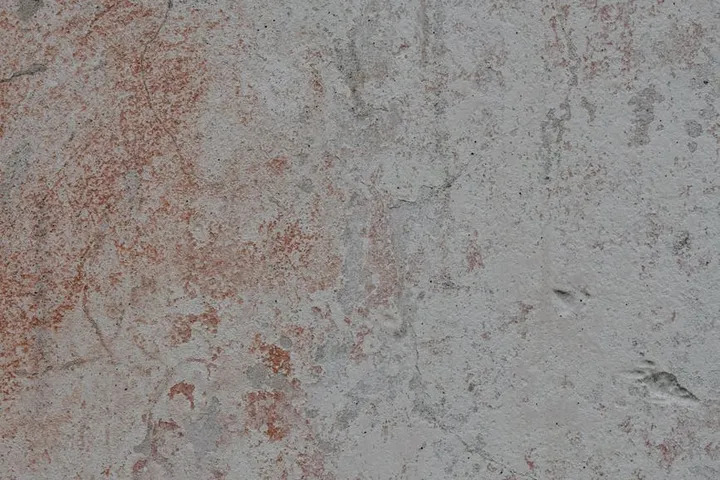
How do you know it’s rust? Look for the classic orange-brown blotch. It often has a fuzzy edge. After a rain, you might catch a faint metallic scent, like old pennies. That’s the giveaway.
What causes these stains? It’s usually something simple sitting on the surface.
- Leaking patio chair or table legs (I’ve had this happen with a cheap bistro set).
- Old gardening tools or a forgotten hubcap.
- Drips from a charcoal grill or a metal fertilizer spreader.
- Sometimes, it’s from the rebar inside the concrete itself, bleeding through.
In most cases, a rust stain is just a surface issue, not a structural red flag. If you see a crack with a bright orange streak coming from it, that could signal internal corrosion. For everything else, it’s just a cleaning job.
Gearing Up Safely: Non-Negotiable Precautions Before You Start
Concrete cleaning is messy. Even “gentle” acids like vinegar or lemon juice need respect. They can irritate skin and eyes just as much as stronger chemicals.
I never start without my safety kit. It’s non-negotiable.
- Heavy-duty rubber gloves (the kind I use for washing dishes aren’t enough).
- Wraparound eye protection-a splash in the eye is no joke.
- Long sleeves and old pants. This protects you from splashes and concrete dust.
Your very first move is always a test patch in a hidden corner. This is critical. Colored, stamped, or sealed concrete can react poorly. I learned this the hard way on a sample paver from our driveway project. A small test saves big headaches.
Work where air can move. Open the garage door or pick a breezy day. Keep kids and pets far away. My golden lab, Peeta, thinks every bucket is a new water bowl, so I set up a temporary barrier with garden chairs.
Finally, grab a broom. Sweep the area thoroughly to remove grit and leaves. Scrubbing over sand can grind the stain deeper into the concrete pores, making your job harder. It’s a simple step my Aunt Jessica taught me, and it makes all the difference. That same routine also helps with leaf stains on concrete patios and driveways. For stubborn marks, the next steps cover removing leaf stains on concrete patios and driveways.
Your Rust Removal Toolkit: From the Kitchen to the Garage
Think of it like picking a tool for a job.
For new, orange smudges, you might grab something from the pantry. For old, dark brown stains, you’ll likely need a stronger solution from the hardware store. Removing orange stains often requires a different approach.
Your choice really depends on how long the stain has set and how comfortable you are with using stronger chemicals.
Your Two Main Categories of Cleaners
The first group is your household or eco-friendly items. These are things you probably already own.
- White vinegar
- Lemon juice
- Table salt
- Baking soda
- Dish soap
The second group is commercial chemical removers. These are formulated specifically for rust.
- Oxalic acid-based rust removers (most common)
- Citric acid powders
- Trisodium phosphate (TSP)
Household items are gentler, safer for pets and kids, and perfect for experimenting on fresh stains. Commercial removers are stronger and designed to tackle set-in, stubborn rust that vinegar can’t budge.
How to Use Common Household Items for Rust Removal
These methods are my go-to for the light, rusty drips that appear on our driveway from a forgotten shovel or a wet bike kickstand.
They work by using mild acids to dissolve the rust so you can scrub it away.
For both methods, you’ll want a good scrub brush. I keep a stiff-bristled nylon deck brush by the back door for this exact reason. It’s tough enough to scrub concrete but won’t damage the surface like a metal wire brush might.
How long should you let the solution sit? For a fresh stain, 30 minutes might do it. For a darker spot that’s been there a season, let it work for several hours, or even overnight.
Step-by-Step: The White Vinegar Soak for Patios and Driveways
This is a slow and steady method. I use this on our patio every spring after storing Roger’s metal gardening pots all winter. They always leave a few rusty rings.
- Soak several old cloths or a stack of paper towels in plain white vinegar.
- Lay the soaked materials directly over the rust stain, covering it completely.
- Cover the wet cloths with a sheet of plastic wrap or a plastic bag to slow down evaporation.
- Let it sit. For a light stain, 1-2 hours. For a darker one, overnight is best.
- Remove the cover and cloths, then scrub the area vigorously with your brush. You should see the stain lifting.
- Rinse the area thoroughly with a garden hose.
A little sprinkle of salt on the vinegar-soaked cloth can boost the acid’s effectiveness, making this simple method work even harder.
Step-by-Step: The Lemon Juice and Salt Paste for Sidewalks
This method often works faster than vinegar because the citric acid in lemon juice is a bit stronger.
My aunt Jessica in Arizona swears by this for her sunny patio. Just know, lemon juice can sometimes lighten concrete very slightly.
Always do a test patch in a hidden corner first.
- Mix fresh or bottled lemon juice with enough table salt to form a thick, gritty paste.
- Using an old trowel or putty knife, trowel the paste onto the stain about 1/4-inch thick.
- Let it sit in the sun if possible. The heat helps the reaction. Give it at least 30 minutes.
- Scrub the paste into the stain with your brush, then rinse everything away with plenty of water.
Compared to vinegar, lemon juice is often faster-acting, but buying enough bottles for a large driveway stain can get pricey. I save this one for smaller, stubborn spots on the sidewalk.
Using Commercial Rust Removers on Concrete Surfaces
When a household acid just isn’t cutting it, it’s time for the dedicated products.
You must read the product label carefully every single time. Look for removers specifically rated safe for concrete surfaces to avoid etching or damage.
The most effective commercial rust removers contain acids like oxalic acid or phosphoric acid. You can also find powerful citric acid powders and thick rust-dissolving gels. Sometimes, though, even these might not be enough.
The general process is similar for most: wet the concrete first, apply the product, let it dwell, scrub, and then neutralize or rinse incredibly well.
How to Apply a Commercial Rust Remover Safely
Safety is non-negotiable here. This is where my rubber gloves and safety goggles are mandatory.
- Dilute the product with water if the label instructs you to. Never mix different chemical cleaners.
- Apply it with a plastic sprayer, a dedicated plastic watering can, or a brush with synthetic bristles. Metal tools can react.
- Let the product dwell on the stain. With commercial acids, this is usually much shorter, often 10 to 20 minutes. The label is your boss.
- Scrub the area with your stiff brush.
- Rinse, rinse, and rinse again. You need to neutralize and remove all chemical residue.
Always keep pets and kids away from the area until it is completely dry.
Focus on Oxalic Acid: A Powerful Concrete Rust Solution
Oxalic acid is a workhorse. It often comes as a white powder you mix with warm water to create a paste or solution.
The process is straightforward. You apply the paste, watch the rust stain lighten before your eyes, and then wash it all away.
My mom, Martha, always reminds me to rinse until the water runs completely clear to prevent any faint residue that could attract dirt later. She’s right. A final rinse with a bit of baking soda in water can help neutralize any last traces of acid.
Using Trisodium Phosphate (TSP) for Rust Removal
TSP is a heavy-duty cleaner and degreaser that can also help with rust. It’s less common now because it’s regulated in many areas due to its environmental impact.
If you choose to use it, you typically mix the powder with water to create a paste, apply it, scrub, and rinse thoroughly.
Think of TSP versus oxalic acid like this: TSP is a general-purpose heavy cleaner that can tackle rust, while oxalic acid is a specialized tool designed specifically to dissolve rust. For dedicated rust removal on concrete, a product formulated for that purpose is usually the simpler, more effective choice. My mother-in-law, Brianna, still has a box in her garage, but I haven’t needed one in years.
Dealing with Stubborn, Set-In Rust Stains
Sometimes, a rust stain just laughs at your chemical cleaner. I’ve seen this on our old patio where a metal chair sat for years. I’ve tried this method on clothes before, but it didn’t work on rust-covered fabric.
If you’ve applied a treatment twice with no change, the rust has likely penetrated deep into the concrete’s pores.
This is your cue to shift from chemistry to a bit of gentle force.
Mechanical methods like sanding or specialized pressure washing can tackle what chemicals cannot.
Can pressure washing alone remove rust? For a fresh, powdery stain, maybe. For an old, set-in stain, almost never. If you’re dealing with a pool liner, algae and rust stains may require a different approach beyond pressure washing. A related guide on removing algae and rust stains from a pool liner can offer targeted solutions.
The high-pressure water blasts surface dirt but can’t break the bond of deep rust. Think of pressure washing as your superstar for the final rinse, not the main removal tool for tough cases.
Mechanical Methods for the Toughest Stains
These are last-resort options. They physically abrade the surface, which can change its look and feel.
Always test in a hidden corner first.
- Hand Sanding: Use coarse 40-80 grit sandpaper on a block. It’s slow, hard work, but you have total control. Great for small stains near the house where you don’t want to risk damaging siding.
- Angle Grinder with Masonry Wheel: This is for experts. My husband Roger uses one for tool restoration. It removes material fast and can create deep grooves or an uneven surface if you’re not skilled.
- Pressure Washer with a Surface Cleaner: This attachment has spinning nozzles under a shield. It cleans large areas evenly and is less likely to etch the concrete than a direct wand stream.
For a deep stain you can’t grind away, try a poultice. It’s a paste made from a absorbent powder like diatomaceous earth and a rust remover.
You spread it on, cover it with plastic, and let it sit for a day. The paste pulls the rust out of the pores as it dries.
Mechanical methods work, but they permanently alter the concrete’s texture, so use them only where the stain is worse than a little surface roughness.
Special Care for Colored, Stamped, or Sealed Concrete
Our front walkway is stamped concrete. The last thing I want is to strip its color while saving it from a rust stain.
On these surfaces, aggression is your enemy.
Gentle acids like citric acid or diluted white vinegar are your only safe starting point.
Avoid oxalic acid or acidic cleaners not labeled safe for sealed surfaces. They can dull or strip the protective coating.
Scrubbing is tricky. Use a soft nylon brush, not wire or stiff bristles. Never use a grinder or sandpaper here.
If a gentle chemical treatment doesn’t work, stop. The integrity of your expensive finish is more important than one stain.
My aunt Jessica had a beautiful colored patio in Arizona. For a stubborn stain, she called a pro. It was worth the cost for her peace of mind.
After the Stain is Gone: Rinsing, Sealing, and Prevention
You got the stain out. Wonderful. Now, let’s make sure it doesn’t come back.
First, you must neutralize and rinse the area completely. Any leftover acid will attract dirt.
Flush the spot with lots of clean water from your garden hose. If using a pressure washer, keep it on a wide, low-pressure setting.
Let the concrete dry fully for at least 24 hours. A sealer cannot stick to a damp surface.
Applying a penetrating concrete sealer is the single best thing you can do to protect your work.
It fills the pores, making it much harder for new rust or oil to sink in. It makes future cleanups a breeze.
Now, let’s stop the problem at the source. Prevention is simple once you know what to look for.
- Put plastic or rubber caps on the feet of all your metal patio furniture. The ones on our bistro set cost a few dollars and save me hours of cleaning.
- Touch up rust on garden tools, barbecue carts, or kids’ toys before storing them on the concrete. A little spray paint now prevents a big stain later.
- Check for leaks from metal gutters, downspouts, or outdoor faucets. A constant drip is a rust stain waiting to happen.
Rust stains look awful, but they are almost always manageable. With patience and the right method, you can get your clean surface back and keep it that way.
FAQ about Removing Rust Stains from Concrete
How long should a rust remover sit on the concrete before rinsing?
For household acids like vinegar, let it soak for 1-2 hours on fresh stains or overnight for set-in ones. Always follow the specific dwell time on the label of commercial chemical removers, which is typically 10-20 minutes.
What type of brush is best for scrubbing rust stains from concrete?
Use a stiff-bristled nylon deck or scrub brush for effective cleaning without damaging the surface. Avoid metal wire brushes, as they can scratch and etch the concrete, making it more prone to future stains.
Can pressure washing alone remove rust stains from concrete?
Pressure washing is excellent for final rinsing and cleaning surface dirt, but it rarely removes set-in rust by itself. For stubborn stains, use a chemical treatment first, then use the pressure washer on a low, wide setting for a thorough rinse. This method is especially useful when trying to remove rust stains from delicate surfaces like toilet bowls.
What should you do if the rust stain does not come out after treatment?
If two applications of a chemical remover fail, the rust has likely penetrated deeply. Your next step is to consider a gentle mechanical method, like hand sanding with coarse grit paper, or applying a commercial rust remover poultice to draw it out. This approach also applies to rust stains on sinks and other bathroom surfaces. In bathrooms, you might target rust-removal steps tailored for sinks, tiles, and fixtures.
Are rust stains on concrete a sign of a larger problem?
Most surface rust from furniture or tools is purely cosmetic. However, a vivid rust streak emanating from a crack could indicate internal rebar corrosion, which is a structural concern that should be inspected by a professional.
Maintaining a Rust-Free Driveway and Patio
The single best move is to tackle rust stains early with a mild acid like lemon juice or a commercial remover, always testing a hidden spot first. This simple step protects your concrete’s finish and saves you from much bigger headaches down the road. I share all my real-life tests, from Peeta’s metal bowl spills to Roger’s tool rust, right here on the blog for your next cleanup challenge.
Written by Suzanne Rosi Beringer. Suzanne is an accomplished chemist, laundry expert and proud mom. She knows the science and chemistry of stains and has personally deal with all kinds of stains such as oil, grease, food and others. She brings her chemistry knowledge and degree expertise to explain and decode the science of stain removal, along with her decades long experience of stain removal. She has tried almost everything and is an expert on professional and DIY stain removal from clothes, fabric, carpet, leather and any other items dearest to you.