
How Do You Get Rid of Bad Smells and Odors from Clothes?
Opening the laundry to find a shirt that still smells like sweat or mildew is so frustrating. You can usually fix it by pre soaking the item in a cup of white vinegar mixed with warm water before washing.
I’ll guide you through my proven process. This article covers:
- Pinpointing why clothes smell, from sports gear to stored linens.
- Effective pre treatment methods using safe, common ingredients.
- Adjusting your wash cycle for maximum odor removal.
- Drying techniques that prevent smells from coming back.
I’ve handled every smelly scenario you can imagine, from my son’s soccer jerseys to my aunt’s wine stained blouses.
First Aid for Smelly Clothes: Stop the Stink Cycle
That sour smell hits you when you pick up Roger’s gym shirt. Your first move matters.
Do not toss it in the hamper or a plastic bag. Trapping the smell with moisture is a recipe for mildew.
Instead, air it out immediately. Hang it on a chair back, a doorknob, or outside if you can.
Give it a good sniff. Is it a sharp, sour smell? That’s likely bacteria from sweat. A damp, earthy smell points to mildew. A sharp, chemical smell could be smoke.
This quick “sniff test” helps you pick your battle. Always, always check the fabric care label before you start any treatment.
Your Odor-Fighting Toolkit: What Actually Works
Think of these as your special forces against stink. Each one has a specific job.
Enzyme Cleaners
These are my secret weapon for organic messes. They contain live bacteria that literally eat the proteins and fats in sweat, pet accidents, and food spills.
I keep a spray bottle of enzyme cleaner for pre-treating collars and underarms. It breaks down the smell before the wash even starts.
White Vinegar & Baking Soda
People mix them up. They work differently. Vinegar is an acid that neutralizes alkaline odors like sweat and mildew. Baking soda is a great deodorizer that absorbs smells.
My mom Martha taught me the vinegar soak. When my aunt Jessica spilled red wine on the tablecloth, a cup of white vinegar in a cold water soak lifted the stain and the funky smell.
Oxygen-Based Bleach (OxiClean)
This is for when smells are set in. It oxidizes and lifts away odor-causing gunk, perfect for mildew or yellowed, smelly linens.
It works like hydrogen peroxide but is often gentler and combined with detergents. I use it on Jason’s white soccer socks every few weeks.
Vodka or Rubbing Alcohol
This is a fantastic trick for delicate fabrics. The alcohol kills odor-causing bacteria and evaporates completely.
Fill a spray bottle with cheap vodka, spritz the smelly area (test a hidden spot first), and let it air dry. It works wonders on smoke smell from a favorite wool sweater.
How Do You Get Body Odor Smell Out of Clothes?
Body odor sticks because bacteria feast on your sweat oils. Fabric softener can seal those oils in, making it worse.
Stop using fabric softener or dryer sheets on workout gear and undershirts. It creates a waxy coating that traps smells.
- Pre-soak the item for 30 minutes in a sink with 1 cup of white vinegar or use an enzyme-based laundry detergent.
- Wash it in the hottest water the fabric allows with your regular detergent.
- Add 1/2 cup of baking soda directly to the drum for an extra deodorizing boost.
- Dry it completely, preferably in the sun.
What is the Best Way to Eliminate Mildew Smell from Laundry?
We’ve all found the damp towel Jason left balled up in his gym bag. That classic mildew smell means mold spores are growing.
If the fabric is actually rotting or has black/green spots, the smell might be permanent. For everything else, try this.
- Shake the item out and dry it in direct sunlight for a few hours. Sunlight is a natural disinfectant.
- Soak it overnight in a bucket of warm water mixed with a scoop of oxygen-based bleach.
- Wash it normally with detergent.
- Run an extra rinse cycle with 1 cup of white vinegar in the fabric softener dispenser to kill any remaining spores.
How Can You Get Rid of Smoke Smell from Clothing?
Campfire nights with Roger are great, but the smell on our jackets isn’t. Smoke odor is oily and clingy.
Fresh air is your best friend here. Hang smoky clothes outside for a full day, if possible.
- Air clothes outside for 24 hours or longer.
- Wash them with your regular detergent and 1 cup of baking soda added to the drum.
- Soak them for an hour in a sink with 2 cups of white vinegar and cool water.
- Wash them again on a normal cycle to rinse the vinegar out.
- Dry them outside on the line for that final fresh-air punch.
For a delicate blouse that smells like a bonfire, I use the vodka spray method. Spray it lightly, let it dry, and repeat if needed.
Many people ask, does weed smell wash out of clothes? It follows the same rules as other smoke. Because it can be extra oily, a pre-wash soak with a bit of degreasing dish soap (like Dawn) in cool water can help before you follow the steps above.
What Removes Pet Odors from Fabrics?
I love Peeta, but “wet dog” on the couch blanket and drool on jeans is a real challenge.
For pet urine, an enzyme cleaner is the only thing that works. It breaks down the uric acid crystals that cause the recurring smell. Particularly for cat urine on upholstery, enzymes are necessary to fully remove the odor.
For general doggy smell on bedding or your clothes after cuddles, a vinegar rinse does the trick.
Always wash pet bedding separately from your family’s clothes, and use an extra rinse cycle to ensure all dander and soap is gone.
How Do You Freshen Clothes That Have Been Stored and Smell Musty?
Pulling out winter coats or holiday tablecloths only to get a whiff of attic is so disappointing.
This smell is from microbes that grew in the dark, still air. You need to disrupt their environment.
- Shake everything out and hang it outside in the sunshine for a full day. Turn items inside out.
- For washable items, seal them in a plastic bag and freeze them for 24 hours. The cold kills many odor-causing microbes.
- Wash them with a cup of baking soda added to your detergent.
For a non-washable vintage coat, sunshine and fresh air for several days is your best bet.
How Do You Get Persistent Food Smells Out of Clothing?
Cooking smells fall into two camps. Greasy smells like bacon or fish oil. Pungent smells like onion, garlic, or curry spices. Some odors cling to surfaces and linger in the air. In the next steps, you’ll learn how to remove cooking grease smells.
For grease, you need a degreaser. I pre-treat Roger’s hunting shirts (which smell of field dressing and campfire bacon) with a drop of blue Dawn dish soap. Rub it in, let it sit 10 minutes, then wash in warm water.
For pungent smells, you need an acid to cut through them. Soak the item for an hour in a solution of 1 part white vinegar to 4 parts water, then wash as normal.
A lemon juice soak (juice of two lemons in a sink of water) works well too, but always test for colorfastness first.
Choosing and Using the Right Laundry Cycle
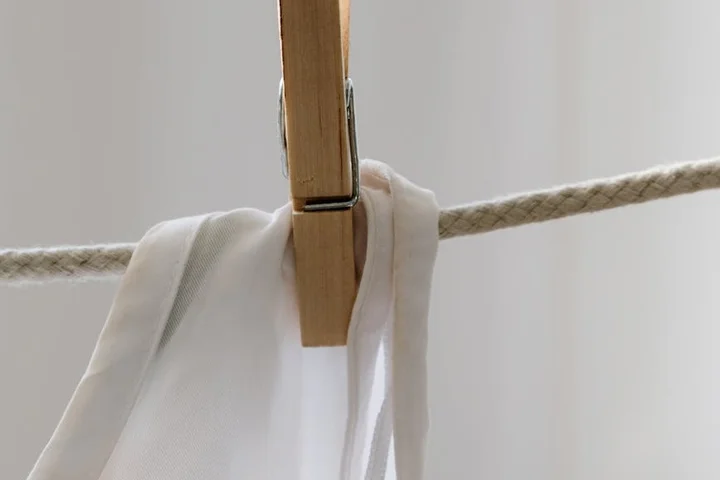
You bet there are specific cycles for kicking out stubborn smells. I use them all the time.
When Jason’s soccer socks come home, they have a life of their own. A regular quick wash just won’t cut it.
Are there specific washing machine cycles or settings for odor removal?
Yes, absolutely. Your machine has secret weapons for this exact job.
Look for the “Heavy-Duty,” “Sanitize,” or “Extra Rinse” options on your dial. They are your best friends for smelly loads.
Why “Heavy-Duty,” “Sanitize,” or “Extra Rinse” cycles are your friends
These cycles work harder and longer. They use more agitation and hotter water to break down the gunk that holds odors.
The sanitize cycle is my go-to for Roger’s hunting clothes. It uses high heat to kill the bacteria causing that damp, sour scent.
An extra rinse cycle is a simple trick my mom Martha taught me; it ensures all soap and odor particles get flushed away.
Without that final rinse, detergent can leave a faint, tacky residue that actually traps smells.
Water temperature matters
Getting the water hot or cold is a critical choice. It depends on what made the smell.
Use warm or hot water for oily smells and bacteria. Heat helps melt oils and destroys odor-causing germs.
Always use cold water for protein-based smells, like sweat or milk, because heat will cook them into the fabric.
I learned this the hard way with a baby onesie of Jessica’s. A warm wash set the sour milk smell permanently.
Stress the importance of NOT overloading the machine
This is the biggest mistake I see. Stuffing the drum full guarantees a bad result.
Clothes need room to tumble and slosh. That movement is what pulls the odors out.
If the load is too tight, water and detergent can’t reach every fiber. You’ll just wash the smells around.
My rule is to never fill the drum more than three-quarters full. For a super smelly load, I give it even more space.
Think of it like Peeta shaking off water in the yard. He needs room to move. Your laundry does too.
When the Smell Won’t Leave: Troubleshooting Persistent Odors
You’ve soaked. You’ve washed. But the smell just shrugs and settles back in. I’ve been there, staring at a pile of my son Jason’s soccer gear. When a bad odor becomes a permanent resident, you need to look beyond the fabric itself.
How to Stop the Smell from Coming Back
The goal isn’t just a one-time fix. It’s to make your laundry routine hostile to odor-causing bacteria and fungi. Think of it as closing the door so the smell can’t walk right back in after you’ve kicked it out. This means targeting the entire laundry system, from your machine to your storage habits.
Your Machine Might Be the Culprit
Think about it. You wash smelly clothes in a sealed, damp box. Residue builds up. I run a clean cycle on my front-loader once a month, without fail. Martha taught me this trick years ago.
- Wipe the rubber door gasket and detergent drawer with a vinegar-water mix.
- Pour two cups of white vinegar directly into the detergent drawer or drum.
- Run the hottest, longest wash cycle you have (with no clothes inside).
If you suspect mold or heavy buildup, use a washing machine cleaner tablet. It’s a simple step most people forget.
You Could Be Using Too Much Detergent
This was my biggest mistake early on. More soap does not mean cleaner clothes. Modern detergents are highly concentrated. Excess soap doesn’t rinse away fully. It leaves a tacky, invisible film on fibers that actually traps odor molecules and bacteria. That film becomes a cozy home for the smells you’re trying to eliminate, and can even cause soap stains on your clothes.
Start by cutting your detergent amount in half. For a high-efficiency (HE) machine, use no more than two tablespoons for a normal load. Your clothes will rinse cleaner, and odors won’t have that sticky layer to cling to.
The Non-Negotiable: Bone-Dry Storage
I learned this the hard way with a load of beach towels. A “mostly dry” towel in a dark laundry basket for two days develops a distinct sour scent. That’s mildew starting its lifecycle, which can be tricky to get rid of.
Always run items like towels, jeans, and sweatshirts through an extra drying cycle if needed. Feel the thickest seams and pockets. If there’s any hint of coolness or dampness, it’s not ready. Storing anything less than 100% dry is an invitation for a mildew party you didn’t authorize.
The Nuclear Option: Laundry Stripping
For items that have a permanent funk-think gym towels, Jason’s baseball pants, or Roger’s hunting base layers-a deep reset is needed. Laundry stripping isn’t a regular wash. It’s a long soak that pulls out deeply embedded oils, minerals, and detergent residue.
Warning: Do not use this on delicate fabrics, wool, silk, or dark colors you fear might fade. It’s best for white and colorfast cotton towels and sheets.
My go-to method in the bathtub is:
- Fill the tub with the hottest water you can get.
- Dissolve 1/4 cup each of: powdered laundry detergent (with enzymes), washing soda (like Arm & Hammer Super Washing Soda), and a borax-based booster (like Borax or Oxiclean).
- Submerge the clean but smelly laundry and let it soak for 4-5 hours, agitating occasionally.
- The water will turn a murky gray or brown. That’s the gunk coming out.
- Drain, wring, and wash the items normally in your machine (without extra detergent).
The difference is startling. It removes that dingy, locked-in odor you thought was permanent.
Smart Habits to Keep Clothes Fresh From the Start
After one too many loads of gym clothes that smelled like a locker room, I realized something. Stopping bad smells before they start is way easier than battling them later.
These simple habits saved me countless headaches. I learned most of them the hard way.
Let Workout Clothes Air Dry Before Tossing in the Hamper
I tell my son Jason this every soccer season. Sweaty clothes balled up in a hamper are a bacteria party. That sour smell you notice? That’s the party aftermath.
I drape his jersey and shorts over a chair or a laundry rack for an hour first. Letting them dry completely stops mildew from ever getting a foothold. The difference is night and day.
Don’t Let Wet Clothes Sit in the Washer
We’ve all done it. You start a load, life happens, and you forget. That damp, musty odor means mildew is already growing.
I set a timer on my phone now. Transfer clothes to the dryer or hang them up within 90 minutes of the wash cycle ending. If you forget, run the load again with a cup of white vinegar before drying.
Clean Your Dryer Lint Trap and Vent Hose Regularly
My husband Roger is great about cleaning the lint trap. But the vent hose? That was a lesson. A clogged vent makes your dryer work harder, trapping moist air and heat against your clothes.
I check the lint trap after every load. Pull the dryer away from the wall and vacuum the vent hose at least once a year. It prevents fires and helps your clothes dry fully and smell clean.
Use Breathable Storage (Canvas Bags, Not Plastic)
My aunt Jessica in Arizona taught me this. She stores off-season clothes in canvas bags, not plastic bins. Plastic traps any lingering moisture and creates a stale, closed-in smell.
Canvas or cotton storage bags let fibers breathe. For long-term storage, I add a mesh bag of baking soda or cedar blocks to absorb odors naturally. It keeps my sweaters smelling like my closet, not a plastic box.
FAQ About Removing Odors from Clothes
What’s a quick natural fix for smelly workout clothes before I wash them?
Spritz the underarms and collars with a 50/50 mix of cheap vodka and water, then let it air dry. The alcohol kills odor-causing bacteria and evaporates without a trace.
My laundry still smells musty after washing. What did I do wrong?
You likely used too much detergent, which leaves a residue that traps smells. Cut your detergent dose in half and always run an extra rinse cycle to ensure everything is flushed out.
How do I get a strong curry or garlic smell out of a delicate blouse?
Soak the garment for an hour in cool water with a cup of white vinegar, then wash as usual on a gentle cycle. This method is often used to tackle yellow stains on white clothes. Always test the vinegar solution on a hidden seam first to check for colorfastness.
Can I use lemon juice instead of vinegar to remove odors?
Yes, the citric acid in lemon juice can neutralize odors effectively. However, it can act as a mild bleach, so only use it on white or colorfast items after doing a spot test.
How can I deodorize a non-washable jacket that smells like smoke?
Seal it in a large plastic bag with an open box of baking soda for 48 hours to absorb the odor. For a deeper clean, take it to a professional cleaner who specializes in odor removal.
Your Blueprint for Lastingly Fresh Laundry
If you remember only one thing, let it be this: odor removal starts before the wash, with a pre-treatment soak in white vinegar or baking soda to neutralize the smell-causing bacteria. I use this on Roger’s hunting clothes and Jessica’s art-smocks every time, and it never fails to work without harsh chemicals. For more step-by-step guides and tales from our intentionally messy home, keep reading right here on the Stain Wiki blog.
Written by Suzanne Rosi Beringer. Suzanne is an accomplished chemist, laundry expert and proud mom. She knows the science and chemistry of stains and has personally deal with all kinds of stains such as oil, grease, food and others. She brings her chemistry knowledge and degree expertise to explain and decode the science of stain removal, along with her decades long experience of stain removal. She has tried almost everything and is an expert on professional and DIY stain removal from clothes, fabric, carpet, leather and any other items dearest to you.