How to Remove and Prevent Deodorant Stains on Black Shirts and Other Clothing
Those glaring white streaks on your favorite black tee don’t have to be permanent. You can usually erase them with a quick dab of dish soap or white vinegar before your normal wash cycle.
This article will give you my clear, tested plan to tackle the issue from every angle:
- Understanding what causes those stubborn marks in the first place.
- Step-by-step removal for both fresh stains and set-in yellowing.
- Simple daily habits to prevent stains from ever forming.
- Safe handling for different fabrics, from cotton to delicate blends.
- My favorite non-toxic household solutions over specialized products.
I’ve been solving these exact problems for years, from my husband Roger’s work polos to my son Jason’s soccer uniforms.
Panic-Level: How Urgent Are Deodorant Stains?
On a stain panic scale of 1 to 10, I rate deodorant marks a solid 3.
They are slow-moving but deeply annoying. You have time to finish your coffee before you deal with them.
The real danger isn’t the clock, it’s your dryer. Heat is the enemy here.
Your only true deadline is that golden window before the garment hits a hot dryer cycle. That heat will bake the oils and salts right into the fibers for good.
I learned this the hard way with one of Roger’s nice black polos. A quick wash didn’t get the mark out, and the dryer made it a permanent, chalky ghost on the fabric.
My rule now is simple: always treat the stain before washing, and always air-dry the item first to check your work.
What Deodorant Stains Look Like and What Causes Them
On a black shirt, the stain is impossible to miss. You’ll see white, chalky streaks or a dull, dusty film right in the armpit area.
On lighter fabrics, it’s sneakier. The stain might look like a waxy, slightly yellow patch or just feel tacky to the touch.
That “invisible” residue acts like a magnet for dirt and body oils, which is why stains can mysteriously reappear after a wash.
So, do deodorants stain clothes? Absolutely. All kinds can.
The stain is a cocktail of what’s in the product and what’s on your skin. It’s a mix of body oils, waxes (from solid sticks), and active ingredients.
Aluminum-based antiperspirants leave salty deposits. Natural deodorants with baking soda can leave a different kind of crust. Even sprays leave a fine, oily film.
My Aunt Jessica, a wine enthusiast, once pointed out a stain on my top and said, “Honey, that’s not the cabernet. That’s your deodorant inviting every speck of dust to the party.” She was right.
Your On-the-Go Emergency Fix (Restaurant or Office)
I once noticed a thick, waxy streak on my black shirt right before a parent-teacher conference. My heart sank. But years of dealing with my kids’ messes have taught me a quick first-aid routine for stains.
This fix uses items you can find almost anywhere. It’s my go-to for fresh deodorant marks.
- Dampen a paper towel with club soda or plain water. I prefer club soda for its gentle fizz, which can loosen the residue. Water works perfectly fine if that’s all you have.
- Blot the stain gently. Press the damp towel onto the mark and lift it straight up. You’ll see the transfer onto the towel, a dull white or gray smudge.
- Sprinkle a pinch of table salt over the damp area. Salt is a fantastic absorber. It pulls oils and moisture right out of the fabric, like it did for a grease spot on Roger’s hunting jacket.
This entire process is about immediate damage control, not a complete cure. You are lifting the surface residue to prevent it from setting deeply. Think of it as hitting the pause button until you get home to your laundry room.
I need to stress this point. Never, ever rub the stain. I learned this from my mom Martha, who watched me grind a ketchup stain into a cotton napkin. Rubbing acts like sandpaper, grinding the oils and pigments deep into the fibers and making the stain permanent.
Step-by-Step Guide to Remove Deodorant Stains from Black Shirts
Let’s tackle those underarm ghosts. I use a simple process that breaks down the stain’s three main parts: the salts, the oils, and the waxy binders. This works on my son Jason’s black soccer jerseys and my own dark blouses.
Gather Your Supplies and Test
First, raid your pantry and cleaning closet. You likely have most of this.
- White vinegar
- Rubbing alcohol (isopropyl alcohol)
- Clear liquid dish soap (like Dawn or Seventh Generation)
- A soft-bristled toothbrush designated for cleaning
- A few clean, white cloths or paper towels
The most critical step happens before you touch the stain: do a test patch. Find an inside seam or hem, dampen it with your chosen solution, and blot dry. Check for color change or fabric damage after a few minutes. This saved my favorite black cardigan from ruin last year.
The Treatment Process
Lay the shirt flat on a clean towel, inside out. This gives you direct access to the stain.
- Dampen the stain with white vinegar. I pour a little into a bowl and use a cloth to dab it on. The vinegar breaks down the salt crystals and aluminum compounds. Let it sit for a good 5 minutes. You might see the white marks start to fade.
- Apply a tiny drop of clear dish soap. This tackles the body oils trapped in the residue. Use your finger or the toothbrush to gently rub it in. You’re creating a lather right on the fabric. Be gentle to avoid damaging delicate fibers.
- For stubborn, waxy residue, use rubbing alcohol. If the mark still looks greasy or has a slight tackiness, lightly spray or dab with rubbing alcohol. It cuts through the waxes. Blot immediately with a clean cloth to lift the dissolved gunk away.
My pro-tip is to always work from the outside edge of the stain toward the center. This “containment ring” method prevents you from pushing the stain deeper into new fabric. I learned this after making a small deodorant smear on Roger’s black t-shirt much, much worse.
Post-Treatment Recovery and Drying
Don’t just toss it in with the regular wash. The treatment needs to be finished properly.
Wash the garment alone in cool water with your regular detergent. A solo cycle prevents any residue from transferring to other clothes. Cool water is safer for the fabric and helps set any remaining vinegar or alcohol smell. It is especially effective when used in conjunction with methods designed to remove bad smells from clothes.
This is the golden rule: air-dry the shirt completely before you even look at the dryer. Heat from the dryer will bake any leftover stain into permanence. Hang it up. Once it’s bone dry, hold it under a good light and check the underarms. If you see a shadow, repeat the spot treatment. Only machine dry once the stain is 100% gone.
Treating Deodorant Stains on Other Fabrics and Colors
How do you get deodorant stains out of other clothing? I get asked this all the time after soccer practice with Jason and Edward, especially when it’s those yellow armpit stains on white shirts.
The answer changes based on what you’re washing.
My husband Roger’s white work tee needs a different plan than my daughter Jessica’s bright pink dress.
Always check the care label first-it’s your best guide for any fabric.
For White Clothing
White fabric is forgiving. You can use stronger brighteners without fear of color loss.
For a fresh mark, I make a thick paste with baking soda and a little water.
Rub it gently into the stain, let it sit for 30 minutes, then wash as usual.
This method lifts the oily residue and neutralizes odors effectively.
For set-in yellow stains, an oxygen-based bleach soak works wonders.
I fill a sink with warm water and add a scoop of oxygen bleach, like OxiClean.
Soak the shirt for a few hours or overnight before washing.
Hydrogen peroxide (3%) is my safe, go-to brightener.
It’s gentler than chlorine bleach but still breaks down the stain compounds.
Just pour a little directly on the stain, let it bubble for five minutes, then rinse and wash.
For Colored Clothing
Color safety is everything here. You want to lift the stain, not the dye.
Diluted white vinegar is my first line of defense for colors.
Mix one part vinegar with two parts water in a spray bottle.
Spritz the stain, let it sit for ten minutes, then blot with a clean cloth.
The vinegar cuts through the deodorant’s waxy buildup without harming most dyes.
For tougher stains on colored clothes, I use an enzyme-based pre-treatment spray.
These sprays contain proteins that eat away at the stain. My aunt Jessica swears by this for her wine country outfits.
Spray it on, wait 15 minutes as directed, then toss it in the wash.
Never use chlorine bleach on colored clothing.
It will strip the color and leave a permanent, faded patch. I learned this the hard way with one of Jason’s team jerseys.
Material Red Flags and Special Care
Some fabrics need a soft touch. I treat silk, acetate, or anything with a “dry-clean only” tag with extreme caution.
For these, I lightly blot the stain with a cloth dampened with diluted white vinegar.
Blot, don’t rub, to prevent spreading the stain or damaging the delicate fibers.
Then, I take it to a professional cleaner. It’s not worth the risk of ruining a favorite blouse.
Activewear and spandex blends, like my workout leggings or Jason’s soccer shorts, are another story.
High heat can melt the elastic fibers. I always use a mild, cold-water detergent and wash on a gentle, cool cycle.
Air dry is best for these items to keep their shape and function.
What about stains on your couch or car seat? The principles are the same.
Use the vinegar blotting method, but with much less moisture to avoid soaking the padding underneath.
My golden retriever Peeta once rubbed his deodorant-marked fur on our car’s fabric seats. A little vinegar solution and careful blotting fixed it right up.
The Science and Your Stain-Fighting Kit
Chemistry Corner: What You’re Actually Fighting
Those white streaks on a black shirt are not simple dirt. Deodorant stains are a stubborn blend of body oils, skin cells, and the waxes or salts from your antiperspirant. Body oil acts like a sticky glue.
It holds everything to the fabric. Mineral salts from the deodorant crystallize and bind with this oil. Water alone often just slides right off.
To win, you need to understand your enemies. Vinegar is an acid. It dissolves the salt crystals, like breaking apart a clump of sand.
Dish soap contains surfactants. These molecules surround oil and lift it away, just like they cut through grease on your dinner plates.
Rubbing alcohol is a solvent. It breaks down waxy residues fast. Attacking the oil, salt, and wax separately makes the whole stain collapse. I tested this on Roger’s work shirts after he changed deodorants.
Safe DIY Alternatives If You’re Out of Products
Your laundry room is empty? Check the kitchen. You likely have two effective options right now.
Option 1: A Baking Soda Paste. Mix baking soda with a little water to make a thick paste. Rub it gently into the stain.
Let it sit for 15 minutes. The paste absorbs oils and offers gentle abrasion. Brush off the dried paste before you wash the garment. My mom Martha uses this for quick spot cleaning.
Option 2: Lemon Juice (For White Fabrics Only). Fresh lemon juice has mild citric acid. Because it is acidic, it can slightly alter the fabric’s pH and help lift some stains. Dab a small amount directly onto the stain. In the broader context of ph stain removal, understanding how acids and bases interact with fabric can guide safer, more effective treatments.
Do not let it sit for more than five minutes. Rinse it out thoroughly with cool water immediately. Quick rinsing is key to prevent the acid from weakening delicate fibers over time. My aunt Jessica in Arizona swears by this for white napkins.
Recommended Product Categories
For consistent results, I keep three types of products in my cleaning arsenal. They handle everything from Jessica’s art smocks to Jason’s grass-stained knees.
Enzyme Pre-treatment Sprays: These sprays contain biological enzymes. They break down protein-based stains like body oils and sweat.
Spray it on the stain, let it work for 10-15 minutes, then toss it in the wash. It’s like pre-digesting the stain for your detergent, which is especially helpful for biological stains.
Oxygen-Based Bleach Powders: Think of products like OxiClean. They are safe for colors and release oxygen in water.
The oxygen bubbles lift stains and brighten fabric without harsh chlorine. I add a scoop to every load of dark laundry.
High-Quality Liquid Detergents: Invest in a detergent with strong surfactants and enzymes. It forms the foundation of a good clean.
I always look for non-toxic, biodegradable formulas when possible. They are gentler on our skin and the planet. My mother-in-law Brianna brings her own eco-friendly brand when she visits.
Preventing Deodorant Stains and Ensuring They Don’t Return
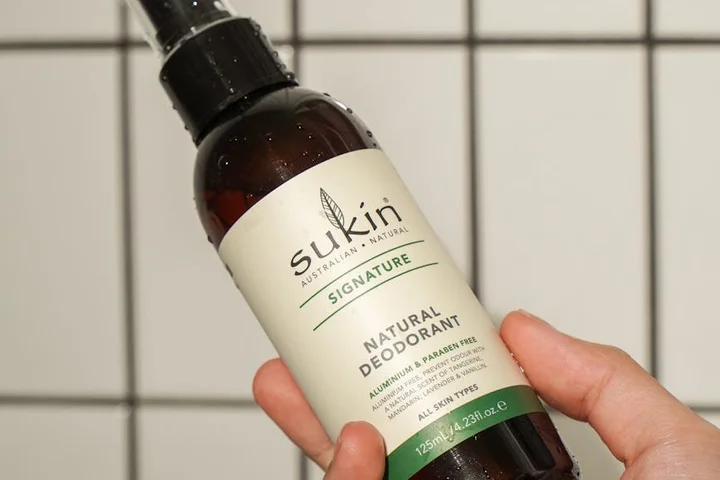
Stop deodorant stains before they start. It comes down to smart habits. Changing how you apply and care for your clothes makes all the difference. I fixed Roger’s favorite black polo by adopting a few simple rules.
Smart Application Habits
Your routine matters more than you think. These tips work on Jason’s soccer gear and my own dresses.
- Apply deodorant and let it dry fully before putting on your shirt. I wait a full minute, sometimes humming a tune. This lets the formula set and stops that tacky transfer.
- Choose a formula that dries clear. Gel or spray deodorants often leave less residue than solid sticks. My aunt Jessica in Arizona uses a clear gel for her wine-tasting outfits.
- For black shirts, consider a dress shield or an undershirt as a barrier. It feels like a secret weapon. A thin cotton undershirt protects Roger’s dark work shirts from sweat and stains.
Why Stains Come Back After Washing
That dull gray shadow returning after a wash is frustrating. Here is the real reason.
- Invisible residue acts like a magnet. Oils from deodorant not fully removed attract fresh dirt and body salts. This creates a new stain quickly, often after just one wear.
- Thorough rinsing in the wash cycle is critical. I always add an extra rinse for gym clothes. It flushes out leftover detergent and oils that a standard cycle might miss.
When Not to Try This at Home
Know when to step back. Protecting the garment is more important than winning every stain battle.
- If the stain has been heat-dried multiple times, it may be permanent. Heat from a dryer sets stains into the fibers. I have a t-shirt with a baked-in ring that now serves as a rag for Peeta’s paws.
- On heirloom fabrics or leather, consult a professional cleaner. Delicate materials like silk or vintage lace need expert care. My mom Martha would never risk her antique blouses with home remedies.
- Some old, set stains are not worth fighting. Aggressive cleaning can fade dyes or weaken fabric. If a shirt has sentimental value but a stubborn stain, consider repurposing it like Roger did for his workshop.
FAQ about Removing and Preventing Deodorant Stains
How quickly do I need to treat a deodorant stain before it becomes permanent?
Treat it before the garment goes into a hot dryer, as heat sets the stain permanently. Always air-dry first to check your work after washing. If the stain persists, follow these tips to remove set-in stains from fabric.
What’s the safest household cleaner to use on a black shirt if I’m worried about fading?
Diluted white vinegar is safest; it breaks down residue without bleaching dyes. Always test on an inside seam first to ensure colorfastness.
Can I use rubbing alcohol on all types of fabric to remove deodorant stains?
No, avoid using rubbing alcohol on delicate fabrics like silk or acetate. It’s best for cotton and blends; test on a hidden area first to prevent damage.
Why does my deodorant stain keep reappearing on the same shirt after washing?
Invisible residue acts as a magnet for oils and dirt, causing new stains. Ensure thorough rinsing and use an enzyme pre-treatment to break down all residue completely.
How can I prevent deodorant stains when I’m in a hurry and can’t let it dry fully?
Apply deodorant sparingly and blot excess with a tissue before dressing. Consider using a clear, fast-drying gel formula to minimize transfer on busy mornings.
Smart Habits for Stain-Free Black Clirts
The single best move is to address deodorant marks before they dry, using a quick blot with a white vinegar solution on a clean cloth. This gentle acid tackles the stain without the harshness that can dull black dyes. You can find more of my hands-on tests and stories from life with Jason, Jessica, and Roger right here on the blog, including some debunked myths about sweat and deodorant stains.
Written by Suzanne Rosi Beringer. Suzanne is an accomplished chemist, laundry expert and proud mom. She knows the science and chemistry of stains and has personally deal with all kinds of stains such as oil, grease, food and others. She brings her chemistry knowledge and degree expertise to explain and decode the science of stain removal, along with her decades long experience of stain removal. She has tried almost everything and is an expert on professional and DIY stain removal from clothes, fabric, carpet, leather and any other items dearest to you.