How to Get Rid of Mildew Smell in Car Interior and Carpet?
That stubborn mildew smell in your car feels overwhelming, but don’t worry. A deep clean with vinegar, baking soda, and good airflow will eliminate the odor at its source.
This article breaks it down into simple steps. Here’s what we’ll cover:
- How to find the exact source of the mildew, not just mask the smell.
- My favorite safe, non-toxic cleaning solutions for fabric and plastic.
- A detailed cleaning process for carpets and upholstery.
- Smart habits to prevent the smell from ever returning.
I’ve tested these methods on everything from my son Jason’s soggy soccer bags to my aunt Jessica’s wine-spilled car mats.
First, Figure Out What’s Causing That Musty Car Smell
That sour, earthy smell in your car is a message. Moisture is trapped somewhere dark, and microbes are growing. They release that musty odor we call mildew.
What causes mildew smell in car interior? It’s always a mix of wetness and poor air flow. Think about the last time your car’s interior got damp. For my family, it’s often after Jason’s soccer games. His gear soaks the mats. Or when little Jessica “forgets” a cup of milk under her seat.
Common culprits are easy to miss:
- Wet floor mats from rainy days or sweaty gym bags.
- A forgotten sippy cup or sports bottle rolling under a seat.
- A leaky sunroof or window seal, which my husband Roger found in his truck.
- High humidity, especially if you live in a muggy area like my mom Martha does.
Finding the exact source of the dampness is your non-negotiable first step. You can’t beat the smell if you don’t stop the water. I once tore apart my car looking for the source. It was a single, soggy sock from Jason’s buddy Edward, wedged deep under the passenger seat. The smell faded fast once I removed it and dried the spot.
Your Immediate Action Plan: Stop the Smell from Getting Worse
When you first sniff that musty odor, time is your enemy. I use a “Panic-Level Assessment” for stains and smells. For a fresh mildew smell, I give it a 7 out of 10. The golden window to act is as soon as you smell it. Delay lets the smell set up camp.
Follow this first-aid plan immediately:
- Pull out all floor mats and any loose fabric. Take them outside. Hose them down if they’re dirty. Prop them against a wall so air can hit all sides.
- Vacuum every square inch thoroughly. Use your vacuum’s crevice tool. Get under the seats, along the edges. You’re sucking up spores and grit that hold moisture.
- Get air moving through the car right away. Roll down all windows. If you can, point a box fan into the cabin for a few hours. A small dehumidifier works wonders too. My aunt Jessica in Arizona keeps one in her classic car to prevent this very problem.
How to dry car carpet to prevent mildew? It’s about gentle removal and airflow. After vacuuming, press clean, dry towels firmly into any damp patches you feel. Soak up that water. Then, keep the air circulating with fans. Patience is key.
Critical Warnings You Must Follow
Never use a hair dryer, space heater, or park in hot sun with windows up to dry the carpet. Direct heat bakes the moisture and odor into the fibers. It makes the smell permanent.
Never mix cleaning chemicals like bleach and vinegar in an enclosed space. This creates toxic gas. Always use one safe product at a time, like a diluted white vinegar spray, and ensure the car is well-ventilated.
The Deep Clean: How to Get Mildew Out of Car Carpet for Good
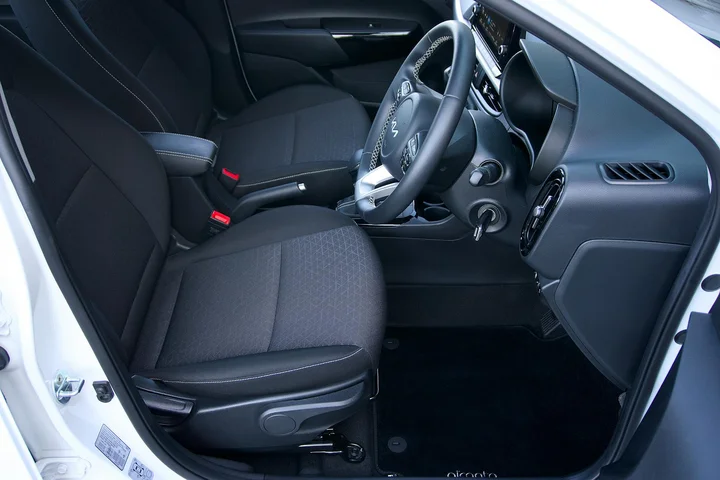
You cannot just cover this smell. You must get into the fibers and remove the source. Think of it like cleaning a spilled smoothie from a shirt. If you don’t get it all, it will sour. I tackle this job by starting with the easiest methods and working up to the big guns.
How to Use Baking Soda for Mildew Smell in Car
This is my first stop for any funky odor. After a rainy soccer season with Jason and Edward, my car’s floor mats had a damp, musty funk. Baking soda saved the day.
Here is exactly what I do:
- Vacuum the area thoroughly to remove loose dirt.
- Liberally sprinkle a thin, even layer of plain baking soda over the dry carpet. Cover the entire smelly area and a bit beyond.
- Let it sit. Overnight is ideal. I left it in my car for a full 24 hours once when the smell was stubborn.
- Vacuum it all up with a strong vacuum. You may need to go over it a few times.
The magic here is in the wait time; letting it sit allows the baking soda to pull odors straight out of the fabric.
Chemistry Corner: Baking soda is sodium bicarbonate, a mild alkali. It works by absorbing odor molecules and neutralizing the acids that often cause bad smells. It’s a physical and chemical deodorizer, but it’s not a miracle solution for all odors.
How to Use Vinegar for Mildew Smell in Car
If the baking soda lifted some smell but the funk remains, vinegar is your next best friend from the pantry. My Aunt Jessica, a wine enthusiast, taught me this trick for accidental spills.
Mix a simple solution:
- 1 part plain white distilled vinegar
- 1 part cool water in a spray bottle
Shake it gently to mix.
- Test the spray on a hidden spot of carpet to check for colorfastness.
- Spray the vinegar solution lightly onto the mildew-smelling area. Do not soak it.
- Let it sit for 10-15 minutes. The vinegar smell will be strong but temporary.
- Blot the area firmly with a clean, dry microfiber towel to absorb the liquid.
- Air dry completely. Roll down the windows or use a fan. This step is critical.
The temporary sharp smell of vinegar is worth it, as it breaks down what baking soda can’t lift. In the baking soda vs vinegar odor wars, readers weigh how each method handles different smells. This blend of approaches helps you choose the right tool for the job.
Chemistry Corner: The acetic acid in vinegar is a mild disinfectant. It kills mold and mildew spores on contact and breaks apart the volatile compounds that create the musty odor.
Shampooing the Carpets: Your Power Move
When home remedies aren’t enough, it’s time for a deep wash. I use my home carpet shampooer for this, and the waste water is always an eye-opener.
You have two great cleaner options:
- Homemade: A few drops of clear dish soap (like Dawn) and a tablespoon of white vinegar in the shampooer’s clean water tank.
- Commercial: An enzymatic odor remover made for cars. These contain bacteria that eat odor-causing organic matter. I keep a bottle of Meguiar’s Whole Car Air Re-Fresher for this job.
If you don’t have a machine, use a stiff-bristled brush and a wet-dry vacuum. Work the cleaner into the carpet in small sections, then immediately suck the dirty water out.
Your absolute, non-negotiable final step is complete drying. Leave windows down on a sunny, breezy day, or use fans pointed at the floorboards for hours. Trapped moisture is how you got here. Do not let it happen again.
The Surface Compatibility Chart: Treating Your Whole Interior
Mildew smell does not stay in the carpet. Use this guide to clean every surface safely.
When to Call a Pro for Professional Cleaning
There is no shame in calling for backup. After a major spill or if you see visible mold, a professional detailer has tools you don’t.
You should call a pro if:
- The smell is in the air conditioning vents (the HVAC system is infected).
- Your car suffered severe flooding or water damage.
- You’ve done all the DIY steps twice and the smell snaps back.
A professional might use a high-powered hot water extractor, an ozone generator to annihilate odors at the molecular level, or steam clean the entire interior. These approaches are common in car interior odor removal. The goal is to refresh the cabin and neutralize lingering smells.
This can cost between $150 and $300, but it is often the fastest investment for your peace of mind and your car’s health.
How to Prevent Mildew Smell in Your Car for the Long Haul
Prevention is about building smart habits. It is easier than curing the smell later.
- Invest in heavy-duty all-weather floor mats (like WeatherTech). They contain spills and wet shoes. I hose mine off monthly.
- After hauling wet gear, beach towels, or a muddy dog, leave the windows cracked open for an hour if it’s safe to do so. Airflow is key.
- Check for leaks. If your floor is damp after rain, find the sealant issue in a door or window.
- In humid seasons, toss a few silica gel desiccant packs under the seats. They silently absorb ambient moisture.
My personal family rule is simple: No wet item stays in the car overnight. Not a swimsuit, a soccer jersey, or a towel used to clean up after Peeta. Moisture left in a dark space is an invitation for mildew to move in.
FAQ About Removing Mildew Smell from Your Car
1. How long should I let my car air out after cleaning to prevent the smell from returning?
Ensure the interior is completely bone-dry, which can take 24-48 hours with fans and windows down. Rushing this step is the most common reason DIY cleaning fails and the odor returns.
2. What’s the difference between a surface mildew smell and a deep-seated one?
A surface smell often comes from damp items on the carpet and may lift with baking soda. A deep-seated smell indicates moisture trapped in the padding or under-seats, requiring extraction cleaning or professional help.
3. Is it safe to use vinegar on all my car’s interior fabrics?
Always test on a hidden area first, as vinegar can affect some dyes. For delicate or non-colorfast fabrics, opt for a commercial enzymatic cleaner instead to avoid any risk of discoloration. To tackle dye stains more specifically, refer to the remove dye stains from clothes guide for step-by-step methods. It provides fabric-specific tips.
4. What’s the best product to use if home remedies don’t work?
Use an enzymatic odor eliminator designed for cars; it uses bacteria to consume odor sources. Bio enzymatic cleaners for odor elimination break down the odor-causing compounds at their source, offering a safer, longer-lasting option. For severe cases, a professional-grade ozone treatment is the most effective solution.
5. What’s the one daily habit that best prevents mildew smell?
Never leave wet items (gym clothes, towels, umbrellas) in the car overnight. Consistent moisture in a dark space is the primary cause of mildew growth and the resulting odor.
Keeping Your Car Smelling Fresh
The single most important step is to ensure the cleaned area is bone-dry. No cleaner, no matter how strong, can win against a damp environment where mildew can regrow. I check my work with a careful hand-feel test, making sure no cool, damp spots are hiding.
For more trusted tips on tackling tough smells and stains, follow along right here on the blog. We test methods so you can clean with confidence.
Written by Suzanne Rosi Beringer. Suzanne is an accomplished chemist, laundry expert and proud mom. She knows the science and chemistry of stains and has personally deal with all kinds of stains such as oil, grease, food and others. She brings her chemistry knowledge and degree expertise to explain and decode the science of stain removal, along with her decades long experience of stain removal. She has tried almost everything and is an expert on professional and DIY stain removal from clothes, fabric, carpet, leather and any other items dearest to you.