How Did Tide and Shout Become Stain Removal Giants?
Feeling confused by the laundry aisle? Learning how Tide and Shout evolved turns product history into a practical guide for beating any stain.
We’ll walk through their key milestones together:
- Tide’s rise as the first synthetic detergent that truly tackled grime.
- Shout’s genius shift to pre-treating stains before the wash.
- The clever marketing that made these brands family trusted names.
- How their innovations shape the safe, effective cleaners we use today.
I’ve used these products for years, cleaning up after my son Jason’s soccer kits and my daughter Jessica’s creative messes.
Panic-Level Assessment & Surface Guide
Let’s get one thing straight right now. This is a history lesson, not a fresh stain crisis. You don’t need to race for a cloth or worry about a golden treatment window.
The panic level is a solid 1 out of 10. We’re just looking back at what built the trusty arsenal under your sink.
Where do these innovations matter? The game-changing products we’ll discuss apply to nearly every surface you battle stains on.
- Clothing: From Jason’s grass-stained soccer shorts to a delicate blouse.
- Carpet & Upholstery: Think of Peeta’s muddy adventures on the living room rug.
- Car Interiors: Jessica’s juice box explosions in the backseat come to mind.
- Driveways: Roger’s occasional oil drip from his hunting gear.
I’ll make sure to note when a product specifically changed the rules for one of these materials.
Before the Big Brands: What Did My Grandma Use?
Before brightly labeled bottles, we used what was on hand. Homemade pastes were the go-to for tackling a fresh mark.
My mom, Martha, would make a simple paste from crushed chalk and a little water for ink. It dried into a crumbly, white shell on the fabric. That era showed me that some stains are among the toughest to tackle. Ink, grease, and wine were at the top of the list. Salt rubbed into a damp wine spot or lemon juice dabbed on rust were other pantry staples.
Laundry day meant wrestling with heavy, harsh soaps. These soaps, often lye-based, could fade colors and leave fabrics feeling stiff and rough. My aunt Jessica once told me how a favorite dress never felt the same after a wash with strong bar soap.
Colors weren’t safe, and neither were your hands. It was a brute-force approach that often damaged what you were trying to save.
Martha had a gentler trick for whites. She taught me to use sunlight as a natural bleach for stains on cotton linens. She’d lay a stained tablecloth on the bright North Texas grass, and over an afternoon, the stain would fade.
It worked, but only on sunny days and only on certain fabrics. You were at the mercy of the weather.
This was the daily reality. Cleaning was a slow, unpredictable, and often damaging process, which is exactly why people were ready for a simpler solution. The market was ripe for something you could just pour and trust.
Tide’s First Wave: What Made It a Revolution?
Before Tide, laundry was a battle. You had soap flakes and a washboard. I learned this from my mom, Martha. She remembers the dull, greyed clothes and the waxy film soap could leave in hard water. That struggle helps explain the arc of soap detergents in laundry history. From soap flakes to modern detergents, innovations changed how clothes got clean.
Tide changed the fight in 1946. Its first big innovation was being a synthetic detergent, not a soap.
Synthetic detergents worked in any water, hot or cold, hard or soft, without leaving that awful scum. This alone was a massive upgrade for millions of households.
The second revolution was inside the box. Tide packed its powder with powerful built-in helpers.
How Tide’s Marketing Made It a Kitchen Staple
Tide didn’t just sell soap. It sold a result you could trust. Their marketing was genius in its simplicity.
They used live “Tide Test” demonstrations. A spokesperson would show two dirty shirts. One washed in a competitor’s product, one in Tide. The Tide shirt always looked brighter.
This visual proof built a powerful message: Tide gets clothes cleaner, and you can believe what you see. They marketed directly to the home manager as a scientific ally against dirt.
My Aunt Jessica remembers her mom calling Tide “that new scientist soap.” It wasn’t a chore anymore. It was smart home care. That strategy cemented its place under the sink and made “Tide” synonymous with laundry itself. It was a real turning point in the history of laundry detergents.
Shout’s Entry: Why Did We Need a Stain Pretreater?
Even with great detergent, some stains needed extra help. I think of Jessica’s spaghetti disaster last Tuesday. The tomato sauce hit her white shirt like a bullseye.
In the 1970s, Shout looked at that problem and asked a different question. What if we attack the stain *before* it ever sees the washing machine? It went against the laundry myths that said treating stains pre-wash was ineffective.
Shout’s core idea was pretreatment, a direct strike on the stain at its source. It used oxidizing agents, a gentler alternative to chlorine bleach that could break down stains like grass, wine, and spaghetti sauce without harming most colors.
Then there was the bottle. The iconic trigger spray changed everything psychologically. Grabbing that bottle felt like taking direct, targeted action against the enemy stain. It gave you control.
The Pretreat Ritual: How Shout Changed Our Laundry Routine
Shout created a new laundry ritual that’s now universal. You know it: spray, wait, wash.
- Spray the stain until it’s thoroughly wet.
- Wait 5-10 minutes for the formula to penetrate.
- Wash as normal.
Before this, the method was often harsh scrubbing with a bar of soap or rubbing detergent in. That could fray fibers and grind the stain deeper – a common mistake in stain removal.
Shout’s spray-and-wait method was safer for fabrics, from my husband Roger’s work cottons to delicate synthetics. It offered a color-safe solution for the growing variety of fabrics in our closets. It turned a moment of panic into a simple, effective three-step fix.
The Rivalry That Sparked Your Cleaning Cabinet

Imagine your laundry room in the 1970s. You had one choice for soap, maybe two. Then a new voice, Shout, showed up and directly challenged the giant, Tide. This wasn’t just marketing. It was a race to solve your worst stains.
That direct competition forced both companies to listen to us, the people scrubbing grass out of soccer shorts. Tide couldn’t just be soap anymore. They started packing their powder with built-in stain-fighting boosters. Shout saw a different need. They created the gooey gel in a bottle and the stick you could rub right on a stain before tossing it in the hamper.
The Formula Arms Race
This battle became a science project in your washing machine. Each brand needed a smarter weapon.
- Enzymes: Like little Pac-Men that eat protein-based stains (blood, grass, chocolate).
- Polymers: These act like sticky nets, grabbing dirt and holding it in the water so it doesn’t redeposit on your clothes.
- Oxygen Bleaches: A color-safe way to break down and brighten stains without the harshness of chlorine.
My mom, Martha, remembers when detergents just made suds. Now, they perform chemistry.
My own cabinet is proof this rivalry worked for all of us. I use Tide Pods for my family’s everyday loads. They’re simple and reliable. But I always keep a bright orange Shout bottle on the shelf. When Edward tracks in mud or Jessica gets berry juice on her shirt, I grab the Shout for a direct pre-treatment. I didn’t have to pick one. The fight for my loyalty gave me the perfect tools for both jobs.
From Cotton to Microfiber: How Our Stuff Changed the Formulas
Our grandparents washed cotton sheets and denim overalls. Today, my son’s soccer jersey is a technical blend. My couch is microfiber. Our cars have seats made from impossible fabrics. The stains changed, and so did the cleaners.
The simple, powerful soaps of the past could ruin these new materials. They needed to evolve.
A Timeline of Fabric and Formula Change
1970s-80s: The Cotton Era. Detergents were strong, often with optical brighteners to make whites “glow.” Hot water was the standard.
1990s-2000s: The Synthetic Boom. Polyester, rayon, and delicate blends entered every closet. Brands like Tide responded with “cold water” formulas and “color-safe” claims to prevent fading and damage.
2010s-Today: The Performance Age. Gym clothes (Lycra, spandex), moisture-wicking fabrics, and durable micro-suede upholstery. These materials hold body oils and need special care. We got detergents for “activewear” and “high-efficiency” machines.
This evolution means we now have the right tool for the weirdest jobs. I learned this cleaning peanut butter out of my car’s cloth seat. Peanut butter is oily and protein-based. An old-school cleaner might have left a greasy ring or faded the color.
I used a modern upholstery spray. It had enzymes for the protein and surfactants to lift the oil, all in a gentle, low-moisture formula safe for car interiors. It felt like using a Shout gel’s targeting power with Tide’s multi-enzyme intelligence. That hybrid approach exists because our stuff got more complicated.
My aunt Jessica, a red wine enthusiast, swears by modern color-safe oxidizers. They work on her delicate blouses in a way 1980s bleach never could. The brands had to keep up with our lives, from the soccer field to the wine tasting. That practical know-how comes in handy when a spill happens—removing red wine stains from clothing without harsh scrubbing. It’s all about quick pre-treatments and the right oxidizers.
Modern Stain Removal: What’s in Your Arsenal Now?
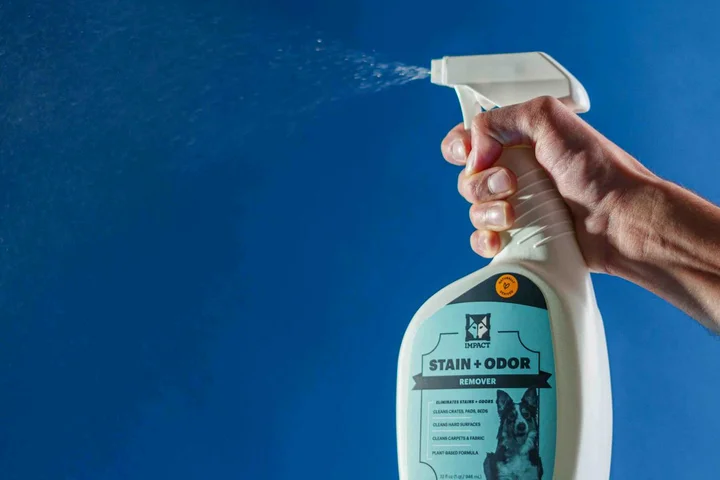
Today, your cleaning cupboard is a map of that brand evolution. You have your core detergents, the descendants of Tide’s world. They’re for overall cleaning in the wash.
Then you have your pretreatment sprays, living in Shout’s world. They’re your targeted first responders for grease or berry juice.
All-purpose cleaners sit alongside them. They’re the versatile players for countertops, car interiors, and pre-treating some stains on durable fabrics.
The DIY Power of Oxygen
Brands like Shout helped popularize oxygen-based cleaning. That legacy lives on in generic “oxy” cleaners and your bottle of hydrogen peroxide.
I keep a big tub of oxygen cleaner powder and a brown bottle of 3% hydrogen peroxide. They are my DIY pillars. The powder tackles laundry and pre-soaks. The peroxide is my go-to for fresh, light-safe stains on white cottons.
These are inspired by the core ideas those big brands built, but they give you flexible, affordable control.
The Logic That Never Gets Old
The tools have fancy new scents and ergonomic sprayers. But the basic logic is the same as it was decades ago.
Blot up the mess. Treat it based on what it is (grease, dye, protein). Then wash it with a quality detergent. That’s it.
The fundamentals of stain removal haven’t changed because chemistry and fabric care haven’t changed. We just have more specialized helpers now.
A Non-Negotiable Safety Step
Modern formulas are strong. You must test them first.
I learned this the hard way with a “magic” upholstery cleaner on my car’s interior. It left a faint, sad ring on the passenger seat. Now, I always dab a bit in a hidden seam first.
Always, always do a test patch in a hidden area first, especially on carpets, delicate fabrics, and car interiors. Wait for it to dry completely. If there’s no color change or damage, you’re clear to proceed.
My Go-To System for a Surprise Stain
When a new stain appears, I don’t panic. I follow the system those old brands helped create. Here’s exactly what I do, building on the evolution of stain removal techniques.
Last week, Edward was over for a playdate. He knocked over a cup of grape juice onto my light beige sofa cushion. A sticky purple puddle appeared.
- Blot with a clean, dry towel. I pressed down hard to soak up every drop of free liquid I could. I did not rub.
- Spray with my DIY oxygen mix. I keep a spray bottle with dissolved oxygen cleaner for this. It’s the Shout pretreatment concept, homemade. I misted the stain lightly.
- Gently dab with a damp cloth. I used a microfiber cloth to work the solution in, lifting the dye from the fabric fibers.
- Clean the area with a damp cloth and a drop of mild detergent. This is the Tide world. I added a tiny dot of clear dish soap to a cloth rinsed in warm water and wiped the area to remove any cleaning residue.
- Dry thoroughly with a fan. I set up a small fan to blow on the cushion. A damp cushion can attract dirt or mildew.
The cushion looked good as new by the next morning. The system worked.
Understanding this history doesn’t just teach you about brands; it makes you a smarter, calmer stain remover today. You see a stain and you know the playbook. You know whether to reach for the detergent, the pretreater, or your trusty bottle of peroxide. That confidence is the real prize.
FAQ about Using Tide and Shout for Stain Removal
How do I use a detergent with built-in stain fighters for best results on an old stain?
For an old stain, create a soaking solution with a scoop of Tide powder and warm water for 30 minutes before washing. This lets its enzymes and polymers penetrate and lift the set-in grime effectively.
Is pre-treating with a spray always necessary, or can I use something from my pantry?
While a spray like Shout is ideal, for a fresh grease stain, dab on a paste of dish soap and baking soda as a quick alternative. Rinse thoroughly after 5 minutes to avoid residue on the fabric, especially when trying to remove grease stains from clothes.
What makes a detergent like Tide a safe first try for most laundry stains?
Tide’s formula is designed to work in all water temperatures and is generally safe for colors and common fabrics. Always check the garment’s care label and do a spot test in a hidden seam if you’re unsure about colorfastness.
Can I use the same stain remover on my cotton shirt and my polyester gym shorts?
No, for technical fabrics like athletic wear, use a color-safe, enzyme-based pre-treater to avoid damage. On sturdy cotton, a detergent with oxygen bleach is more effective, but always apply any product gently to prevent wear.
If a stain persists after washing with detergent, what should I do next?
Re-treat the area with a concentrated gel like Shout Stick and wash again in the hottest water the fabric allows. Do not put the item in the dryer until the stain is gone, as heat will permanently set it. This is especially important when dealing with delicate fabrics or outerwear.
Applying Brand Lessons to Your Laundry Routine
The single most important takeaway is to let the stain type guide your product choice, using enzyme-based cleaners for organic messes and oxygen activators for dyes, just as the pioneers intended. I rely on this every week, from Peeta’s muddy paw prints to a red wine splash courtesy of Aunt Jessica. For more trusted methods that respect your fabrics, follow along right here on Stain Wiki.
Written by Suzanne Rosi Beringer. Suzanne is an accomplished chemist, laundry expert and proud mom. She knows the science and chemistry of stains and has personally deal with all kinds of stains such as oil, grease, food and others. She brings her chemistry knowledge and degree expertise to explain and decode the science of stain removal, along with her decades long experience of stain removal. She has tried almost everything and is an expert on professional and DIY stain removal from clothes, fabric, carpet, leather and any other items dearest to you.