OxiClean or Hydrogen Peroxide: Which is Safer for Your Stains?
Worried about damaging your favorite shirt or irritating skin while cleaning? For most fabric stains, OxiClean is the safer bet, but for direct skin contact, a properly diluted hydrogen peroxide solution is often gentler.
Here’s what I’ll cover to help you choose confidently:
- How each product tackles stains differently, from Jason’s grass marks to Aunt Jessica’s wine spills.
- The specific fabrics and surfaces where one clearly outperforms the other.
- Crucial safety steps to protect both your skin and your materials.
- My hands-on tests with common household messes.
- Simple, effective routines for each product.
I’ve tested these methods for years on everything from Peeta’s muddy paws to Roger’s work stains, so you get real, practical advice.
The Quick Answer: When to Grab OxiClean, When to Grab the Brown Bottle
Follow this simple rule. Grab OxiClean for laundry loads and tough, set-in stains on fabrics. Reach for the brown bottle of hydrogen peroxide for fresh spills on skin or light-colored surfaces.
When Jason comes in with grass-stained soccer socks, I grab the OxiClean. For a fresh berry juice spot on Jessica’s shirt, I dab on hydrogen peroxide right away.
Both products are oxidizers, but OxiClean is a gentle, formulated mix while hydrogen peroxide is a raw chemical you must use with caution.
What You’re Actually Working With: A Simple Breakdown
Let’s talk about what these are without a science degree. Hydrogen peroxide is a simple chemical liquid. OxiClean is a smart product that uses that chemistry in a safer way.
The main active ingredient in hydrogen peroxide is hydrogen peroxide. In OxiClean, it’s sodium percarbonate. This powder breaks down into hydrogen peroxide and soda ash when wet.
My aunt Jessica explained it with baking. If hydrogen peroxide is plain flour, OxiClean is a boxed cake mix. It has other helpers like detergent builders already mixed in.
Your standard bathroom bottle of hydrogen peroxide is 3% strength. That’s the safe, household version.
Hydrogen Peroxide: The Pure Bubbling Power
You know the bottle. The liquid inside is clear and watery. It fizzes on contact, a sign it’s attacking organic matter.
Hydrogen peroxide works by directly oxidizing stain molecules, breaking them apart. Compared to OxiClean, it acts fast but can sometimes bleach fabrics if left too long.
Because it’s a first-aid staple for cleaning cuts, I trust it for skin stains like ink or fruit juice on hands.
OxiClean: The Engineered Stain Fighter
OxiClean usually comes as a white powder. They also make stain sticks and liquid versions. I keep a big tub of the powder in my laundry room.
When you mix OxiClean with water, it activates and releases hydrogen peroxide slowly over time. The soda ash in it boosts the process by lifting stains and softening your water.
This controlled release makes it my go-to for laundry boosting, safely lifting old stains without harsh scrubbing.
The Safety Deep Dive: Fabric and Skin First

Let’s get to the core of your question. When we ask which is “safer,” we’re really talking about two things: protecting your favorite shirt and protecting your skin. I think about safety every time I’m scrubbing grass stains out of Jason’s soccer jersey or wiping a grape juice mustache off Jessica’s face. My goal is always to fix the mess without making a new one.
Fabric Face-Off: Which Causes More Damage or Discoloration?
Is hydrogen peroxide or OxiClean more likely to cause fabric discoloration or damage? Hydrogen peroxide carries a higher immediate risk. It’s a liquid bleach, even at the 3% drugstore strength. Pour it on a dark, unknown dye, and you might see a faint, permanent lightening in minutes. I learned this the hard way on a dark blue bath towel years ago. OxiClean, when mixed with water first, releases its oxygen more slowly and evenly.
This controlled action is why it’s generally safer for colors. It lifts stains without the harsh, instant bleach effect. For most colored cottons and synthetics, OxiClean is the safer, more predictable choice to avoid fading.
Which product is safer for use on colored fabrics? For your everyday colored laundry, OxiClean is the more reliable teammate. You can toss a scoop into a load of colors with less worry. Hydrogen peroxide requires a more cautious, spot-treatment approach on anything but whites.
Material Red Flags: Fabrics to Test First
Some fabrics need a gentle touch with any cleaner. I treat these with extra care:
- Silk and Wool: Their delicate fibers can be weakened or felted by strong oxidizers.
- Leather and Suede: These are a hard no for both products; they’ll ruin the finish.
- Anything labeled “Dry Clean Only”: The dyes and construction are often fragile.
Are there any fabrics where hydrogen peroxide should never be used, but OxiClean is safe? Honestly, no. If a fabric is too delicate for peroxide, it’s almost certainly too delicate for OxiClean’s active ingredients too. My rule is simple: when in doubt, test it out.
The hidden spot test is non-negotiable for both products, every single time. Dab a bit of your mixed solution on an inside seam or hidden corner. Wait 15 minutes, then rinse and check for color loss or texture change. It takes one minute and saves a whole garment.
Skin Safety: Irritation, Reactions, and Best Practices
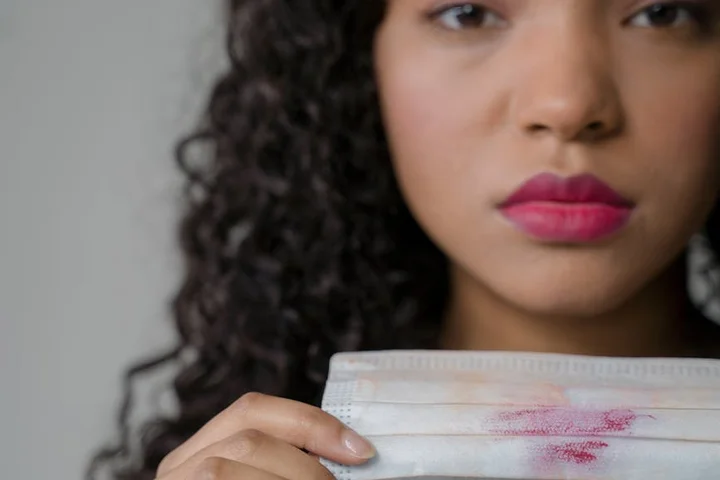
Sometimes a stain isn’t on fabric, it’s on you. Maybe it’s temporary tattoo ink or berry juice on your hands. The rules change completely here.
Can OxiClean or hydrogen peroxide cause skin irritation? Yes, both can. OxiClean powder is alkaline and can cause dryness or a chemical burn if used directly on skin. Hydrogen peroxide can cause mild irritation or a temporary whitening of the skin for some people. My son Edward got a red, itchy patch once after playing with a peroxide-soaked rag for too long.
What safety precautions should you take? For OxiClean, always wear gloves when handling the powder or a soaking solution. For hydrogen peroxide, limit skin contact time and rinse thoroughly with water.
I strongly advise against using OxiClean powder directly on skin. The granules are too harsh. For a skin stain, I reach for the hydrogen peroxide bottle. For removing dye or food stains from skin, a cotton ball with 3% hydrogen peroxide is the recommended, gentler method. Just wipe, rinse, and moisturize afterward. That same gentle approach also helps with hair dye stains on skin and on fabrics. Quick, light application prevents setting—rinse afterward.
Stain-by-Stain Showdown: Where Each One Shines
Think of these two as specialists in your cleaning toolbox. One is your slow, steady soaker. The other is your fast-acting first responder. Knowing which to grab saves time and frustration.
Which is more effective for removing organic stains like blood, wine, or grass? This is the great equalizer. Both are extremely effective because they break down the proteins and pigments in these stains. Your choice often comes down to timing and the item’s color.
OxiClean’s Champion Stains
OxiClean wins when you need power over time or are dealing with a full load.
- Set-In Organic Stains: That dried grass stain on Jason’s knee from two games ago? A long OxiClean soak brings it back to life.
- Mud and Dirt: Its surfactants help lift embedded grime from fabric fibers.
- Whole Laundry Loads: Adding a scoop brightens whites and tackles overall dinginess.
- Food Stains in the Kitchen: I keep a spray bottle of the mixture for countertops and cloth napkins.
For Jessica’s berry smoothie spill on her white t-shirt, I soaked it in an OxiClean solution overnight. By morning, the purple blob was just a faint memory, and the rest of the shirt was brighter, too.
Hydrogen Peroxide’s Go-To Moments
Hydrogen peroxide is your quick-draw hero for fresh, wet messes.
- Fresh Blood Stains: Pour it on, watch it fizz, and rinse with cold water. It’s almost magical.
- Pet Accidents on Light Carpets: It lifts the stain and helps disinfect the spot.
- Disinfecting Surfaces: I use it to wipe down cutting boards or kids’ play tables after cleaning.
- Instant Deodorizing: That sour milk smell in a lunchbox? A quick peroxide rinse kills the odor fast.
When Peeta had a sick moment on our beige living room rug, I reached for the peroxide first. I blotted up what I could, poured on the peroxide, let it foam and bubble for a minute, then blotted it dry. It took the stain and the odor out in one step, right then and there.
How to Use Them Right: Step-by-Step Guides
You have two powerful tools. Using them correctly makes all the difference between a saved shirt and a ruined one. Let’s break down the exact methods.
Treating Fabric Stains with OxiClean
OxiClean is my go-to for pre-treating a mountain of kid’s laundry. It’s versatile. You can use it three main ways.
- The Paste (For Set-In Stains): Mix a heaping tablespoon of OxiClean powder with just enough warm water to make a thick, spreadable paste. Smear it onto the dry stain. Let it sit for 15 minutes to an hour. For Jason’s soccer socks, I let it sit the full hour.
- The Soak (For Large or Old Stains): Fill a sink or bucket with the hottest water safe for the fabric. Dissolve one scoop of OxiClean per gallon of water. Submerge the item and let it soak for 1 to 6 hours. You’ll see the stain particles lift away.
- In-Wash Use (For Maintenance or Fresh Stains): Add a scoop directly to the washing machine drum before adding clothes. Use the hottest water setting the fabric allows. This is great for a load full of lightly soiled play clothes.
Post-Treatment Recovery: Always rinse the treated area thoroughly with cool water after using a paste or soak. Check the stain is gone before you toss it in the dryer. Heat sets stains. I always air-dry questionable items on a rack first.
Treating Fabric Stains with Hydrogen Peroxide
My bottle of 3% hydrogen peroxide lives in the laundry room for emergencies. It’s potent but requires a gentle hand.
- Test First: Dab a tiny drop on a hidden seam. Wait 5 minutes. Check for color change or damage.
- Direct Application: Pour a small amount of the 3% solution directly onto the stain. You’ll see it fizz immediately on organic stains like blood or wine.
- Blot and Wait: Gently blot with a clean cloth to work it in. Let it sit for no more than 5-10 minutes.
- The Rinse: This is the most critical step. Rinse the area thoroughly with cold water. Blot dry with a clean towel.
Hydrogen peroxide is a mild bleach. It can lighten colored fabrics. I learned this the hard way on a dark blue towel. A thorough rinse stops the chemical action and prevents fabric weakening.
The Surface Compatibility Chart
| Surface | Preferred Product | Special Notes |
|---|---|---|
| White Clothing & Linens | Both are excellent. | OxiClean is safer for long soaks. H2O2 is great for quick spot treatment. |
| Colored Clothing | OxiClean | Safer on dyes. Always test H2O2 in a hidden spot first. |
| Carpet | Diluted Hydrogen Peroxide | Mix 1 part 3% H2O2 with 1 part water. Blot, don’t rub. Rinse well. |
| Upholstery / Car Interior | Diluted Hydrogen Peroxide | Dilute more for delicate fabrics (2:1 water to H2O2). Always test on a hidden area. |
| Hard Non-Porous Surfaces (Countertops, Driveways) | Hydrogen Peroxide | Excellent for disinfecting and lifting organic stains. No residue to rinse from sealed surfaces. |
A Note on Skin Stains (The Safe Way)
Sometimes the stain is on you. For berry juice or temporary tattoo ink on skin, diluted 3% hydrogen peroxide can help. From skin to clothing, keeping ink-stain removal supplies on hand makes cleanup easier.
Soak a cotton ball in the peroxide. Gently wipe the stained skin. Rinse immediately with soap and water. Do not use on open wounds, around eyes, or on sensitive skin. If you feel any stinging or see redness, stop.
On-the-Go Emergency Fix: At a BBQ last summer, Edward got grape juice all over his arm. We used club soda from the cooler and a napkin. The bubbles helped lift the stain right off his skin without any chemicals.
Troubleshooting and Pro Advice
What if you followed the steps and the stain is still there? Don’t worry. It happens to everyone.
What Helped Me: The Stain Wiki Editor’s Field Note
My son Jason is a grass stain magnet. For a set-in grass stain on white socks, I make a thick OxiClean paste and let it sit for an hour before scrubbing with a soft toothbrush. The key is patience. If I wash it too soon, I have to start over. It’s especially tricky when dealing with grass stains from sports fabrics.
The Chemistry Corner: Why Oxidizers Work
Both OxiClean and hydrogen peroxide are oxidizers. They work by breaking apart the molecules of certain stains. Imagine the stain is a long chain. The oxidizer comes in and snaps the links.
This works brilliantly on stains with color from things like blood, red wine, grass, and coffee. They are not great for grease-based stains like butter or motor oil. For grease, you need a detergent to break up the oils. On clothes, oil-based stains respond best to a dedicated oil grease stain removal approach.
Panic-Level Assessment for Oxidizer Stains
Not all stains need the same level of urgency. Here’s my quick guide.
- Fresh Blood: Panic Level 3. Rinse with cold water immediately, then treat. It’s very responsive to oxidizers when fresh.
- Red Wine on Cotton: Panic Level 7. You have a “Golden Window” of about 30 minutes. Blot, salt it, then hit it with your oxidizer of choice.
- Grass on Knees: Panic Level 6. You have about 48 hours before the chlorophyll starts to bond with the fabric and gets much tougher.
- Coffee with Cream: Panic Level 8. Treat the dairy fat with dish soap first, then use an oxidizer for the coffee tannins.
Safe DIY Alternatives and What to Avoid
I get it. You’re staring at a fresh grass stain on Jason’s soccer shorts and your laundry room is empty.
My Aunt Jessica once spilled merlot on my couch during a visit. I had no special cleaners nearby.
You can tackle many stains with common kitchen items when you’re in a pinch.
Here are my go-to methods that I’ve tested on everything from Peeta’s muddy paws to Jessica’s art projects.
Safe DIY Alternatives
For a fresh, greasy food stain, make a thick paste of baking soda and a little water.
Smear it on the spot and let it sit for 30 minutes. The paste will absorb the oil and lift the color.
I used this on a pizza sauce splash on Roger’s shirt just last week. It worked perfectly.
For red wine spills, cover the stain immediately with a generous pile of table salt.
The salt acts like a dry sponge, pulling the liquid out of the fabric before it sets.
Blot it up after 10 minutes, then rinse with cool water. My mom Martha taught me this trick.
Always use cold water and a dab of dish soap for new blood stains.
Gently rub the soap into the fabric, then rinse under a cold tap. The cold water prevents the protein in the blood from binding to the fibers.
This saved a favorite white tee after a minor kitchen accident.
Critical Warnings / Never-Use
Never, ever mix hydrogen peroxide or OxiClean with vinegar or ammonia.
Mixing these creates harmful gases that can irritate your lungs and eyes.
I keep all my cleaning products in separate, labeled bins to avoid any accidental mixes.
Also, do not use chlorine bleach on a stain you just treated with peroxide.
The combination can damage fabric dyes and weaken fibers over time. Always rinse the area thoroughly with water in between different products.
I learned this the hard way on an old bath towel, which developed a brittle, discolored patch.
Recommended Products (Category Types)
My best advice is to keep both types of cleaners stocked. They are tools for different jobs.
I keep a brown bottle of 3% hydrogen peroxide in my bathroom medicine cabinet.
It’s perfect for small, immediate stains on skin or fabric before they dry.
In my laundry room, I always have a tub of an oxygen-based bleach, like OxiClean Versatile Stain Remover.
Having both gives you flexibility for quick spot treatments and powerful laundry soaks.
For protein-based messes like pet accidents or baby food, consider an enzyme cleaner.
These contain live bacteria that literally eat the stain. They work wonders on Peeta’s occasional muddy footprints on the carpet.
Just follow the label instructions carefully for the best results.
FAQ: OxiClean vs. Hydrogen Peroxide for Stains
1. What’s the correct way to mix and apply each product for a fresh stain?
For a fresh stain, blot up excess liquid, then dab with a cloth soaked in 3% hydrogen peroxide, let it fizz for 5 minutes, and rinse thoroughly. For OxiClean, dissolve a scoop in warm water to create a pretreatment soak or paste, apply it to the stain, and let it work for 15-30 minutes before washing as usual.
2. I treated a stain but it’s still there after washing. What’s my next step?
Do not put the item in the dryer, as heat will set the stain permanently. For a persistent organic stain like grass or wine, try a longer OxiClean soak (up to 6 hours) or, for a color-safe fabric, carefully reapply hydrogen peroxide with a longer 10-minute sit time before rinsing. Make sure to avoid common stain removal mistakes to get the best results.
3. Is one better for old, set-in stains versus new spills?
Yes. OxiClean is superior for old, set-in stains because its prolonged, controlled release of oxygen can break down dried-in grime over several hours. This same action also helps with oil-based stains that can accompany blood, a common scenario in oil-blood stain removal. Hydrogen peroxide is most effective on fresh spills where its immediate oxidizing power can attack the stain before it bonds deeply with the fibers.
4. What’s a quick fix if I have neither product on hand for a fresh organic stain?
Immediately rinse the stain under cold water from the backside to push it out. For a small, fresh stain, make a paste of baking soda and a drop of dish soap, gently work it in, let it sit for 15 minutes, then rinse with cold water. This can lift the stain until you can properly treat it.
5. For a tough, unknown stain on a colored shirt, which product should I try first?
Always perform a hidden spot test first with either product. If it passes, start with an OxiClean paste on the stain, as it’s generally safer for colors. If that doesn’t work and the fabric is sturdy, you can cautiously test a diluted hydrogen peroxide solution (1 part water, 1 part 3% peroxide) on the same hidden spot. This is especially effective for biological stains like blood or sweat.
Smart Stain Solutions for Your Everyday Life
For any stain, from Jason’s soccer mud to Aunt Jessica’s wine splash, I always reach for the milder option first and test it on an inside seam or hidden spot. This simple habit is the best way to keep fabrics bright and skin safe, whether you choose OxiClean or hydrogen peroxide. Red wine stains on fabrics are a common challenge, but a quick, gentle pre-treatment can prevent set-in marks. I’m always testing methods on our family’s messes, and you can find more of those real-world stories and tips on the blog.
Written by Suzanne Rosi Beringer. Suzanne is an accomplished chemist, laundry expert and proud mom. She knows the science and chemistry of stains and has personally deal with all kinds of stains such as oil, grease, food and others. She brings her chemistry knowledge and degree expertise to explain and decode the science of stain removal, along with her decades long experience of stain removal. She has tried almost everything and is an expert on professional and DIY stain removal from clothes, fabric, carpet, leather and any other items dearest to you.