How Has Odor Removal Evolved? From Ancient Herbs to Modern Enzymes
Ever been baffled by a smell that lingers no matter what you try? Understanding the journey from burning sage to using enzyme cleaners can give you powerful tools for a fresher home.
- How ancient civilizations used herbs and smoke to mask and eliminate odors.
- The practical, vinegar-based methods passed down through generations like from my mom, Martha.
- The 19th-century shift to chemical solutions and what we learned from them.
- Why modern enzyme cleaners are a game-changer for stubborn smells like pet accidents.
I’ve spent over ten years as a stain and odor removal specialist, testing everything from Aunt Jessica’s wine stain tricks to the latest enzyme formulas on my family’s messes.
Ancient Stink-Busters: What Our Ancestors Used on Stains and Smells
The earliest method for dealing with a bad smell was simple. People covered it up with something that smelled better. For ancient Egyptians, Romans, and Greeks, a foul odor was more than unpleasant. It was thought to carry disease.
They turned to the natural world for solutions. Vinegar was a powerhouse for cleaning surfaces and freshening fabrics. Its acidic nature could cut through some greasy residues. Myrrh and frankincense were burned as incense to purify the air in homes and temples.
Wood ash, a byproduct of every fire, was mixed with water or animal fat to create a primitive soap. This paste could lift dirt and some odors from skin and coarse textiles.
These ancient tricks are the direct ancestors of the DIY remedies I use in my own home today. My Aunt Jessica in Arizona still makes lavender sachets for her linen closets, a practice straight from the Roman playbook. My mom, Martha, taught me to wipe down my cutting boards with white vinegar, a trick as old as civilization itself.
There was a big limitation, though. Most of these substances didn’t actually destroy odor molecules. They just overwhelmed our noses with a stronger, more pleasant scent. It was like spraying a floral perfume on a gym bag instead of washing the sweaty clothes inside.
Natural Herbs and Substances From the Ancient World
The ancient spice rack was also the cleaning cabinet. People reached for what they had on hand to fight household smells.
- Mint and Rosemary: These hardy herbs were often strewn on floors. As people walked on them, the crushed leaves released their sharp, clean scent.
- Citrus Rinds: Lemons and oranges were valuable. Their oily rinds were rubbed directly on surfaces to leave a fresh, tart fragrance behind.
- Cedar and Pine: The resins from these trees were burned. Their smoky, woody scent was believed to cleanse a space and repel insects.
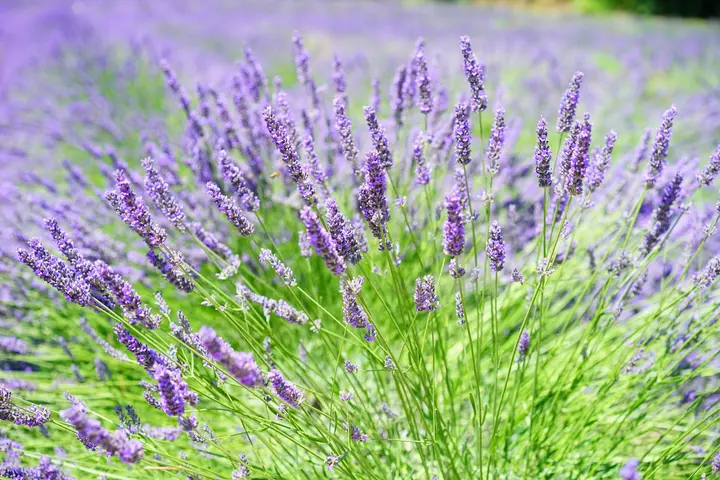
- Lavender and Roses: Dried flowers were tucked into clothing chests and bedding. They provided long-lasting fragrance to mask the smell of wool and seldom-washed linens.
Application was hands-on and direct. Herbs were burned as incense, steeped in water for rinses, or simply crushed and rubbed onto fabrics and skin. I think about this when my son Jason’s soccer gear comes home. The ancient response would be to toss some crushed mint leaves in the bag. My modern twist is a spritz of vodka and water, which kills the bacteria causing the stink, not just masks it.
The Middle Ages: Odor Control in the Age of Plague and Progress
During the Middle Ages, the game of cover-up continued, but the stakes felt higher. The horrific spread of the Black Death deeply connected bad smells with sickness in the public mind. The theory of “miasma” said disease was carried by foul air.
This fear of “bad air” made odor control a desperate public health measure, even if the science was wrong. People believed if they could make the air smell sweet, they could ward off illness. This led to some creative, if not truly effective, habits.
The practice of “strewing herbs” became common in wealthier homes. Rushes or straw were laid on dirt or stone floors. These were then topped with sweet-smelling herbs like chamomile, meadowsweet, and lavender.
Walking through a room would release a cloud of fragrance. It was an early form of scented carpet powder. Of course, this mat of organic material also trapped food scraps, mud, and worse. It was changed out periodically, but the goal was always to mask the underlying odors of daily life.
Personal items evolved too. Small pouches called “pomanders,” filled with aromatic spices and herbs, were carried or worn. People held them to their noses when passing through smelly streets. I see a direct line from those medieval pomanders to the little cedar blocks I toss in my storage bins today, or the sachets my mother-in-law, Brianna, makes from dried Texas sage.
Science to the Rescue: 19th and 20th Century Breakthroughs
Before science stepped in, we were just playing a guessing game with smells. The 19th century changed everything.
Louis Pasteur’s work on germ theory made a huge leap. We finally understood that many bad smells came from living things-bacteria and mold. Suddenly, killing the source, not just masking the scent, became the goal.
This discovery sparked the creation of targeted soaps and early disinfectants like carbolic acid. My great-grandmother probably used something similar.
The 20th century brought another revolution: synthetic chemistry. During the World Wars, scientists created new cleaning agents out of necessity.
These were the first synthetic detergents. They worked in hard water where traditional soap failed. They were also better at breaking apart oils and greases, common sources of persistent odors. They marked a significant advancement in the history of laundry detergents.
This shift from covering smells to dismantling their source paved the way for the precise, problem-solving cleaners I rely on today. It moved us from superstition to strategy.
How Modern Enzymatic Cleaners Break Down Odors for Good
Think of a bad odor as a big, complicated puzzle. Old methods just threw a blanket over it. Modern enzymatic cleaners take the puzzle apart, piece by piece.
Enzymes are not living things. They are specialized protein tools. Each enzyme type is designed to break apart one specific kind of soil.
Protease enzymes cut proteins into smaller pieces (think milk, blood, or mud with grass stains). Amylase enzymes tackle starches (think oatmeal, gravy, or pasta sauce). Lipase enzymes break down fats and oils (think butter, bacon grease, or lotion).
Here’s my favorite way to picture it. Imagine the odor-causing gunk on your carpet is a pile of different colored building blocks. The enzymes are like a swarm of tiny, specialized pac-men. The yellow pac-man only eats yellow blocks. The blue pac-man only eats blue blocks.
They chew the big blocks into tiny, odorless crumbs you can easily rinse or blot away. They eliminate the food source for odor-causing bacteria, solving the problem at its root.
This is a complete reversal from the old perfumed powders. We’re not covering the smell. We’re taking apart the thing that’s causing it, molecule by molecule.
Recommended Products: Types of Enzymatic Cleaners for Your Home
You don’t need a lab full of bottles. A few key types handle most family disasters. I keep these categories in my cleaning cabinet.
Pet Accident Formulas: These are non-negotiable if you have a dog like Peeta. They contain specific enzymes (like urease) designed to break down the uric acid crystals in pet urine that cause that dreaded ammonia smell to return.
Laundry Enzyme Boosters: These are my secret weapon for Jason’s muddy soccer kits and Jessica’s yogurt-covered shirts. You add them to the wash cycle. They supercharge your detergent by pre-digesting tough organic stains before the main wash.
Carpet and Upholstery Treatment Sprays: These are for set-in spills you find later. They have a longer dwell time so the enzymes can work deep into fibers. Perfect for the couch after movie night.
Look at labels. Good products list the enzymes they contain. Seeing “protease” tells you it’s great for protein-based messes. A “multi-enzyme” blend is your best all-purpose bet for unpredictable kid and pet messes.
I always have one good multi-enzyme spray on hand for general attacks from my kids, Jason and Jessica. It’s the first thing I reach for after a juice spill or a mystery stain appears.
Post-Treatment Recovery: Drying and Checking Your Work
Your work isn’t done when the cleaner goes on. How you dry the area is just as important.
For treated clothing, I always air dry first. I lay the item flat or hang it in a shaded, well-ventilated spot. Direct sunlight can fade dyes on damp fabric.
Before you even think about the dryer, check the stain in bright light. Hold it up to a window or use a strong lamp. If you see any shadow or discoloration, treat it again. The heat from a dryer will cook that remaining stain into the fibers forever.
For carpets and car interiors, drying completely is critical. I use old towels to blot up as much moisture as possible after the enzyme treatment has done its job.
I’ll point a fan at the area for a few hours. A damp carpet pad or car seat foam is a perfect home for new mildew growth. You trade one bad odor for another if you don’t ensure everything is bone dry. Patience here saves you from starting all over again.
The Critical Difference: Masking Odors vs. Actually Eliminating Them
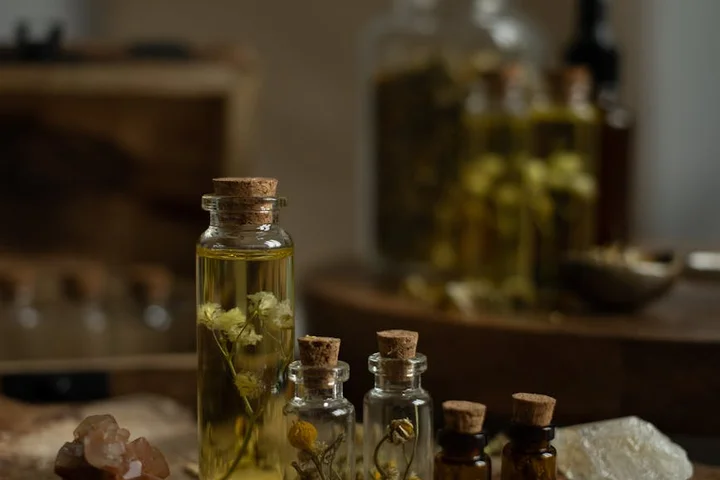
You spray something that smells like a mountain breeze, but the old gym sock smell comes back a day later. That’s masking.
You treat the fabric, and the smell is just…gone for good. That’s elimination.
Masking just covers an odor with a stronger, more pleasant scent, while elimination breaks down or neutralizes the odor-causing molecules at their source. Think of it like painting over mold versus actually killing the mold spores.
Historical Examples vs. Modern Counterparts
My mom, Martha, tells stories about her mother using lavender sachets in musty linen closets. It smelled nice, but it didn’t stop the mildew from growing.
That’s a classic historical mask. So were the perfumed oils and pomanders used for centuries. They signaled wealth and cleanliness but didn’t tackle the root cause.
Today, a heavily fragranced aerosol spray is the same principle. It’s a modern cloud of perfume.
True elimination started with better understanding. We learned that odors are often caused by bacteria or specific organic compounds. That curiosity now guides us to separate fact from fiction about odors. It ties directly to the top 10 odor removal myths debunked.
Enzyme-based cleaners are the modern heroes here. They use biological “scissors” to cut apart the proteins, fats, or starches that bacteria feast on, removing their food source.
Elimination is the only path to lasting freshness and truly clean fabric because it removes the stain’s cause, not just its symptom. A pet accident leaves both a visible stain and an odor-causing compound. If you only mask the smell, your dog will likely remark the same spot. For lasting freshness, focus on removing the urine odor from fabrics, not just masking it. This approach targets the odor at its source and helps prevent re-marking.
Critical Warnings: Materials and Methods to Avoid
Chasing a smell can lead to ruined fabrics. I’ve learned this the hard way.
Never use strong oxidizers like chlorine bleach on protein-based fibers like silk, wool, or on materials with elastane (like workout clothes). It will yellow silk, felt wool, and destroy the elasticity in your favorite leggings.
For protein-based odors from sweat, milk, or blood, avoid hot water initially.
Hot water can cook the proteins into the fabric, setting both the stain and the odor permanently. Always start with cold.
Some old-school methods are too harsh for modern textiles. My aunt Jessica swears by a harsh lye soap for everything, but it can degrade delicate synthetic fibers and fade colors fast. It’s especially important to be gentle when treating stains on delicate fabrics.
Always test any method, new or old, in a hidden seam first.
How Culture’s Nose Shaped the Odor Removal Products We Use
What smells “clean” to us isn’t universal. It’s shaped entirely by culture and marketing.
Centuries ago, strong personal odors could be a status symbol. It meant you could afford spices or perfumes. Cleanliness was often about visible dirt, not invisible smells.
The cultural shift happened when smell became linked to disease and poor hygiene.
This fear of being perceived as unclean became a powerful driver for product innovation, moving us from simple soaps to deodorizers and disinfectants. The post-war boom gave us a cabinet full of specialized sprays and powders, each promising to erase social shame.
Now we’re in another shift. For many, that heavy “clean” chemical smell is itself becoming unpleasant.
Modern demand for “unscented” or “natural” options is a direct cultural reaction to decades of overpowering artificial fragrances. We want elimination, but we don’t want the mountain breeze or lemon zest cover-up. We just want it to smell like nothing.
What Helped Me: A Pro-Tip From Years of Stain Battles
My golden retriever, Peeta, had some accidents on our area rug as a puppy. Even after cleaning, that faint, sour scent would sometimes return on a humid day.
Here’s the two-step field method I developed. It works on pet odors, but the principle helps with many organic smells, especially when removing pet odors from living spaces.
- Pre-treat with a 50/50 mix of white vinegar and water in a spray bottle. Blot up any fresh moisture first, then saturate the spot. The mild acid helps neutralize the alkaline salts in urine, breaking apart that crystalized odor source.
- Let it sit for 10 minutes, then blot dry. Now, apply a commercial enzyme cleaner liberally. With the salts pre-broken, the enzymes can dive straight into breaking down the remaining organic matter.
This leads to my biggest piece of advice: patience.
Let enzymatic cleaners sit for the full time listed on the bottle, even if it’s an hour or more. Rushing this biological process is the main reason people say enzyme cleaners “don’t work.” I’ve kept a stained soccer jersey damp with treatment for 90 minutes before washing. It’s worth the wait — especially when you understand how enzymes break down stains.
FAQ about Applying Odor Removal History in Your Home
1. How can I use ancient methods like herbs or vinegar on a fresh odor today?
For a fresh organic spill, blot it up and pour white vinegar directly on the area to neutralize odors immediately, just as ancient Romans did. Follow this by sprinkling baking soda, a modern safe alkali, to absorb any residual smell before vacuuming.
2. What’s the most critical step when using a modern enzyme cleaner on a pet stain?
After blotting up the mess, completely saturate the area with the cleaner so it penetrates deep into the carpet pad or upholstery foam. The most important step is to let it dwell for the full time listed on the label-often an hour or more-to allow the enzymes time to break down the source molecules.
3. An old smell keeps coming back after I’ve cleaned it. What should I try next?
This usually means the odor source is crystallized deep in a porous material like carpet padding or upholstery. Re-treat the area with a vinegar solution to break down salts, then apply a high-quality enzymatic cleaner designed for pet odors and ensure the area dries completely with a fan to prevent mildew.
4. What’s a safe, ancient-inspired alternative for deodorizing a delicate wool sweater?
Place the sweater in a sealed container or bag with dried lavender or cedar shavings for several days to gently mask odors, a method used for centuries on linens. These techniques can also help remove bad smells from clothes. For a deeper clean, use a vacuum with an upholstery attachment on a cold, gentle setting-never use hot water or harsh chemicals on wool.
5. How can I tell if a store-bought spray is just masking an odor instead of eliminating it?
Check the active ingredients list; if it only contains “fragrance” or “parfum” without enzymes, acids (like citric), or surfactants, it’s likely just a mask. A true eliminator will list specific biological components (e.g., protease, lipase) or chemical neutralizers designed to break down odor molecules.
Putting Odor Removal History to Work
The biggest takeaway from odor removal history is to attack the source of the smell, not just cover it up. I use this rule whether reaching for herbs like my mom Martha did or modern enzymes for Peeta’s accidents. That same approach applies to the bathroom, including removing urine stains and their odor from toilet seats. I share practical, family-tested tips to keep those surfaces fresh and odor-free. Find more of my family-tested methods and practical advice on the Stain Wiki blog.
Written by Suzanne Rosi Beringer. Suzanne is an accomplished chemist, laundry expert and proud mom. She knows the science and chemistry of stains and has personally deal with all kinds of stains such as oil, grease, food and others. She brings her chemistry knowledge and degree expertise to explain and decode the science of stain removal, along with her decades long experience of stain removal. She has tried almost everything and is an expert on professional and DIY stain removal from clothes, fabric, carpet, leather and any other items dearest to you.