How Do Enzymatic Cleaners Work on Protein, Oil, and Starch Stains?
Worried about grass stains from Jason’s soccer games or greasy spills from dinner? Enzymatic cleaners use tiny, natural proteins to break down stains at a molecular level, offering a powerful yet non-toxic solution.
Here’s what we’ll cover to help you use them effectively:
- The simple science of how enzymes target and “digest” different stains.
- Why protein-based messes like blood or milk are no match for these cleaners.
- How to tackle oily residues and starchy pastes with the right enzyme.
- Practical tips I use at home to get the best results every time.
My advice comes from years of hands-on testing, from cleaning Jessica’s art projects to dealing with Roger’s outdoor gear.
What Are Enzymes and How Do They Really Clean?
Enzymes are nature’s tiny cleanup crew. They are not harsh chemicals, but special proteins that break down stains gently. This is the science of how enzyme cleaners break down stains.
Think of an enzyme like a key. The stain molecule is the lock. The enzyme key fits perfectly to start breaking the stain apart. This is how they work as biological catalysts.
You use them more than you think. My favorite laundry detergent contains enzymes. I use it every week on Jason’s soccer jerseys to tackle grass and mud.
Enzymes function as biological catalysts by speeding up chemical reactions without being used up in the process. They are reusable helpers for your stains. In biochemistry, blood proteins are common targets, and enzymatic cleaners use specific enzymes to break them down. This helps explain why these cleaners work on protein-rich stains.
Enzymes vs. Regular Cleaners: A Simple Breakdown
Regular cleaners often rely on surfactants. These molecules lift stains by surrounding them so water can wash them away.
Enzymes work differently. They actually digest the stain. They break the stain molecules into tiny pieces that dissolve in water. This makes enzyme detergents particularly effective for biological stains.
Because enzymes break stains down into harmless, natural parts, they are often a more environmentally friendly choice. They leave no harsh chemical residue behind.
Chemistry Corner: The Biological Catalyst
Here is the simple science. Enzymes speed up reactions without being consumed. Imagine a coach who helps you run faster but never gets tired.
Different enzymes target different stains. Protease eats proteins. Lipase tackles oils. Amylase goes after starches. These stains are their specific food.
Fighting Protein Stains: Your Blood and Egg Savior
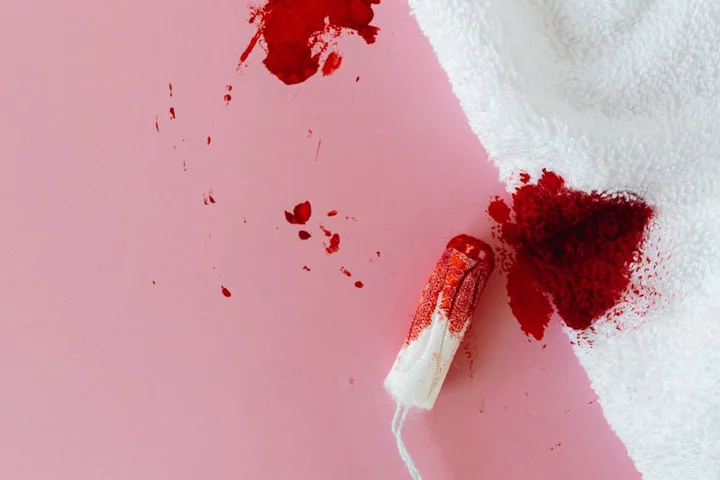
Protein stains are common in any active home. Think blood from a scraped knee, egg yolk, milk, grass, or pet accidents from my dog Peeta.
For these, you need protease enzymes. They are the specialist cleaners for protein-based messes.
Protease enzymes specifically break down protein-based stains by cutting the long protein chains into small, washable fragments. It turns a tough stain into something water can easily remove. This evolution reflects how stain removal techniques have progressed—from basic scrubbing to enzyme-assisted methods.
How Protease Attacks the Stain
Protease works by chopping. It takes the long, tangled chains of protein in a stain and snips them into short pieces.
I dealt with this last month. Jason came in with a bloody knee from soccer. The protease in my cleaner broke down the blood on his shorts after a good soak.
Step-by-Step for a Fresh Protein Stain
- Blot the stain immediately with cold water. Never use hot water first.
- Apply an enzymatic cleaner directly to the area. I use a spray bottle for control.
- Let it dwell for at least 10 to 15 minutes. This wait time is crucial for the enzymes to work.
- After dwelling, wash the item as usual, preferably with an enzyme-based detergent.
Always test your enzymatic cleaner on a hidden seam or inner hem first to check for colorfastness or damage. I learned this the hard way with a favorite shirt.
Material Red Flags for Protein Stains
Hot water is your enemy with blood. It sets the protein permanently, like cooking an egg. Once set, the stain becomes much harder to lift.
Delicate fabrics like silk or wool need extra caution. For stubborn stains on outerwear made from these delicate fabrics, use gentle stain-removal methods and test on an inconspicuous area first. Enzymes are powerful, so consider diluting the cleaner or doing a longer spot test to prevent fabric damage.
Cutting Through Grease: How Enzymes Eat Oil Stains
Grease is its own special headache. Cooking oil, melted butter, a splash of salad dressing, or the black smear from a bike chain all have one thing in common: they’re fats and oils that water alone can’t touch.
For these, you need the right biochemical tool. Enter lipase, the fat-fighting enzyme.
Lipase works by breaking the large, sticky molecules of fat into much smaller, water-soluble pieces, a process called hydrolysis. This directly answers a common question: the mechanism for lipase on oily stains is to cut the chemical bonds holding the fat together.
The Lipase Breakdown Process
Imagine a glob of butter or motor oil as a big, complicated knot. Lipase acts like a precise pair of scissors, snipping that knot into tiny, loose strings.
Scientifically, it separates triglycerides (fats) into glycerol and free fatty acids. These smaller components can then be surrounded by detergent and rinsed away with water.
I see this every week with Roger’s work shirts. The cuffs get grimed with a mix of dirt and engine grease. A pre-soak in a lipase-based laundry detergent loosens that grime so the wash cycle can actually remove it, instead of just moving it around.
Step-by-Step for a New Oil Spot
Speed matters with grease. Here’s what to do the moment you see that shiny spot.
- Blot, don’t rub. Use a stack of paper towels or a clean cloth to soak up every bit of excess oil you can. Rubbing pushes it deeper.
- Apply a lipase-based cleaner. This could be a pre-treatment spray, a dab of heavy-duty laundry detergent, or a specialized enzyme cleaner. Ensure it covers the entire stained area.
- Let it work fully. Enzymes need time. Let the item sit for at least 15-30 minutes, or even overnight for set-in stains, before washing as usual.
A note on heat: warm water can help activate enzymes, but always check your fabric care label first. Hot water can set some protein-based stains if they are also present.
The Surface Compatibility Chart for Grease
Lipase enzymes are versatile, but they perform best where they can penetrate. Here’s a quick guide.
The key thing to remember is that enzymes need to get into the stain, so they work best on porous, absorbent materials. On non-porous surfaces like glass or sealed stone, a detergent with surfactants might be more immediately effective. For fabrics, enzymes can be especially effective at removing biological stains such as sweat or blood. That’s why enzyme-based cleaners are often recommended for removing stains from clothing and linens.
Erasing Starchy Messes: From Pasta Sauces to Pudding
Starchy stains are the ghosts of meals past. They often look dull and feel stiff once they dry. Think pasta sauce, gravy, mashed potatoes, or the pudding Jessica somehow got on the wall behind her high chair.
These are jobs for amylase, the starch-specialist enzyme.
Amylase targets the long, complex chains of starch molecules and breaks them down into simple sugars like maltose. This process answers how amylase works on starch-based stains: it dismantles the gluey starch structure so it can dissolve in water.
How Amylase Dissolves the Problem
Starch is like a string of pearls. When you spill gravy, that string gets tangled and glued into the fibers of your tablecloth. Amylase goes in and carefully unstrings each pearl.
By breaking the starch into small sugar molecules, it loses its sticky, thickening power. What’s left is water-soluble and rinses clean away.
Jessica’s high chair tray is a weekly amylase test zone. After scraping off the big bits of food, a spritz of an all-purpose enzyme cleaner containing amylase cuts through that dried-on oatmeal or applesauce film. I let it sit for ten minutes, and it wipes clean without harsh scrubbing.
Step-by-Step for a Starch Spill
Starchy messes often have solid parts. Handle them gently to avoid grinding the stain in.
- Gently scrape. Use a blunt knife or a spoon to lift off any solid residue. Do this from the outside of the stain inward.
- Soak the stain. Apply your amylase-containing cleaner. For fabrics, you want to soak through to the back of the stain to ensure full coverage.
- Wait for the breakdown. Patience is non-negotiable. Give the enzymes 30 minutes to an hour to work before attempting to wash or wipe the area.
Post-Treatment Recovery for Starch
Starch stains can leave a faint, stiff ring if not fully removed. Your final check is crucial.
After washing or rinsing, always air-dry the item naturally. Check the spot once it’s fully dry.
Never, ever put an item in the clothes dryer if you can still see or feel any trace of the stain. The dryer’s heat will permanently set it, making it nearly impossible to remove later.
If the stain is gone, you’re clear to dry as normal. If a shadow remains, repeat the enzyme treatment.
How to Make Enzymatic Cleaners Work Their Best
Getting the most from your enzymatic cleaner is about more than just spraying and hoping. I treat them like tiny, hungry helpers. You need to set the table for them properly.
Think of it like baking bread. Yeast needs the right warmth and time to work. Enzymes are the same.
The Right Way to Apply and Wait
Your method depends on the battlefield. For clothing, I almost always soak. For carpets or the car, I spray.
My golden rule? Let it sit. Enzymes are not magic wands. They are slow, deliberate eaters.
For a protein stain like baby food or grass, a long soak in a bucket of warm water and cleaner is your best bet. I mix up a solution in my utility sink for Jason’s soccer jerseys.
For carpets or upholstery, blot up any solid mess first. Then, spray a generous amount directly on the stain until it’s damp, not flooded. Be careful not to oversaturate, especially when dealing with delicate fabrics.
The real secret is dwell time, and overnight is ideal. For Peeta’s occasional accidents on the living room rug, I spray it down after dinner and let it work until morning. The enzymes have hours to break everything down.
Always use warm water to mix or activate your solution. Not hot. Hot water can cook the enzymes, making them useless.
Factors That Boost or Hinder Enzyme Power
Enzymes are living proteins. They have preferences, just like us.
Temperature is huge. Most enzymes work best in warm water, around 40°C (104°F). Think of a pleasant bath.
If the water is too cold, they get sluggish. If it’s boiling hot, you kill them dead. I learned this the hard way pre-treating a stain with scalding water.
pH matters too. Many enzymatic cleaners work best in a neutral to slightly alkaline environment. This is why some brands add mild alkalis like baking soda.
Never, ever mix an enzymatic cleaner with chlorine bleach. Bleach is a enzyme assassin. It will destroy them on contact.
Also, avoid using very acidic cleaners first. They can put the enzymes to sleep before they even start.
The Surface Compatibility Chart: A Quick Guide
Here’s a quick cheat sheet I keep in my head. Always do a test in a hidden spot first if you’re unsure.
For Roger’s garage driveway with oil spots, I use a heavy concentration and scrub it in with a brush. It works, but it needs that extra mechanical help. It is especially effective when used on concrete driveways that are stained with oil.
When to Use Enzymes and When to Reach for Something Else
Enzymatic cleaners are fantastic, but they aren’t a cure-all. Being honest about their limits saves you time and fabric.
If the stain isn’t from something that was once alive, enzymes probably can’t help.
Stains That Stump Enzymatic Cleaners
These are the stains where I put the enzyme bottle away. They need a different tactic.
Enzymes need biological material to break down, so they are useless on purely synthetic or mineral-based messes.
- Ink or dye (from a pen or leaking clothing)
- Rust stains
- Mineral deposits or hard water rings
- Paint
- Permanent marker
Edward spilled blue ink on my couch once. An enzymatic spray did nothing. I had to use a different solvent-based spot remover.
Critical Warnings and Material Red Flags
Some materials are too delicate for standard enzymatic formulas. You must proceed with caution.
Silk, wool, and leather are protein-based fibers themselves. Harsh or prolonged enzyme action can damage them.
Never mix enzymatic cleaners with bleach or ammonia, as these chemicals will neutralize the enzymes. You’ll just waste both products, and they won’t help with eliminating odors.
Avoid using them on antique or irreplaceable fabrics without expert advice or extensive testing.
I learned this from Aunt Jessica. She spilled Merlot on a beautiful silk scarf and immediately doused it with a pet stain enzyme cleaner.
It didn’t lift the wine, and we later worried the enzymes might have started breaking down the silk fibers themselves, making the fabric weaker. For silk, a specialist dry cleaner is always my first call now.
Are Enzymatic Cleaners Truly Eco-Friendly?
Compared to many harsh chemical solvents, yes, they usually are a greener choice.
Most enzymes are biodegradable. They break down into harmless substances after they’ve done their job.
This means less toxic chemical runoff going into our water systems. I feel better using them around my kids and pets.
They are a targeted tool, breaking down specific messes without the broad environmental footprint of some petroleum-based cleaners.
They aren’t perfect, but for organic stains, they are often the most effective and least harsh option I have in my cupboard.
FAQ about Using Enzymatic Cleaners on Stains
Are enzymatic cleaners truly non-toxic and safe to use around my pets and children?
Yes, they are generally safer than harsh chemical solvents as enzymes break down into harmless, natural substances. Always store them out of reach and check labels for any additional ingredients that may cause irritation.
Can I use hot water to activate enzymatic cleaners faster on a tough stain?
No, never use hot water initially-it can denature the enzymes, making them ineffective. Warm water (around 40°C or 104°F) is ideal for activation without damaging the proteins.
What’s the minimum “dwell time” I should give an enzymatic cleaner on a fresh food spill before washing?
For fresh stains, allow at least 15-30 minutes for the enzymes to work, but overnight soaking yields the best results. Always check the stain is fully broken down before laundering to avoid setting it with heat.
Will an enzymatic cleaner remove a coffee or tea stain from my white cotton shirt?
No, enzymatic cleaners are ineffective against tannin-based stains like coffee or tea. For these, pre-treat with a mixture of vinegar and water or use a oxygen-based bleach before washing.
How do I tackle a combination stain, like pizza sauce with both grease and protein?
Use a broad-spectrum enzymatic cleaner containing both lipase and protease, applying it directly and letting it dwell for 30+ minutes. For set-in stains, gently scrape off solids first and repeat the treatment if needed before washing in warm water.
Putting Enzyme Knowledge to Work
After testing these cleaners on everything from Jason’s grass-stained socks to a wine spill from Aunt Jessica, I know the key is patience. Enzymatic cleaners need their dwell time to break down stains fully, so always check the label and resist the urge to rinse too soon. I’m always sharing new, practical lessons from my home right here on Stain Wiki to help you tackle life’s messy moments.
Written by Suzanne Rosi Beringer. Suzanne is an accomplished chemist, laundry expert and proud mom. She knows the science and chemistry of stains and has personally deal with all kinds of stains such as oil, grease, food and others. She brings her chemistry knowledge and degree expertise to explain and decode the science of stain removal, along with her decades long experience of stain removal. She has tried almost everything and is an expert on professional and DIY stain removal from clothes, fabric, carpet, leather and any other items dearest to you.