How Does Chemistry Clean Your Car? Breaking Down Oil, Grease, and Food Stains
That fresh grease smudge or dried ketchup on your seat can feel like a permanent badge of family life, but I promise it isn’t. Removing automotive stains is easier when you know how to break the molecular bonds holding them to your upholstery.
In this guide, I’ll explain the sticky science so you can clean smarter. Here’s what we’ll cover:
- How oil’s long hydrocarbon chains weave into fabric fibers like tiny Velcro.
- Why grease creates a water-repellent barrier that standard cleaners can’t penetrate.
- The role of sugars and acids in food spills that lead to stubborn discoloration.
- Choosing cleaners that target these molecules without harming your car’s interior.
I’ve tested these principles firsthand cleaning everything from Jason’s post-soccer gear to the grease spots in Roger’s truck, so you’re getting advice that works.
What Are You Really Cleaning? The Molecular Makeup of Automotive Stains
Think of motor oil and grease like a slick, invisible raincoat. They’re made of long chains of carbon and hydrogen called hydrocarbons. These chains are non-polar, meaning they repel water and cling to each other. That’s why oil feels slick and won’t mix with your water-based cleaners. Modern oils also contain additives for viscosity and heat resistance, which can leave their own stubborn residues.
Food spills are a whole different party. Ketchup on the seat is a mix of tomato proteins, sugar, vinegar, and red dye. Coffee is full of tannins and oils. These aren’t one thing, but a team of stain-makers working together.
Imagine each stain molecule has tiny, invisible hands. For oil, those hands are greasy and want to grab onto other greasy surfaces, like synthetic fibers in your car seat. For proteins in milk or ketchup, the hands act like glue, bonding to fabric fibers as they dry. It’s a molecular handshake you didn’t authorize.
Chemistry Corner: The Three Stain Families in Your Car
- Oil-Based: Motor oil, grease, salad dressing, butter. These repel water and need a solvent or detergent to break their grip.
- Protein-Based: Ketchup, milk, egg, blood. Heat sets these permanently, so always use cool water first.
- Tannin-Based: Coffee, tea, soda, wine. These are plant-based dyes that can leave a dull brown ring if not treated correctly.
Why is that month-old coffee spot on the floor mat so tough? Time lets those molecular hands tighten their grip. The liquid evaporates, leaving the stain particles behind to solidify and bond directly to the fiber. They can also oxidize, a chemical change that literally bonds them to the surface, like super glue curing. The stain becomes part of the material, making it especially challenging for coffee stain removal methods tailored by fiber type.
The Golden Hour: Immediate Steps to Contain a Fresh Spill
Speed is your best cleaner. What you do in the first few minutes decides if this is a five-minute fix or a permanent feature.
- Fabric & Upholstery (Seats, Carpets): Grab a clean, white cloth or paper towel. Gently press and lift to blot up as much liquid as you can. Never rub. You’ll just grind the stain deeper into the fibers.
- Hard Surfaces (Dash, Console, Door Panels): Wipe with a damp microfiber cloth. For sticky spills, a plastic scraper can gently lift the bulk without scratching.
- Driveways & Garage Floors: For an oil puddle, sprinkle cat litter, sand, or baking soda to soak it up. Let it sit for 15 minutes, then sweep it away.
Blotting lifts the stain away; rubbing pushes it in and can damage the fabric’s texture. Treat the area like a delicate wound, not a dirty pan.
My number one rule: always test your cleaner on a hidden spot first. The inside seam of a seat or a corner of the carpet. You need to know if it will discolor or damage the material before you go to town on the visible stain.
What Helped Me: Roger’s Transmission Fluid Lesson
My husband Roger was topping up his truck in the garage. A sudden slip, and a line of crimson transmission fluid splashed across the light concrete floor. He sighed, knowing this would set. I grabbed a bag of the cheap clay cat litter we keep for Peeta. We poured a thick layer over the entire spill. Ten minutes later, the clay had turned a deep red, sucking up the fluid from the surface. We swept it into a dustpan and the remaining faint shadow washed away with a simple soap spray. That quick cover-up prevented a permanent stain. If he’d left it to soak in, we’d be looking at a power washer rental.
On a molecular level, acting fast prevents two things. First, it stops the stain from migrating deeper into porous materials. Second, it prevents oxidation. Once air hits certain molecules (like in coffee or oil), they start to chemically change and bond permanently. Your quick blot buys you time to get the right cleaner.
Step-by-Step: Lifting Oil and Grease from Fabrics and Car Interiors
I found a fresh motor oil splotch on Roger’s good khakis last week. My first thought was dish soap.
My method for fresh grease is always the same.
- Cover the stain with a generous glob of clear dish soap.
- Gently work it into the fibers with my fingers or a soft brush.
- Let it sit for ten minutes. This is the critical waiting period.
- Rinse under the hottest water the fabric can handle, pushing the oily soap out from the back of the stain.
- Repeat if a faint shadow remains.
This simple process works because dish soap is packed with surfactants, the molecular crowbars that lift oil from fabric.
Delicate car seat fabric needs a softer touch than concrete. For cloth seats, I use the same dish soap method but rinse with a cloth dipped in clean water, blotting firmly. I avoid soaking the seat cushion. For durable driveway concrete, I use a stiff brush and hot, soapy water with gusto, then rinse with a hose.
When dish soap isn’t enough, I grab the isopropyl alcohol.
For a stubborn gear grease stain on a work jacket, I’ll dab on some 70% isopropyl alcohol. Water and oil repel each other, but alcohol acts as a bridge. It’s a solvent that can grab onto both grease and water, helping to dissolve and lift the stain. Always test it on a hidden seam first.
If a grease stain has set in and dried, I make a troubleshooting paste of baking soda and water.
I smear it on, let it dry completely to absorb the oil, then brush it away. For truly baked-in driveway stains, a commercial citrus-based degreaser is my next move. The key is matching the method’s strength to the surface’s durability.
Step-by-Step: Eradicating Food and Drink Spills from Upholstery and Carpets
Jessica once squeezed a ketchup packet like a tube of toothpaste, all over the back seat. The first rule is to blot, never rub. Rubbing grinds the stain deeper. It’s one of the stain removal mistakes to avoid.
I keep a clean, white cloth in my car for this. I blot up as much ketchup as possible. Then, I mix a little dish soap with warm water and dab at the residue. For the final, sticky tomato dye, I use a drop of 3% hydrogen peroxide on a cloth.
Choosing your cleaner based on the stain’s chemistry makes all the difference.
For protein-based spills like milk, baby formula, or egg, I use an enzyme cleaner. Enzymes are like microscopic scissors that cut long protein chains into smaller pieces that can be washed away. For dye-based stains like coffee, tea, or berry juice, I use an oxidizing agent like hydrogen peroxide.
When hydrogen peroxide hits an organic stain, it releases oxygen bubbles. This oxidation reaction breaks apart the colored molecules, literally bleaching the stain away without chlorine. It’s gentle on most colors when used diluted, unlike some stain removers that may cause damage.
My blotting technique is simple. I press straight down with a folded section of a white cloth, lift, and rotate to a clean area. I repeat until no more stain transfers. It’s a method that’s stood the test of time, unlike some modern stain removal techniques.
Using a white cloth lets you see exactly what you’re lifting out and prevents color transfer from a dyed rag.
The Science of Your Cleaning Caddy: Why Products Work
Think of a surfactant molecule in your dish soap. One end is hydrophilic, it loves water. The other end is hydrophobic, it hates water but loves oil.
When you agitate soapy water, the hydrophobic ends burrow into the grease blob. The hydrophilic ends face outward, surrounded by water. This encapsulates the oil, allowing it to be rinsed away.
Surfactants work by making oil and water compatible long enough for you to wash the stain away.
Enzymes are different. They are specialized proteins themselves. A protease enzyme, common in many pre-treatment sprays, only fits with other proteins. It latches onto a milk or blood stain and severs the chemical bonds holding it together.
Solvents like isopropyl alcohol work on a principle called polarity. Water is a very polar molecule. Grease is nonpolar. “Like dissolves like,” so they ignore each other.
Isopropyl alcohol has a polar and a nonpolar part on the same molecule. It can interact with both water and grease, dissolving the grease so it can be blotted up. This is why it’s my go-to for old, sticky tree sap on the car door.
The polarity of the stain directly decides your cleaning agent. Watery, polar stains like juice rinse out. Oily, nonpolar stains need soap or alcohol.
Every item in your caddy has a job based on this simple chemistry. Dish soap provides surfactants for oil. Rubbing alcohol is a bridge solvent for stubborn grease. Hydrogen peroxide is an oxidizer for organic dyes. Knowing this turns guesswork into a targeted strategy.
When Stains Linger: Advanced Tactics and Safety Checks
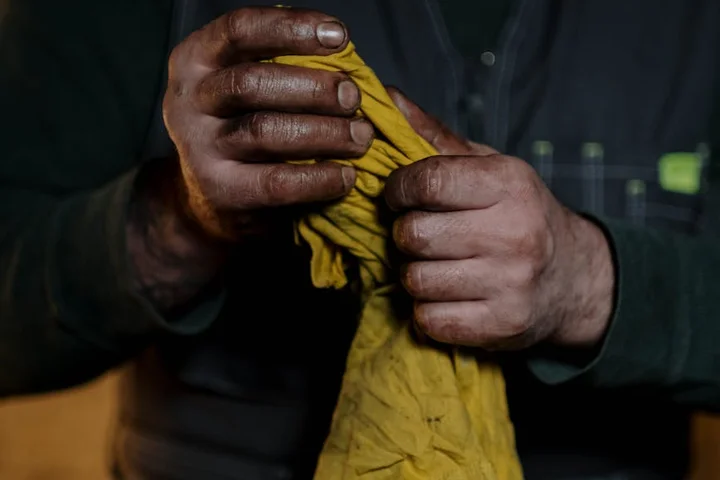
Sometimes, no matter how fast you move, a stain sets. It’s that old oil spot on the driveway or the milkshake from last summer ground into the backseat carpet. The chemistry changes when stains dry and oxidize.
Escalating Your Approach
For set-in grease or oil, you often need a stronger solvent to re-liquefy those bonded molecules. I keep a dedicated degreaser, like one made for automotive engines, for garage floors and tough fabric stains. For old food spills on upholstery, a paste of oxygen bleach and water, left to dwell, can help lift the discoloration.
Always check the label of any strong cleaner against your surface material first. What melts grease can also melt vinyl or discolor dye.
Knowing When to Call for Backup
Modern car interiors are complex. Your seats might be a blend of leather, synthetic suede, and plastic. A dashboard could have a sensitive anti-glare coating.
If you’ve tried a gentle, pH-neutral cleaner on a hidden test spot with no luck, it’s time for a pro. I call for delicate materials like alcantara or for any stain on a car’s headliner. If the headliner is fabric or vinyl, car headliner stain removal may need tailored techniques. That’s why a pro is often the safer choice. The glue holding that fabric up is water-soluble. A DIY attempt can cause a drooping, saggy mess far worse than the stain.
The Non-Negotiable Test Patch
I say this like a mantra: test first. Dab your chosen cleaner on a seam, under the seat, or on a corner of the driveway. Wait 10 minutes. Check for color transfer, texture change, or cloudiness. This simple step has saved my car’s interior more than once.
What Helped Me: Martha’s Old-School Wisdom
My mom, Martha, swore by lard for removing pine sap from clothes. The logic? “Like dissolves like.” One day, Roger got a huge blob of sticky pine resin on his good work jacket. Martha’s method? Rub a little lard into the sap until it loosens, then wash with dish soap to cut the grease.
It worked shockingly well. It taught me that traditional remedies often have a solid chemical basis. The fats in the lard dissolved the resin’s hydrocarbons, breaking that molecular bond so the soap could wash it away.
Working Safely with Stronger Cleaners
Garages and car interiors are confined spaces. Fumes from solvents build up fast. I never use a strong degreaser or aerosol without opening the garage door wide and putting a fan behind me to push air out. For in-car work, I open all doors and work in short bursts. My lungs and my brain thank me for the fresh air.
Smart Habits to Prevent Automotive Stains Before They Start
Fighting stains is reactive. Preventing them is peaceful. It’s all about creating barriers and good routines.
My life with Jason, Jessica, and Peeta is a mobile mess factory. Here’s what actually works for us.
Create Physical Barriers
- Seat covers are lifesavers. I use fitted, waterproof ones in the back for kid and dog duty. A simple towel works too.
- For the driver’s seat, Roger uses a cheap, washable cover during hunting season or after working on the car.
- All-weather floor mats trap mud, melted snow, and spilled drinks. They contain the chaos.
Embrace the “Clean as You Go” Rule
This is the golden habit. After a project, wipe down tools with a rag before they go back in the trunk. Keep a bin of old t-shirt rags in the garage. If a spill happens on the drive, pull over and blot it immediately. Those first few seconds are magical for stopping a bond from forming.
Your On-the-Go Stain Kit
Assemble a small kit for your glove box or trunk. Mine has:
- A few microfiber cloths
- A travel-sized bottle of dish soap (for oils)
- A small spray bottle of water
- A portable carpet spot cleaner pen for fabrics
- Dog poop bags (for wet, messy cloths)
The Chemistry of Prevention
Remember those molecular bonds? Prevention keeps them from happening. A seat cover absorbs the soda, so the sugar molecules never meet your seat fabric. Wiping a grease spot right away removes the hydrocarbon chains before they polymerize into a hard stain. It’s always easier to stop a bond than to break one.
Start with one habit. Toss an old towel in the backseat. Put a plastic tub in the garage for oily rags. You won’t stop every spill, but you’ll win most of the battles before they even start.
FAQ about Chemically Treating Automotive Stains
Why is blue Dawn dish soap so often recommended for fresh oil stains, and can I use any soap?
Blue Dawn is a potent, grease-fighting surfactant blend that’s gentle on dyes. Hand soaps often contain moisturizers that can leave a residue. Always use a clear, classic dish soap for the best lift without adding new stains.
I missed the “golden hour” for a coffee spill. Is the stain now permanent?
Not necessarily, but the chemistry has changed. The tannins have oxidized and bonded. Your next step is to use an oxidizing agent like diluted hydrogen peroxide to break those bonds, but test it on a hidden area first for colorfastness.
What’s a safe alternative to hydrogen peroxide for colored upholstery if I’m worried about bleaching?
Use an oxygen-based stain remover (oxygen bleach) paste. It’s a gentler oxidizer that breaks down organic stains with less risk of bleaching on most colors. Apply a paste, let it dwell for 15 minutes, then blot away. This approach also helps with common biological stains such as sweat, blood, and bodily fluids. For tougher or set-in biological stains, follow with a targeted treatment designed for protein-based stains.
Isopropyl alcohol worked on my grease stain, but now the area feels stiff. What happened?
Alcohol can strip natural oils from fibers, leaving them brittle. After the stain is gone, gently dab the area with a damp cloth to rinse, then condition the material if appropriate (e.g., with a leather conditioner for leather seats).
If oil and grease repel water, why does my first step involve blotting with a water-dampened cloth?
Blotting with water isn’t to dissolve the oil-it’s to remove any water-soluble components mixed with it (like dirt or additives) and to prevent the stain from spreading. This isolates the oily core for targeted treatment with a surfactant or solvent.
Final Tips for Automotive Stain Removal
The most effective strategy is to match your cleaner’s action to the stain’s molecular structure, like using a degreaser for oily bonds or an enzyme for food proteins. I keep this in mind whether tackling Roger’s gear grease or Jessica’s crushed cracker crumbs. That same approach also applies to oil grease stains on clothes, where the right degreaser or solvent can lift the stain without harming fabric. When you’re dealing with oil-based stains on garments, matching the cleaner’s action to the grease makes a noticeable difference. For more practical ways to care for your car and home, follow along with our community at Stain Wiki.
Written by Suzanne Rosi Beringer. Suzanne is an accomplished chemist, laundry expert and proud mom. She knows the science and chemistry of stains and has personally deal with all kinds of stains such as oil, grease, food and others. She brings her chemistry knowledge and degree expertise to explain and decode the science of stain removal, along with her decades long experience of stain removal. She has tried almost everything and is an expert on professional and DIY stain removal from clothes, fabric, carpet, leather and any other items dearest to you.