How Do You Remove Wrinkles from Bed Linens, Sheets, Duvet Covers, and Other Fabrics?
Nothing ruins the crisp look of a made bed like a sea of wrinkles. For immediate relief, mist your linens with water and smooth them flat with your hands or use a quick pass with a garment steamer.
This guide will give you my tested methods for smooth fabrics every time.
- Why fabrics wrinkle and how to prevent it starting in the laundry.
- Fast, no-iron tricks for smoothing a duvet cover right on the bed.
- Safe ironing temperatures and techniques for cotton, linen, and blends.
- How to fold and store linens to avoid set-in creases.
- The tools I actually use, from my favorite iron to the steamer that tackles Jessica’s crib sheets.
I’ve been a fabric-care specialist for years, solving wrinkle and stain problems for my own home and readers.
Why Wrinkles Happen: The Fabric Science and Urgency Guide
Think of wrinkles as a fabric care issue, not a stain. The principles are the same: you’re trying to restore a material’s original state. You don’t scrub, you relax.
Chemistry Corner: The Bond That Bends
At a microscopic level, fibers are long chains of molecules. Heat and moisture break the weak hydrogen bonds holding them in shape. As the fabric cools and dries, the bonds reform in new, often crumpled, positions. Picture a coiled spring; when you mash it, the coils tangle. Wrinkles are the tangle in your fabric’s fibers.
Protein-based fibers like silk and wool are more resilient. They have a natural crimp and spring back better. Plant-based fibers like cotton and linen are stiffer. They crease deeply and often need help to relax. My mom, Martha, always told me to steam, never iron, her good silk blouse. She was right.
The Panic-Level Assessment: Wrinkles are a 2/10
This is a low-urgency situation. You have time. The “Golden Window” for the easiest fix is while the fabric is still warm and slightly damp from the wash or a fresh steam. That’s when the bonds are most pliable.
Deep-set wrinkles from a linen closet or a suitcase are more stubborn. They set as the fibers lose moisture over time. They need a more deliberate approach, but they are absolutely fixable. I’ve rescued tablecloths my mother-in-law, Brianna, stored for years—unlike those stubborn vinyl tablecloths that are a different challenge.
Material Red Flags: Fabrics That Need Gentle Care
Some fabrics will punish you for using high heat. Treat these with kid gloves:
- Silk: High heat can scorch it, leaving a shiny, permanent mark.
- Acetate & Rayon: These are made from wood pulp and can melt or become brittle.
- Delicate Synthetics: Some blends, especially in fast-fashion, have a low heat tolerance.
Your first and best step is always to check the care label inside the item. It’s the manufacturer’s direct advice. For burlap or heavy, untreated linen, you can be more aggressive with steam and tension. But I still test a hidden corner first.
The Surface Compatibility Chart: Adapting Methods for Different Items
You wouldn’t clean a silk tie like a canvas duvet cover. Adjust your approach based on the item.
| Item | Common Fabrics | Best Approach |
| Bed Sheets | Cotton, Polyester Blends | They can handle high heat from a dryer or iron. Shake them out well after drying. |
| Duvet Covers | Thick Cotton, Flannel | Use lots of steam. The thickness means heat needs to penetrate deeply. A garment steamer is perfect. |
| Pillowcases | All types (Sateen, Percale) | Easy to manage. A quick pass with an iron on the right setting does the trick. |
| Shirts & Ties | Silk, Polyester, Cotton | Gentle steam is key. Never press a hot iron directly onto a silk tie. Hang it in a steamy bathroom instead. |
Your Wrinkle First-Aid Kit: Immediate Actions After Washing
What is the fastest way to remove wrinkles from freshly washed bed linens? It’s all about timing. The moment your dryer buzzes, that’s your starting pistol. Don’t let them sit and cool into a crumpled ball, especially when you’ve just spent time to remove stains from bed sheets and comforters.
I set a timer. When it goes off, I pull everything out while it’s still warm. I give each sheet and pillowcase a firm snap and shake before folding. This alone prevents 80% of creases. For a quick touch-up on a folded linen, I use the damp towel trick. I lay a slightly damp, clean hand towel over the wrinkled area and press with a warm, dry iron. The light steam transfers right through.
How to Remove Wrinkles from Bed Linens Without an Iron
I don’t own a traditional iron. With kids and pets, my method needs to be fast and safe. Here’s what I use instead:
- Wrinkle-Release Spray: This is my go-to. I keep a bottle in the laundry room. Spray lightly, tug the fabric smooth, and let it air dry. You can make a DIY version with water, a capful of fabric softener, and a splash of white vinegar in a spray bottle.
- Garment Steamer: This is the champion for heavy items like duvet covers or drapes. The sustained steam relaxes fibers without pressing. I run it over our king-size cover in about three minutes.
- Hair Dryer: For a quick fix on a shirt or a windbreaker, hang the item, set your dryer to medium heat, and blast the wrinkles while using your hand to smooth and stretch the fabric away from the heat.
- Bathroom Steam: Hang the wrinkled item in the bathroom while you take a hot shower. The ambient steam does the work. This is perfect for that “how do you get wrinkles out of a shirt” moment when you’re in a rush.
Does the Ice Cube Dryer Trick Really Work?
Yes, but with clear limits. The science is simple: the ice cubes melt and create steam inside the hot dryer, relaxing the fibers. It’s a great hack for refreshing lightly wrinkled linens or clothing, not for tackling deep-set creases.
Here’s how I do it:
- Place 2-3 ice cubes in a small glass or metal bowl (never directly on the drum).
- Add your wrinkled linens to the dryer.
- Run on a low or medium heat setting for 10-15 minutes.
- Remove immediately and shake out.
Don’t overload the dryer. The steam needs room to circulate. I tried this on a cotton tablecloth that had been folded for a month. It helped, but I still needed my steamer for the sharp creases. For Jason’s soccer jersey right out of the laundry basket, it works like a charm.
Step-by-Step: Removing Wrinkles from Sheets and Pillowcases
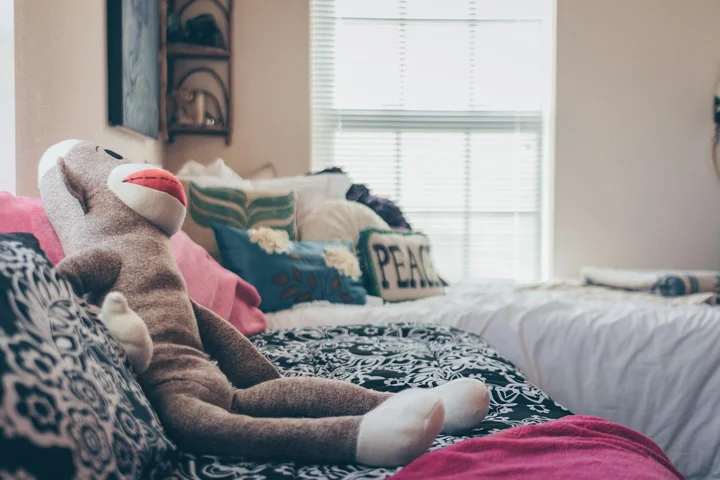
My mom Martha asks me this every time she visits. “What is the best way to get wrinkles out of sheets?” My answer is always the same.
The best method depends on your time and tools, but heat and moisture are your true allies.
For a perfect, crisp finish, nothing beats a good iron. Let’s talk heat settings first. My husband Roger’s cotton work shirts need a hotter setting than my silky pillowcases.
- Check the fabric care label. Linen and cotton can handle high heat. Polyester or blends need a medium setting. Silk or satin requires the coolest “low” setting.
- Preheat your iron to the correct temperature. A too-hot iron can scorch fabric, leaving a shiny, sticky mark.
- Lay the sheet flat on your ironing board. Smooth it out with your hands to tackle the biggest creases first.
- Iron in sections, using slow, steady strokes. Don’t just wiggle the iron around. Glide it for even heat.
Always keep the iron moving to prevent heat damage, especially on delicate fibers.
I don’t always have time for ironing. When Jessica spilled juice on the duvet cover at 7 PM, I needed a faster fix. A handheld garment steamer is my secret weapon for bulky items.
Hold the steamer a few inches from the fabric. Let the steam penetrate the fibers. You will see the wrinkles relax right before your eyes. It’s magic.
For a no-tool method, try rolling. Dampen the sheet lightly with a spray bottle of water. Roll it up tightly, like a sleeping bag. Let it sit for 20 minutes. The moisture evens out the fibers from the inside.
My aunt Jessica from Arizona taught me a great trick for freshening. Mix one part white vinegar with three parts water in a spray bottle. A light mist over the linen kills odors and helps relax wrinkles before ironing. Just be cautious when using it on delicate fabrics like wool or cashmere sweaters.
For very delicate fabrics, place a damp, thin cotton cloth between the iron and the sheet. This pressing cloth adds a buffer of steam and protects the material from direct heat.
Post-Treatment Recovery: Drying and Checking Your Work
Your job isn’t done when you turn off the iron. Let the fabric cool and settle on a flat surface for a few minutes. The heat makes fibers pliable. They need a moment to set into their new, smooth shape.
Run your hand over the entire surface to feel for any stubborn ridges or creases you might have missed.
I do this with all our pillowcases. If I find a wrinkle, I hit it with a quick steam or iron pass while the fabric is still warm. It’s much harder to fix it later.
If you used the damp rolling method or a spray, the fabric might be slightly damp. Hang it over a shower rod or a drying rack to air dry completely. Do not put it away damp. That invites mildew and new wrinkles.
Avoid drying in direct sunlight. My mom Brianna from Southern Texas learned this the hard way. The sun can fade bright colors and prints quickly, leaving you with a smooth but dull sheet.
Once everything is cool and bone-dry, you can fold or put the linens back on the bed. That’s when you get the real reward: a bed that looks and feels hotel-fresh.
Conquering the Duvet Cover and Other Thick Fabrics
How do you remove wrinkles from a duvet cover quickly? Start by shaking it like you mean it.
I learned this wrestling with our king-size cover after a wash. Roger held one end, I grabbed the other, and we gave it a series of sharp, forceful snaps.
That vigorous shaking lifts and separates the fabric layers, breaking up the worst wrinkles before you even think about heat.
For deep-set wrinkles in thick cotton or linen, your dryer is your best friend. Toss the damp item in with two or three clean dryer balls.
My aunt Jessica in Arizona uses this trick for her heavy quilts. The balls bash around, creating space for hot air to circulate and smooth the fibers.
Run a high-heat cycle for 10-15 minutes, then pull the item out while it’s still slightly damp to finish.
If stubborn creases remain, a steam iron on its highest safe setting for the fabric works wonders. Use a pressing cloth for dark colors to prevent shine.
I keep a thin cotton tea towel in my ironing basket just for this. Hover the iron close and blast steam directly onto the wrinkle, then gently press. But make sure to remove wrinkles from leather or suede safely.
Safe DIY Alternatives for Wrinkle Release
You don’t always need a store-bought spray. A simple DIY mix can relax fibers beautifully.
Here are two I use all the time.
- Basic Softener Spray: Fill a spray bottle with distilled water and add 4-5 drops of liquid fabric softener. Shake well.
- Vinegar Freshener Spray: Mix one cup of water with one tablespoon of white vinegar in a spray bottle.
Both solutions mimic commercial products by lightly dampening the fabric.
The moisture helps hydrogen bonds in the fibers relax, letting the wrinkles fall out as the fabric dries.
Spritz lightly from about 10 inches away, then gently tug and smooth the fabric with your hands.
Let it air dry. The vinegar version leaves no smell and is great for my son Jason’s sports jerseys.
Never use these on delicate silks or vintage fabrics without testing first. I once caused water spotting on a scarf my mom Martha gave me.
Always spot-test any spray on a hidden seam or corner to check for color bleeding or texture changes.
Special Care for Delicate and Finicky Fabrics
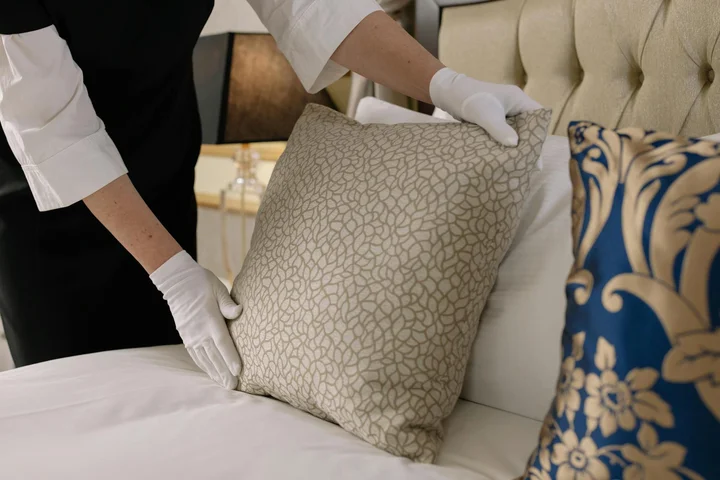
Not all fabrics can handle the same treatment. High heat or aggressive steaming can melt, scorch, or glaze a delicate material in seconds. Your approach needs to match the fiber.
Linen: The Wrinkle-Loving Classic
Linen wrinkles if you look at it too hard. It’s part of its charm. When you’re figuring out how do you get the wrinkles out of linen, think moisture and patience, not brute-force heat. A hot, dry iron can make linen look brittle. That same gentle approach works for removing wrinkles from rugs and carpets. Keep moisture and patience, not brute-force heat, when smoothing those fibers as well.
If you don’t have a steam function, there are excellent no-steam methods. I often hang a slightly damp linen shirt in the bathroom during a hot shower. The ambient steam relaxes the fibers beautifully.
- Air-dry linen items while giving them a firm snap and smooth them with your hands.
- For deeper wrinkles, mist with a light spray of water and smooth flat before air-drying completely.
- Iron linen while it is still slightly damp, using the highest heat setting your iron has with steam.
Silk: Handle with Care
Silk is protein-based, like your hair. You wouldn’t put a straightening iron on high heat directly on dry hair, right? Same principle. The safest answer for how do you get wrinkles out of silk is to use a dedicated garment steamer held a few inches away. Direct contact with a hot iron, even on a “silk” setting, risks water spots and shine damage.
- Never spray water directly on silk before ironing, as it can leave permanent marks.
- Use a pressing cloth (a clean cotton pillowcase works) between the iron and the silk.
- Iron on the reverse side of the fabric on the lowest possible heat setting.
Polyester and Synthetics: The Heat-Sensitive Crew
Polyester, nylon, and similar synthetics can melt or develop a shiny, glazed appearance from too much heat. Learning how do you get wrinkles out of polyester is about using the absolute lowest heat setting that does the job. My son Jason’s soccer windbreaker and many of my husband Roger’s hunting shirts are polyester blends, so I deal with this constantly.
- Always use a low heat or “synthetic” setting on your iron.
- Employ a pressing cloth for an extra layer of protection.
- A handheld steamer is often safer and faster for these materials.
For items like ties or a delicate windbreaker, I use gentle hand-steaming. I hold the steamer nozzle 6-8 inches away and let the steam billow through the fabric, using my other hand to gently pull the item taut. No direct contact needed.
What Helped Me: A Field Note from the Stain Wiki Editor
My mom, Martha, taught me the best linen trick. She has these beautiful linen tablecloths in North Texas. When they get deeply creased from storage, she doesn’t fight them. She lightly mists them with water, rolls them up loosely (don’t wring!), and lets them sit for an hour. The moisture distributes evenly, relaxing the fibers. When she irons them afterward, the wrinkles surrender with almost no effort. I use this for my good linen napkins all the time. That same method works for drapes too—mist, roll loosely, and let them relax before hanging to remove drapes’ wrinkles without iron. It’s a quick, gentle trick you can use anytime.
For a quick fix on a polyester blouse, I’ve used a hair dryer on its cool setting. Hold it a foot away, stretch the fabric slightly taut with your free hand, and blow the wrinkles out. The airflow can help smooth the fibers without any heat damage. It’s not for deep creases, but it’s a great last-minute save.
Laundry Day Tricks to Stop Wrinkles Before They Start
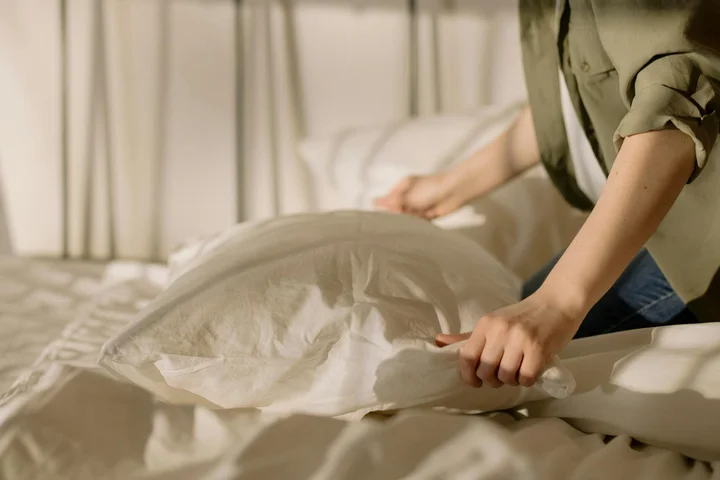
How do you prevent wrinkles from forming in bed linens during storage and washing? My mom, Martha, taught me this: wrinkles start long before you pull a sheet from the dryer. It’s a chain reaction. The goal is to break the chain at every step.
You need good laundry habits. My first rule is about volume. Don’t stuff the washer. Linens need room to slosh around freely in the water and detergent.
An overloaded washer forces fabric into tight, twisted knots that set into stubborn creases.
Use the correct water temperature. Hot water can relax cotton fibers and help release dirt, but always check your care labels first. For most modern blends, warm water is a safe, effective choice.
The most critical step happens after the wash. You must remove linens from the dryer the second the cycle ends.
Letting warm, slightly damp linens sit in a tangled heap is a guaranteed ticket to wrinkle city.
I set a timer. When it beeps, I’m there, pulling out each piece to fold or put on a bed immediately. It makes all the difference.
Improving dryer airflow is a game-changer. I add three wool or rubber dryer balls to every load. They tumble between the sheets, physically separating them.
This action lets the hot air circulate better, drying things more evenly and preventing damp, wrinkled clumps.
Finally, think about storage. Neat folding isn’t just for looks. It prevents deep-set creases. I fold my sheets and store them flat on a shelf, never crammed in the back of a closet. For duvet covers, I turn them right-side out before folding to keep the fabric smooth.
Recommended Products for Wrinkle-Free Fabrics
Sometimes, prevention isn’t enough. That’s when these tools earn their keep. I’ve tested them all on everything from Jason’s soccer jerseys to my best tablecloth.
Fabric Steamers are my top pick for delicate items. They work by shooting a jet of hot vapor onto the fabric. The moisture relaxes the fibers, allowing the wrinkles to fall out. Unlike using water directly which can sometimes damage delicate fabrics, steam is gentler and safer for delicate outerwear.
The best part? There’s no direct hot plate contact, so it’s safe for silks, velvets, or any fabric you’d hesitate to iron.
Handheld Irons are the classic for a reason. They use a combination of heat and pressure for a crisp, sharp finish on cotton and linen.
I always use the steam function and keep the iron moving to avoid scorching. It’s perfect for pillowcases and napkins.
Wrinkle-Release Sprays are my secret weapon for quick fixes. You simply mist the wrinkled area, then gently pull and smooth the fabric with your hands.
The solution lightly dampens the fibers, relaxing the creases as it dries. I keep a bottle in my suitcase and by the laundry room for last-minute touch-ups.
Dryer Balls are a preventative product worth mentioning again. They are not for removing existing wrinkles but are essential for stopping them from forming in the first place.
I use them in every dryer cycle. They reduce drying time, soften fabrics naturally, and that constant tumbling action is the enemy of creases.
The Stain Wiki Editor’s Final Checks and Troubleshooting
Let’s do one last walkthrough together. I want to make sure you’re set for success.
Think of this as my laundry room pep talk, drawn from years of smoothing everything from Peeta’s blanket to Jessica’s dress-up costumes.
First, a quick summary of what truly works. I always start gentle.
- Wash with cool water on a slow, gentle cycle.
- Pull linens from the dryer while they’re still warm and slightly damp.
- Use steam from an iron or a handheld steamer for immediate touch-ups.
These steps form the foundation. My aunt Jessica’s linen napkins taught me that.
But sometimes, wrinkles dig in their heels. Here’s my troubleshooting.
If a sheet or duvet cover is still a crumpled mess, re-wash it with less agitation.
A gentle cycle reduces fiber twisting, which is often the root cause of deep-set wrinkles.
I learned this from my mom, Martha, with her heavy cotton quilts. Less soap can help, too.
For steaming, patience is your new best friend. Don’t just wave the steamer around.
Try a longer steam session, holding the nozzle an inch away and moving it slowly over the fabric.
This deeper heat penetration worked on Edward’s stubborn soccer jersey after a weekend at our house.
Before you try any new trick, always test it on a small, hidden area first.
This test spot saves you from heartbreak, like accidental color fade or fabric damage.
Use the inside of a seam or a corner no one sees. I do this religiously, even with my trusted methods.
Finally, adapt everything based on the fabric and your own hands-on experience.
Your growing knowledge is powerful. What smooths cotton might wilt rayon.
I tweak my approach all the time. Roger’s canvas gear gets one treatment, Jason’s polyester sheets another. You’ll find your rhythm.
FAQ about Removing Wrinkles from Bed Linens
How do you prevent wrinkles from forming on linens during storage?
Always fold linens completely cool and dry, and store them flat on a shelf instead of cramming them in. For items like duvet covers, turn them right-side out before folding to minimize deep creases along the seams.
Does the ice cube dryer trick work for deep-set wrinkles?
No, it’s best for refreshing lightly wrinkled, already-clean fabrics. For deep-set creases from long storage, you need a more direct method like a steamer or iron with steam to fully relax the fibers.
Can I use a vinegar solution on any fabric to help with wrinkles?
First, always spot-test on a hidden seam. While safe for most cottons and linens, avoid using it on delicate silks or vintage fabrics, as the moisture can cause water spotting or damage delicate dyes.
What’s the fastest no-tool method for wrinkles right out of the dryer?
Immediately shake and snap each item vigorously while it’s still warm. The tension from pulling and the hot, pliable fibers will cause many wrinkles to fall out as you smooth and fold.
How do you handle stubborn wrinkles on a thick duvet cover already on the bed?
Mist the wrinkled areas lightly with water or a wrinkle-release spray. Then, firmly tug and smooth the fabric flat with your hands, using the weight of the comforter inside to help stretch the material.
Your Roadmap to Relaxed, Smooth Fabrics
After smoothing everything from Jessica’s crib sheet to Brianna’s vintage tablecloth, I stand by one rule: heat and moisture are your best allies, but timing is everything. Whether you use a steamer, a damp towel in the dryer, or a timely iron, the goal is to apply gentle warmth while the fibers are still receptive to change. I share new, tested methods for keeping your home looking fresh every week right here on the blog-I’d love for you to follow along.
Suzanne is an accomplished chemist, laundry expert and proud mom. She knows the science and chemistry of stains and has personally deal with all kinds of stains such as oil, grease, food and others. She brings her chemistry knowledge and degree expertise to explain and decode the science of stain removal, along with her decades long experience of stain removal. She has tried almost everything and is an expert on professional and DIY stain removal from clothes, fabric, carpet, leather and any other items dearest to you.