How to Remove Fresh and Dried Blood Stains from Mattresses and Beds
Discovering a blood stain on your bed is a common panic moment, but don’t worry. Whether it’s fresh from a shaving cut or dried from a forgotten scrape, you can tackle it effectively with items already in your pantry.
This article will give you a clear, step-by-step plan. Here’s what we’ll cover:
- The crucial first step for a fresh stain that makes all the difference.
- My tested method for dried, set-in blood that even worked on my husband Roger’s hunting gear.
- How to safely clean different mattress types without causing damage.
- Simple ways to eliminate any lingering odor for good.
I’ve been solving these messy problems for years, from my daughter Jessica’s art accidents to my dog Peeta’s muddy paws.
Assess the Stain: Your Panic Level and Golden Window
Let’s figure out what you’re dealing with. I use a simple Panic-Level scale from 1 to 10.
A fresh, small spot from a paper cut? That’s a manageable Level 4. A large, dried stain from a forgotten nighttime nosebleed? That’s a daunting Level 9.
Your best friend is the “Golden Window,” which is about 15 to 30 minutes after the spill happens. Blood starts to set as it dries, and the proteins bind tighter to the fibers.
I think of my son Jason’s soccer scrapes or a sudden nosebleed from my daughter Jessica. These are common home moments.
My mom Martha always said to act fast but stay calm. Panic leads to mistakes like using hot water or scrubbing, which set the stain for good.
First Aid for Fresh Blood: The Immediate Blot-and-Lift Method
When you find a fresh stain, your first moves are critical. This method works on mattresses, sheets, or clothing.
Remember this absolute rule: you must use only cold water at the start. Heat cooks the protein in blood, making it a permanent part of the fabric.
Blotting is a gentle press-and-lift motion. Rubbing grinds the blood deeper. Always use a clean, white cloth so you can see the stain transferring.
Life isn’t always at home. For an “On-the-Go” fix, mimic this in a public bathroom.
Grab several paper towels. Wet them with cold water, add a tiny dab of liquid hand soap, and gently blot the stain. It’s a decent first attack.
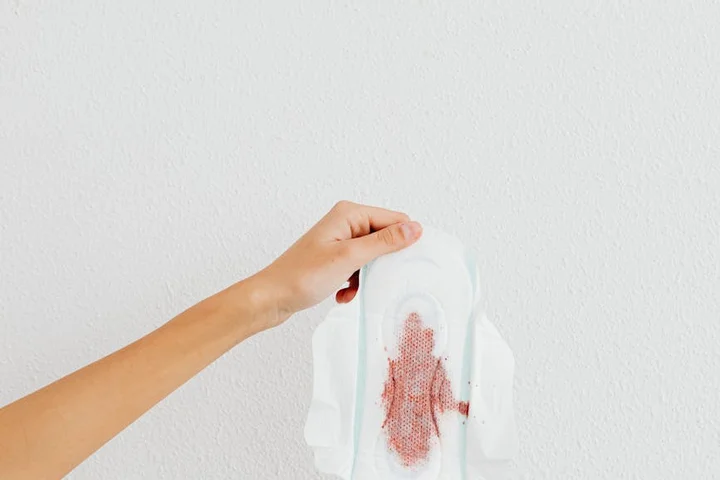
So, how do you remove fresh blood stains from a mattress? The core steps are below, but for a mattress, you work extra carefully to avoid soaking the core—especially when it’s more delicate than regular fabric, like when removing period blood stains from a mattress.
The Step-by-Step Rescue for a Fresh Spill
Follow this order. I keep these supplies in a hall closet for emergencies.
- Blot. Use a dry, clean white cloth or paper towel to soak up as much liquid blood as possible. Press down firmly.
- Mix a solution. In a bowl, combine a teaspoon of clear dish soap with two cups of cold water. Dish soap cuts the fats in blood.
- Apply and blot. Dip a corner of a clean cloth in the solution. Dab it onto the stain, starting from the outer edge and moving inward.
- Rinse. Dampen another cloth with plain cold water. Dab the area to rinse out the soap. This prevents a sticky residue.
- Press dry. Lay dry towels over the spot and press down firmly to absorb all the moisture. For a mattress, you might need to flip it for air circulation.
Working from the outside of the stain inward contains the mess and stops it from growing into a bigger, uglier blotch. I learned this after trying to clean a spill from my Labrador Peeta’s paw print.
Battling Dried Blood: How to Loosen and Lift Set-In Stains
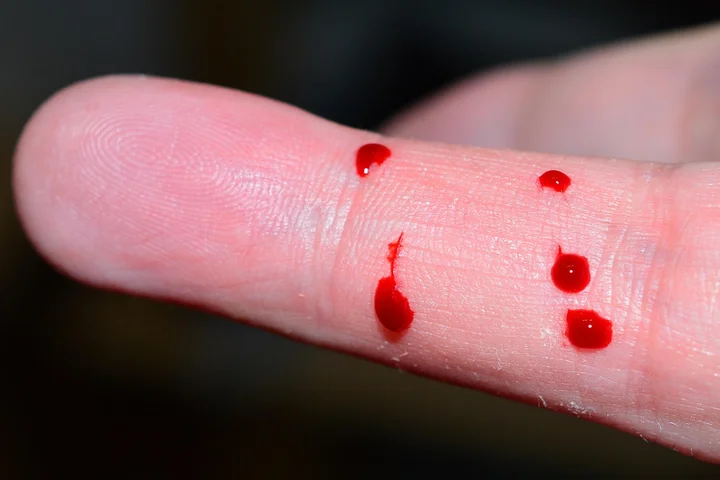
So, the stain is dry, dark, and feels like it’s part of the mattress now. I hear you. “How do I get dried blood out of a mattress?” was my exact thought when my son, Jason, bumped his nose at a sleepover. The key is patience and a method that respects the fabric. Dried stains need a two-part strategy: rehydration and gentle persuasion.
You must rehydrate the stain first to break its bond with the fibers before any cleaning solution can work. Think of it like trying to clean dried mud off a shoe; you need to soften it up. This process often needs a bit more gentle scrubbing and might require you to repeat the application to fully lift the color. Dye stains can be particularly stubborn, so patience is key.
This approach directly answers, “How should you treat a dried blood stain that has set into the fabric?” You treat it with respect for its age, not with more force, especially when dealing with vintage textiles.
Your Patience-Pays-Off Process
Follow these steps in order. Rushing can push the stain deeper.
- Gently scrape. Use a dull knife or a credit card edge to flick away any flaky, crusted residue. Be light.
- Rehydrate the area. Lightly mist the stain with cold water from a spray bottle. For a tougher set-in mark, I pre-treat by misting with an enzyme-based cleaner and letting it sit for 10 minutes to start breaking things down.
- Let it sit. Give that moisture 10 full minutes to seep into the stain and loosen it up. This wait is the most important step.
- Apply your cleaner. Use a small amount of your chosen solution from the arsenal below. Drizzle or dab it on, don’t pour.
- Agitate gently. Use a soft-bristled brush (an old, clean toothbrush is perfect) to work the cleaner into the fabric in a light, circular motion.
- Blot and rinse. Press firmly with a clean, white cloth to soak up the solution and lifted stain. Then, mist the area with plain cold water and blot dry again to rinse.
My pro-tip? That old toothbrush is your best friend for the tufts and seams of a mattress cover. It lets you scrub with precision without soaking the whole area.
Your Stain-Fighting Arsenal: Safe Products and DIY Kitchen Mixes
You don’t always need a specialty product. Some of the best tools are already in your home. Here’s what works and why.
Hydrogen Peroxide (3%): This is my first reach for fresh stains. It fizzes as it lifts the blood. Always test on a hidden seam first, as it can have a mild bleaching effect on some dark fabrics.
Baking Soda: A fantastic deodorizer and gentle abrasive. Mixed with water into a paste, it can help lift a stain when gently scrubbed. Some guides compare baking soda with white vinegar for stains, showing that each works best on different fabrics and types of stains.
White Vinegar: Its mild acidity helps break down the stain and neutralize odors. It works well in a spray bottle with cold water.
Clear Liquid Dish Soap: The mild surfactants in dish soap (like Dawn or Palmolive) help surround and lift the stain particles so they can be blotted away.
Table Salt: When sprinkled on a fresh, damp blood stain, salt can help pull the moisture and stain out of the fibers as it dissolves.
Enzymatic Cleaners: Products like Nature’s Miracle or Kids ‘N Pets use enzymes to literally digest the proteins in blood. In biochemistry terms, these proteases break down blood proteins into smaller peptides and amino acids. This enzymatic action is why they are incredibly effective, especially on older stains.
Safe DIY Alternatives
Out of commercial products? Try these.
- A Thick Baking Soda Paste: Mix baking soda with just enough cold water to make a spreadable paste. Apply, let it dry completely, then brush or vacuum it away.
- A Salt Scrub: For a fresh stain, cover it with a pile of salt. Then, gently drizzle cold water over the salt to make a scrubbing slurry. Blot it up after a few minutes.
Your Questions, Answered
What household products are effective for blood stain removal? Hydrogen peroxide, baking soda paste, cold water with dish soap, and white vinegar are all highly effective when used correctly, especially for delicate fabrics like underwear.
Can baking soda and vinegar be used together for blood stains? Not mixed in one bottle. The reaction fizzes and neutralizes both ingredients. Use them in sequence: first vinegar to break down the stain, then a baking soda paste to lift and deodorize. I learned this from my mom, Martha, who swears by a vinegar spray followed by a baking soda scrub for tough kitchen messes.
Recommended Product Categories
When you do shop, look for these types of cleaners. They are safe for fabrics and highly effective.
- Oxygen-Based Bleaches (e.g., OxiClean): These are color-safe powders that activate in water. Great for soaking smaller, removable covers or for a final mattress treatment.
- Enzyme-Based Spot Cleaners: My absolute favorite for biological stains like blood, milk, or pet accidents. They do the biochemical work for you.
- Mild, Clear Liquid Soaps: A bottle of clear, dye-free dish soap or castile soap is a staple. It’s my go-to for the initial gentle agitation on most fabric stains.
The Chemistry Corner: Why Blood Stains Behave This Way
Think of a blood stain like an egg yolk on fabric. They are both protein stains. This is the key to understanding everything.
Proteins have a unique reaction to heat. Just like an egg white turns from clear to solid white in a hot pan, blood proteins solidify when they get hot.
Using hot water literally “cooks” the blood proteins, fusing them permanently to the mattress fibers.
Cold water is the hero here. It doesn’t trigger that coagulation. Instead, it helps to rehydrate and loosen the stain molecules.
Hydrogen peroxide is another key player. It works through oxidation, gently breaking the stain molecules apart at a chemical level. It’s like the stain is a complicated knot, and the peroxide helps untie it strand by strand. Over time, stain removal techniques have evolved—from rudimentary cleaners to targeted chemical approaches. This evolution helps explain why hydrogen peroxide is such a versatile option today.
Your best tools are cold water to prevent setting and hydrogen peroxide to dismantle the stain that’s already there.
Surface-Specific Smarts and Critical Warnings

Not all mattresses are the same. Your technique must adapt to protect the materials underneath the stain.
Mattress Quick-Reference Chart
- Memory Foam/Latex: Use minimal liquid. Blot with gentle pressure. A wet-dry vacuum is your friend.
- Traditional Innerspring: Clean only the fabric surface. Prevent any soak-through to the padding inside.
- Pillow-Top or Euro-Top: Treat like a delicate innerspring. Extra layers mean extra caution with moisture.
- Hybrid (Foam + Springs): Use the stricter rules-follow the memory foam guidelines to be safe.
Material Red Flags: Never Do This
- Never use hot or warm water on a blood stain.
- Never scrub or use a stiff brush. This grinds the stain deeper.
- Never use ammonia or bleach-based cleaners. They can set protein stains.
- Never soak a mattress. You will create a mold problem.
Always perform a hidden spot test with hydrogen peroxide, especially on colored fabrics or specialty foams.
A reader often asks, “Is hydrogen peroxide safe to use on all mattress types?” The honest answer is: almost always, but you must test first. Dab a tiny bit on a seam or corner, wait 10 minutes, and check for bleaching or damage.
What Helped Me: I learned the hard way with my dog Peeta. A small cut on his paw led to a blood spot on our memory foam bed. I used a spray bottle to mist the cleaning solution lightly, which gave me perfect control and stopped me from over-wetting the sensitive foam.
Adapting Your Approach
For Memory Foam or Latex
These materials act like sponges. Dumping liquid creates a deep, wet patch that takes forever to dry.
Use the “blot-don’t-pour” method religiously. Apply your cold water or peroxide solution with a damp cloth or light mist, never directly from a bottle.
After cleaning, press a dry towel into the area with firm weight to soak up moisture, or use a wet-dry vacuum on the suction-only setting.
For Traditional Innerspring Mattresses
The risk here is sending moisture through the thin fabric layer into the batting or padding inside. Once that’s wet, it’s almost impossible to dry fully.
Your goal is surface-level cleaning only. Work in small, controlled sections and blot aggressively with dry towels between each wet application.
If you feel dampness more than a quarter-inch below the surface, stop and focus on drying completely before adding more cleaning solution.
Aftercare and Prevention: Drying Right and Keeping Stains at Bay
You’ve lifted the stain. Great work. But the job isn’t done until that mattress is bone-dry. A damp mattress is a moldy mattress, and that’s a whole new problem.
I learned this the hard way after cleaning Jason’s mattress from a bloody nose incident. I was in a rush and didn’t dry it properly. A week later, a faint musty smell told me I’d messed up.
The Post-Treatment Recovery Process
Think of this as the mattress’s healing time. Your goal is to move air over and through the damp spot as fast as possible.
- Air Circulation is Key. Open windows in the room. Place a fan directly facing the cleaned area. If you have a box fan, even better. Point it at the mattress and let it run.
- Consider a Dehumidifier. If you live in a humid area like my Aunt Jessica in Arizona sometimes deals with, a dehumidifier in the room pulls moisture from the air and speeds everything up.
- Sunlight with Caution. If you can, move the mattress near a sunny window. Sunlight is a natural disinfectant and deodorizer. But be careful: prolonged direct sun can fade dark fabrics, so monitor it closely.
How Do You Ensure the Mattress is Completely Dry to Prevent Mold?
This is the most critical question. Mold can start growing in 24-48 hours on a damp surface. Don’t guess.
Use the “Hand Test.” Press the palm of your hand firmly onto the cleaned area. Hold it there for 15 seconds.
If you feel any coolness or dampness, it’s not dry. The mattress is still pulling heat from your hand to evaporate moisture.
If it feels the same temperature and dryness as the surrounding fabric, you’re likely safe.
Plan for this to take time. Allow a full 24-48 hours of active air circulation before you remake the bed. I know it’s inconvenient, but a night on the couch is better than a moldy mattress.
How Do You Prevent a Blood Stain From Setting?
Prevention is always easier than removal. It boils down to two things: speed and barriers.
Act immediately with cold water. The moment you see fresh blood, grab a cloth and some cold water. Blot, don’t rub. Keep blotting with a clean section of the cloth until no more transfers. My husband Roger knows this from his hunting gear-immediate cold water rinse stops the stain in its tracks. Note that other stains may respond differently to hot water, but blood is best tackled with cold first. We’ll cover hot versus cold water stain removal and when each is appropriate in the next steps.
Invest in a waterproof mattress protector. This is non-negotiable in my book. It’s a simple barrier that saves you so much stress. We have one on every bed, especially after Peeta decided a guest bed was her new nap spot. It washes easily and keeps the mattress pristine underneath.
A Final Pro-Tip for Future Spills
Be ready for the next accident. I keep a small “stain station” in our laundry room.
It’s just a caddy with a spray bottle of plain cold water, a few white microfiber cloths, and a bar of plain Castile soap. When Jessica spills juice or Jason tracks in something, I can grab it and go without searching for supplies.
That two-minute response time makes the difference between a quick blot and a hours-long cleaning project. It’s a simple habit that pays off again and again.
FAQ about Removing Blood Stains from Mattresses
Is hydrogen peroxide safe for my type of mattress?
Hydrogen peroxide is generally safe for most mattresses, but always test it on a hidden seam first. This quick check prevents potential bleaching or damage to sensitive materials like memory foam or dark fabrics.
Can I mix baking soda and vinegar to clean a blood stain?
Do not mix them together, as the reaction neutralizes their cleaning power. Instead, use vinegar first to break down the stain, then apply a baking soda paste to lift and deodorize.
What mistakes should I avoid when cleaning blood from my mattress?
Never use hot water or scrub aggressively, as this sets the stain deeper. Also, avoid ammonia or bleach-based cleaners, which can worsen protein stains and damage fabrics. For biological stains, such as blood, sweat, or urine, treat with cold water and a mild enzyme cleaner. See our guide on removing biological stains from fabric for step-by-step methods.
How can I make sure my mattress is dry enough to prevent mold?
Use the “hand test”: press your palm on the cleaned area for 15 seconds; if it feels cool or damp, continue air-drying with fans or a dehumidifier. Allow 24-48 hours of active drying before remaking the bed to ensure complete moisture removal.
What’s the best way to stop a fresh blood stain from setting?
Act immediately by blotting with cold water and a clean cloth-never rub. Investing in a waterproof mattress protector creates a barrier that makes future clean-ups quick and prevents stains from reaching the mattress.
Protecting Your Mattress After the Cleanup
Your best move is always to blot fresh blood with cold water right away, because warm water locks the stain in. For older, dried stains, a targeted enzyme cleaner applied with a soft cloth saves the fabric and your sanity. I rely on these methods after everything from Jason’s soccer scrapes to my own mishaps, and I share all our real-life cleaning stories over on the blog.
Written by Suzanne Rosi Beringer. Suzanne is an accomplished chemist, laundry expert and proud mom. She knows the science and chemistry of stains and has personally deal with all kinds of stains such as oil, grease, food and others. She brings her chemistry knowledge and degree expertise to explain and decode the science of stain removal, along with her decades long experience of stain removal. She has tried almost everything and is an expert on professional and DIY stain removal from clothes, fabric, carpet, leather and any other items dearest to you.