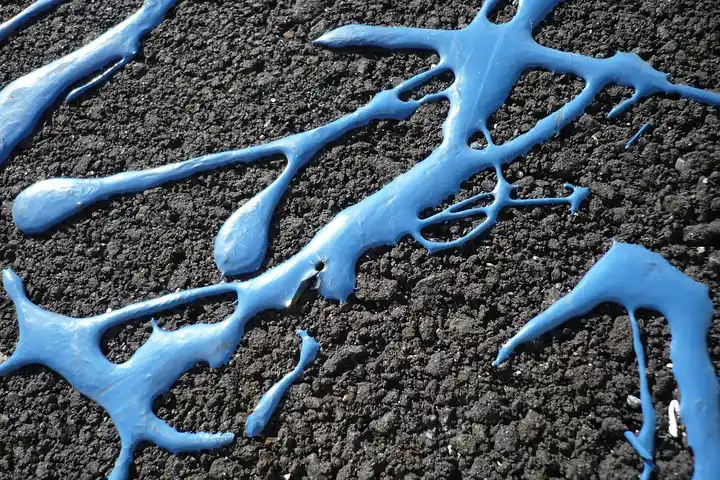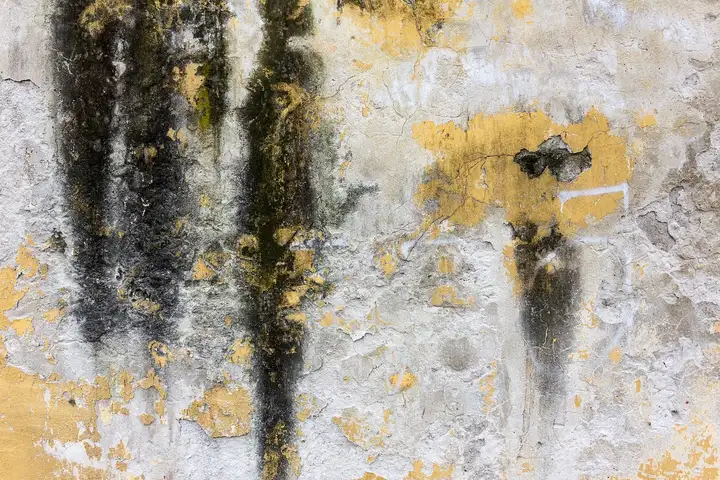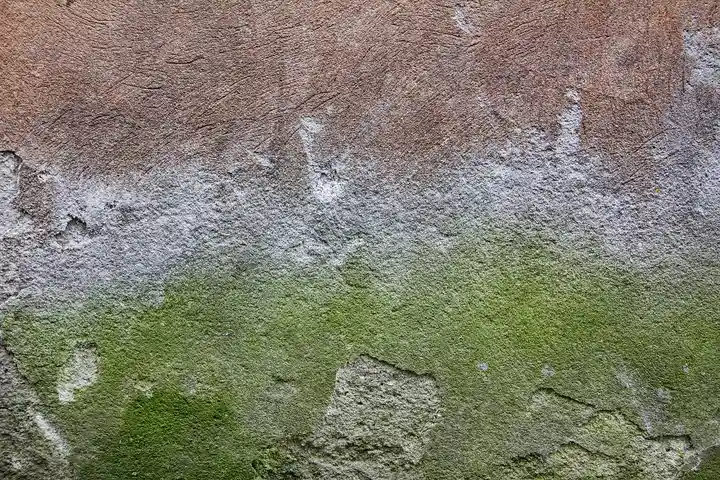
How Do You Remove Oil, Grease, Rust, Paint, and Mold Stains from Concrete?
Staring at a new oil spot from the lawnmower or a creeping mold stain can feel defeating, but take a deep breath-I’ve been there too. For immediate action, blot fresh spills with kitty litter or cornstarch, and for set-in stains, a paste of baking soda and water or a dedicated concrete cleaner often does the trick.
This guide will walk you through my tested methods for each common concrete stain, including:
- Oil and Grease: Using absorbents and degreasers to lift slippery residues.
- Rust: Applying gentle acids like white vinegar or citric acid to dissolve the stain.
- Paint: Removing spills quickly with solvents or pressure washing before they harden.
- Mold and Mildew: Safely killing growth with oxygenated bleach or vinegar solutions.
- Stain Identification: Figuring out what you’re dealing with for the right fix.
I’ve cleaned countless stains from my own driveway and patio, learning from messes made by Roger’s tools, the kids’ activities, and Peeta’s adventures.
What You’re Really Dealing With: Concrete Stain Science 101
Think of a fresh concrete surface like a dry kitchen sponge. It’s not smooth like glass. It’s full of tiny holes and a rough texture.
This porosity means spills don’t sit on top. They get sucked right in. I see it every time Roger changes the oil in his truck.
Not all stains are the same. You need to know what you’re fighting.
- Penetrating Stains (Oil & Grease): These are liquids that seep deep. Picture bacon grease soaking into a paper towel.
- Chemical Stains (Rust): This is a reaction. Metal tools or furniture leave iron particles that literally rust on the concrete.
- Topical Stains (Paint): These sit on the surface. It’s like when Jessica, my three-year-old, decides the patio is her new canvas.
- Biological Stains (Mold & Mildew): These are living things. They grow in damp, shaded spots, leaving green or black splotches.
The single biggest factor for success is how fast you act after the spill happens. A fresh oil puddle is a simple wipe-up. One baked in by the summer sun for a week is a battle.
How you get a stain off your concrete depends entirely on this initial classification. You wouldn’t use paint thinner on a mold patch.
Your Concrete Stain Removal Toolkit
You don’t need a chemistry degree. My toolkit is mostly stuff from under the kitchen sink or the hardware store.
Here are my go-to solutions and why they work.
- Dawn Dish Soap: This is my first line of defense for grease. Its formula cuts through oil like a hot knife through butter. I always have the blue original on hand.
- White Distilled Vinegar: This mild acid is fantastic for dissolving mineral deposits like rust or hard water marks. It’s cheap and non-toxic.
- Trisodium Phosphate (TSP): A heavy-duty cleaner for tough grease and smoke stains. I use it on the driveway after Roger’s grill sessions.
- Oxygen Bleach (like OxiClean): My favorite for organic stains. It brightens without the harshness of chlorine bleach. It saved my patio after a berry-picking incident with the kids.
- Dedicated Concrete Cleaners: For set-in oil stains, a product like Oil Eater or a concrete degreaser is a smart buy. They’re formulated for this exact job.
Good tools make the job easier. You’ll need a stiff-bristle brush for scrubbing. A plastic paint scraper is perfect for lifting wet paint or thick gunk.
A simple garden sprayer lets you apply solutions evenly. For rinsing, a hose with a spray nozzle is essential.
Never, ever mix chlorine bleach with ammonia or an acid like vinegar. This creates dangerous, toxic gas. I learned this safety rule from my mom, Martha, years ago. Always work in a well-ventilated area and wear gloves.
Surface Compatibility: Driveway vs. Patio vs. Indoor Floor
Where the stain is matters as much as what it is. You can be more aggressive outside than inside.
For indoor floors, I often start with just hot water and a microfiber mop. It’s surprising how much that lifts.
Outdoors, I’m not as worried about a little extra water. But on the patio, I always rinse toward a drain, not my rose bushes.
How Do You Remove Oil Stains from Concrete? (The Garage Floor Special)
You use a two-pronged attack: absorb the liquid and then break down the grease. The exact method depends entirely on whether the stain is wet or has been baking into the surface for weeks. If you’re dealing with fabric, it’s important to use the appropriate techniques for grease stains on clothes.
I learned this lesson the hard way courtesy of Roger. His old riding lawnmower developed a slow leak last spring. He kept meaning to fix it, but between work and coaching Jason’s soccer team, it sat. For a month. A perfect, dark, greasy shadow bloomed under it in our garage.
That old stain took real work to pull out, which is why acting fast on a fresh spill is your biggest advantage.
First Aid for a Fresh Oil Spill
Speed is everything here. Your goal is to stop the oil from sinking deep into the concrete’s pores, where it becomes a permanent shadow.
First, smother it. I keep a bag of cheap, clay-based cat litter in the garage for this exact reason. Dump a generous pile directly onto the spill, completely covering it. Let it sit for 10-15 minutes. You’ll see it start to turn dark as it absorbs the oil.
Next, scrape up the now-oily litter with a stiff putty knife or a piece of cardboard. Toss it in the trash.
Now, attack the residue with a concrete-safe degreaser or a heavy-duty dish soap like Dawn. Pour it on, scrub vigorously with a stiff-bristle brush, and rinse with hot water. For a small spill, this often does the trick.
Lifting an Old, Set-In Oil Stain
For stains like Roger’s lawnmower legacy, you need a method that draws the oil out. This is called a poultice.
Think of it like a plaster for your concrete. You make a thick paste that clings to the surface. As it dries, it pulls the trapped oil up and out of the pores.
My go-to poultice is simple. You’ll need:
- Trisodium phosphate (TSP) OR a scoop of powdered oxygen bleach OR a heavy-duty laundry detergent
- Hot water
- Something absorbent to mix in, like cat litter, sawdust, or even baking soda
Mix your cleaning powder with just enough hot water to form a spreadable paste, then stir in your absorbent material. It should look like damp sand.
Slather this paste over the stain, making a layer about half an inch thick. Extend it an inch past the stain’s edges. Let it dry completely. This can take 24 hours or more. To avoid common stain-removal mistakes, check the fabric type and test a small hidden area first. This quick precaution helps prevent setting the stain or damaging the fabric.
Patience is the key ingredient here; letting the poultice dry fully is what creates the drawing action.
Once it’s dry and crumbly, sweep or scrape it up. You should see a significant improvement. For a really stubborn ghost of a stain, apply a second poultice or follow up with a commercial concrete cleaner designed for oil, scrubbing it in before rinsing.
How Do You Remove Grease Stains from Concrete? (Beyond the Grill)
Let’s talk about grease. It’s oil’s clingy cousin. While motor oil often sits on the surface, grease is thicker, tackier, and loves to grab onto concrete pores. It also often contains food solids or metal shavings. My son Jason’s bike chain left a greasy smudge that felt gummy, not slick like the oil spill from my husband Roger’s lawnmower. This difference changes our attack plan.
This section directly answers the common search, “how do you clean grease stains off concrete.” The goal is to break down the grease’s grip and lift it out without just pushing it deeper.
Tackling Tacky BBQ Drips or Automotive Grease
Whether it’s from Roger’s weekend grilling adventure or a drip from the snowblower, your first move is always the same: remove the excess. I keep a cheap plastic putty knife in my cleaning caddy for this exact job. Gently scrape up any globs. You won’t get it all, but you’ll make the next steps much easier.
For most food-based grease, a strong degreasing dish soap is your best friend. I’ve had years of success with the classic blue Dawn. The key is using water as hot as your hands can safely handle, which helps melt the grease for the soap to grab.
- Scrape off any solid grease with a plastic tool.
- Wet the stain with hot water.
- Pour a generous dollop of degreasing dish soap directly onto the stain.
- Use a stiff-bristled brush (a deck brush works great) to work the soap into a thick lather. Scrub in a circular motion for a few minutes.
- Let the soapy paste sit on the stain for 15-20 minutes to penetrate.
- Rinse thoroughly with a strong jet from your hose. You may need to repeat this process for old, set-in stains.
For tougher, non-food grease like automotive or machinery grease, you’ll likely need more power. A dedicated concrete degreaser or a product like Simple Green is designed for this. They cut through the heavier petroleum bases.
Always wear gloves and work in a well-ventilated area when using a dedicated degreaser. Apply it according to the label directions, let it dwell, then agitate with your brush before a powerful rinse. For my neighbor’s car oil leak that turned greasy, the dish soap method lightened it, but a commercial degreaser was what finally erased it.
How Do You Remove Rust Stains from Concrete?
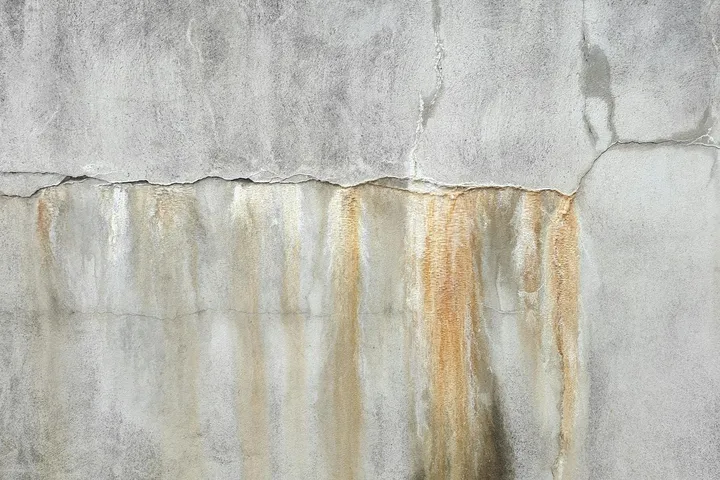
You cannot just scrub rust away. Rust is a chemical stain where iron has oxidized and bonded to the concrete’s surface. For rust stains on concrete surfaces, you’ll need a targeted rust-removal method. We’ll explore effective approaches for removing rust stains from concrete in the next steps.
You need to dissolve that bond. Think of it like undoing a chemical handshake between the metal and the stone.
Common sources are everywhere, especially with an active family. Jason’s old metal soccer cleats left marks in the garage. Roger’s gardening tools and the bottom of a forgotten metal planter can leave perfect orange rings.
An old, leaky sprinkler head is a classic culprit too.
The Safe, Citric Acid Approach (My Favorite)
I prefer this method because it’s less aggressive. Citric acid gently chelates the iron, pulling it away without as much risk of damaging the concrete.
You can use straight lemon juice for a small spot. For larger stains, make a thick paste with citric acid powder and a little water.
- Wet the stained area with clean water.
- Apply your lemon juice or paste directly to the rust.
- Let it sit for at least 30 minutes. You might see it start to fizz slightly.
- Scrub with a stiff brush, then rinse thoroughly.
You might need to repeat this process two or three times for older stains.
My mom, Martha, taught me this trick years ago on her North Texas patio. She had a set of vintage iron furniture that left deep, shadowy rings after a rainy season. We made a citric acid paste, let it work overnight, and by morning, the ghosts of those chair legs were almost gone after a good scrub.
For Stubborn Rust: Using a Commercial Rust Remover
When citric acid isn’t enough, a commercial remover containing oxalic or phosphoric acid is the next step. These are powerful.
Safety is non-negotiable here. Put on heavy-duty rubber gloves and safety glasses before you even open the bottle. Work in a well-ventilated area. Read and follow the product’s label directions exactly. They are written for a reason.
Apply the product as directed, usually with a plastic brush or sprayer. Let it dwell only for the recommended time.
A major caution: leaving a strong acid on concrete too long can lighten or etch the surface. You might trade a rust stain for a noticeable white spot. I always do a test in an inconspicuous corner first. Set a timer, and when it goes off, neutralize the area with a baking soda and water solution, then rinse copiously with water. Oil spills can also leave stubborn stains on concrete, needing a different approach. For those, specialized degreasers and concrete stain removers can help.
How Do You Remove Paint Stains from Concrete?
The very first thing you need to do is figure out what kind of paint you’re dealing with. My husband Roger learned this the hard way during a garage project.
Is it water-based (like most interior latex paints) or oil-based (like some trim paints or stains)?
Your cleanup approach depends entirely on this answer.
For latex, soap and water are your friends. For oil-based, you need a solvent.
Scraping & Scrubbing Fresh Paint (The “Oops” Moment)
Speed is your best tool here. If that paint is still wet or tacky, you have a great chance.
For fresh latex paint, grab an old putty knife or a plastic scraper. I keep one in my cleaning caddy for this reason. Scrape up as much of the wet blob as you can.
Then, attack the residue with hot, soapy water and a stiff-bristled brush. I use the same brush I clean our patio furniture with. Scrub in circles.
Most of the time, this simple method will lift the stain completely before it sets.
For wet oil-based paint, you need a different tactic. Water will just smear it.
Put on some rubber gloves and open a window or door for fresh air. Dampen a clean, white rag with mineral spirits or paint thinner.
Blot the stain, don’t rub. You’re dissolving the paint so you can wipe it away. Use a fresh part of the rag as it gets dirty.
Follow up by washing the area with soapy water to remove any solvent residue. It leaves a weird film otherwise.
Removing Dried Paint Splatters or Spills
Once paint has cured, it’s a battle of patience. Start with physical force.
Take a metal paint scraper or putty knife and carefully chip away at the edges of the splatter. Work slowly to avoid gouging the concrete.
For what’s left, a wire brush attached to a drill makes quick work. It creates a lot of dust, so wear a mask and safety glasses.
Mechanical removal is the safest first step for any dried-on mess.
For big spills or stubborn spots that scraping won’t touch, a paint stripper is the last resort.
You must use a stripper labeled for masonry. Regular ones can soak into porous concrete and cause problems.
Apply it thickly with an old paintbrush, let it sit for the time on the label (no longer), then scrape the gooey paint away. The fumes are serious.
Wear gloves, long sleeves, goggles, and a respirator mask. I keep this stuff for true emergencies only, like the time a whole can tipped over.
By the way, if you’re searching “how do i remove wood stain from concrete,” treat it exactly like oil-based paint. My aunt Jessica’s red wine incident taught me that dark liquid stains behave similarly. The methods are the same: solvent for fresh, stripper or sanding for dried.
How Do You Remove Mold & Mildew Stains from Concrete?
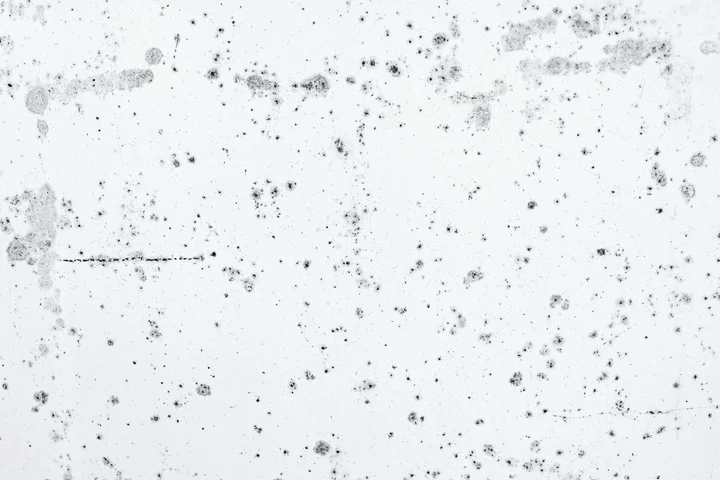
Those slimy, dark patches love shady, damp concrete. I battle them on my patio where Peeta’s water bowl sits and in my mom Martha’s basement floor in North Texas.
First, understand the difference between killing mold and removing the stain. A cleaner like vinegar or soap kills the live spores. The stain itself needs a bleaching agent to break it apart, especially when trying to remove mold stains from fabrics.
You often need two steps: kill the growth first, then attack the discoloration with a bleach product.
The Oxygen Bleach Solution (Gentler & Plant-Safe)
Oxygen bleach is my favorite for most jobs. It’s a powdered cleaner that fizzes away stains without harsh fumes. I keep a tub in the garage for our patio.
Here is my exact process for a green, stained patio corner from Jessica’s forgotten sippy cup.
- I fill a bucket with the warmest tap water I can get. Warm water helps the powder dissolve completely.
- I stir in the oxygen bleach powder. I follow the label, but it’s usually one scoop per gallon of water.
- I pour the solution directly over the stain until it’s fully soaked. You will see it start to bubble immediately.
- I let it sit for at least one hour. For a tough stain, I might let it sit for three or four hours, keeping it wet.
- I use a stiff broom to scrub the area lightly, then rinse everything away with a garden hose.
This method is the best answer for how to clean a stained concrete patio without harming nearby grass, as it breaks down into plant-safe components.
The bubbling action lifts the stain right out. My aunt Jessica in Arizona uses this for her wine spill marks too.
When to Use a Diluted Bleach Solution
For severe, black mold stains, oxygen bleach might not be strong enough. I used chlorine bleach on a nasty patch in our driveway from Roger’s leaky truck. For fabrics, removing black mold requires gentler, fabric-safe methods.
The key is the right dilution. I mix one cup of standard household bleach into ten cups of cold water. That is a precise 1:10 ratio.
Always pour the bleach into the water, not water into bleach, to prevent dangerous splashes.
Apply it with a pump sprayer or a stiff brush. Wear gloves and old clothes. The sharp smell tells you it’s working.
Let it sit on the stain for about 15 minutes. You will see the black color fade to a dull gray. Then, rinse it with more water than you think you need.
Can you use bleach on a concrete driveway? Yes, but carefully. You must rinse it thoroughly to protect the concrete’s surface and any nearby plants.
My mother-in-law Brianna always says to test a hidden spot first, especially on older, weathered concrete.
Special Cases & Nasty Surprises
Concrete can collect some weird stains. These methods handle the less common but stubborn ones.
How Do You Get Blood Stains Out of Concrete?
Jason scraped his knee during a soccer game with his buddy Edward. A few drops hit the driveway before I could catch him.
Blood stains look alarming, but stay calm. The method is straightforward.
Cold water is crucial first to prevent setting the protein in the blood.
Hot water will cook the proteins, making the stain permanent. I always use cold.
- Blot up any wet blood with an old cloth or paper towel. Press, don’t rub.
- Flush the area with a steady stream of cold water from your hose for a full minute.
- For leftover discoloration, pour a small pool of 3% hydrogen peroxide directly on the stain. You can also use an enzyme cleaner, like the one I keep for Peeta’s accidents.
- Let it bubble and work for about 10 minutes. Then, scrub with a stiff-bristle brush.
- Rinse everything away with more cold water. The stain should be gone.
If a faint shadow remains, repeat the peroxide step. It has never failed me.
Dealing with Red Food, Drink, or Berry Stains
Spilled wine from Aunt Jessica or berry pie from a summer picnic leaves a vivid mark. Many websites wonder how to fix this.
An oxygen bleach paste is your best friend here. It oxidizes the stain, breaking the color molecules apart.
The oxidation action lifts the dye without the harshness of chlorine bleach.
I use a generic powdered oxygen bleach. It’s the same base in many brand-name products.
- Mix the oxygen bleach powder with just enough warm water to make a thick paste, like peanut butter.
- Slather this paste over the entire stained area. Make sure it’s a generous layer.
- Let it sit and work its magic for at least an hour. For old stains, I leave it overnight.
- Scrub the area with a brush. You’ll see the paste turn a pinkish or brownish color as it grabs the stain.
- Rinse thoroughly with a hose. The concrete should look clean and bright.
This method works for ketchup, juice, or even spilled fruit punch from the kids. It’s a reliable fix.
The Final Rinse: How to Clean Your Whole Concrete Surface
Think of this not as just cleaning a stain, but as caring for your concrete’s health.
The best method treats the whole area after handling spots. This keeps future stains at bay and restores that uniform, clean look. For wood projects, using the right stripping cleaning methods helps lift stains evenly and prepare the surface for a fresh finish. When you tackle wood stain removal, these steps set the stage for a lasting, uniform result.
It’s a simple two-part mantra: attack the specific stains first, then give the entire surface a consistent, rejuvenating wash.
Giving a Stained Concrete Driveway a New Lease on Life
My driveway tells a story of our family life. There’s oil from Roger’s truck, rust from a forgotten tool, and grass stains from Jason’s soccer cleats.
Bringing it back feels incredible. Follow these steps for your own transformation.
- Degrease the obvious spots. I make a thick paste from blue Dawn dish soap and baking soda for oil and grease. It clings to the stain and starts breaking it down immediately.
- Treat any remaining rust or paint. For rust, I use a citric acid powder mixed with water. For dripped latex paint, a rag with some isopropyl alcohol usually does the trick.
- Wash the entire surface. Now, mix a dedicated concrete cleaner with water in a bucket. Scrub every inch with a stiff-bristle push broom or use a pressure washer on a medium setting.
The before-and-after is my favorite part. That grimy, patchy gray turns into a fresh, clean slate.
Watching the dirt swirl away with the rinse water is a small, perfect victory for any homeowner.
Refreshing a Concrete Patio for Summer
Getting the patio ready for summer is a ritual. I focus on the enemies of relaxation: mildew, dirt, and crud in the cracks.
If your patio has a sealed finish, you need a gentler approach. My aunt Jessica in Arizona taught me that harsh scrubbing can dull the sealant.
- For mildew removal, I use a one-to-one mix of white vinegar and water in a spray bottle. The slight sour scent means it’s working on that black-green speckling in the shady corners.
- To lift ground-in dirt, a soft nylon brush and a bucket of warm water with a squirt of castile soap lifts dirt without being abrasive.
- Cleaning between pavers is crucial. An old screwdriver scrapes out debris, then I flush the gaps with a garden hose or a pressure washer fan tip. This stops weeds before they start.
This softer method preserves the patio’s sealed surface so it stays smooth and easy to clean all summer long.
Maintaining Stained Concrete Floors Indoors
Indoor concrete floors, like in my garage entryway, face constant gritty traffic from Peeta and the kids.
Gentle daily cleaning prevents wear. I use a dry microfiber mop to pick up abrasive sand and dirt before it gets ground in.
For a periodic deep clean, I avoid flooding the area. My method is simple.
I fill a bucket with hot water and a pH-neutral floor cleaner. I wring the mop head until it’s just damp, not dripping.
Mopping in small sections with a barely-wet mop lifts dirt without leaving puddles that can seep into cracks or cause slips.
I learned this from mopping my own garage entry. Jessica, my three-year-old, once tracked in so much mud it looked like a beach. A damp mop cleaned it up perfectly without a single pool of water left behind.
FAQ about Removing Stains from Concrete
The oil stain on my driveway came back after I cleaned it. What did I do wrong?
This usually means oil is still trapped deep in the concrete pores. You need to use a drawing poultice, like a paste of TSP and cat litter, and let it dry completely to pull the oil out. For a quicker fix, apply a commercial concrete degreaser, scrub it in, and let it soak for 20 minutes before rinsing.
I just spilled bacon grease on my patio. What’s the absolute fastest way to stop it from staining?
Immediately cover the fresh grease with an absorbent like baking soda or cornstarch to soak it up. Once absorbed, scrape it away and scrub the area with hot, soapy water using a stiff brush to break down any remaining residue. You can also remove the odors from cooking grease using specialized cleaners or natural deodorizers.
Is it safe to use vinegar to remove rust from my garage floor?
Yes, white vinegar is a safe, mild acid that effectively dissolves rust stains. For best results, soak a rag in vinegar, lay it over the stain for several hours, then scrub and rinse. It’s particularly useful on metal surfaces where rust stains tend to form.
What’s the best way to remove dried paint spatters without damaging the concrete?
Start by carefully scraping the spot with a putty knife. For remaining paint, use a wire brush or a drill attachment to gently abrade it away, being careful not to gouge the surface.
I’m worried about using bleach on my moldy patio near my garden. What should I do?
Use oxygen bleach (like OxiClean) instead, as it breaks down into plant-safe components. If you must use chlorine bleach, protect plants by thoroughly wetting them with water first and rinsing the area heavily afterward.
Keep Your Concrete Clean and Strong
The best thing you can do for your concrete is to test any cleaner in a hidden corner first. This simple step protects against discoloration or damage. Trust me, I learned this after a brightener left a faint shadow on our back patio paver.
For more specific guides, like tackling those rusty tool marks or stray paint drips from Roger’s projects, you know where to find me. Stick around Stain Wiki for clear, tested advice that respects your home.
Written by Suzanne Rosi Beringer. Suzanne is an accomplished chemist, laundry expert and proud mom. She knows the science and chemistry of stains and has personally deal with all kinds of stains such as oil, grease, food and others. She brings her chemistry knowledge and degree expertise to explain and decode the science of stain removal, along with her decades long experience of stain removal. She has tried almost everything and is an expert on professional and DIY stain removal from clothes, fabric, carpet, leather and any other items dearest to you.