How Do You Remove Water Stains, White Rings, and Moisture Marks from Wood?
That hazy white ring from a forgotten glass can make any wood surface look ruined. Don’t worry-these marks are often just in the finish and can be fixed without harsh chemicals.
Here’s exactly what we’ll cover to get your wood looking new again:
- How to quickly tell a surface stain from deep water damage.
- My tested, non-toxic methods for both fresh spills and old rings.
- Specific steps for tables, floors, and delicate furniture.
- When to use a simple paste and when to call in a pro.
- Real lessons from my home, like dealing with Jessica’s art water and Roger’s sweaty iced tea glasses.
I’ve handled everything from Martha’s antique heirlooms to the marks Peeta’s bowl leaves on the floor.
Panic Level: 5/10 – Act Fast, But You Have Time
I call it the golden window. When my son Jason plops his sweaty water glass on the dining table, I have roughly thirty minutes to act.
A fresh spill is easiest to fix. You just need to dry it completely before moisture gets trapped.
That quick response can stop a white ring from ever forming.
Old rings are more common in my house. I found a perfect one under a vase my aunt Jessica sent.
For these, urgency shifts. You need gentle, patient treatment to lift the moisture from the finish.
Do not lose hope. Most cloudy white rings are only in the surface finish, not the wood itself.
I learned this from my mom, Martha. She taught me that panic can lead to harsh scrubbing, which makes things worse.
What Kind of Water Stain Do You Have? A Quick Diagnosis
Look at the mark. Touch it. Your first clue is its color and texture.
There are three main types I see all the time.
- The White Hazy Ring: This is a cloudy, milky circle. It feels smooth. My husband Roger’s iced tea glass leaves these.
- The Dark Blackish Mark: This looks like an inky blotch or a gray shadow. It might feel slightly damp or rough. This happens when water sits too long.
- The Surface Mineral Spot: These are gritty, white specks. They feel crusty, like dried salt. My mother-in-law Brianna’s tap water in Texas causes these.
Here is my simple guide. If it is white and cloudy, the moisture is trapped in the finish. If it is dark, water may have penetrated the wood.
This diagnosis changes everything. You would not treat a dark stain the same way you treat a white ring.
For example, a white ring on my coffee table might just need a dab of mayonnaise. A dark mark on the floor needs a completely different approach.
Your First Move: The Immediate Response to a Spill
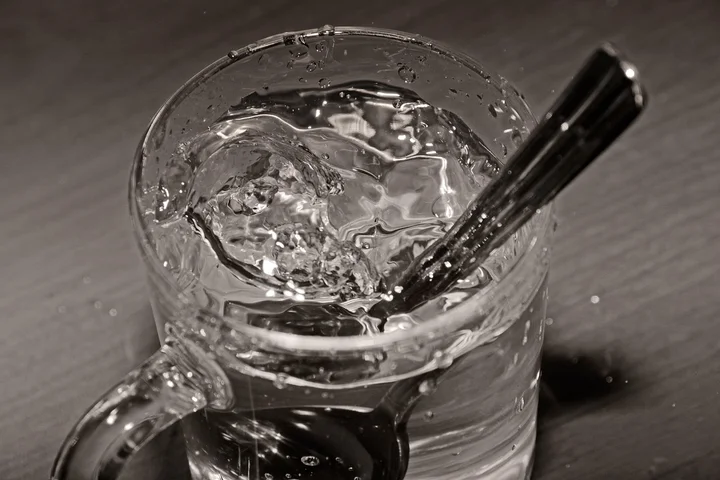
Picture this. Jason, my eight-year-old, plops his water glass down on the coffee table. A big, cold puddle spreads instantly under the cup.
My first move is always the same. I grab the nearest dry cloth, usually a kitchen towel, and I press it down hard onto the spill. I don’t wipe. I blot.
Blotting lifts the liquid away without pushing it deeper into the wood’s grain or finish. Wiping acts like a squeegee, spreading the water and forcing it into every tiny crack.
The Right Way to Blot and Clean
After I’ve blotted up the main puddle, I look for any sticky residue. Maybe it wasn’t just water. Maybe Roger left a sweaty glass of iced tea there earlier.
For that, I use a separate cloth. I run it under the tap and wring it out until it’s just barely damp. It should feel cool, not wet. I gently wipe the area to clear any sugary film.
The final, non-negotiable step is to dry the surface completely with a fresh, dry towel. I buff it in circles until the wood feels warm from the friction and looks perfectly dry. This stops moisture from sitting there and creating a ring.
Why Your Hair Dryer is Not Your Friend
I get the temptation. A white ring forms, and you want to zap it away with heat. I tried this years ago on a side table.
I pointed my hair dryer right at the cloudy spot. It seemed to work at first, but the next day, the ring was darker and more set-in.
Direct heat can cook the trapped moisture and the finish together, creating a permanent, cloudy blemish that’s much harder to fix. Patience and gentle methods always beat rushing with harsh heat.
How to Remove White Rings and Cloudy Moisture Marks
You find a cloudy white ring on your wood table. It happens to everyone.
You can remove these white rings by using household oils to push out the trapped moisture or a gentle abrasive to polish the finish. The key is knowing which method fits your wood’s finish.
Using Mayonnaise or Oil: The Moisture Displacer
This method is for sealed, finished wood only. Check your surface first.
The white ring is water trapped under the clear top coat. It isn’t a true stain.The oils in mayonnaise or a simple oil paste seep into that microscopic gap, displace the water, and let it evaporate away.
Follow these steps carefully.
- Find a hidden spot, like under the table, and apply a tiny bit of your chosen paste to test the finish.
- Spread a thin layer of full-fat mayonnaise or a 50/50 paste of mineral oil and baking soda over just the white mark.
- Let it sit for at least six hours. I often leave it overnight for a stubborn ring.
- Use a soft, clean cloth to gently buff the paste away in a circular motion.
- Wipe the area clean with a slightly damp cloth and dry it thoroughly immediately.
I used this on our coffee table after my husband Roger’s hunting buddies left condensation rings. The paste sat all day, and the rings were gone by dinner.
Toothpaste or Baking Soda: The Gentle Abrasive Fix
For faint marks or if the oil method doesn’t work, try a mild abrasive.
Non-gel, white toothpaste or a paste of baking soda and water can polish the cloudiness away.These pastes work like a super-fine scrubber, smoothing the finish without damaging it.
Apply a pea-sized amount to a soft, dry cloth. Rub it gently back and forth, following the wood’s grain. Wipe clean with a damp cloth. This technique can also help remove grease stains from wood furniture by lifting oils gently. For stubborn spots, see the related tips on removing grease stains from wood furniture.
What Helped Me: I learned this from my Aunt Jessica. A glass left a perfect white ring on my oak bedside table. She said, “Honey, just a dab of plain toothpaste.” I used a dot of non-gel paste on a microfiber cloth. I buffed for less than a minute. The ring disappeared completely. Now I use it for small, fresh marks on any finished wood.
How to Remove Dark Water Stains and Deep Moisture Marks
How do you remove moisture marks from wood tables, floors, and surfaces? The simple truth is, you treat dark stains differently than white rings. A white ring is a surface issue. A dark, grayish-black bloom means trouble went deeper.
That shadowy mark is a sign water breached the protective finish. It soaked into the raw wood fibers underneath, causing them to swell and darken. Fixing this requires a method that can reach into the wood itself, not just polish the top.
The Iron-and-Cloth Steam Method
This is my go-to for dark stains on finished wood. I’ve used it on our old dining table after Jessica left a soaked plant pot on it overnight. The idea is simple: you use gentle, controlled steam to soften the finish and draw the trapped moisture back out.
You need a clean, thin cotton cloth (an old t-shirt works) and an iron. Never use steam from the iron’s reservoir.
- Set your iron to a low or medium heat setting with NO steam.
- Lay the cloth flat over the stain.
- Hold the warm iron over the cloth, moving it slowly and constantly. Do not press down or leave it in one spot.
- Lift the cloth every 30 seconds to check. You should see the stain fading as the wood dries out.
The key is patience and indirect heat; you’re steaming the wood through the cloth, not ironing it directly. This often works on marks that have been there for weeks.
The Last Resort: Oxalic Acid (Wood Bleach)
For stains that are old, severe, or completely set in, a chemical approach might be needed. Oxalic acid is a natural compound that specifically bleaches the dark tannins in water-damaged wood. My husband Roger used it to salvage an antique gun stock with deep moisture marks—similar to how we treated old stains on our wood deck.
This is serious stuff. Handle with extreme care.
- Wear gloves, goggles, and a mask. Work in a ventilated area.
- Mix the oxalic acid crystals with warm water as directed.
- Apply it only to the stained area with a brush.
- Let it dry completely, which can take hours.
- Neutralize the area with a white vinegar and water solution.
- You must lightly sand and re-finish the spot after, as the acid strips the existing finish.
Consider oxalic acid a surgical tool for a specific problem, not a general cleaner. Test it in a hidden spot first.
Material Red Flags: What Not to Do
These methods are for sealed, finished wood only. The iron trick relies on a polyurethane or lacquer coat to protect the wood from direct heat and moisture.
Never use an iron on unfinished wood, waxed wood, or oiled surfaces. You will force heat and moisture directly into the raw wood, warping it and making the stain permanent. If you aren’t sure of the finish, test the iron method in a tiny, inconspicuous corner first. If you need to address heat stains on wooden furniture, there are ways to remove heat stains safely. We’ll cover those approaches in the next steps.
If your golden lab Peeta drools on a waxed side table, just wipe it dry. An iron would ruin it. For those surfaces, stick to gentle buffing with a proper wax.
The Chemistry Corner: Why These Home Remedies Work
Let’s start with what you’re actually seeing. That ghostly white ring isn’t a stain soaking into the wood grain.
In most cases, the white cloudiness is moisture trapped under the lacquer or varnish finish, not in the wood itself. The finish acts like a clear plastic sheet over the wood. Water gets underneath and scatters light, creating that dull ring.
I figured this out after my son Jason’s classmate Edward left a condensation-soaked cup on our dining table. The ring looked disastrous, but knowing it was just in the top layer gave me hope.
How Mayonnaise or Toothpaste Can Hide the Ring
Smearing food on furniture seems strange. But there’s a good reason it often works.
The oils in mayonnaise or the paste in non-gel toothpaste fill microscopic gaps and scratches in the damaged finish. They act as a temporary filler.
This creates a smoother surface so light refracts evenly again, making the cloudiness disappear. Think of it like using a wax to fill fine scratches on a car’s clear coat.
My aunt Jessica from Arizona taught me the toothpaste trick. She uses a plain white paste, not a gel, and buffs it in gently with a soft cloth.
The Science Behind the Iron and Steam Method
Sometimes you need to gently persuade the moisture to leave. That’s where the iron comes in.
The steam from a household iron softens the finish slightly, allowing the trapped water to evaporate. The heat makes the finish more flexible so the moisture can escape.
You must be very careful. I always use a thin cotton cloth, like an old tee-shirt, as a barrier. I keep the iron moving on a low steam setting.
I learned this method from my mother-in-law Brianna. She saved an heirloom side table this way, but she always warns about patience. Too much heat in one spot can cause more damage.
Surface Compatibility: Tables, Floors, and Furniture

The right method depends on where the stain lives. What works for a dining table might be too aggressive for your antique floorboards or butcher block countertops. I’ve tested these approaches on just about every wooden surface in my home, from Jason’s souvenir-covered nightstand to Aunt Jessica’s wine-ringed side table.
For Wood Tables
This is where the paste and iron methods shine. My kitchen’s breakfast table is a magnet for forgotten water glasses, so I’ve had plenty of practice.
Always start by testing your chosen paste on the underside of the table or on a back leg. You’re checking for any discoloration or finish damage.
- Mayonnaise or Oil Paste: Perfect for fresh, light rings. Spread a thin layer over the stain with a cloth, let it sit for several hours or overnight, then wipe clean. The oils gently rehydrate the dried-out finish.
- Toothpaste Paste: Use a plain, non-gel, non-whitening toothpaste. Apply a dab, gently rub it in with your finger in a circular motion, then wipe away. It acts as a very mild abrasive.
- The Iron Method: My go-to for stubborn, set-in white rings. Place a thin, clean cloth (like a cotton tea towel) over the stain. Set your iron to the lowest “no steam” setting. Gently press the iron onto the cloth for 3-5 seconds, lift, and check. The heat softens the finish, allowing the moisture trapped below to escape.
The iron trick saved our old oak table after Roger left a sweating ice tea glass on it all afternoon. Just keep that iron moving-never let it sit.
For Wood Floors
Floors need a gentler touch. You can’t risk creating a slippery residue where people walk.
For shallow surface stains, a mild paste often works. For deep, dark water damage that has penetrated the wood, you’re likely looking at professional sanding and refinishing. This is especially true when removing old stain and cleaning the wood beforehand.
- Gentle Paste First: Try the mayonnaise or oil method first. Apply, let sit for an hour, and wipe completely clean with a dry cloth. Follow with a damp cloth to remove any oily film.
- Avoid Abrasives: I skip toothpaste on floors. It can leave a hazy spot that’s more noticeable than the original ring.
- Skip the Iron: Do not use an iron on a finished floor. It’s too easy to overheat and blister a large section.
- Dry Thoroughly: However you treat it, ensure the spot is bone-dry before anyone walks on it. I learned this after fixing a spot near Peeta’s water bowl, only to have a sock-footed Jessica slide right through it.
For Other Wood Surfaces (Cabinets, Shelves, Furniture)
Treat these like tables, but with extra caution for vertical surfaces. A runny paste on a cabinet door is a mess waiting to happen.
The key with shelves and cabinets is to use a thicker paste and less product. You want it to stay put.
- Use a Denser Paste: For a vertical door, I’ll mix baking soda with just enough water to form a thick putty, not a runny paste. Apply it directly to the stain and let it dry completely. The drying action can pull the moisture mark out. Then, just dust or vacuum it off.
- Mind the Drip: Any liquid method needs careful application. Dab, don’t pour. Use a cotton swab for tiny spots on intricate trim.
- Test in Hidden Spots: The inside of a cabinet door or the underside of a shelf is perfect for testing. Finishes can vary wildly even on the same piece.
My mom, Martha, taught me that patience is part of the process. If a method doesn’t work the first time, sometimes giving the wood a day to rest before trying again makes all the difference.
Safe DIY Alternatives and What to Avoid
I keep a few trusted items in my pantry for this exact problem. You might already own them. These methods work by gently filling in the damaged, cloudy finish or by using a mild abrasive to level it out.
Common Household Items That Can Help
My mom, Martha, swears by the old-school tricks. She taught me to reach for the fridge or bathroom cabinet before the hardware store.
Mayonnaise
This one sounds strange, but it works on those superficial white hazy rings. The oils in the mayo fill in the microscopic gaps in the finish that cause the cloudiness.
- Use real, full-fat mayonnaise, not a low-fat or miracle whip spread.
- Apply a dab directly onto the white mark with a soft cloth.
- Let it sit for several hours, or even overnight.
- Wipe it away with a clean, dry cloth. Buff the area gently.
The mayo needs time to work its oil into the finish, so patience is key here. I used this on an end table after Aunt Jessica’s wine glass left a perfect ring. It vanished by morning.
Plain White Toothpaste (Non-Gel)
The mild abrasive in plain, white toothpaste can polish away light surface marks. Gel toothpastes or ones with whitening beads are too harsh and can scratch.
- Squeeze a pea-sized amount on a soft, damp cloth.
- Rub it gently in a circular motion over the stain, following the wood grain.
- Wipe the paste away immediately with a separate clean, damp cloth.
- Dry and buff the spot completely.
The same idea applies to toothpaste stains on clothing or dentures—gentle action and a quick test can stop set-in marks. If a spot appears, rinse gently with cool water and dab with a little mild soap rather than scrubbing.
Post-Treatment Recovery and Drying
You’ve tackled the stain. Now, don’t rush the finish. How you dry the wood matters just as much.
First, wipe away all residue. I use a damp cloth, like an old cotton t-shirt. Wring it out well. You want it damp, not dripping.
This step removes any cleaning paste or oil that could gunk up the surface. My three year old, Jessica, once left mayo residue on a chair leg. It dried sticky and attracted dust.
Next, buff the area completely dry. Take a soft, clean towel. Microfiber works great. Rub in gentle circles until the wood feels dry to the touch.
Buffing lifts the last bits of moisture and polishes the finish back to life. My husband Roger buffs our dining table after every cleanup. It keeps the sheen consistent.
Now, let the wood air dry at room temperature. Keep it in a spot with steady, cool air.
Avoid direct sunlight or heat from vents. Heat can cause the wood to expand or the finish to blister.
Patience here prevents a world of regret. Let it sit for several hours. Overnight is even better for deep stains.
Time to check your work. Is the white ring truly gone? Don’t trust a single glance from above.
Get down to eye level. Look at the surface from different angles. Use natural light from a window.
If you see no ghostly haze or discoloration from any angle, you’ve succeeded. If a faint mark lingers, note it. You might need a second, gentler treatment.
My golden lab Peeta’s water bowl left a ring on our floor. I checked it at dawn. The low light revealed a subtle shadow I had missed.
When Not to Try This: Limitations and Calling a Pro
Not every mark on wood is a simple water stain. Some are signs of deeper trouble. Deep, black stains that feel rough or soft under your fingers usually mean rot, not just a surface issue. I learned this the hard way with an old side table from Martha, my mom.
She gave it to me, and I left a plant on it without a coaster. The stain went black and felt spongy. No amount of rubbing with mayonnaise or toothpaste fixed that.
There are times when calling a professional is the best move. If the damage covers a large area, or you’re dealing with an antique, it’s smarter to get expert help. My aunt Jessica has a wine-stained heirloom table I wouldn’t touch with a ten-foot pole.
Also, if you’ve tried all the gentle methods and nothing works, it might be beyond DIY. I had a coffee table that Jason and Edward soaked during a water fight. After my attempts failed, I called a refinisher.
Many people ask me, “Are water stains on wood permanent?” Most surface white rings and moisture marks are not permanent and can be lifted with home remedies. But deep damage that has penetrated the wood can be.
Think of it like a sunburn versus a deep cut. The surface ones heal. The deep ones leave a scar. Water that seeps in for weeks, like under Peeta’s water bowl, might cause lasting dark spots.
How to Prevent Water Stains for Good
I treat water stains like uninvited guests. The best strategy is to never let them in the door.
After fixing a cloudy ring on my aunt Jessica’s Arizona side table last year, I doubled down on prevention. These methods are simple, but they work.
Build Smart Daily Habits
Start with actions that become second nature. They require almost no money, just a little consistency.
- Always use coasters. Every time. I bought a big set of cork ones for our living room. Now, when Edward comes over for soccer with Jason, their sweat bottles sit on them, not the wood.
- Wipe spills the instant you see them. Don’t wait. Use a dry, soft cloth to blot the moisture away before it can dull the finish.
- Use placemats or trays under potted plants. The saucer isn’t enough. Condensation forms underneath and leaves a perfect, damp ring. A bamboo placemat solves this.
Acting fast is the single biggest factor in keeping your wood stain-free.
Apply a Protective Shield
For surfaces that see daily action, like a dining table, you need more than a coaster. You need a barrier.
I love a good paste wax for furniture with character. It smells like lemons and buffs to a soft, protective glow. I use it on our oak entryway table.
For a tougher, modern seal, a polyurethane top coat is my go-to. It dries to a clear, hard shell. Water literally beads up and rolls off. I refinished our kitchen table with a satin polyurethane five years ago. It has survived countless meals with Jessica and Peeta begging below.
Think of paste wax as a nourishing conditioner and polyurethane as a durable raincoat for your wood.
Copy My Mom’s Felt Pad Trick
My mom, Martha, in North Texas, taught me this. She buys large packs of self-adhesive felt pads from the hardware store.
Every single decorative item in her home gets one. Vases, candle holders, picture frames. She sticks a pad on each corner of the bottom.
This tiny lift creates an air gap. It stops cold condensation from a vase or a warm mug mark from a candle. I started doing this after a glass of iced tea left a ring on a bookcase.
Felt pads are a silent, invisible defense. They cost pennies and prevent headaches.
FAQ about Removing Water Stains from Wood
1. A white ring just appeared on my wood table from a cold glass. What’s the absolute fastest thing I can do right now?
Blot the area immediately with a dry, absorbent cloth, then buff it dry with a second cloth. For a fresh, hazy ring, a thin dab of mayonnaise left on the spot for several hours can often displace the trapped moisture before it sets.
2. The mayonnaise trick didn’t work on an old white ring on my floor. What’s my next step?
For a stubborn floor ring, try a thick paste of baking soda and a few drops of water, applied only to the stain. Gently rub with the grain, wipe away immediately, and dry thoroughly, as abrasive methods on floors require extra care to avoid creating a dull spot.
3. Is it safe to use the iron method on my antique wooden cabinet door?
Only if you are certain it has a modern, sealed finish like polyurethane. First, test the iron-on-a-cloth method in a hidden spot, like the inside of the cabinet, as heat can damage waxed, oiled, or antique finishes irreparably.
4. I have a dark, shadowy water mark on my table. What household cleaner should I avoid at all costs?
Avoid all harsh chemicals like ammonia or bleach-based cleaners, as they will strip and discolor the finish. For a dark stain, the safest first try is the iron-and-steam method, which uses controlled heat to draw the moisture out without chemicals.
5. How can I prevent these stains from happening again without constantly worrying?
Make a habit of using coasters every time and apply self-adhesive felt pads to the bottom of all vases, lamps, and decor. For high-use surfaces like dining tables, applying a fresh coat of paste wax or polyurethane provides a durable, water-beading barrier.
Keeping Your Wood Beautiful for Years to Come
The most reliable way to handle water marks is to address them quickly with a gentle, common item like mayonnaise or a dab of non-gel toothpaste. I rely on this simple step first, just like when I rescued our coffee table from a glass left by my son’s friend Edward. For more trustworthy tips and tales from our busy home, follow along right here on Stain Wiki.
Written by Suzanne Rosi Beringer. Suzanne is an accomplished chemist, laundry expert and proud mom. She knows the science and chemistry of stains and has personally deal with all kinds of stains such as oil, grease, food and others. She brings her chemistry knowledge and degree expertise to explain and decode the science of stain removal, along with her decades long experience of stain removal. She has tried almost everything and is an expert on professional and DIY stain removal from clothes, fabric, carpet, leather and any other items dearest to you.