How to Remove Gum from Clothes, Fabrics, and Your Dryer?
Finding gum stuck to your favorite shirt or smeared inside your dryer is a genuine headache, but don’t panic-the fabric is almost always salvageable. The key is to harden the gum with ice first, making it easy to scrape off the bulk without pushing it deeper into the fibers.
This guide will walk you through the complete, no-damage process: the ice cube method for most fabrics, how to tackle gum melted onto your dryer drum, the simple tools you already have at home, and how to prevent this sticky mess from happening again.
I’ve tested these methods for years on everything from Jason’s soccer jerseys to my husband Roger’s work pants, and I’m here to guide you through it.
Your Gum Removal Panic-Level: Assess & Act Fast
Panic-Level: 3/10
Finding gum on a shirt is irritating, but it’s not a true crisis. I don’t panic like I do with a red wine spill on my white couch.
Your main goal is to stop the problem from getting bigger, not to fix it in 30 seconds. This rating gives you time to think and grab the right tool, instead of making a frantic mistake.
The “Golden Window” for Gum
With gum, time is your friend if you use it correctly. The clock only starts ticking against you when heat or movement gets involved.
My son Jason got gum on his soccer shorts once, and then sat in a warm car. That warmth made the wad flatten and smear into a thin, sticky sheet.
The real urgency is preventing the gum from being warmed, stretched, or pushed deeper into the fibers. A cool, undisturbed gum blob is actually the easiest kind to remove.
Immediate First-Aid: What to Do Right Now
Your first reactions will make or break this cleanup. Do not follow your instinct to pick at it.
- Do NOT rub it. This grinds the gum in.
- Do NOT pull at it. You’ll stretch the fibers and the gum, making a bigger mess.
- Do NOT run hot water over it. Heat melts gum, setting it deeper.
Here is your best first move. If you can, place the item in a plastic grocery bag.
Put the whole thing in the freezer. Let the gum turn into a hard, brittle rock. This gives you 15-20 minutes to calmly find your ice cubes or peanut butter.
I keep a dedicated “stain corner” in my freezer for moments like these. It has saved countless pairs of jeans.
Chemistry Corner: Why Gum Is So Stubborn
Gum Is a Tiny Piece of Plastic
We think of gum as food, but it’s really a cleverly designed synthetic polymer. That’s a fancy term for a soft, chewy plastic.
Its base is oil-based, not water-based. This is the core reason soap and water fail. Gum is designed to resist dissolving in your mouth (or your washing machine), which is exactly what makes it so clingy on fabric.
How Freezing Works: The “Brittle Fracture”
Think of warm gum like sticky, stretchy glue. When you freeze it, you change its physical state.
The cold makes the polymers rigid and brittle. My husband Roger explains it like cooling metal before it’s shaped. When it’s hard, you can tap it with a blunt object.
The frozen gum fractures and loses its grip, allowing whole chunks to pop off instead of stretching into endless strings.
How Oils Work: “Like Dissolves Like”
This is the secret behind the old peanut butter or mayonnaise trick. It’s real kitchen chemistry, not just a myth.
Oil-based stains bond best to other oils. The oils in peanut butter, mayo, or even coconut oil surround the gum’s oily base, making it more challenging to remove than water-based stains.
They break its bond with the fabric fibers. My Aunt Jessica swears by creamy peanut butter for this. The oils loosen the gum, and the gritty peanut particles can help lift it away.
You’re essentially using a safe, common oil to fight a stubborn, manufactured oil. Just be sure to check your fabric’s care label first when you try to remove them from clothing.
The One Method I Use 90% of the Time: The Freeze & Scrape

When gum finds its way onto fabric, I grab a plastic bag. This method works on nearly everything, from Jason’s team jersey to the living room carpet. It even helps when dealing with candy stains on carpets.
-
Seal the garment in a plastic bag and freeze it for at least one to two hours. This is my go-to for Jason’s soccer shorts after he sits on a bleacher. I just toss the whole thing in a freezer bag. The cold makes the gum rock hard and easy to deal with.
-
Pull the bag from the freezer and work fast. Gently bend the fabric. Use a blunt tool, like a butter knife edge, to scrape and pick off the brittle gum. It should crumble away in pieces, not stretch.
-
Look for a dark, oily shadow left behind. That’s the gum base. Put a single drop of clear dish soap on it with a little cold water. Rub the fabric against itself gently. The soap breaks up the grease without harming the fibers.
-
Rinse the spot well with cold water and hold it up to a bright light. Check every angle. Only when no trace remains, wash normally in the warmest water safe for the fabric. Washing too early bakes the stain in.
Always air-dry the item first after washing. Lay it flat or hang it up. The dryer’s heat is your enemy here, as it can set any leftover residue forever. I check it once it’s completely dry before even thinking about the dryer.
Surface Compatibility: Adapting for Carpet, Upholstery & Jeans
Gum sticks to everything. I treat each fabric or surface like a unique puzzle.
The right method saves the material and your sanity, so let’s match the fix to the fabric.
Here is a fast guide to get you started.
| Surface | My Go-To Method | What to Watch For |
|---|---|---|
| Denim / Sturdy Cotton | Freeze method or rubbing alcohol on a cotton swab. | Always test alcohol inside a pocket or seam first. Colors can run. |
| Carpet & Upholstery | Freeze with an ice cube in a plastic bag, then scrape. Follow with a carpet cleaner spray. | Scrape gently sideways to avoid pulling and fraying the fibers. |
| Shoes or Car Interior | A commercial goo-gone type product, testing on a hidden seam first. | Some car plastics and shoe materials can be damaged by strong solvents. |
| Hard Surfaces (Floor, Table) | Scrape off bulk, then use an oil-based cleaner or isopropyl alcohol. | Wipe the area thoroughly after to remove any oily, slippery film. |
Working on Denim and Sturdy Cottons
This is my most common gum problem. Jason’s jeans are magnets for it.
The freezer method is my first choice because it’s gentle and doesn’t risk fading the dye.
I fold the jeans so the gum patch is exposed, slide them into a plastic bag, and freeze for about an hour.
Once it’s brittle, I flex the fabric. The gum usually pops right off in one piece.
For a spot I can’t freeze, like on a hem while he’s wearing them, I use rubbing alcohol.
I learned from my mom, Martha, to dab it on with a cotton swab. It breaks down the gum’s stickiness.
Just last week, I tested a drop inside the waistband of his shorts first. The color held, so I knew it was safe.
Rescuing Carpets and Upholstery
Carpet gum feels like a disaster. Peeta once sat on a wad in the park.
I take a zip-top bag, put a few ice cubes in it, and hold it directly on the gum. You need patience here.
Wait until the gum is solid and hard to the touch. This can take ten or fifteen minutes.
Then, use a dull knife or a spoon handle to gently lift and scrape the frozen gum away.
Scrape sideways, not up, to prevent snagging. There’s often a slight oily mark left behind.
I follow up with a spritz of my regular carpet cleaner and a light blot with a cloth. It takes care of the last trace. It’s important to know the correct methods for stain removal on clothing and carpets.
Tackling Shoes and Car Interiors
These surfaces are tricky. They’re often a mix of fabrics, plastics, and vinyl.
My husband Roger’s work boots get gum, and so does my car’s floor mat.
For these, I usually reach for a product like Goo Gone. It’s formulated for sticky messes.
Testing is non-negotiable here. Find a hidden spot, like inside a shoe’s tongue or under a car seat, and apply a tiny dot.
Wait a minute. Check for discoloration or texture change. If it’s clear, apply a small amount to the gum.
Let it sit for a minute to penetrate, then wipe away the gunk with a clean rag. The residue comes off easily.
Cleaning Hard Surfaces Like Floors and Tables
This is the easiest fix. Hard surfaces can handle more agitation.
First, I use a plastic putty knife or an old credit card to scrape off the main blob.
For the thin, sticky film left on my kitchen tile, I use a little cooking oil on a paper towel.
The oil breaks the gum’s bond. I wipe it clean, then use a bit of isopropyl alcohol to cut the grease and disinfect.
On a sealed wood table, I skip the oil and go straight to alcohol on a cloth, testing in a corner first.
My aunt Jessica taught me that trick after a wine glass left a ring. It works on gum’s residue, too.
Safe DIY Alternatives When You’re Out of Specialty Products
You don’t always have a commercial gum remover on hand. I get it. These kitchen and first-aid staples have saved me more than once.
Creamy Peanut Butter or Mayonnaise
My aunt Jessica from Arizona shared this with me. She loves a good hack, especially one involving pantry items.
Smear a thick glob of creamy peanut butter or mayonnaise right onto the gum. Let the oils sit for a full 10 minutes. You’ll see the glossy blob start to look less cohesive.
After it sits, wipe the area with a paper towel to lift the gum away, then pretreat with detergent before a normal wash cycle.
I have to add a big warning here. If anyone has a nut allergy, use mayonnaise. We skip peanut butter entirely since Jason’s soccer buddy Edward is allergic.
Ice in a Bag
The freezer is great, but what if the item is too bulky? That’s where this method shines.
Put several ice cubes in a sealed plastic bag. Hold it firmly against the gum spot until it’s rock hard. This takes about three to five minutes.
The cold makes the gum brittle, so you can crack it off with your fingers without tugging on the threads.
I used this on a couch cushion Peeta brushed against. The ice bag made the gum pop right off without a trace.
Vinegar or Rubbing Alcohol
After scraping, a faint, sticky film often remains. This residue feels tacky and can attract more dirt.
Soak a cotton ball in white vinegar or rubbing alcohol. Dab it repeatedly onto the leftover spot. You might catch a sharp, clean scent as it works—especially when trying to remove vomit or spit-up stains.
These solvents break down the gum’s adhesive properties, letting you wipe the residue clean with a dry cloth.
Always do a spot test first on a hidden seam. My mother-in-law Brianna taught me that, and it’s saved many a favorite shirt.
On-the-Go Emergency Fix
Life happens in restaurants and parks. You need a plan that doesn’t require a full toolkit.
Ask for a cup of ice. Press an ice cube directly on the gum until it hardens. Then, gently pick at the edges to lift it off.
If a sticky shadow remains, a small drop of hand sanitizer can help. Rub it in with your fingertip and blot.
This quick action stops the gum from bonding deeper into the fibers, buying you time for a proper clean at home.
I’ve done this in a pizza place with Jessica. A little ice and some patience kept her dress wearable for the rest of our day out.
Material Redflags & Critical Warnings
Before we start picking and freezing, let’s talk about what can go wrong. I learned this the hard way years ago with one of my mom Martha’s lace tablecloths.
Fabrics That Need Kid Gloves
Not all fabrics are created equal. Some are more like temperamental artists than durable workhorses.
- Silk & Delicate Lace: These are incredibly fragile. Aggressive rubbing or the wrong solvent can shred the fibers or leave a permanent watermark.
- Suede & Leather: Think of these as skin. Liquids can stain them permanently, and scraping can scar the surface. My husband Roger’s favorite hunting jacket is suede-I don’t touch it without a plan.
- Waterproof Coatings (like on rain jackets): Harsh chemicals can strip away the water-repellent finish. You’ll get the gum out but ruin the jacket’s purpose.
The “Never-Ever” Moves
Some ideas sound logical but are actually sabotage. I see this advice online and cringe every time.
Never use heat from a hair dryer, clothes dryer, or hot water to melt the gum. This is the biggest mistake you can make. Heat turns the gum into a liquid glue that soaks deep into every thread. You’ll set the stain for life.
Never use acetone (nail polish remover) on acetate, rayon, or triacetate fabrics. Acetone doesn’t clean these fabrics-it dissolves them. You’ll be left with a melted, gooey hole. Trust me, I’ve seen it. If nail polish ends up on clothes, there are safer removal options—I’ll walk you through them in the next steps.
The Golden Rule: Always Spot Test
This isn’t a suggestion. It’s your insurance policy.
Before you put any substance-ice, oil, peanut butter, commercial solvent-on the visible stain, test it first. Find a hidden spot like an inside seam or hem. Apply a tiny dab, wait 10 minutes, then blot. Check for color transfer, fading, or fabric damage. If the test area is fine, you can proceed with confidence.
When to Call in the Professionals
There’s no shame in handing off a tricky job. I do it.
If the gum is on a priceless heirloom, a delicate silk blouse, or a very expensive tailored suit, take it to a professional dry cleaner immediately. Point out the exact location of the gum stain. Tell them what it is. Their specialized solvents and expertise are worth every penny to avoid a heartbreaking accident.
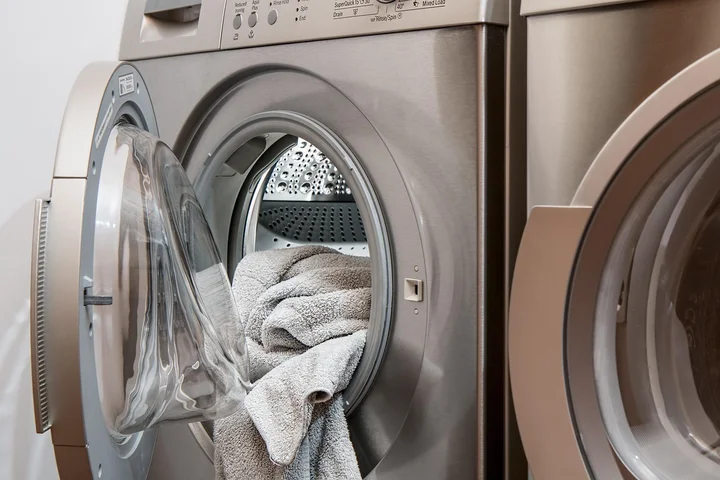
How to Get Gum Out of a Dryer (And How It Got There)
We have all done it. A forgotten tissue or piece of gum wreaks havoc in the dryer. Just last month, my three year old Jessica hid her chewed gum in her dress pocket. I did not find it until a shiny, sticky smear was baked onto the dryer drum.
Your Step-by-Step Cleanup Guide
- Run the dryer on air-only for a few minutes. Select the no heat setting. This warm air softens large gum chunks just enough. Heat can melt gum into a thin, impossible layer, but air alone makes it pliable.
- Scrape off the large pieces once the drum is cool. Use a plastic scraper or an old credit card. Carefully lift and peel the gum away. I wait until I can comfortably rest my hand on the drum to avoid burns.
- Dampen a cloth with rubbing alcohol and wipe the drum. Isopropyl alcohol breaks down the sticky residue without harm. Follow with a soapy water wipe to remove any cleaner, then dry the drum with a clean towel.
How to Prevent It: The ultimate pro-tip. Always, always check pockets and inspect items for debris before they go in the dryer. Make it a family habit. My son Jason now knows to turn his soccer shorts pockets inside out before laundry day.
Field Note from the Editor: After my husband Roger’s hunting trip, gum from his pants melted all over the dryer. The plastic scraper was too soft. I took a butter knife and wrapped it tightly in a microfiber cloth. The wrapped edge gave me the perfect tool to scrape off every last bit without a single scratch on the drum.
FAQ About Removing Gum from Clothes, Fabrics, and Dryers
How do I remove gum from clothes if I don’t have access to a freezer?
Hold an ice cube in a plastic bag directly on the gum until it hardens, then scrape it off with a blunt edge. For a quick alternative, dab rubbing alcohol on a cotton swab to dissolve the gum without water or heat.
Is peanut butter a safe option for all fabrics when removing gum?
No, avoid peanut butter on delicate fabrics like silk or suede, and always check for nut allergies first. Test it on a hidden seam to ensure it doesn’t cause staining or damage before full application.
What’s the fastest way to clean gum from a dryer drum if I’m in a hurry?
Run the dryer on an air-only cycle for a few minutes to gently soften the gum, then scrape it off once cool with a plastic card. Follow up with a wipe using rubbing alcohol to eliminate any sticky residue quickly.
Can I wash the item immediately after scraping off the gum?
No, always pretreat any remaining oily spot with a drop of dish soap and cold water, then rinse thoroughly. This approach is a core tip for oil grease stain removal on clothes. Washing too soon can bake residue into the fibers, so air-dry and inspect first.
How can I prevent gum from sticking to my clothes in daily life?
Make a habit of checking all pockets before laundry and disposing of chewed gum properly in trash bins. Avoid placing gum on furniture or clothing surfaces to reduce the risk of accidental transfers.
Final Tips for Gum-Free Fabrics
Always freeze the gum first with an ice pack to make it brittle and easy to scrape. I learned this from saving Jason’s jersey and it keeps every fabric safe. That same careful approach can also help with grape juice stains on fabric. In the next steps, we’ll show how to remove grape juice stains from fabric with simple, safe methods. For more hands-on help like this, follow along with all our real-world stories right here on Stain Wiki.
Written by Suzanne Rosi Beringer. Suzanne is an accomplished chemist, laundry expert and proud mom. She knows the science and chemistry of stains and has personally deal with all kinds of stains such as oil, grease, food and others. She brings her chemistry knowledge and degree expertise to explain and decode the science of stain removal, along with her decades long experience of stain removal. She has tried almost everything and is an expert on professional and DIY stain removal from clothes, fabric, carpet, leather and any other items dearest to you.