How to Choose the Best Carpet Cleaner: Bissell vs. Hoover vs. Rug Doctor
Confused about which carpet cleaner brand to trust with your floors? I’ve put these machines through the wringer with my kids and dog, and I’ll help you find the right fit fast.
This straight-to-the-point comparison will give you the clear details you need:
- How each brand tackles real messes, from Jason’s soccer mud to spilled juice.
- The practical pros and cons for daily use and storage.
- An honest look at value, from upfront cost to solution expenses.
- My specific recommendations for homes with pets, kids, or delicate rugs.
I’m a longtime stain-removal specialist who tests every method and machine in my own busy household.
First, Assess Your Stain and Your Space
Before you even look at a machine, take a breath. Stains make me panic too. I rank them for my own sanity.
Let’s call it the Panic-Level scale.
- Level 1-3 (Mild Anxiety): Dry mud, light soil, water-based paint. These are surface-level annoyances.
- Level 4-7 (Moderate Freak-Out): Red wine, coffee, berry juice. These dyes want to stay forever.
- Level 8-10 (Full-Blown Crisis): Pet urine, vomit, blood, dark grease. These are biological or deeply penetrating.
I learned about Level 10 stains when Peeta, my golden retriever, had an upset stomach on the living room rug. That was a race against time.
Act Fast: The Golden Window
For high-level stains, you have a golden window to act. It’s not just about looks. It’s chemistry.
Protein-based stains (milk, blood, pet accidents) set permanently with heat. If you put a hot iron over a milk spill, you’ve cooked it into the fibers. It’s gone.
Tannin and dye stains (wine, tea, soda) soak in and bond. The longer they sit, the harder that bond becomes.
My son Jason’s soccer socks used to come home caked in mud and grass. I learned to treat them in the garage before they ever hit the laundry basket. Same principle for your carpet.
What Are You Cleaning?
Look at two things: the stain type and your room size.
Is it oily? Is it from food or a pet? Identifying this helps you pick the right cleaning solution later. A big, open family room needs a machine with a larger clean water tank and more suction power. A small apartment or just cleaning car mats? A compact, portable model is perfect.
Think about your last major spill. Was it a glass of wine in a tight corner or a puppy accident in the center of a large room? Your answer tells you what machine features matter most.
How Carpet Cleaners Work: The Stain Removal Science
These machines aren’t fancy vacuums. They’re like giving your carpet a controlled, deep bath.
Chemistry Corner: The Hot Water Extraction Method
Most home carpet cleaners use hot water extraction. Here’s the simple science.
- The machine sprays a mix of hot water and cleaning solution deep into the carpet fibers.
- This solution surrounds the stain particles, breaking the bonds holding them to the fiber.
- Almost immediately, a powerful vacuum suction pulls the dirty water back up into a separate, gross tank.
The magic is in the combination: heat to loosen, chemistry to break down, and suction to remove. It lifts the stain out instead of just rubbing it around on the surface, which is a significant advancement compared to traditional stain removal techniques.
Stain Base Breakdown
Not all stains surrender the same way. Your cleaner’s solution needs to match the enemy.
| Stain Type | Examples | How the Cleaner Attacks It |
| Oily/Greasy | Cooking oil, butter, makeup | Uses surfactants to surround grease molecules so they can be rinsed away with hot water. |
| Protein-Based | Blood, milk, pet urine | Uses enzymatic cleaners to “digest” and break apart the protein chains at a molecular level. |
| Tannin/Dye | Red wine, coffee, cola | Often uses a oxidizing agent (like the oxygen in OxiClean-type solutions) to lift the color out. |
The Surface Compatibility Chart
You can use these machines on more than just carpet. But you must check first.
- Carpet & Area Rugs: The primary job. Always do a spot test in a hidden corner first.
- Upholstery: Most models come with an attachment. Use it on the lowest spray setting. My aunt Jessica’s white wine spill on her light sofa was saved this way.
- Car Interiors: Perfect for cloth seats and floor mats. The handheld tools are game-changers for old coffee spills in the cup holder area.
- Hard Surfaces: Generally a NO. Do not use a carpet cleaner on hardwood, laminate, or tile. The water can cause major damage.
A Critical Warning
Listen closely. I learned this from a costly mistake.
Never, ever pour chlorine bleach, vinegar, or ammonia into your carpet cleaner’s tank unless the manual explicitly says it’s safe. Even accidental bleach stains can be tricky to deal with.
These chemicals can corrode the machine’s internal parts, void the warranty, and create dangerous fumes. They can also permanently discolor or damage your carpet. Use only the solutions designed for hot water extraction machines. My mother-in-law Brianna swore by vinegar for everything, but even she agrees this is one place it doesn’t belong—especially when it comes to stains you want to keep in check for good debunked myths about vinegar for carpet stains.
Side-by-Side: Bissell, Hoover, and Rug Doctor for Home Use
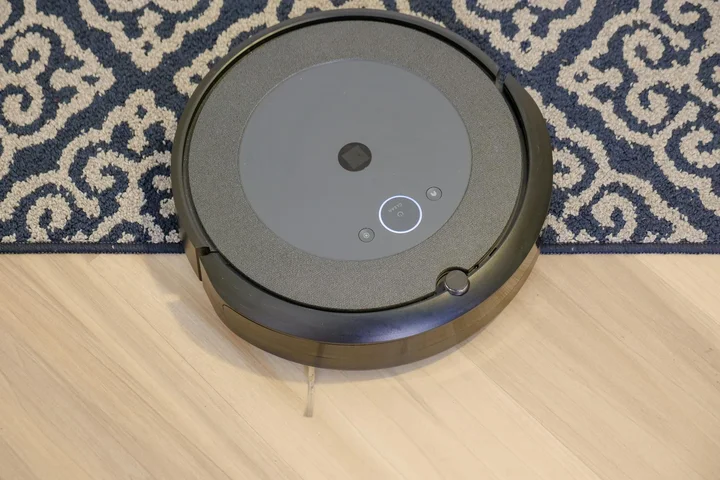
I’ve owned, rented, and tested these brands for years. My golden Labrador, Peeta, and my kids, Jason and Jessica, have given me plenty of real-world testing opportunities.
Here’s my honest, hands-on comparison to help you choose.
Bissell
Bissell feels like the specialist. Many of their machines are designed with pet owners in mind, which I appreciate.
Top Features & Price
Their popular models, like the Little Green for spots and the ProHeat 2X for whole rooms, range from $100 to $400. The pet-specific versions often include specialized tools and cleaning formulas.
Their rotating brush rolls and strong suction are fantastic for lifting ground-in dirt and pet hair from the carpet’s base.
Pros & Cons
- Pro: Unbeatable for pet messes. The attachments get hair out of stairs and upholstery like nothing else.
- Pro: Parts are widely available online and in big-box stores.
- Con: Some mid-range models can feel a bit plasticky and light.
- Con: The water tanks can be small, requiring frequent refills for large areas.
Warranty & Support
Most come with a 1 to 3-year limited warranty. I had to call them once about a hose connection. The wait was short, and the rep walked me through a fix without needing to ship the unit.
Hoover
Hoover is the reliable workhorse. Their machines often feel more substantial and are built for heavy, frequent use.
Top Features & Price
You’ll find powerful models like the PowerScrub Elite in the $150 to $350 range. They often feature large tanks and “SpinScrub” brushes that mimic professional hand-scrubbing.
If you have large, open carpeted areas, a Hoover’s tank capacity and wide cleaning path will save you time.
Pros & Cons
- Pro: Excellent deep cleaning power for high-traffic zones.
- Pro: Very sturdy construction and easy to maneuver.
- Con: They can be heavier and bulkier to store.
- Con: The pet hair tools aren’t always as targeted as Bissell’s.
Warranty & Support
Similar warranty periods to Bissell. Their online support portal has detailed manuals and troubleshooting guides. Replacement brushes and belts are easy to find.
Rug Doctor
Rug Doctor is the professional-grade option you typically rent. It’s a different category of cleaning power.
Top Features & Price
Rental costs about $30-$40 per day. The machine is heavy, all-metal, and commercial-grade. It uses a strong spray and a powerful vacuum to flush dirt from deep within the carpet backing.
For a once-a-year deep clean or remedying a serious, set-in stain, the rental Rug Doctor is my go-to. I’ve also picked up some stain removal tips for rental carpets that have been really helpful.
Pros & Cons
- Pro: Unmatched extraction power. It pulls out so much more dirty water than any home model.
- Pro: Ideal for large-scale jobs before moving or after a party.
- Con: Not convenient for quick spills. You have to go get it.
- Con: The learning curve is steeper, and it’s easy to overwet the carpet if you’re not careful.
Warranty & Support
As a rental, you don’t deal with long-term warranties. The rental center handles maintenance. I find the staff at my local grocery store are usually helpful with setup tips.
My Personal Take
I keep a Bissell Little Green in my laundry room. It’s perfect for Peeta’s occasional muddy-paw prints or when Jessica spills her juice box. For my annual spring clean, I rent a Rug Doctor. The difference in water extraction is visible. The carpets dry faster and feel genuinely deeper cleaned — it’s crucial to properly extract water from the carpet to prevent stains.
Your Step-by-Step Guide to Tackling Stains with a Machine
Using a carpet cleaner isn’t just about running the machine. The work you do before and after makes all the difference.
Step 1: Pre-Treat the Stain
Never skip this. Blot up any solid or liquid mess first. Then, apply a pre-treatment.
Recommended Products:
- For pet stains/odors: Use an enzymatic cleaner. It breaks down the proteins in urine and vomit.
- For food, wine, or mud: Use an oxygen-based cleaner (like a powder dissolved in water). It lifts stains without harsh bleach.
Safe DIY Alternatives:
- For general dirt/grease: A few drops of clear dish soap in a cup of warm water.
- For odors: A light mist of a 50/50 white vinegar and water solution. Let it sit for 10 minutes first.
Step 2: Machine Setup
Fill the clean water tank with HOT tap water and the manufacturer’s recommended cleaning solution. Using too much soap is a common mistake. It leaves a sticky residue that attracts more dirt.
What Helped Me: I always do a colorfastness test in an inconspicuous closet corner. I run the machine for a second, then press a white towel onto the wet carpet. If no dye transfers, you’re safe to proceed.
Step 3: The Cleaning Passes
- Go over the pre-treated stain slowly, releasing the cleaning solution.
- Make a second pass over the same area, this time with the solution trigger released, to suck the dirty water back up.
- Repeat the suction-only passes until you see little to no water being pulled into the tank. This prevents overwetting.
Step 4: Post-Treatment & Drying
This is where you prevent mildew and get your room back.
Open windows, run fans, and turn on your HVAC fan to circulate air. My Aunt Jessica in Arizona taught me the power of dry, moving air. Even in humid climates, fans are essential.
Wait at least 6-8 hours before walking on it or replacing furniture. You can lay old, dry towels on the damp area and walk on them to blot up extra moisture.
Keeping Your Cleaner in Fighting Shape
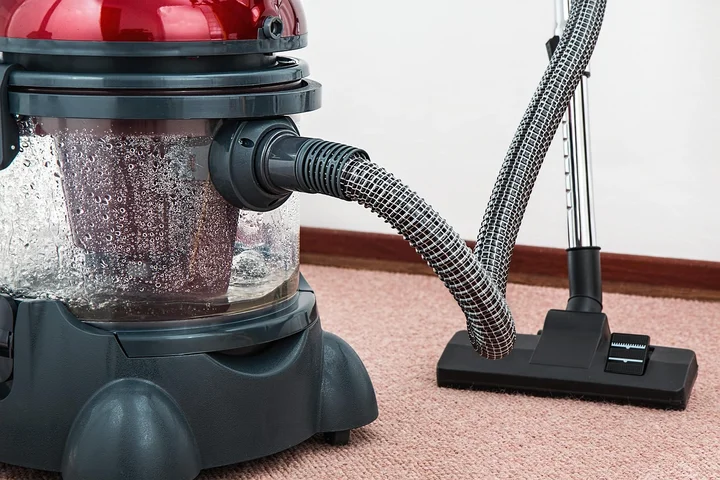
Treat your machine right, and it will return the favor for years. I learned this after my first Bissell started making a sad whining noise. I’d neglected the basic care.
Essential Maintenance After Every Use
Never skip the post-battle clean-up. It’s the most important five minutes for your machine’s lifespan.
- Empty Both Tanks Immediately. Letting dirty water sit is a recipe for a sour smell that seeps into the plastic. I dump mine right after finishing a room.
- Rinse and Dry. Give the dirty water tank a quick rinse with warm water. Wipe down the clean water tank and both tank lids. Let everything air dry with the caps off.
- Clean the Brushes and Nozzle. Hair, string, and carpet fibers love to wrap around the brush roll. Unplug the machine, flip it over, and cut away the debris. Check the suction nozzle for clogs.
- Store Hoses Properly. Don’t just cram them in. Loosely coil the hose and attachments to prevent kinks that crack over time.
Quick Troubleshooting for Common Gripes
Your machine is acting up. Before you panic, try these fixes.
Poor Suction or Water Left Behind? First, check for a full dirty water tank. If it’s not that, a clog is likely. I disconnect the hose from the machine and the wand, then run warm water through it to clear any gunk.
Leaving a Residue or Streaks? You might be using too much cleaning solution. I follow the “less is more” rule in the tank. For a quick fix, go over the area again with clean, hot water in the machine to rinse it out.
Brushes Not Spinning? The drive belt might be worn or broken. This is a common, often easy fix. Check your manual for how to access and replace it.
A Martha-Approved Field Note
My mom Martha, who’s dealt with hard North Texas water for decades, gave me a golden tip. Use distilled water in your clean water tank, especially if you have hard water. It prevents chalky, white mineral deposits from building up inside the pump and spray lines. This keeps your machine running smoothly for much longer.
The Deep Clean Your Machine Deserves
Every few months, give your cleaner its own spa day. Run a solution of hot water and a cup of white vinegar through the system. This breaks down any internal soap or mineral buildup. Then, run two tanks of clear water to rinse it all out. A clean machine fights stains better, helping you prevent stains after washing.
Red Flags: When Your DIY Effort Needs Backup
I love tackling stains myself. But part of being an expert is knowing when the job is over your head. It’s why I call a pro for stains on my upholstery. Calling a pro isn’t a failure. It’s smart care for your home.
Material Red Flags: Tread Carefully
Some fibers and situations need a gentle, expert hand.
- Delicate Natural Fibers: Silk, viscose, or very fine wool rugs can shrink, bleed dye, or distort.
- Antique or Handmade Rugs: The dyes are often unstable, and the foundations can be fragile. Water can damage them irreparably.
- Severe Water Damage: If a flood or leak has soaked the carpet and pad, you need extraction and drying equipment a home machine can’t match. Mold is the real enemy here.
Critical Warnings: Your Safety Checklist
Ignore these, and you could ruin your carpet or your machine.
Never Over-Wet the Carpet. The carpet should feel damp, not soggy. Over-wetting can lead to mildew, shrinkage, and damage to the floor underneath. My rule is one slow, steady pass per section.
Never Mix Chemicals. Combining different carpet shampoos, oxiclean, or ammonia can create toxic fumes or ruin your machine. Use one product at a time, as directed.
Always, Always Test in a Hidden Spot. A corner in a closet, under furniture. Check for colorfastness and texture change. This two-minute step has saved me more than once.
When to Put Down the Machine and Pick Up the Phone
Stop DIY cleaning and call a professional if you see these signs.
- A stain returns persistently after multiple cleanings.
- A strange, musty odor develops in the days after you clean (this signals trapped moisture or mildew).
- The carpet still feels unpleasantly stiff or sticky after it’s fully dry.
- You notice any discoloration or fiber damage from your cleaning attempt.
I had to learn this last one with grace. My mother-in-law Brianna has an old Persian rug. I knew my Hoover and my best intentions weren’t the right tools for that job. I called a specialist. Sometimes, expert help is the best way to show you care for your belongings. The rug looks beautiful, and Brianna was thrilled I didn’t try to be a hero.
FAQ About Choosing and Using Carpet Cleaners
Which brand’s machine is easiest to use on stairs and tight spaces?
Bissell’s compact spot cleaners, like the Little Green, are the clear winner for stairs and corners due to their lightweight design and hose-attached tools. Their specialized upholstery attachments make targeting pet hair or a single spill on a step much simpler than maneuvering a full-size machine.
I’ve cleaned a stain, but it came back. What did I do wrong?
This is often caused by incomplete extraction, leaving dissolved stain residue deep in the carpet pad. For biological stains like pet urine, you must use an enzymatic pre-treatment to break down the proteins before the machine extracts everything.
My machine left the carpet too wet. How can I dry it faster to prevent mildew?
Immediately after cleaning, make several slow, suction-only passes over the area until no more water is pulled up. Then, open windows, run fans directly on the spot, and place dry, white towels over the damp area, standing on them to blot out excess moisture.
Are the brand-name cleaning solutions necessary, or can I use something cheaper?
You must use formulas specifically designed for hot water extraction machines to avoid damaging internal parts. While you can use a generic oxy or enzyme cleaner for pre-treatment, always use the manufacturer’s recommended solution or a certified compatible brand in the machine’s tank.
I have a Rug Doctor rental for only 24 hours. What’s the most efficient way to tackle my whole house?
Pre-treat all major stains the night before and move all furniture to one side. Start in the farthest corner of the house and work your way back to an exit, focusing on slow, thorough extraction passes to avoid needing a second go-over, which saves significant time and water.
Your Long-Term Carpet Care Strategy
After comparing all the specs and features, I’ve learned from years of cleaning up after my crew that the best machine is simply the one you’ll actually use every single time a mess happens. Whether it’s for Jason’s soccer mud or a glass of Aunt Jessica’s merlot, picking a cleaner that feels easy and dependable in your hands is what truly protects your carpet. I share new, practical advice like this every week right here on the blog to help you tackle stains with confidence.
Written by Suzanne Rosi Beringer. Suzanne is an accomplished chemist, laundry expert and proud mom. She knows the science and chemistry of stains and has personally deal with all kinds of stains such as oil, grease, food and others. She brings her chemistry knowledge and degree expertise to explain and decode the science of stain removal, along with her decades long experience of stain removal. She has tried almost everything and is an expert on professional and DIY stain removal from clothes, fabric, carpet, leather and any other items dearest to you.